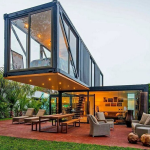
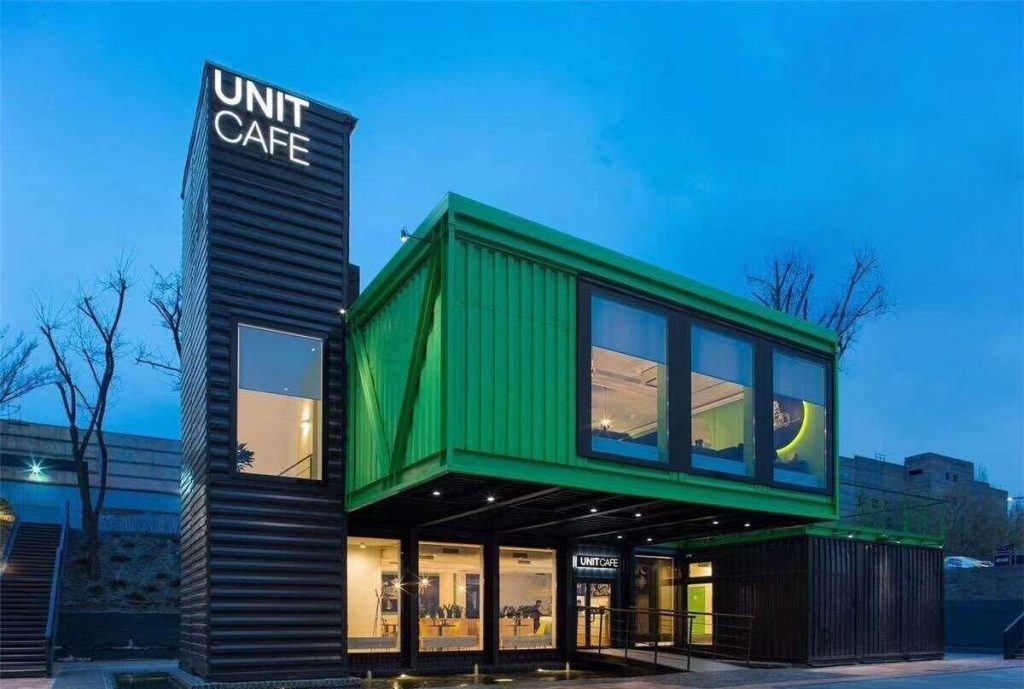
In recent years, the housing industry has experienced a profound shift toward innovation, flexibility, and sustainability. Traditional construction—once considered the only reliable method for building homes—is now being challenged by new concepts that offer greater efficiency and adaptability. Among these emerging trends, container homes have become one of the most impressive developments in modern architecture.
A container home is more than a repurposed steel box. When transformed with creativity and engineering, a shipping container becomes a stylish, functional, and environmentally friendly living space. This article explores the transformation process, design possibilities, advantages, and long-term value of container homes, along with real user feedback from people who have embraced this new lifestyle.
1. Why Container Homes Are Rising in Popularity
Shipping containers were originally designed to withstand harsh environments and long-distance transport. Their durability, structural strength, and standardized dimensions make them an ideal foundation for modular housing. Today, more architects, developers, and homeowners are discovering the practical and aesthetic benefits of using containers as living spaces.
Key reasons for their rapid growth:
- Affordability compared to traditional construction
- Fast building cycle—entire homes can be completed in weeks
- Sustainability through recycling and reduced construction waste
- Relocatable and modular designs
- Customizable appearances for a modern lifestyle
- Long lifespan and low maintenance
Container homes offer a rare combination of versatility and durability, making them suitable for both personal use and commercial projects such as resorts, rental cabins, and offices.
2. The Transformation Process: Turning Steel Into a Home
A successful container home project begins with factory-level precision and professional design. The transformation process involves multiple stages that focus on structure, insulation, interior layout, and aesthetics.
2.1 Structural Reinforcement
Although containers are already strong, additional reinforcement is often added when creating openings for windows and doors. This ensures the house remains stable and weather-resistant.
2.2 Thermal and Acoustic Insulation
Containers naturally conduct heat, so insulation is essential. Common materials include:
- Rock wool
- PU foam panels
- EPS insulation boards
- Wood composite insulation layers
Proper insulation ensures comfort in both hot and cold climates.
2.3 Electrical and Plumbing Integration
Electricity, plumbing, and drainage systems are pre-installed within the container walls, ensuring a clean interior finish and long-term durability.
2.4 Interior Decoration
This includes:
- Flooring (wood, PVC, marble-style materials)
- Wall panels
- Ceilings
- Kitchen and bathroom installations
- Built-in storage solutions
Design can range from minimalist to luxury boutique style.
2.5 Exterior Finish
Exterior appearance is customized using:
- Wooden cladding
- Aluminum panels
- Composite boards
- Heat-resistant paint
- Color-coated steel
The result is a modern, beautiful finish suitable for residential or commercial use.
3. Design Possibilities: Endless Creativity
Container homes can be transformed into:
- Single-bedroom micro homes
- Multi-container villas
- Holiday cabins and glamping suites
- Coffee shops and restaurants
- Mobile offices or coworking spaces
- Student accommodations
- Emergency shelters
- Remote-area field housing
Because containers are modular and stackable, they can be arranged vertically or horizontally, creating unique architectural styles that stand out from traditional homes.
4. Advantages of Living in a Container Home
4.1 Sustainability
Each container repurposed reduces waste and supports eco-friendly construction practices. Materials such as solar panels, rainwater systems, and recycled interior materials can enhance sustainability.
4.2 Durability
Shipping containers are designed to survive storms, transport pressure, and heavy loads. As a result, container homes are naturally strong, secure, and long-lasting.
4.3 Cost Efficiency
Construction costs are often 30–50% lower than traditional houses. Factory production also reduces labor, time, and material waste.
4.4 Mobility
Container homes can be relocated when needed—ideal for remote work lifestyles, rental businesses, and tourism projects.
4.5 Modern Aesthetics
From industrial charm to minimalist elegance, container homes offer a sleek and stylish look unmatched by traditional housing.
5. Ideal Applications for Container Homes
Container homes have gained popularity across many industries:
-
Tourism and hospitality
Eco-resorts, camp resorts, rental villas, seaside cabins -
Real estate projects
Affordable housing communities, staff quarters, student units -
Commercial use
Cafés, pop-up shops, offices, showrooms -
Private residential use
Personal homes, guest houses, backyard studios
Their flexibility makes them suitable for nearly any environment, from forests to beaches to urban settings.
6. Maintenance and Long-Term Value
Container homes require minimal maintenance. Routine care includes:
- Checking exterior paint every few years
- Inspecting seals around windows and doors
- Regular cleaning of ventilation systems
- Preventing prolonged water accumulation at the base
With proper care, a container home can last 25–50 years or longer.
⭐⭐⭐⭐⭐
Mark T., USA
“I never expected a container home to feel this comfortable. The interior design is modern and the insulation works perfectly year-round.”
⭐⭐⭐⭐⭐
Sofia R., Spain
“Stylish, affordable, and extremely well built. It has become my favorite weekend retreat.”
⭐⭐⭐⭐
Kenji M., Japan
“Minimalist design, great craftsmanship. Perfect for a small living space.”
⭐⭐⭐⭐⭐
Emily G., Canada
“The customization options are incredible. My home feels unique and beautifully crafted.”
⭐⭐⭐⭐⭐
Lucas A., Brazil
“Fast delivery and solid structure. It survived heavy rain with no issues.”
⭐⭐⭐⭐
Ava H., UK
“Very cozy and surprisingly spacious. Excellent quality for the price.”
⭐⭐⭐⭐⭐
Daniel P., Australia
“My container villa is stunning. The wooden exterior finish looks high-end.”
⭐⭐⭐⭐⭐
Noah W., Germany
“Energy efficient and quiet. The insulation quality is much better than I expected.”
⭐⭐⭐⭐
Isabella K., Italy
“Beautiful interior layout. It feels like a modern apartment, not a container.”
⭐⭐⭐⭐⭐
Arun S., India
“Installation was fast and clean. A great solution for my countryside land.”
⭐⭐⭐⭐⭐
Hannah L., Norway
“Warm, bright, and very durable. Perfect for cold climates.”
⭐⭐⭐⭐
Leo D., Netherlands
“Stylish design with a nice industrial touch. Love the big windows.”
⭐⭐⭐⭐⭐
Maria C., Mexico
“Fantastic quality. My rental units are fully booked every weekend.”
⭐⭐⭐⭐⭐
Jason F., New Zealand
“A smart investment. The modular design made expansion easy.”
⭐⭐⭐⭐
Chloe S., France
“Good craftsmanship, strong structure. Just needed minor exterior touch-ups.”
⭐⭐⭐⭐⭐
Tommy J., South Africa
“The house feels very secure and solid. Weatherproof and super comfortable.”
⭐⭐⭐⭐⭐
Olivia P., Sweden
“I love the minimalist interior. Excellent use of space.”
⭐⭐⭐⭐
Carlos L., Portugal
“Great purchase. Simple design but very practical.”
⭐⭐⭐⭐⭐
Grace M., Ireland
“Perfect guesthouse solution! Fast delivery and easy installation.”
⭐⭐⭐⭐⭐
Ben H., Philippines
“Highly recommended. The price-to-quality ratio is unbeatable.”
⭐⭐⭐⭐
Daria V., Russia
“Modern, clean, and functional. Good insulation and strong frame.”
⭐⭐⭐⭐⭐
Ahmed Y., UAE
“Premium look and outstanding durability. I’m very impressed.”
⭐⭐⭐⭐⭐
Mia T., Singapore
“Compact but beautifully designed. A perfect studio home.”
⭐⭐⭐⭐
Omar K., Saudi Arabia
“Very durable and comfortable. Great air circulation too.”
⭐⭐⭐⭐⭐
Nina J., Switzerland
“High-quality materials. It feels like a luxury micro home.”
⭐⭐⭐⭐
Richard B., UK
“Nice and quiet inside. The insulated walls work very well.”
⭐⭐⭐⭐⭐
Lily W., USA
“Eco-friendly and modern. Exactly what I wanted.”
⭐⭐⭐⭐
Jonas P., Denmark
“Minimalist design with excellent craftsmanship.”
⭐⭐⭐⭐⭐
Karla F., Chile
“Beautiful home. We use it as a vacation rental—great feedback from guests.”


No reply content