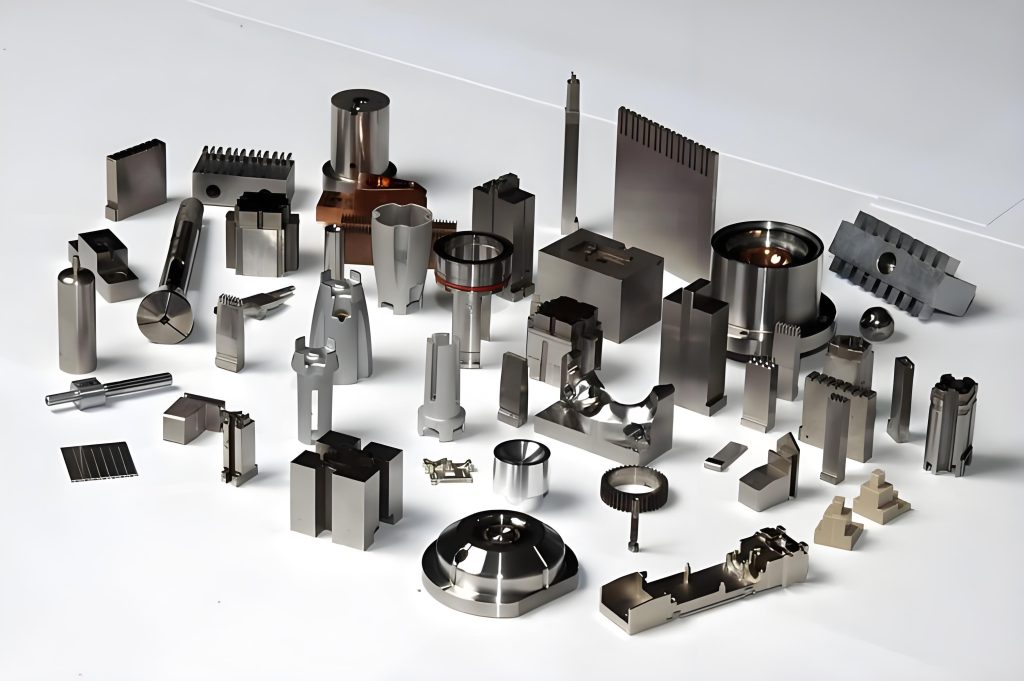
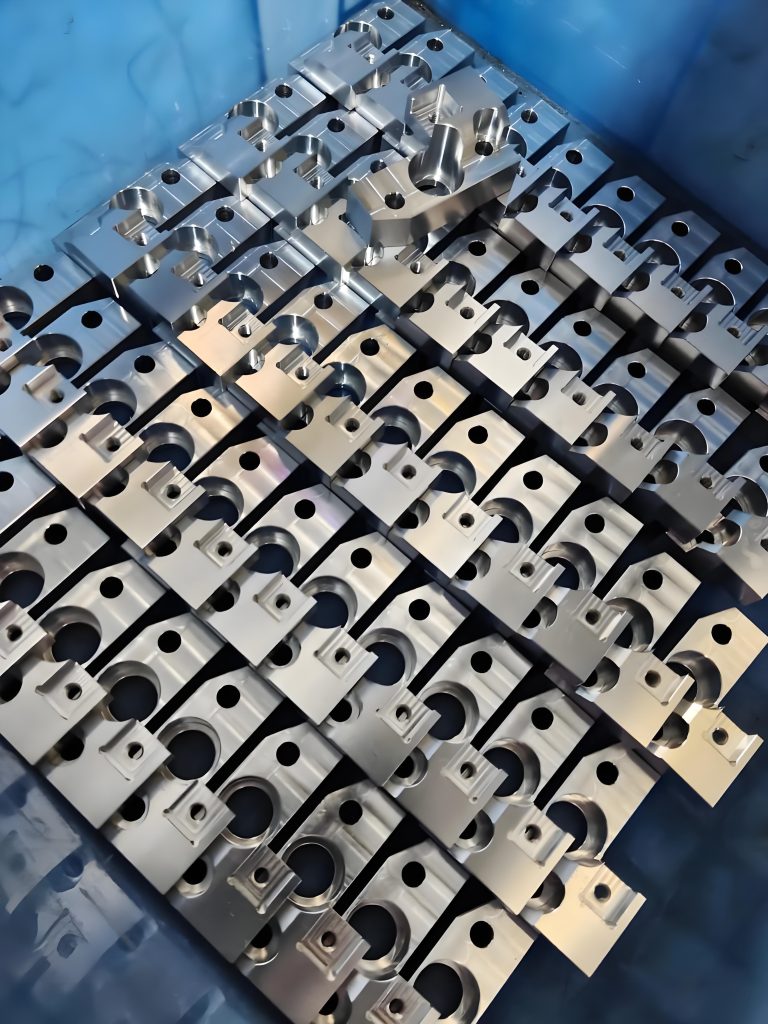
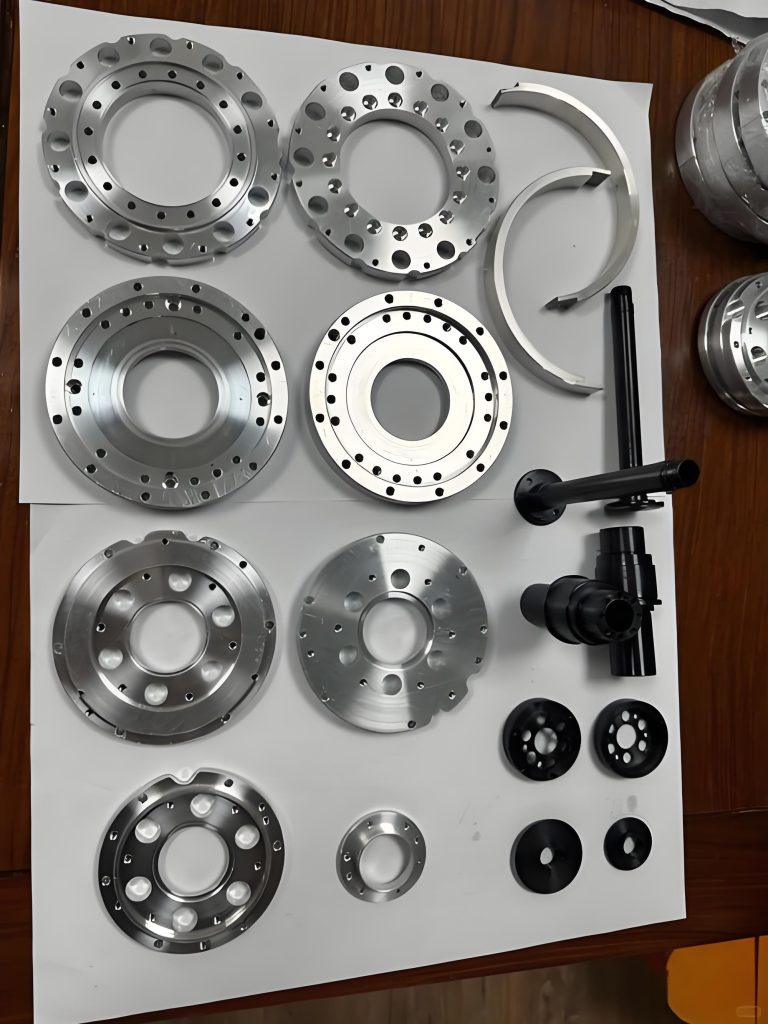
A common misconception we hear from new clients is: “The machining is done, so the part is finished, right?”
Wrong. In the world of precision CNC machining, the final surface treatment is not just about aesthetics—it’s about performance, corrosion resistance, and longevity. Choosing the wrong finish can lead to galvanic corrosion, failed assemblies, or a part that wears out in weeks.
As a dedicated CNC manufacturer, we have tested every finish on this list in real-world applications. Here is your insider’s guide to choosing the right surface finish for your metal parts.
Comparison of Common CNC Surface Finishes
To help you decide, here is a direct comparison based on our production experience:
Finish Type |
Best For |
Corrosion Resistance |
Wear Resistance |
Relative Cost |
|---|---|---|---|---|
As-Machined (Mill Finish) |
Fit checks, Internal components |
Low |
Low |
$ (Base) |
Anodizing (Type II/III) |
Aluminum enclosures, Heat sinks |
High |
Medium (Hardcoat is High) |
$$ |
Bead Blasting |
Decorative covers, Grip surfaces |
Medium (prepares surface) |
Low |
$$ |
Powder Coating |
Outdoor brackets, Chassis |
High |
Medium |
$$$ |
Passivation |
Stainless steel medical parts |
High |
Low |
$$ |
Polishing/Mirror |
Food-grade equipment, Valves |
Medium |
Low |
$$$$ |
Our Proprietary Testing Insights
We don’t just apply finishes; we test them. Here are some non-public findings from our lab:
-
Anodizing Thickness vs. Thread Fit: We found that Type III Hardcoat Anodizing thicker than 50 microns can cause thread gauges to fail if threads are not masked or chased properly. Always specify masking requirements.
-
Salt Spray Performance: Our 48-hour salt spray tests showed that Black Oxide on steel fails significantly faster than Zinc plating, even though both are cheaper than plating.
-
Reflectivity Limits: On 6061 Aluminum, we can achieve a surface roughness (Ra) of 0.2 μm through polishing, but going below that requires diamond buffing, which is cost-prohibitive for most industrial parts.


No reply content