
📦 Professional Apparel Production for Modern Clothing Brands
The clothing industry continues to evolve as brands search for reliable partners that can produce high-quality garments while maintaining flexible customization options. A sustainable custom clothing manufacturing service for fashion brands and bulk apparel buyers helps businesses turn creative clothing concepts into scalable products for global markets.👕 Custom garment production for fashion labels
🧵 Flexible fabric and style customization
📦 Reliable bulk apparel manufacturing
🏷 Private label clothing solutions
🌍 Global supply support for clothing brandsFor startups, clothing designers, wholesalers, and retailers, working with a professional apparel manufacturer provides the foundation needed to build a competitive clothing business.
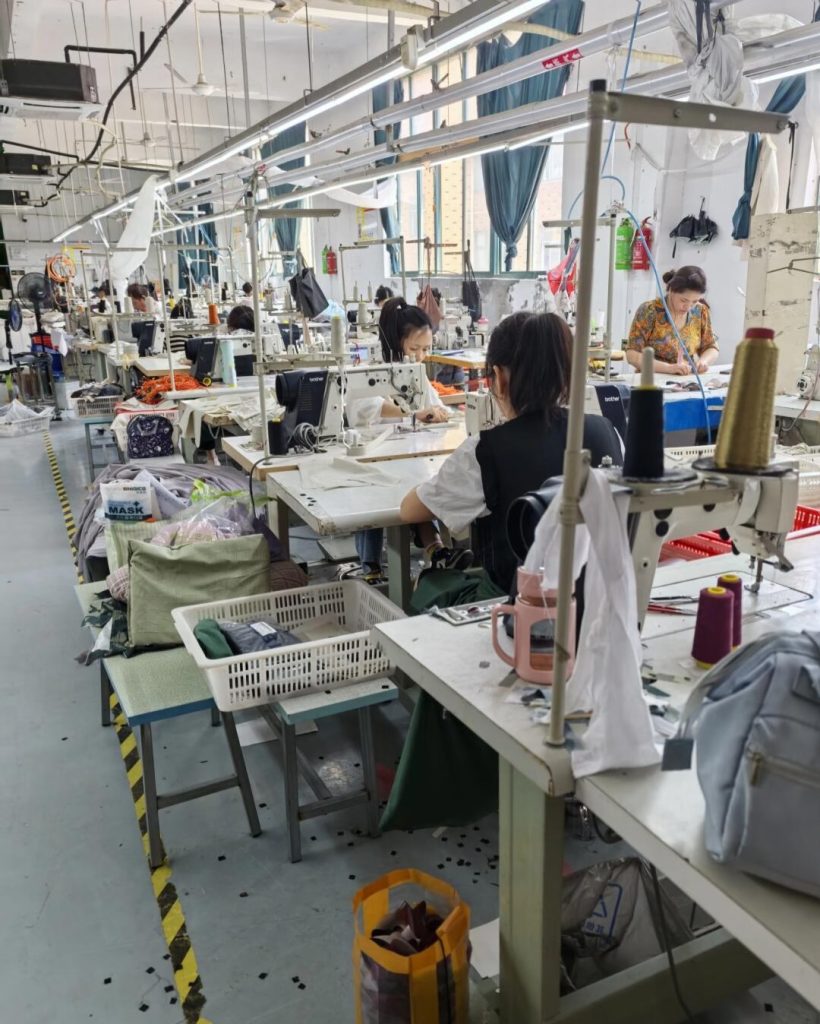
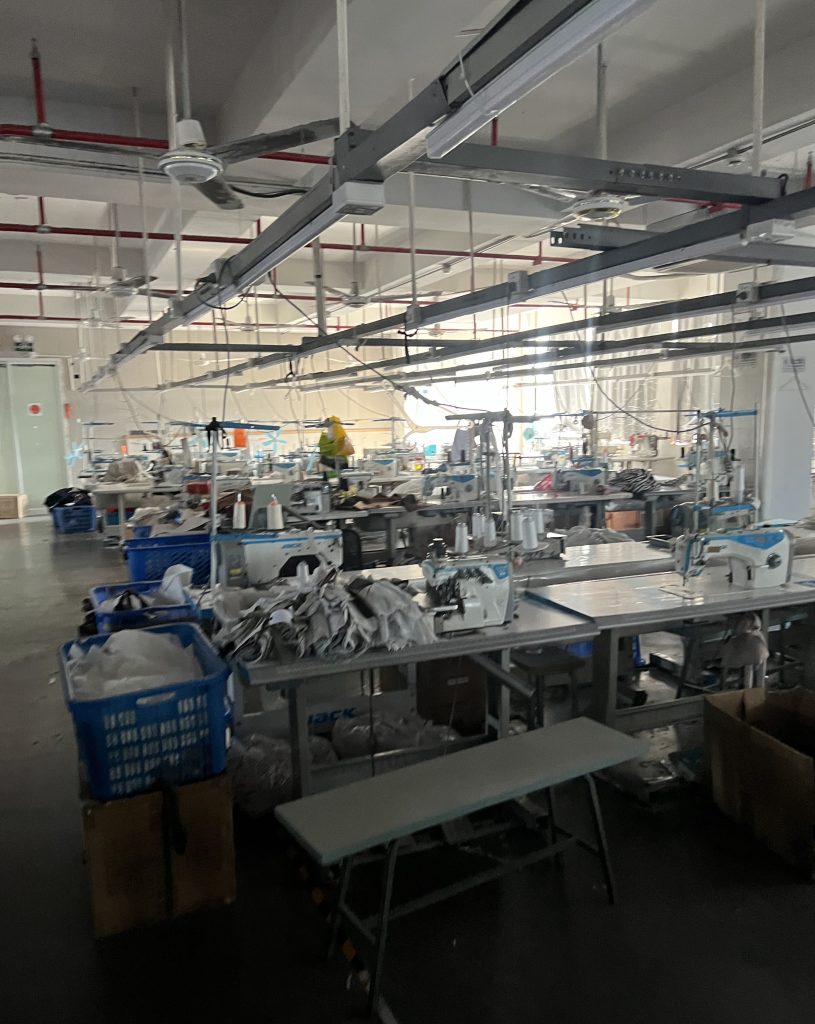
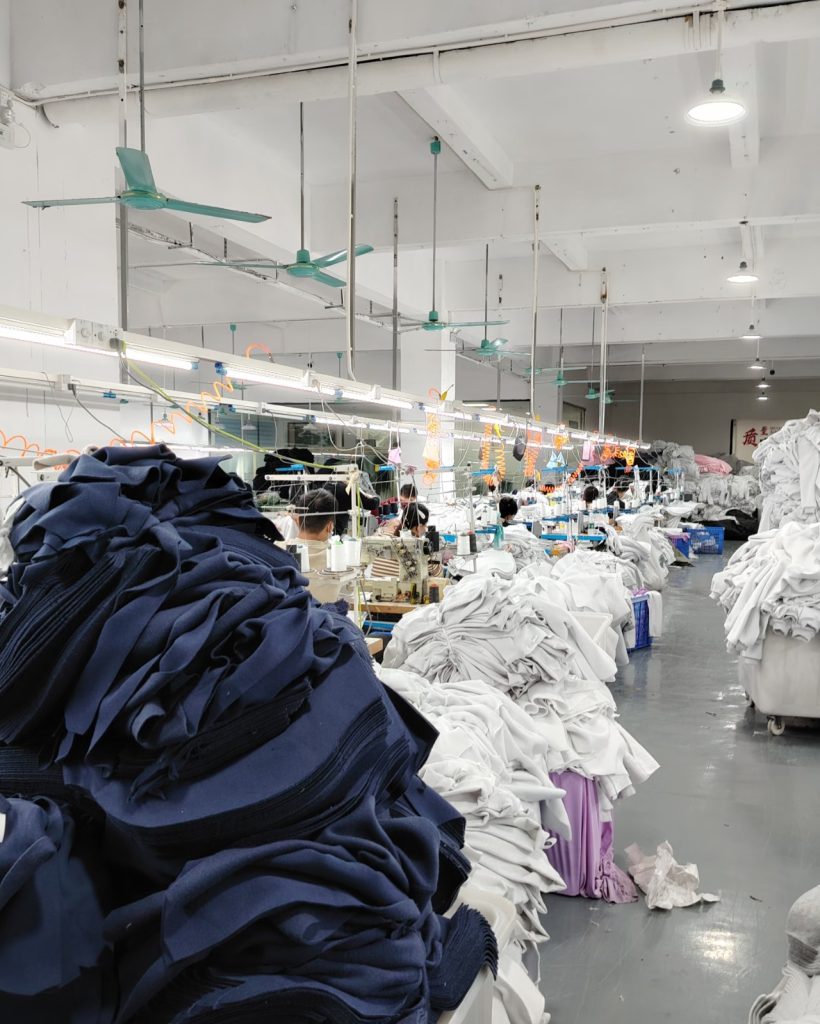
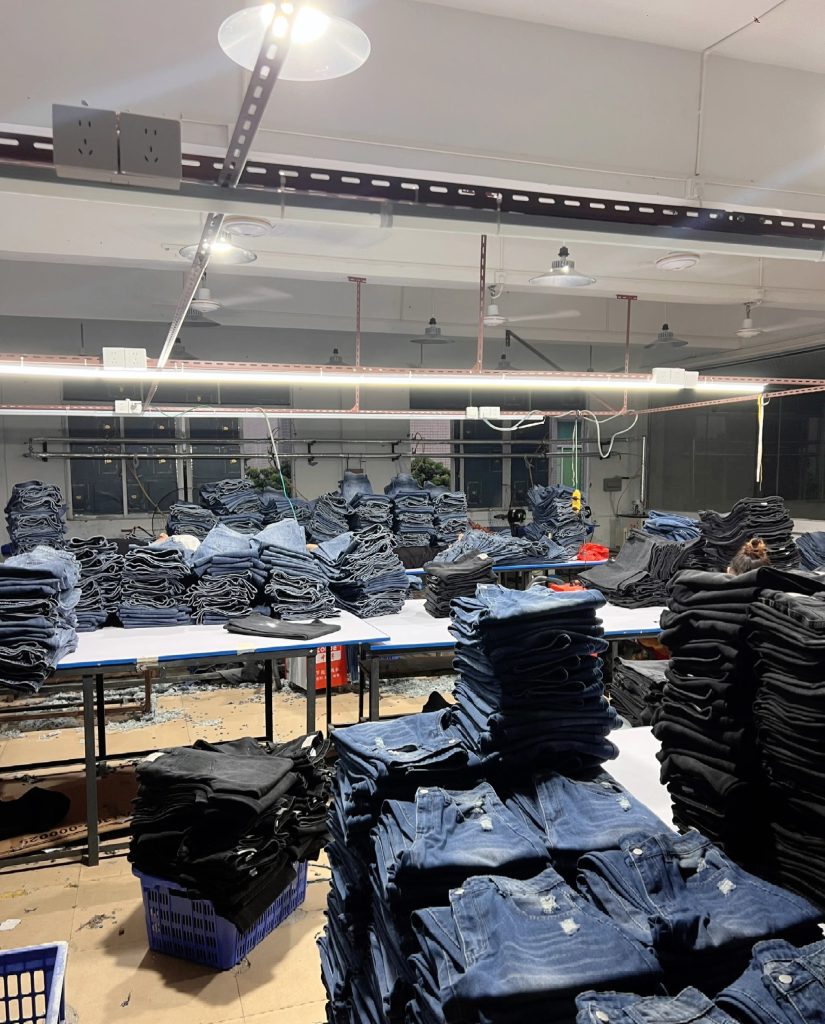
👕 Understanding the Modern Clothing Manufacturing Industry
The global clothing market is constantly changing due to shifting fashion trends, consumer preferences, and technology innovation. Businesses that want to compete in the apparel sector need more than just attractive designs. They require consistent manufacturing quality, scalable production capacity, and reliable delivery schedules.
Custom clothing manufacturing allows fashion brands to control their product identity. Instead of selling generic garments, brands can create clothing that reflects their style, target audience, and brand values.
Modern clothing production focuses on several important aspects:
🧵 high-quality fabrics
👕 consistent garment construction
📏 accurate sizing systems
🏷 professional branding integration
📦 efficient bulk production
For clothing businesses aiming to scale internationally, a strong manufacturing foundation is essential.
🧵 What Custom Clothing Manufacturing Means for Brands
Custom clothing manufacturing refers to producing garments according to specific brand requirements. Instead of using pre-made clothing templates, manufacturers create garments based on detailed specifications.
Customization typically includes:
🎨 color selection
🧵 fabric choices
📐 garment structure
🏷 brand labels and logos
📏 customized size charts
This process allows brands to maintain full control over how their clothing looks and feels in the market.
A well-executed custom clothing program ensures that every product aligns with the brand identity and quality expectations.
👚 Popular Clothing Categories Produced by Manufacturers
Professional clothing manufacturers are capable of producing many garment categories depending on brand needs.
👕 Everyday Casual Clothing
Casual apparel is one of the most widely produced garment categories. It serves both fashion brands and large retail businesses.
Common products include:
👕 t-shirts
🧥 hoodies
👖 sweatpants
👚 casual tops
These garments are popular due to their versatility and consistent demand in many markets.
🏃 Performance and Activewear
Performance clothing is designed for movement, comfort, and durability. The demand for athletic apparel has grown rapidly as consumers adopt more active lifestyles.
Examples include:
🏃 training shirts
🧘 yoga apparel
🚴 cycling jerseys
🏋 gym clothing
Activewear often requires stretch fabrics and advanced stitching techniques to improve durability and flexibility.
👗 Fashion and Designer Clothing
Fashion-focused brands often require garments that reflect creativity and style trends.
Typical products include:
👗 dresses
👚 blouses
🧥 fashion jackets
👖 designer denim
Fashion clothing production requires careful attention to design details and fabric selection.
👶 Children’s Clothing
Children’s garments are another important apparel segment.
These products require comfortable fabrics and safe garment construction.
Examples include:
👶 baby outfits
🧸 toddler clothing
👕 children’s everyday wear
Manufacturers must ensure garments are soft, durable, and suitable for active movement.
✂ The Professional Clothing Production Process
Garment manufacturing involves several steps that transform design ideas into finished clothing products.
✏ Design Development
The clothing production process begins with design planning.
This stage includes:
📐 design sketches
📏 measurement charts
🎨 color combinations
Careful planning ensures the garment design is suitable for manufacturing and meets brand expectations.
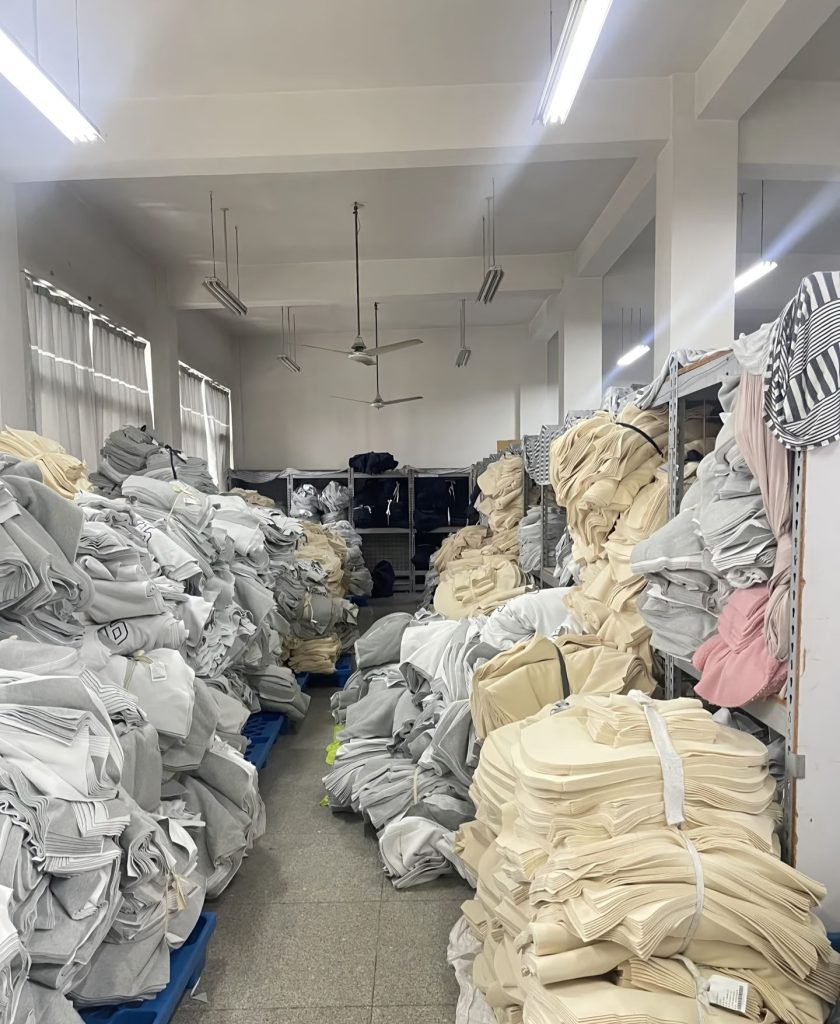
🧵 Fabric Selection
Fabric selection determines the comfort, durability, and appearance of a garment.
Popular materials include:
🌿 cotton fabrics
🧶 blended materials
🌱 breathable textiles
🧵 stretch fabrics
Choosing the right fabric ensures the clothing performs well in real-world use.
📏 Pattern Development
Pattern making converts clothing designs into templates used during cutting and sewing.
A professional pattern ensures:
📐 accurate garment shape
📏 consistent sizing
🧵 efficient fabric usage
Pattern development is a critical step for large-scale clothing production.
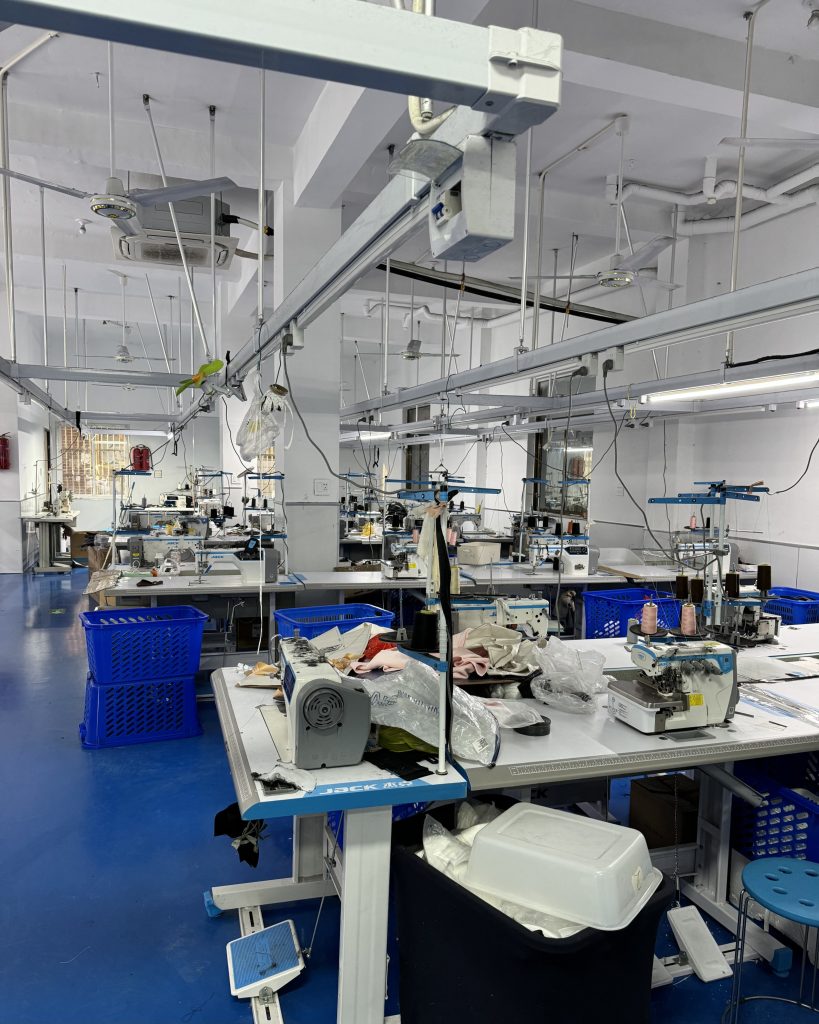
🪡 Sewing and Assembly
After cutting the fabric pieces, garments move into the sewing stage.
During this stage:
🧵 panels are stitched together
👕 sleeves and collars are attached
🏷 labels and tags are added
Experienced sewing technicians ensure the garment maintains structural integrity.
🔍 Quality Inspection
Quality control ensures garments meet design standards and production specifications.
Inspection checks include:
✔ stitching strength
✔ correct sizing
✔ fabric quality
✔ finishing details
Strict quality inspection helps clothing brands deliver reliable products to customers.
🏷 Private Label Clothing Production
Private label clothing production allows businesses to sell garments under their own brand identity.
This approach is popular among clothing brands that want to establish unique market positioning.
Private label services may include:
🏷 woven brand labels
👕 printed logos
📦 branded packaging
📏 custom size tags
By controlling branding elements, businesses can create stronger customer recognition.
🌍 Benefits of Partnering with a Clothing Manufacturer
Working with a professional clothing manufacturer provides several advantages for apparel businesses.
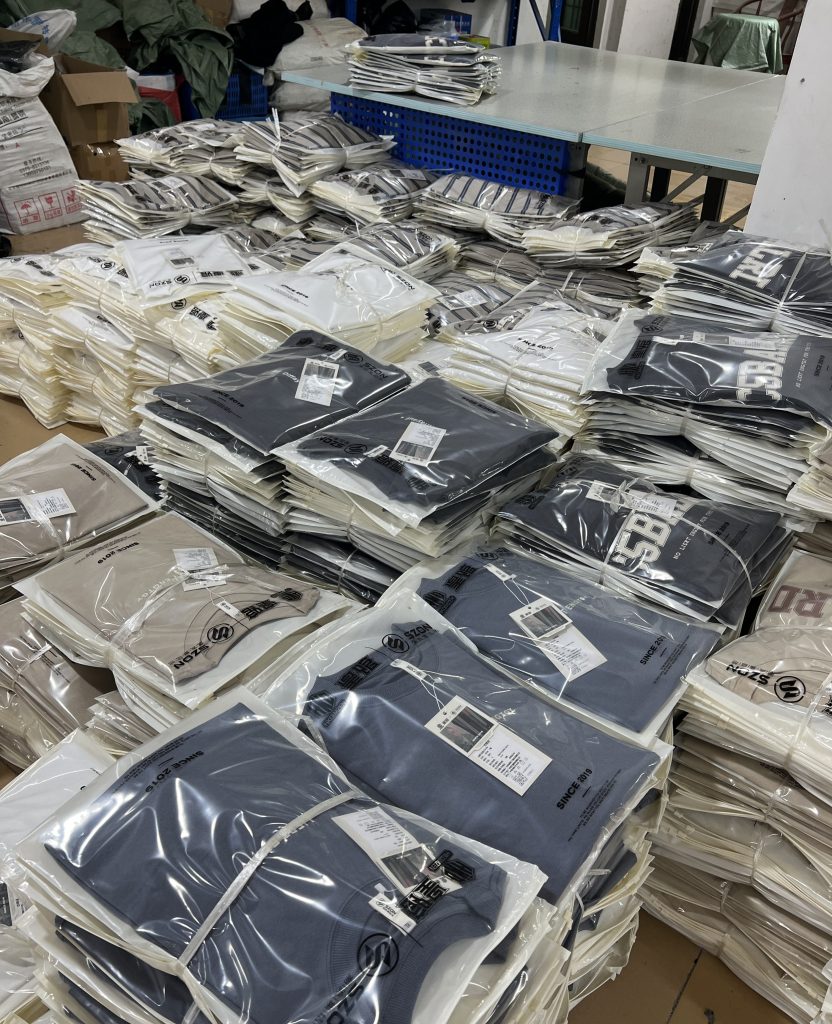
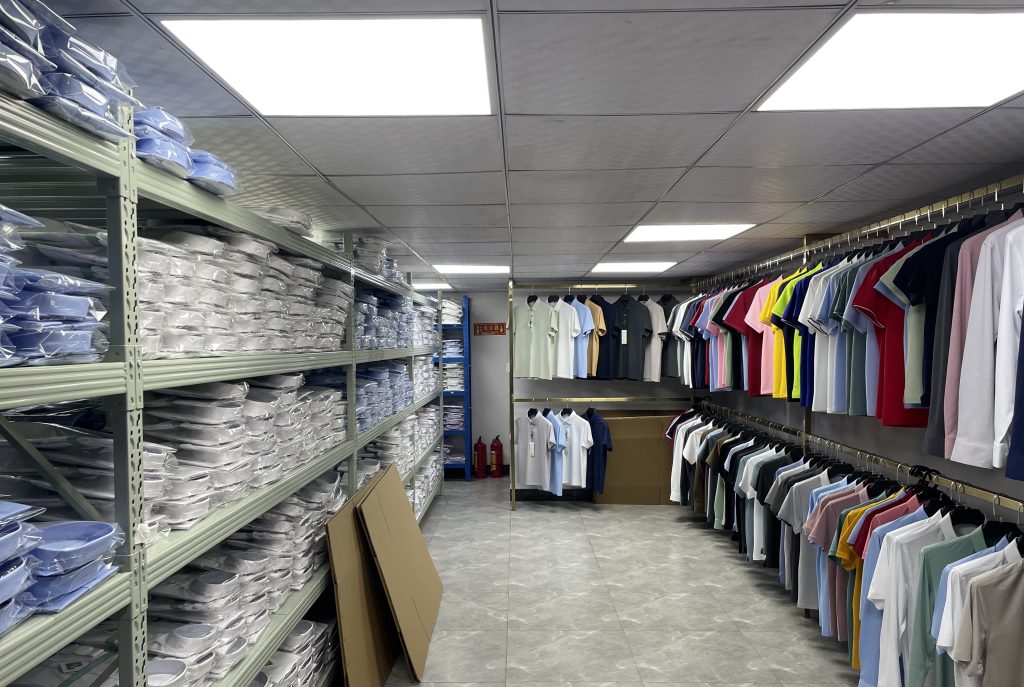
📦 Production Efficiency
Manufacturers have the equipment and workforce needed to produce large quantities of garments efficiently.
This allows brands to meet growing demand without sacrificing quality.
💰 Cost Optimization
Bulk manufacturing can significantly reduce production costs per garment.
Lower production costs help brands remain competitive in the market.
🚀 Business Scalability
As clothing brands expand, production needs increase.
A reliable manufacturing partner ensures the brand can scale operations smoothly.
🧠 How Clothing Manufacturing Supports Brand Growth
Clothing manufacturing is more than simply producing garments. It supports the entire lifecycle of an apparel brand.
Manufacturers help businesses with:
🧵 product development
👕 sample production
📦 bulk manufacturing
🏷 brand identity integration
With strong production support, clothing brands can focus more on design, marketing, and customer engagement.
🌱 The Growing Importance of Sustainable Clothing Production
Consumers today are becoming more aware of environmental responsibility. Sustainable clothing production is becoming increasingly important.
Manufacturers are exploring new approaches such as:
🌱 environmentally friendly fabrics
♻ efficient fabric usage
📦 responsible packaging
Sustainable manufacturing helps clothing brands appeal to environmentally conscious customers.
📈 Future Opportunities in the Apparel Manufacturing Industry
The apparel industry continues to expand as global demand for clothing remains strong.
Future opportunities include:
👕 personalized clothing products
📦 faster production cycles
🧵 advanced garment technologies
🌍 global fashion brand expansion
Manufacturers that adopt innovation and maintain high production standards will continue to support successful clothing brands worldwide.
📩 Building a Successful Clothing Business Through Manufacturing
For entrepreneurs and established brands alike, reliable manufacturing is the backbone of a successful clothing business.
Professional apparel production partners help businesses:
👕 produce consistent garments
📦 fulfill large clothing orders
🏷 develop recognizable brands
🌍 expand into international markets
With strong manufacturing capabilities, clothing brands can deliver quality garments that customers trust and enjoy.
❓ FAQ – Custom Clothing Manufacturing
1. What is custom clothing manufacturing?
Custom clothing manufacturing is the process of producing garments according to specific design, fabric, and branding requirements defined by a clothing brand.
2. What types of clothing can be produced in bulk?
Manufacturers can produce many types of garments including casual wear, fashion apparel, activewear, and children’s clothing.
3. What is private label clothing?
Private label clothing refers to garments produced by a manufacturer but sold under a brand’s own label and identity.
4. Why do clothing brands use custom manufacturing?
Custom manufacturing allows brands to create unique clothing designs, maintain product quality, and control branding.
5. How long does clothing production usually take?
Production timelines vary depending on design complexity, order size, and fabric availability.
6. What should businesses consider when choosing a clothing manufacturer?
Important factors include production experience, quality control standards, customization capability, and delivery reliability.


No reply content