
📦 Custom Clothing Manufacturing for Modern Fashion Businesses
The global clothing industry continues to evolve as brands seek unique designs, reliable production, and sustainable materials. Custom clothing manufacturing allows businesses to transform creative ideas into high-quality garments that represent their brand identity and meet market demand.👕 Custom garment design and production
🧵 Professional fabric development and tailoring
🏷 Private label and brand identity customization
📦 Bulk clothing manufacturing for global markets
🌍 Scalable apparel production for growing fashion brandsWith the right manufacturing strategy, fashion companies, retailers, and startup brands can develop distinctive clothing collections that attract customers and generate consistent business inquiries.
👕 Understanding Custom Clothing Production
Custom clothing production refers to the process of manufacturing garments according to specific design requirements provided by a brand, retailer, or designer.
Unlike mass-produced clothing that follows generic templates, custom garments are developed with personalized styles, materials, and branding elements.
Key characteristics of custom clothing manufacturing include:
🎨 unique design development
🧵 specialized fabric selection
🏷 personalized brand labels
📏 precise size specifications
📦 scalable production capacity
This manufacturing method allows businesses to build distinctive clothing collections and stand out in competitive fashion markets.
🧵 Why Custom Apparel Manufacturing Is Important for Fashion Brands
Modern consumers increasingly look for clothing that reflects style, comfort, and originality.
Custom apparel manufacturing provides several advantages for businesses entering or expanding within the fashion industry.
🎨 Unique Brand Identity
A clothing brand must differentiate itself from competitors.
Custom production allows businesses to create original designs that represent their unique vision.
Benefits include:
👕 distinctive clothing collections
🎨 creative design freedom
🏷 recognizable brand identity
🌍 stronger market positioning
Unique clothing designs help brands build long-term recognition.
📦 Flexible Production for Growing Businesses
Clothing manufacturers often provide scalable production systems that support different order sizes.
This flexibility benefits both startups and established fashion companies.
Advantages include:
📦 small batch development for new collections
📈 large-scale production for established brands
🔧 adjustable manufacturing processes
🚀 easier business expansion
Flexible production allows brands to grow gradually without excessive risk.
🧵 Material and Fabric Customization
Fabric selection plays a critical role in clothing quality and comfort.
Custom apparel production allows businesses to select fabrics based on their specific needs.
Important fabric considerations include:
🧶 softness and comfort
🌬 breathability
🧼 durability and wash resistance
🌱 sustainable material options
The right fabric can significantly enhance customer satisfaction.
👗 Types of Clothing Produced Through Custom Manufacturing
Custom clothing production covers a wide range of garment categories.
Each type of clothing may require different materials, construction methods, and design approaches.
👕 Casual Wear
Casual clothing is one of the largest segments in the apparel market.
Examples include:
👕 T-shirts
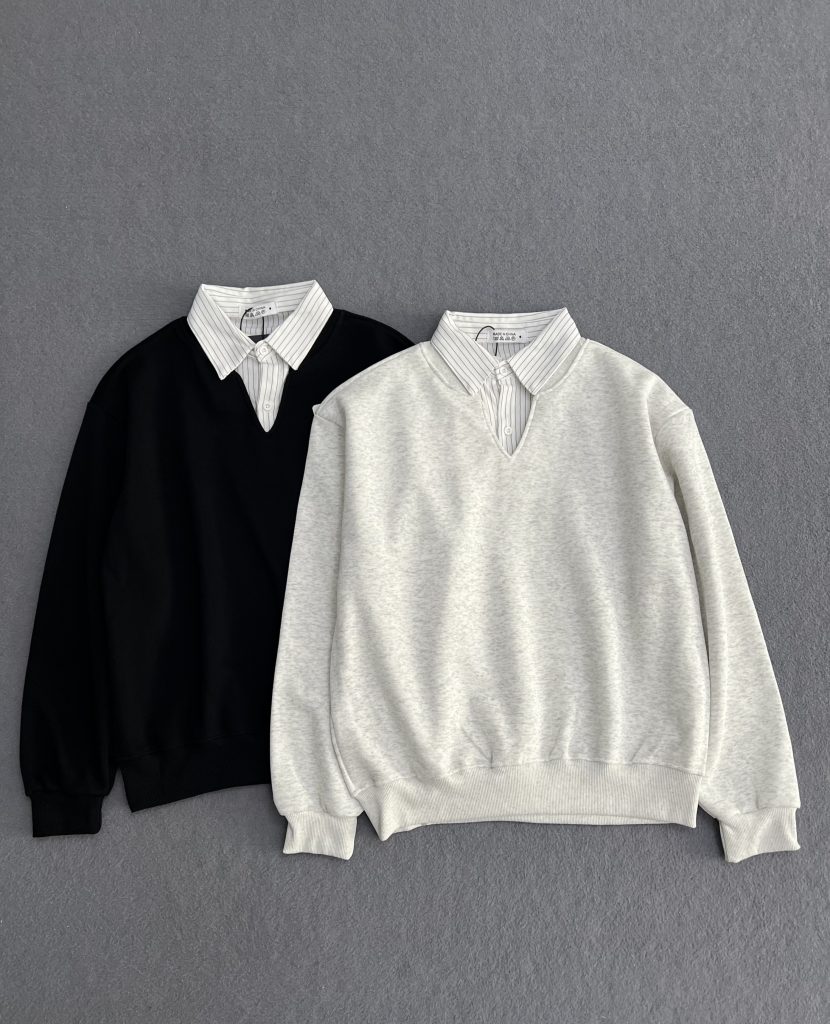
🧥 hoodies
👖 casual pants
🧢 everyday fashion apparel
Casual garments focus on comfort, style, and versatility.
🧥 Professional and Work Apparel
Workwear garments are designed for durability and professional appearance.
Common products include:
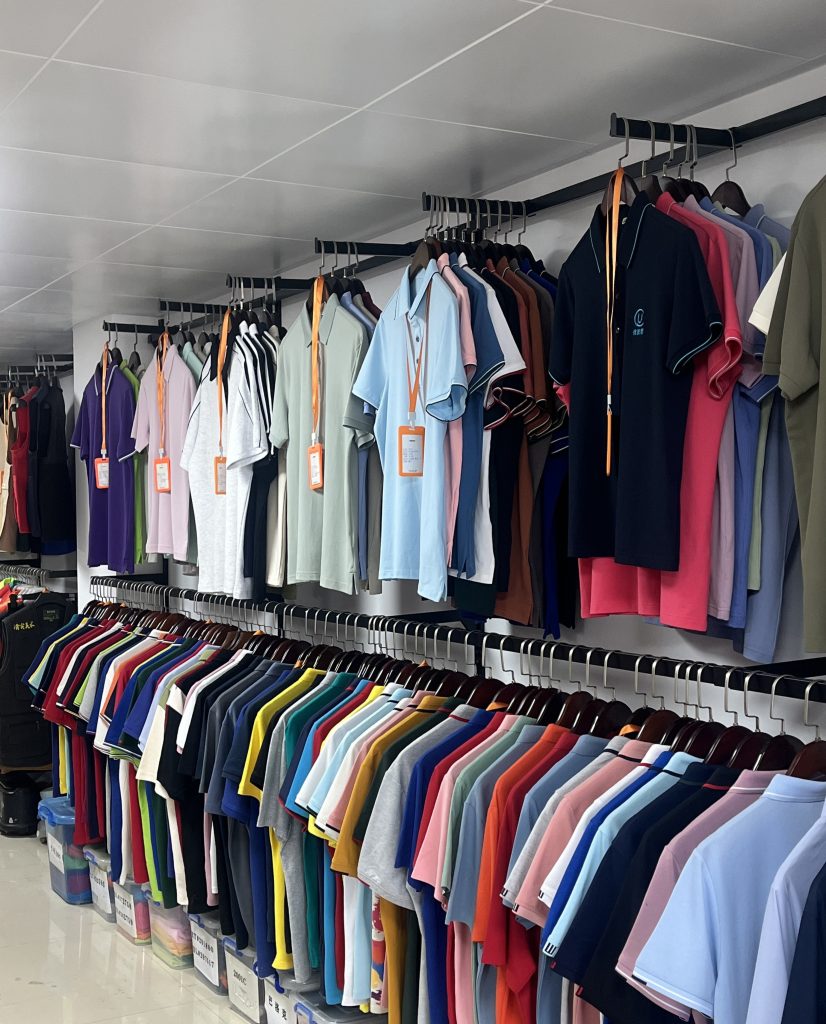
🧥 uniforms
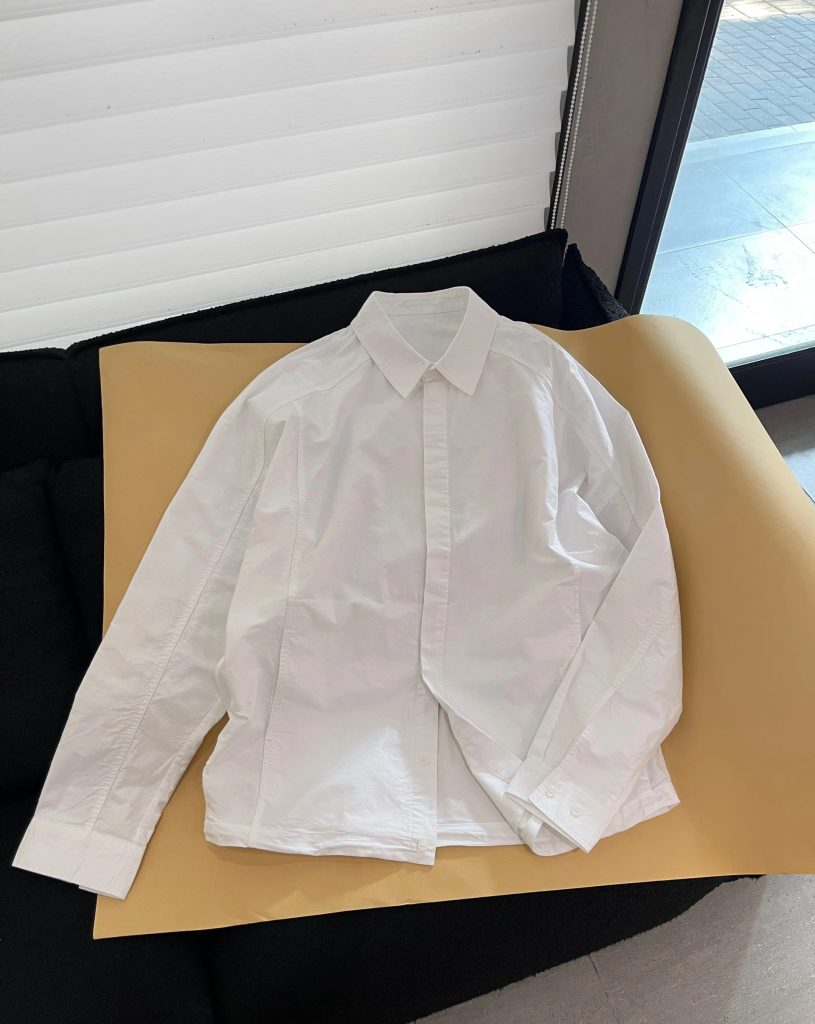
👔 office clothing
👖 industrial workwear
🦺 protective garments
These garments emphasize durability and functional design.
🏃 Sports and Activewear
Athletic clothing is designed for performance and comfort during physical activity.
Typical features include:
🏃 flexible materials
🌬 moisture-wicking fabrics
🧵 reinforced stitching
⚡ lightweight construction
Sportswear production requires specialized fabric technology.
👗 Fashion and Trend Apparel
Fashion garments are designed to reflect current style trends and creative expression.
Examples include:
👗 dresses
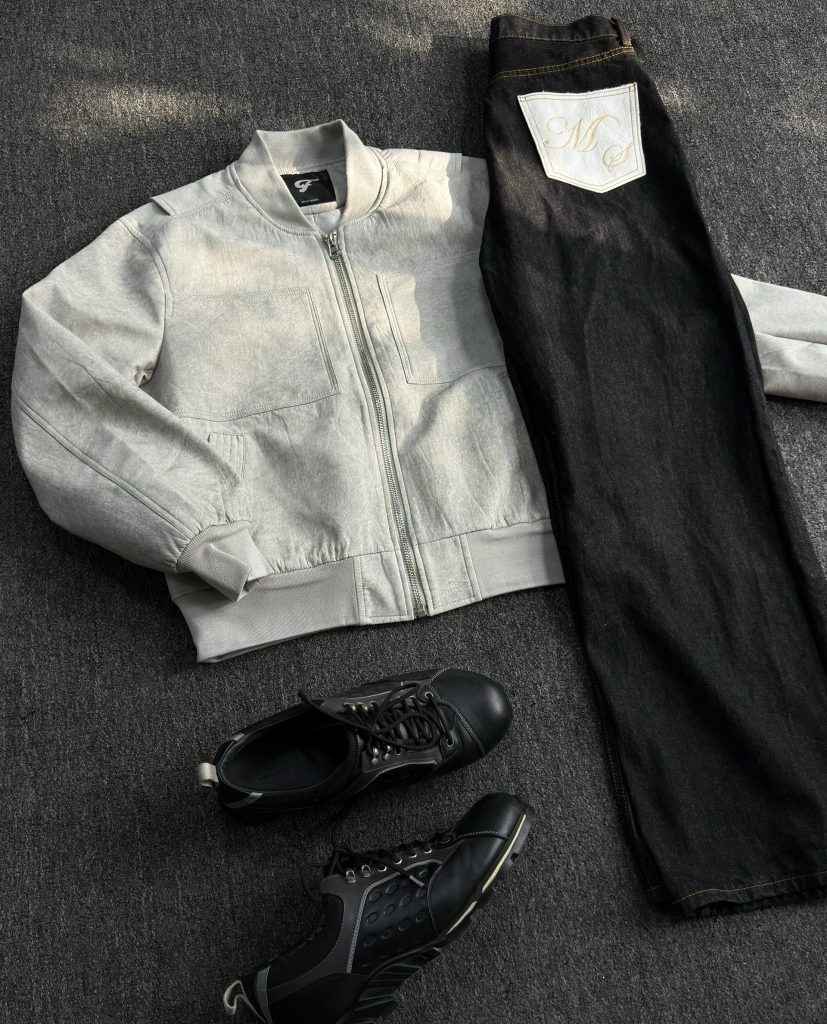
🧥 designer jackets
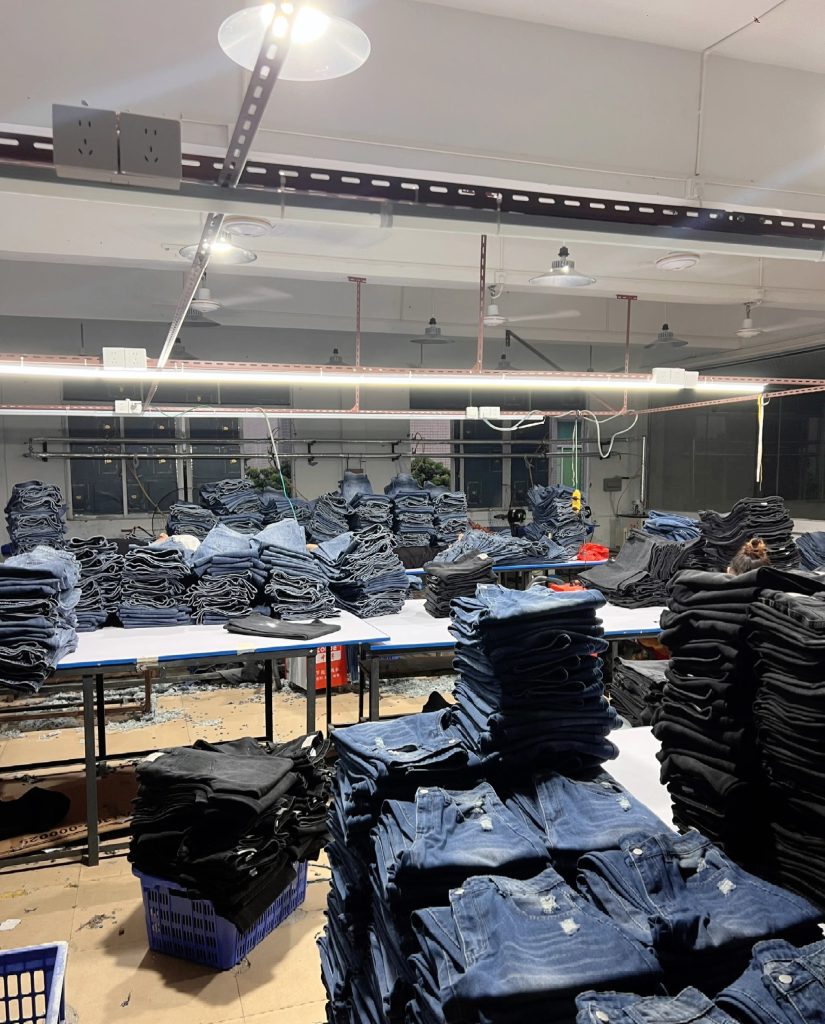
👖 fashion denim
🧣 seasonal collections
Fashion clothing emphasizes visual appeal and innovative design.
⚙ Key Stages of the Clothing Manufacturing Process
Producing high-quality garments requires several organized steps.
Each stage plays a crucial role in ensuring product consistency and quality.
🎨 Design Development
The process begins with creating clothing concepts and technical design specifications.
Key elements include:
✏ design sketches
📏 measurement charts
🧵 material selection
🎨 color planning
Clear design documentation ensures accurate production.
🧵 Pattern Making
Patterns are templates used to cut fabric pieces for garment assembly.
Accurate pattern development ensures proper garment fit.
Benefits include:
📏 consistent sizing
🧵 efficient fabric cutting
👕 improved garment structure
Professional pattern design is essential for quality apparel production.
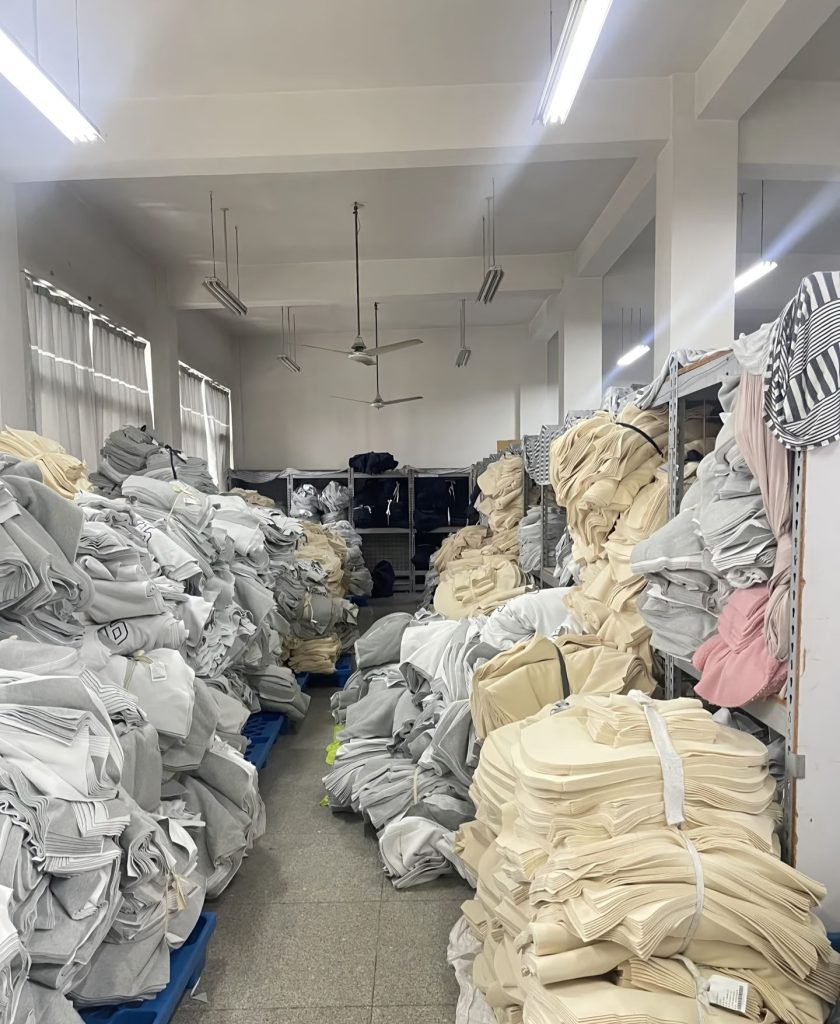
✂ Fabric Cutting
Fabric cutting transforms raw material into garment components.
Modern cutting processes emphasize precision and efficiency.
Advantages include:
✂ accurate fabric utilization
📦 reduced material waste
🧵 consistent production results
Careful cutting ensures smooth assembly in later stages.
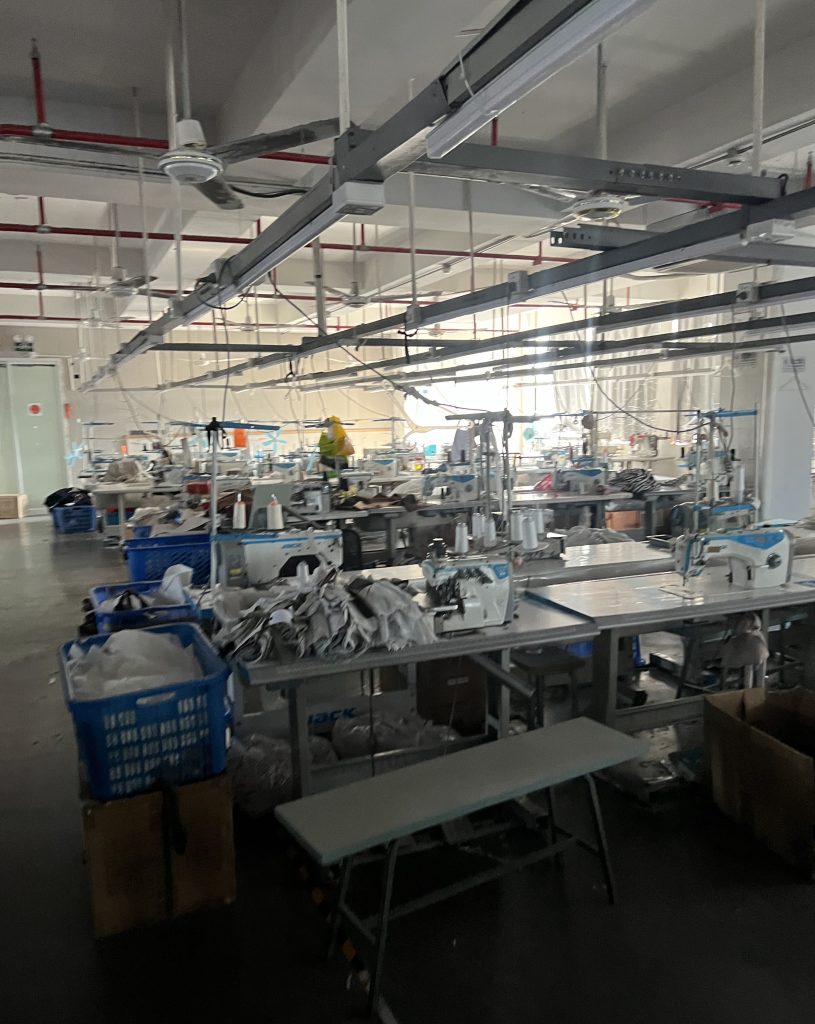
🪡 Garment Sewing and Assembly
Sewing is the stage where fabric pieces are assembled into finished garments.
Professional sewing techniques ensure:
🪡 strong seams
👕 proper garment structure
🧵 durable stitching
📏 consistent quality
Skilled sewing operations are essential for producing long-lasting clothing.
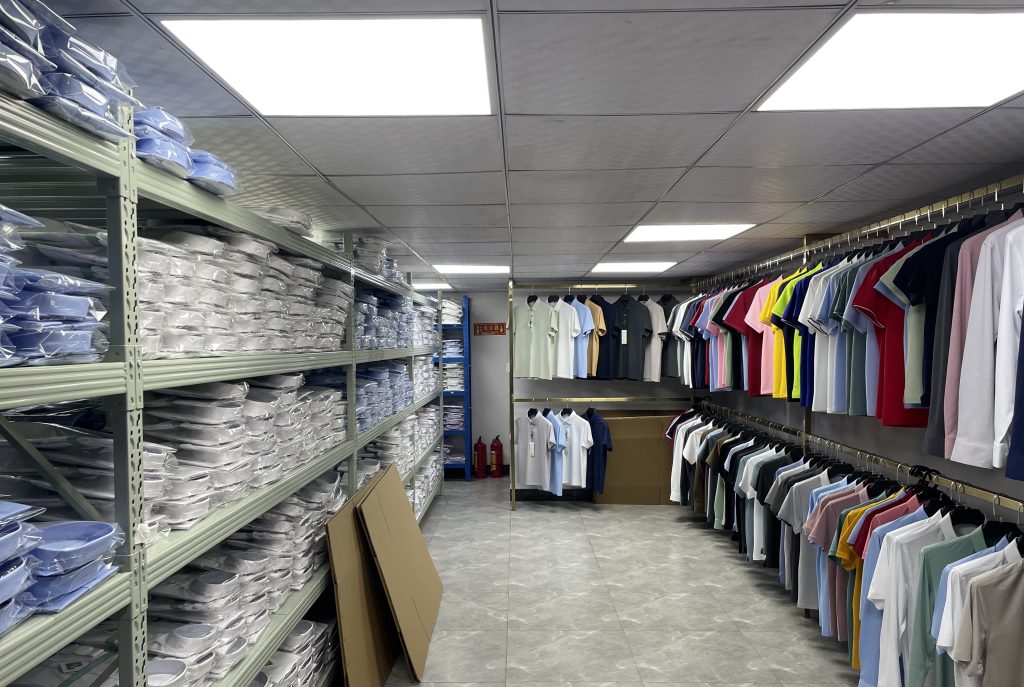
🧼 Finishing and Quality Inspection
Before garments are packaged, they undergo final finishing processes.
These steps may include:
🧼 cleaning and pressing
🔍 quality inspection
🏷 label attachment
📦 packaging preparation
Thorough inspection ensures garments meet required standards.
🌍 Sustainable Practices in Modern Clothing Production
Sustainability has become an important priority in the global apparel industry.
Responsible clothing production focuses on reducing environmental impact while maintaining product quality.
🌱 Eco-Friendly Materials
Sustainable clothing production often uses environmentally responsible materials.
Examples include:
🌱 organic cotton
🧶 recycled fibers
🌿 natural textiles
🌍 low-impact fabrics
These materials reduce environmental impact and appeal to eco-conscious consumers.
⚡ Efficient Manufacturing Processes
Modern factories increasingly adopt efficient production systems that reduce waste.
Benefits include:
⚡ optimized energy usage
📦 reduced material waste
🌍 lower environmental impact
Efficient production improves both sustainability and cost control.
📈 How Custom Clothing Helps Build a Successful Apparel Brand
A well-planned clothing manufacturing strategy can significantly influence brand success.
Key advantages include:
🎨 distinctive product design
🏷 strong brand identity
📦 scalable production capability
🌍 global market opportunities
Custom clothing production allows brands to control product quality and build long-term customer trust.
📩 Choosing the Right Clothing Manufacturing Solution
When selecting a clothing manufacturing partner, businesses should consider several factors.
Important considerations include:
🧵 garment quality standards
📦 production capacity
🎨 design customization capability
📏 consistent sizing and fit
🌍 reliable global supply
Careful evaluation helps ensure smooth production and reliable garment supply.
❓ FAQ – Custom Clothing Manufacturing
1. What is custom clothing manufacturing?
Custom clothing manufacturing is the process of producing garments according to specific design, material, and branding requirements provided by a clothing brand or retailer.
2. Why do fashion brands use custom apparel production?
It allows brands to create unique clothing designs, maintain product quality, and establish a recognizable brand identity.
3. What types of clothing can be produced through custom manufacturing?
Manufacturers can produce casual wear, sportswear, fashion garments, uniforms, and many other apparel categories.
4. What factors influence clothing production quality?
Important factors include fabric quality, pattern accuracy, sewing techniques, and final quality inspection.
5. Can clothing manufacturing support small and large orders?
Yes. Many production systems allow both small development orders and large-scale bulk production.
6. Why is sustainability important in clothing manufacturing?
Sustainable production helps reduce environmental impact while meeting growing consumer demand for responsible fashion products.


No reply content