
📦 Professional Apparel Production for Modern Clothing Brands
Building a successful clothing brand requires more than creative designs. Brands need reliable clothing manufacturing partners capable of delivering consistent quality, scalable production capacity, and flexible customization options.👕 Custom apparel design and development
🧵 High-quality garment stitching and craftsmanship
📦 Bulk clothing manufacturing for global fashion markets
🏷 Private label clothing production
🌍 Scalable supply solutions for startups and established brandsFor fashion startups, clothing wholesalers, and retail brands, professional apparel manufacturing provides the foundation needed to grow in competitive global markets.
👕 Why Custom Clothing Manufacturing Is Growing Worldwide
The clothing industry is constantly evolving as consumers demand unique designs, higher quality garments, and more sustainable production practices. Businesses entering the fashion market today often choose custom clothing manufacturing rather than purchasing generic garments.
Custom apparel production allows brands to develop original products tailored to their market audience.
Several factors are driving the demand for customized clothing production:
🎨 demand for unique fashion designs
🧵 higher expectations for garment durability
🏷 stronger brand identity requirements
📦 increasing online clothing businesses
🌍 expanding global fashion markets
These trends encourage fashion brands to partner with clothing manufacturers capable of delivering consistent quality while maintaining flexibility for design innovation.
🧥 Understanding the Apparel Production Industry
Clothing manufacturing is a highly organized process involving design, fabric preparation, cutting, sewing, inspection, and packaging.
Each stage plays a crucial role in ensuring the final garment meets the brand’s quality expectations.
Key elements of professional apparel production include:
📏 precise pattern development
🧵 skilled sewing craftsmanship
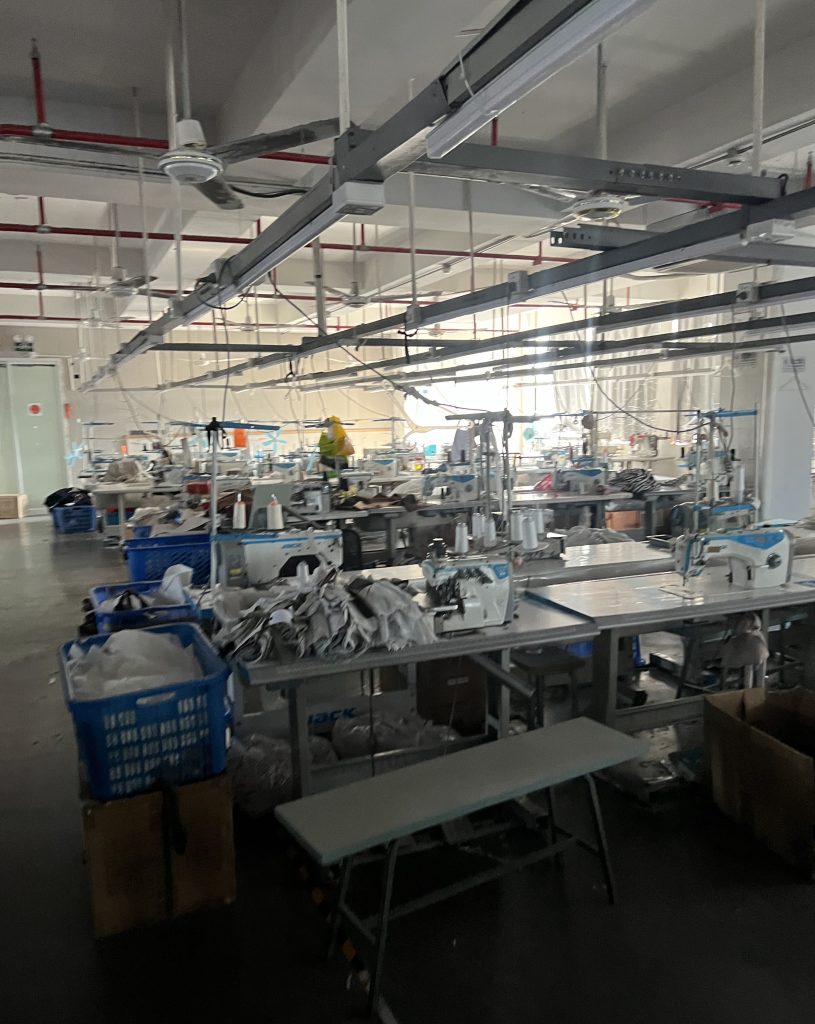
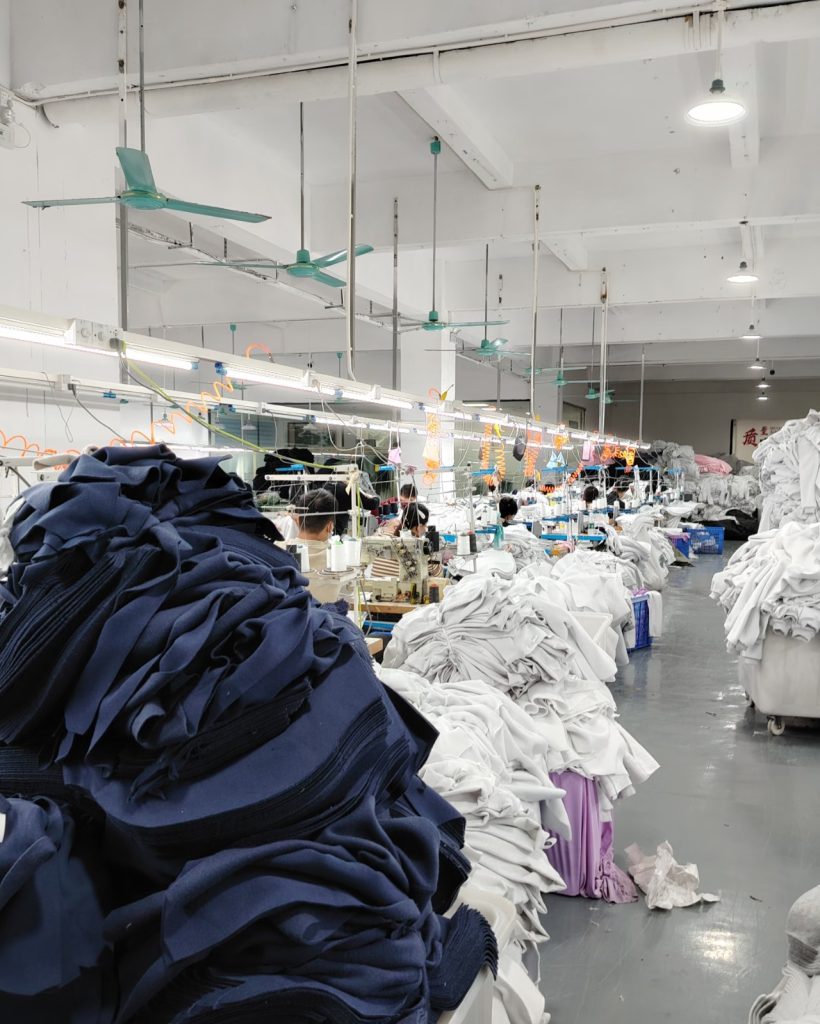
📦 organized bulk production systems
🔍 strict quality inspection standards
👕 durable garment construction
When these elements work together efficiently, clothing brands can deliver reliable products to customers across global markets.
👚 Popular Clothing Categories for Bulk Manufacturing
Clothing manufacturers typically produce a wide variety of apparel products designed for different consumer groups and market segments.
👕 Casual Clothing and Everyday Apparel
Casual clothing remains one of the largest segments in the fashion market. These garments are designed for comfort and daily wear.
Common casual apparel products include:
👕 cotton t-shirts
🧥 hoodies and sweatshirts
👖 casual pants
👚 relaxed fit tops
Casual clothing is widely sold through fashion retailers, online clothing stores, and wholesale distributors.
🏃 Sportswear and Active Lifestyle Apparel
Activewear has become increasingly popular as more people adopt fitness and wellness lifestyles.
Sportswear garments are designed to provide comfort, flexibility, and breathability.
Examples include:
🏃 training shirts
🧘 yoga clothing
🚴 cycling apparel
🏋 workout shorts
These garments often use stretch fabrics and moisture-friendly materials to enhance performance.
👗 Fashion Collection Clothing
Fashion collections focus on style, creativity, and seasonal trends. Clothing brands launch these collections to attract new customers and maintain brand identity.
Examples of fashion collection garments include:
👗 dresses
👚 designer blouses
🧥 fashion jackets
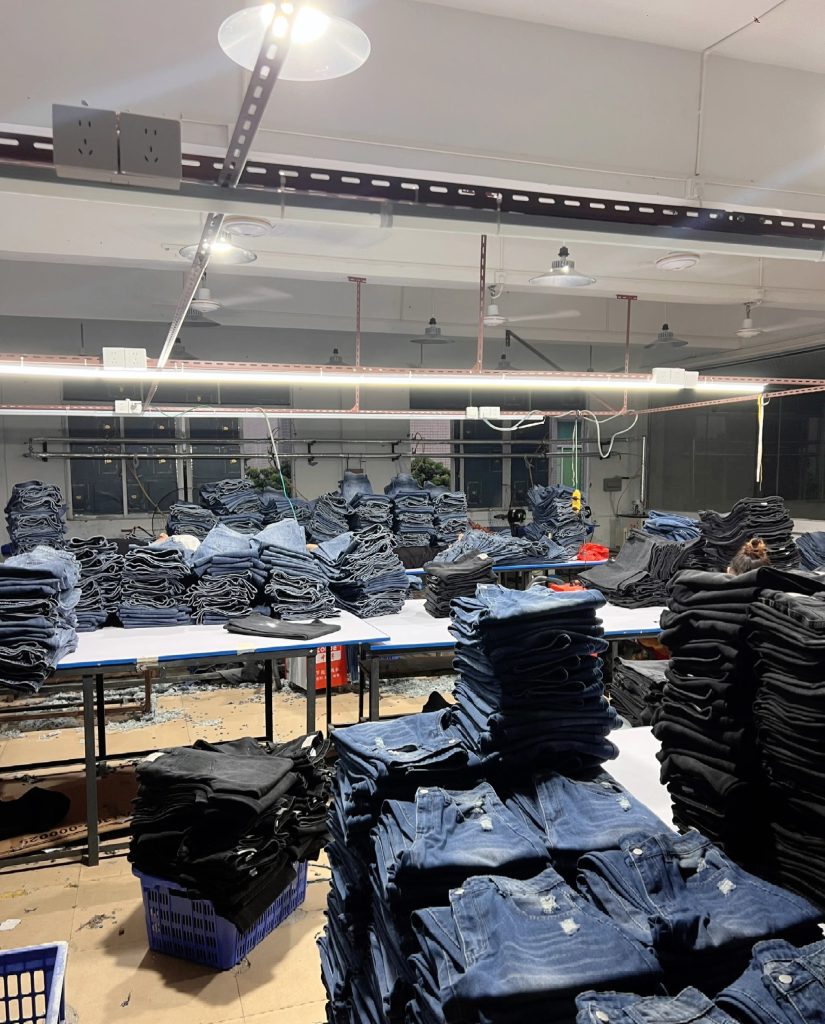
👖 premium denim
Manufacturing fashion collections requires attention to design details and garment finishing.
👶 Children’s Clothing
Children’s apparel is another important market segment. These garments prioritize comfort, safety, and durability.
Typical children’s clothing products include:
👶 baby clothing sets
🧸 toddler outfits
👕 kids everyday clothing
Soft fabrics and reinforced stitching are important features in children’s garments.
✂ The Step-by-Step Clothing Production Process
Professional clothing manufacturing follows a systematic workflow designed to transform garment concepts into finished products.
✏ Clothing Design and Concept Development
The clothing production process begins with design planning.
During this stage:
🎨 designers create garment concepts
📐 measurements and proportions are defined
👕 garment structure is planned
Clear design documentation ensures production teams understand the intended product specifications.
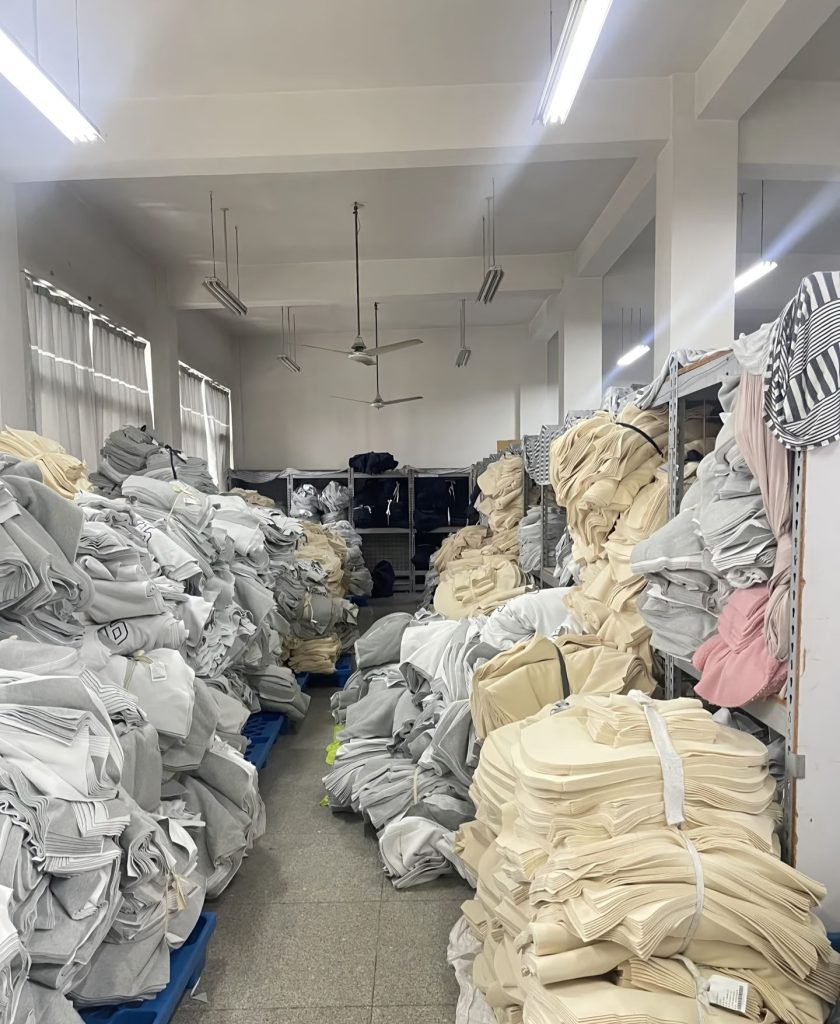
🧵 Fabric Selection and Material Preparation
Fabric plays a major role in garment quality and comfort.
Manufacturers typically work with various materials such as:
🌿 natural fibers
🧶 blended textiles
🌱 lightweight breathable fabrics
🧵 stretch materials
The correct fabric choice depends on garment purpose, climate conditions, and target market.
📏 Pattern Creation and Sample Development
Pattern making converts clothing designs into templates used for cutting fabric pieces.
Benefits of accurate pattern creation include:
📏 consistent sizing
🧵 efficient fabric usage
👕 proper garment structure
Sample garments are usually produced before large-scale manufacturing begins to verify fit and design accuracy.
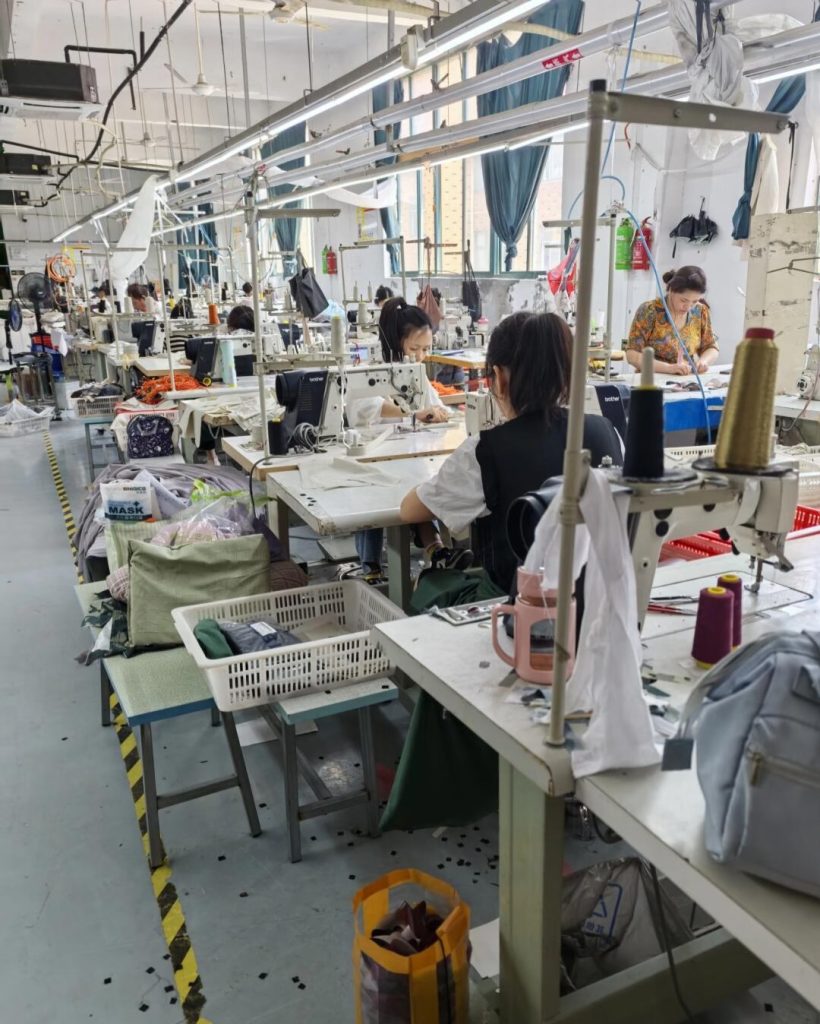
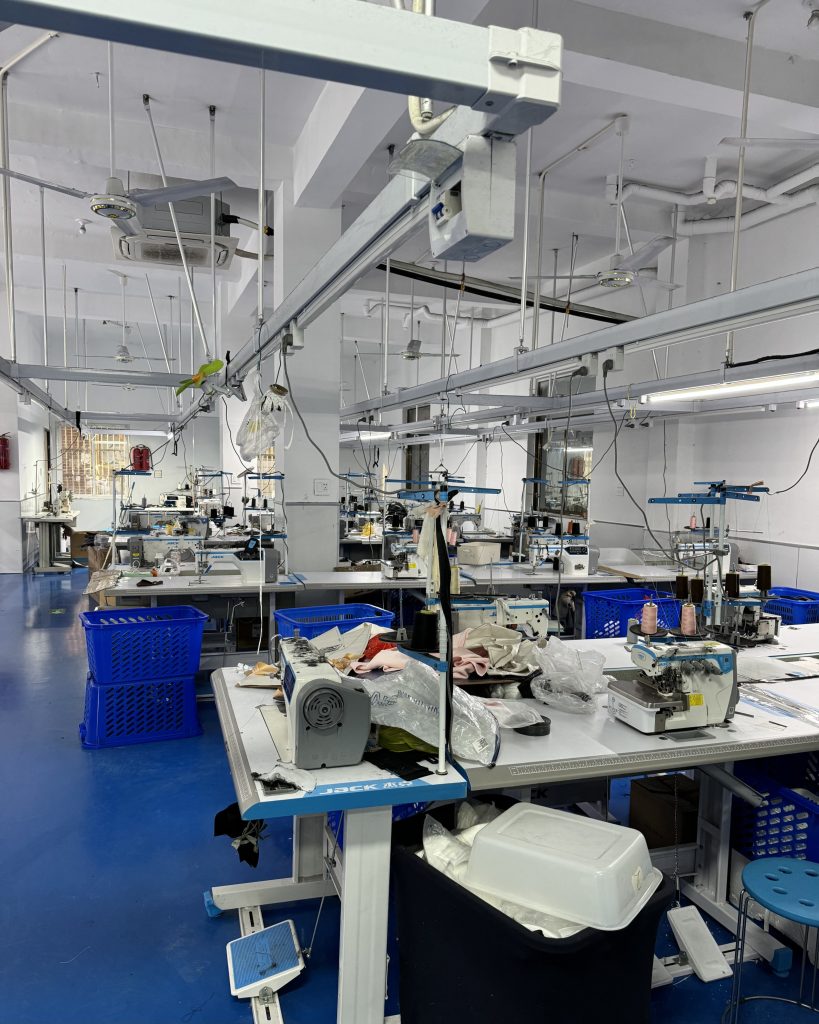
🪡 Garment Sewing and Assembly
After fabric cutting, garment components are assembled through professional sewing operations.
This stage includes:
🧵 stitching garment panels
👕 attaching collars and sleeves
🏷 adding garment labels
📦 preparing clothing for finishing
Experienced garment technicians ensure products meet durability standards.
🔍 Quality Inspection and Final Packaging
Quality control is one of the most important steps in clothing manufacturing.
Inspection teams evaluate:
✔ stitching quality
✔ correct garment measurements
✔ fabric consistency
✔ overall product appearance
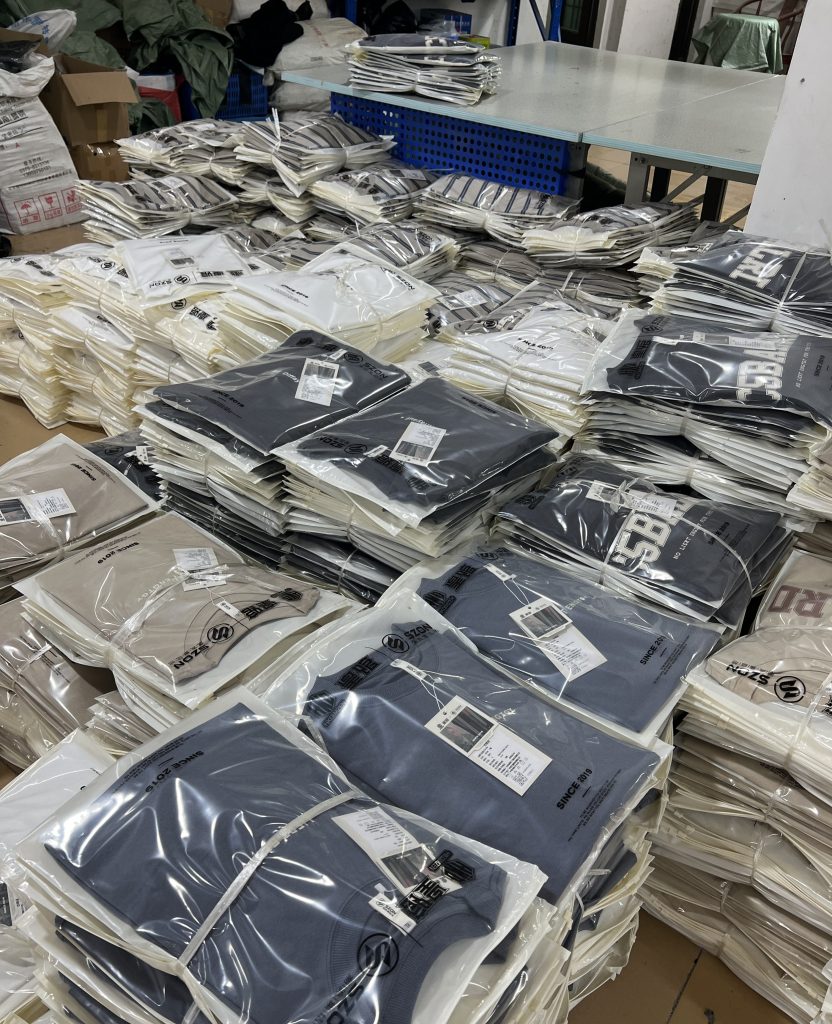
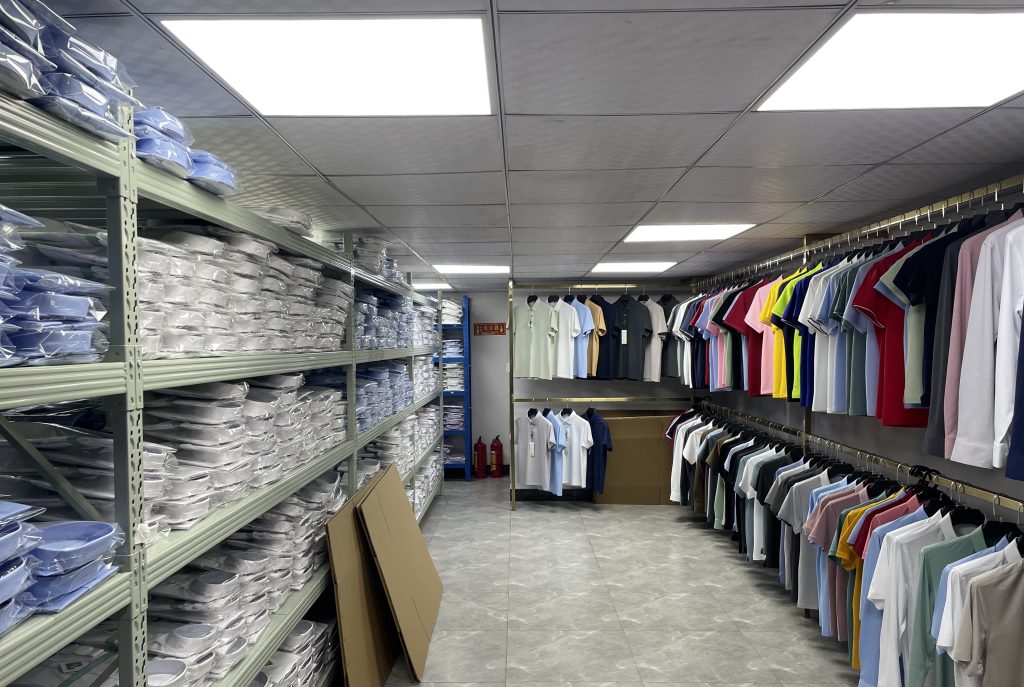
After inspection, garments are carefully folded, packaged, and prepared for shipment.
🏷 Private Label Clothing for Brand Growth
Private label clothing manufacturing enables businesses to sell garments under their own brand name.
This model is widely used by fashion startups, retailers, and clothing distributors.
Private label clothing services may include:
🏷 brand logo labels
👕 printed or embroidered branding
📦 custom clothing packaging
📏 branded size tags
These features help fashion businesses establish a unique brand identity in competitive markets.
📦 Benefits of Bulk Apparel Manufacturing
Producing clothing in bulk offers several advantages for fashion businesses.
💰 Cost Efficiency
Bulk production reduces manufacturing cost per garment.
Lower production costs allow brands to offer competitive pricing while maintaining healthy profit margins.
📈 Production Scalability
As clothing brands grow, order volumes increase.
Large-scale manufacturing ensures brands can meet rising market demand.
🚀 Faster Market Launch
Efficient production systems allow fashion brands to release new clothing collections quickly.
This flexibility helps businesses stay competitive in fast-changing fashion markets.
🌱 Sustainability in Modern Clothing Production
Consumers today are increasingly concerned about sustainability and environmental responsibility.
Clothing manufacturers are adapting production processes to reduce waste and improve efficiency.
Common sustainability practices include:
🌱 efficient material cutting
♻ reduced fabric waste
📦 responsible packaging
🧵 durable garment construction
Sustainable production practices support long-term brand reputation and consumer trust.
🌍 Opportunities in the Global Apparel Market
The apparel industry continues expanding due to global e-commerce growth and increasing fashion demand.
Clothing brands today can reach international customers through online platforms and global retail networks.
Key opportunities include:
🌍 global fashion retail
👕 niche clothing brands
📦 wholesale garment distribution
🧵 custom fashion collections
A reliable clothing manufacturing system enables brands to supply these markets efficiently.
📩 Building Long-Term Success in the Clothing Industry
Fashion brands succeed when they combine creative design with consistent product quality and dependable production.
Professional clothing manufacturing supports business growth by providing:
👕 reliable garment production
📦 scalable manufacturing capacity
🏷 strong branding opportunities
🌍 access to international markets
With the right production strategy, clothing brands can develop long-lasting customer relationships and expand globally.
❓ FAQ – Custom Clothing Manufacturing and Apparel Production
1. What is custom clothing manufacturing?
Custom clothing manufacturing is the process of producing garments based on specific designs, fabrics, and branding requirements provided by a clothing brand.
2. What types of clothing can be produced in bulk?
Manufacturers can produce many apparel categories including casual wear, sportswear, fashion collections, and children’s clothing.
3. Why do clothing brands use private label production?
Private label production allows businesses to sell garments under their own brand identity, helping them build recognition and customer loyalty.
4. What factors determine garment quality?
Important factors include fabric selection, pattern accuracy, stitching craftsmanship, and professional quality inspection.
5. How does bulk clothing manufacturing reduce costs?
Producing garments in large quantities reduces material waste, improves production efficiency, and lowers the cost per unit.
6. How can a clothing startup start manufacturing its own apparel?
A startup can begin by developing designs, selecting fabrics, creating samples, and working with a professional clothing manufacturer capable of bulk production.


No reply content