
China computer manufacturers
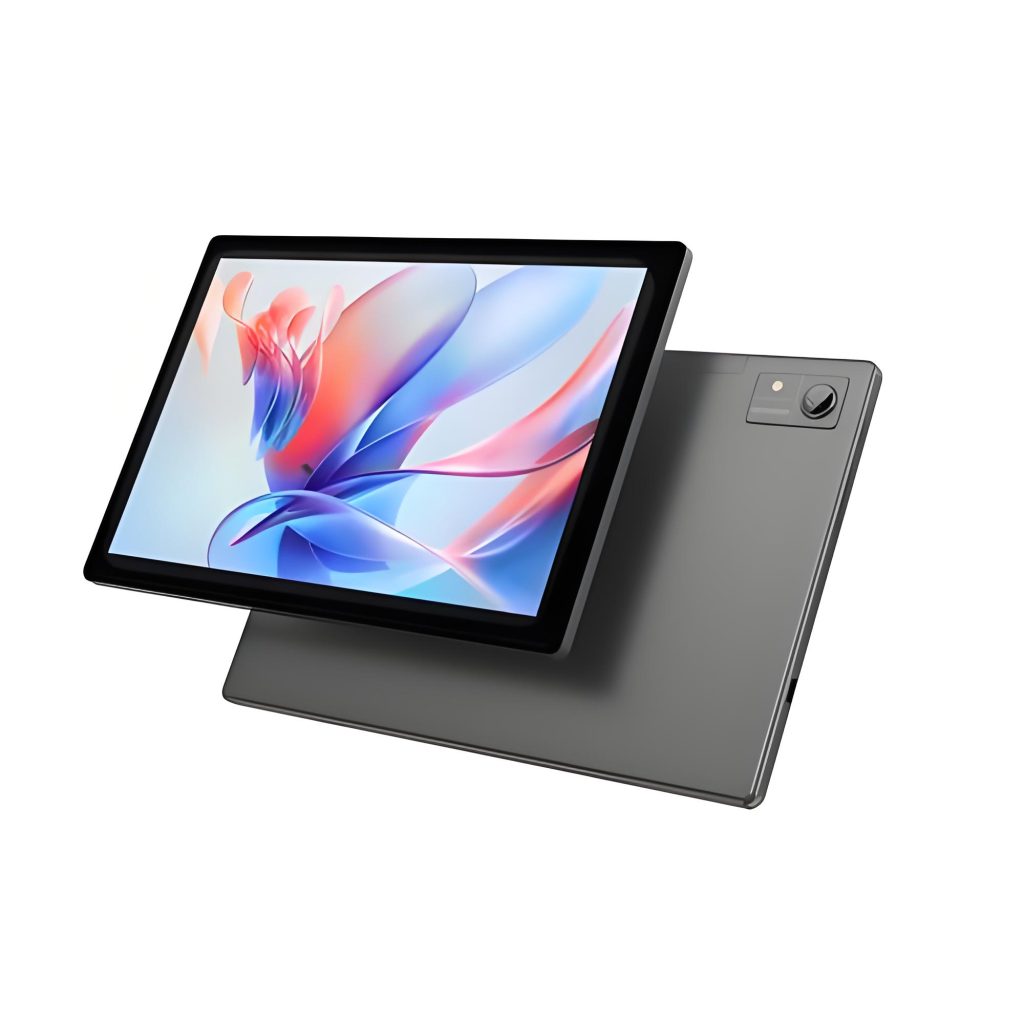

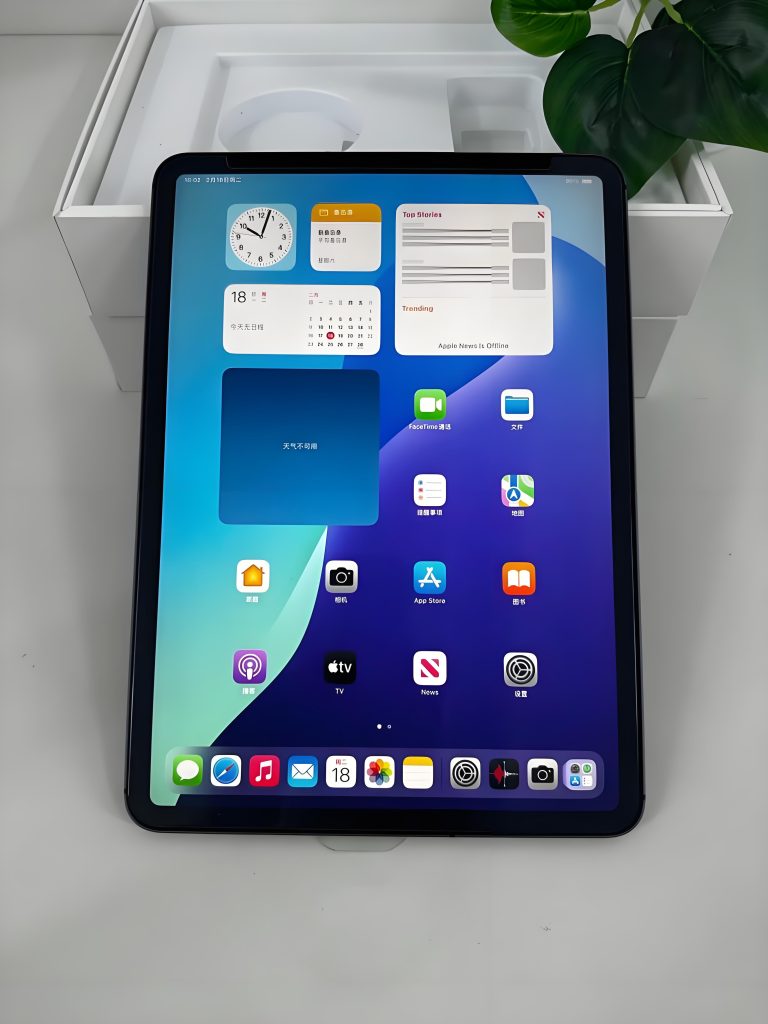
Finding a reliable tablet and laptop manufacturer is an important step for distributors, wholesalers, retailers, educational suppliers, corporate buyers, and private-label brands. Unlike simple consumer accessories, tablets and laptops involve multiple technical systems, including processors, memory, storage, displays, batteries, motherboards, operating systems, wireless connectivity, thermal management, and mechanical structures.
For B2B buyers, the right manufacturer needs to provide more than a competitive unit price. Production consistency, hardware configuration, customization capability, quality control, packaging, certifications, after-sales support, and delivery capacity all need to be considered before placing a large order.
What Is a Tablet and Laptop Manufacturer?
A tablet and laptop manufacturer develops, assembles, tests, and supplies portable computing devices for commercial or consumer applications.
Depending on its capabilities, a manufacturer may offer:
-
Android tablets
-
Windows tablets
-
Business tablets
-
Education tablets
-
Rugged tablets
-
Consumer laptops
-
Business laptops
-
Lightweight laptops
-
2-in-1 laptops
-
Entry-level notebooks
-
High-performance notebooks
-
Customized tablet computers
-
Private-label laptops
Some manufacturers focus on standard models, while others provide OEM and ODM services for companies that want products under their own brands.
Tablet and Laptop Manufacturing Is More Than Assembly
A finished computer contains many interconnected components.
A typical device may include:
-
Processor
-
Motherboard
-
RAM
-
SSD or other storage
-
Display panel
-
Touchscreen
-
Battery
-
Camera
-
Speaker
-
Microphone
-
Wi-Fi module
-
Bluetooth module
-
USB ports
-
Charging system
-
Cooling system
-
Keyboard and touchpad for laptops
-
Housing
-
Operating system
The performance of the finished device depends on how these components work together.
A manufacturer therefore needs appropriate engineering and production processes to ensure that the hardware configuration is stable and repeatable.
Tablet Manufacturing
Tablets are designed around portability and ease of use.
Important tablet specifications can include:
-
Screen size
-
Display resolution
-
Processor
-
RAM
-
Storage capacity
-
Battery capacity
-
Camera configuration
-
Wi-Fi
-
Bluetooth
-
Cellular connectivity
-
USB interface
-
Speaker configuration
-
Operating system
-
Housing material
Different customers may require completely different configurations.
For example, an educational tablet may prioritize durability, battery life, simple management, and cost efficiency, while a business tablet may require better performance, a higher-quality display, additional connectivity, and enterprise-oriented functions.
Laptop Manufacturing
Laptops normally contain more components than tablets because they need to support a larger display, keyboard, touchpad, storage, cooling system, and other hardware.
Important specifications may include:
-
Processor generation
-
RAM
-
SSD capacity
-
Screen size
-
Screen resolution
-
Display type
-
Graphics capability
-
Battery capacity
-
Keyboard layout
-
Touchpad
-
Wireless connectivity
-
USB ports
-
HDMI or other video interfaces
-
Camera
-
Operating system
-
Charger
-
Housing material
When sourcing laptops for a specific market, buyers should confirm every major configuration instead of relying only on the model name.
How Tablets and Laptops Are Manufactured
The exact production process varies according to the product design, but a typical manufacturing workflow includes several stages.
Product Engineering
Before mass production begins, engineers review the product structure and hardware configuration.
This can include:
-
Mainboard design
-
Component selection
-
Display compatibility
-
Battery configuration
-
Mechanical structure
-
Thermal management
-
Connector positioning
-
Software compatibility
-
Power management
For customized products, engineering feasibility should be evaluated before tooling and mass production.
Component Procurement
Components need to be sourced according to the approved specification.
A change in processor, memory, display, battery, storage, or wireless module can affect product performance and compatibility.
For this reason, B2B buyers should clearly define the approved component configuration.
PCB and Motherboard Assembly
The motherboard is one of the most important parts of a tablet or laptop.
Electronic components are assembled onto the PCB through automated manufacturing processes, followed by inspection and testing.
The finished board then needs to be checked for electrical and functional performance.
Display Assembly
The display is integrated with the device structure.
For tablets, touchscreen integration is particularly important.
For laptops, the manufacturer also needs to manage the display hinge, bezel, camera, cable routing, and mechanical structure.
Battery Installation
Battery systems need to be integrated with the charging and power-management system.
Important considerations include:
-
Battery capacity
-
Physical dimensions
-
Charging performance
-
Protection system
-
Compatibility
-
Safety requirements
Battery specifications should be confirmed before mass production.
Housing and Mechanical Assembly
The external housing protects the internal components and defines much of the product’s appearance.
Depending on the design, materials may include:
-
Aluminum
-
Magnesium alloy
-
ABS
-
Polycarbonate
-
Other engineering plastics
Manufacturers may use injection molding, CNC machining, stamping, extrusion, surface finishing, or other processes.
Software Installation
The operating system and required software are installed after the hardware assembly reaches the appropriate production stage.
The manufacturer may also configure:
-
Language
-
System settings
-
Drivers
-
Device applications
-
Boot logo
-
Customized software
-
Enterprise settings
For private-label products, software customization should be clearly documented.
OEM Tablet and Laptop Manufacturing
OEM manufacturing allows a buyer to order products according to specific requirements.
Possible customization areas include:
Brand Logo
The buyer can request its own logo on the device, packaging, or documentation.
Product Appearance
Customization may include:
-
Housing color
-
Surface finish
-
Logo placement
-
Decorative elements
-
Product dimensions
Hardware Configuration
Depending on the platform and manufacturer’s capabilities, buyers may specify:
-
Processor
-
RAM
-
Storage
-
Display
-
Battery
-
Camera
-
Connectivity
-
Ports
Not every component can be changed independently. Engineering compatibility needs to be confirmed before finalizing the configuration.
Packaging
Private-label packaging may include:
-
Custom cartons
-
Product boxes
-
User manuals
-
Warranty cards
-
Labels
-
Accessories
ODM Tablet and Laptop Development
ODM is useful when the buyer wants a product based on an existing platform or wants the manufacturer to help develop a new design.
The manufacturer may provide support for:
-
Product architecture
-
Hardware configuration
-
Industrial design
-
Mechanical engineering
-
Prototype development
-
Software configuration
-
Testing
-
Mass production
ODM can reduce development work for buyers who do not have their own complete engineering team.
Tablet and Laptop Quality Control
Quality control should cover both individual components and the finished device.
Important inspection areas can include:
Display Testing
Check:
-
Brightness
-
Resolution
-
Touch response
-
Dead pixels
-
Display uniformity
-
Touch accuracy
Battery Testing
Battery performance and charging functions should be tested according to the product requirements.
Keyboard and Touchpad Testing
For laptops, every key and major touchpad function should be checked.
Port Testing
USB, charging, audio, video, and other interfaces should be tested for proper operation.
Wireless Testing
Wi-Fi and Bluetooth functionality should be verified.
If cellular connectivity is included, the applicable network configuration should also be confirmed.
Camera and Audio Testing
The camera, microphone, and speakers should be tested as part of the final functional inspection.
System Testing
The operating system should boot correctly, recognize the hardware, and operate normally.
Aging and Reliability Testing
Depending on the product and order requirements, manufacturers may conduct extended operating tests to identify potential problems before shipment.
Certifications and Compliance
Tablet and laptop buyers should consider the regulatory requirements of the destination market.
Depending on the country and product configuration, requirements may cover:
-
Electrical safety
-
Electromagnetic compatibility
-
Radio communication
-
Battery transportation
-
Environmental requirements
-
Product labeling
The exact requirements vary according to the destination country and product.
Buyers should tell the manufacturer the target market before production so the applicable compliance requirements can be reviewed.
How Much Does a Tablet or Laptop Cost?
There is no universal factory price.
The cost depends on:
-
Processor
-
RAM
-
Storage
-
Display
-
Battery
-
Housing
-
Camera
-
Connectivity
-
Operating system
-
Quantity
-
Customization
-
Packaging
-
Accessories
A basic tablet and a business-class laptop can have completely different manufacturing costs.
For this reason, buyers should request quotations based on an exact configuration.
What Is the MOQ?
MOQ means Minimum Order Quantity.
The MOQ for tablets and laptops can vary depending on whether the buyer is purchasing:
-
Standard products
-
Private-label products
-
Customized hardware
-
Customized packaging
-
New product designs
Standard models may be easier to purchase in smaller quantities, while highly customized products may require a larger order because of tooling, component procurement, packaging, and production setup costs.
Always confirm MOQ before approving the quotation.
What Should Be Included in a Laptop or Tablet RFQ?
A detailed RFQ helps manufacturers understand exactly what you need.
Provide:
-
Product type
-
Screen size
-
Processor
-
RAM
-
Storage
-
Operating system
-
Battery capacity
-
Camera
-
Wireless connectivity
-
Ports
-
Keyboard layout
-
Housing material
-
Color
-
Logo requirements
-
Packaging
-
Accessories
-
Quantity
-
Target market
-
Delivery destination
If you already have a reference product, technical specification, drawing, or sample, include it with the inquiry.
How to Choose a Reliable Manufacturer
Price is important, but it should not be the only factor.
Manufacturing Capability
Confirm whether the company has actual production and assembly capabilities or mainly operates as a trading intermediary.
Engineering Capability
For customized products, engineering support is critical.
A capable manufacturer should be able to identify compatibility issues before mass production.
Component Stability
Computer products depend on many electronic components. Stable component sourcing can help reduce unexpected configuration changes.
Quality Control
Ask about incoming inspection, assembly inspection, functional testing, aging tests, and final inspection.
Sample Quality
A production sample allows the buyer to verify the actual configuration before placing a larger order.
After-Sales Support
B2B buyers should understand the warranty policy, defective-unit process, spare-parts availability, and technical support before signing the order.
Common Mistakes When Buying Tablets and Laptops
Focusing Only on CPU
Processor performance is important, but it is only one part of the complete device.
RAM, storage, cooling, display, battery, and software configuration can also affect the user experience.
Not Confirming the Exact Configuration
A quotation may say “8GB RAM + 256GB SSD,” but the buyer should also confirm the processor, display, battery, wireless module, ports, operating system, and other important specifications.
Changing Components Too Late
Last-minute component changes can create compatibility and production problems.
Ignoring Packaging
Electronic products need packaging designed to reduce damage during transportation.
Ordering Too Much Before Testing
For a new manufacturer, a sample or trial order can reduce purchasing risk.
Direct Manufacturer vs Trading Supplier
Both models can be suitable depending on the buyer’s needs.
Factor |
Direct Manufacturer |
Trading Supplier |
|---|---|---|
Factory communication |
Direct |
May be indirect |
Customization |
Usually stronger |
Depends on factory |
Product development |
Usually available |
Depends on supplier |
Product range |
May be more focused |
Often broader |
MOQ |
Varies |
Varies |
Technical support |
Often direct |
May require coordination |
Price structure |
Factory-based |
May include intermediary margin |


No reply content