
China Custom Clothing Manufacturer
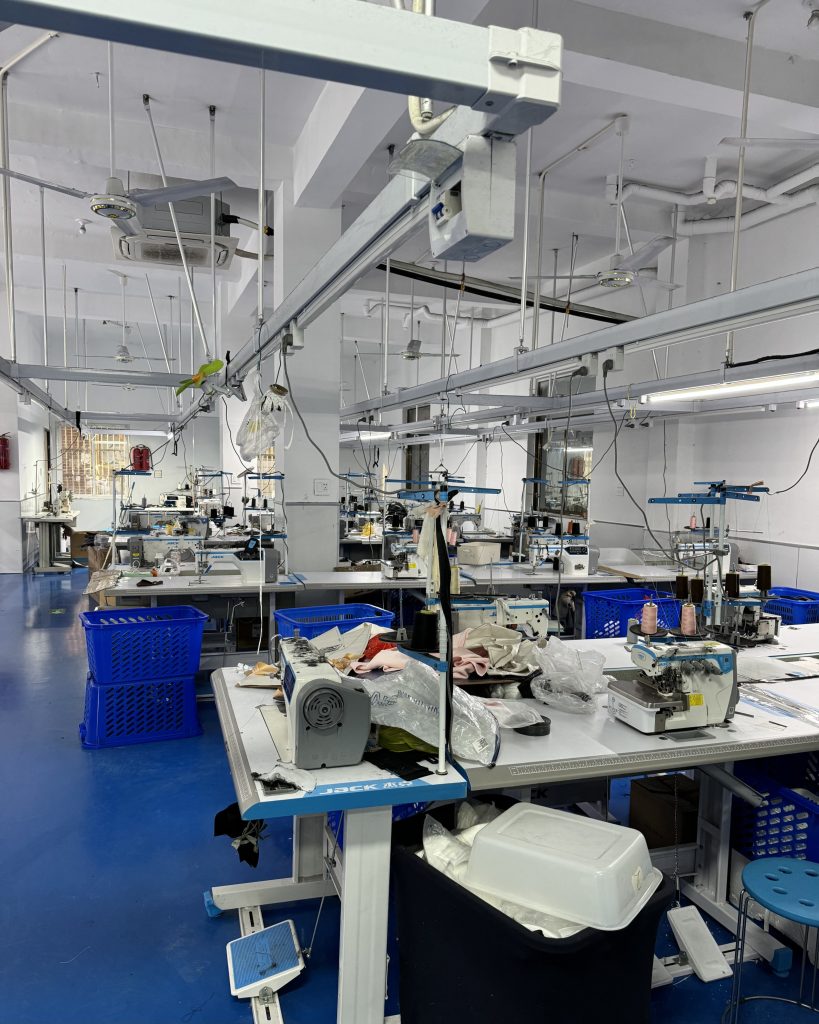
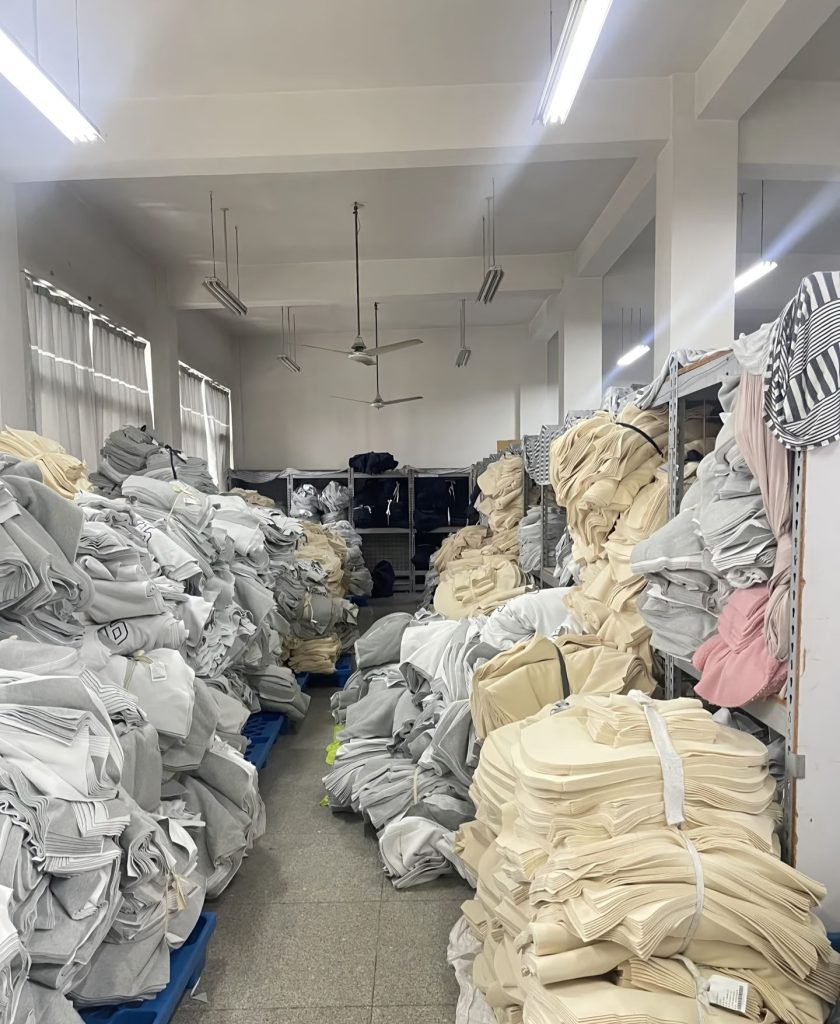
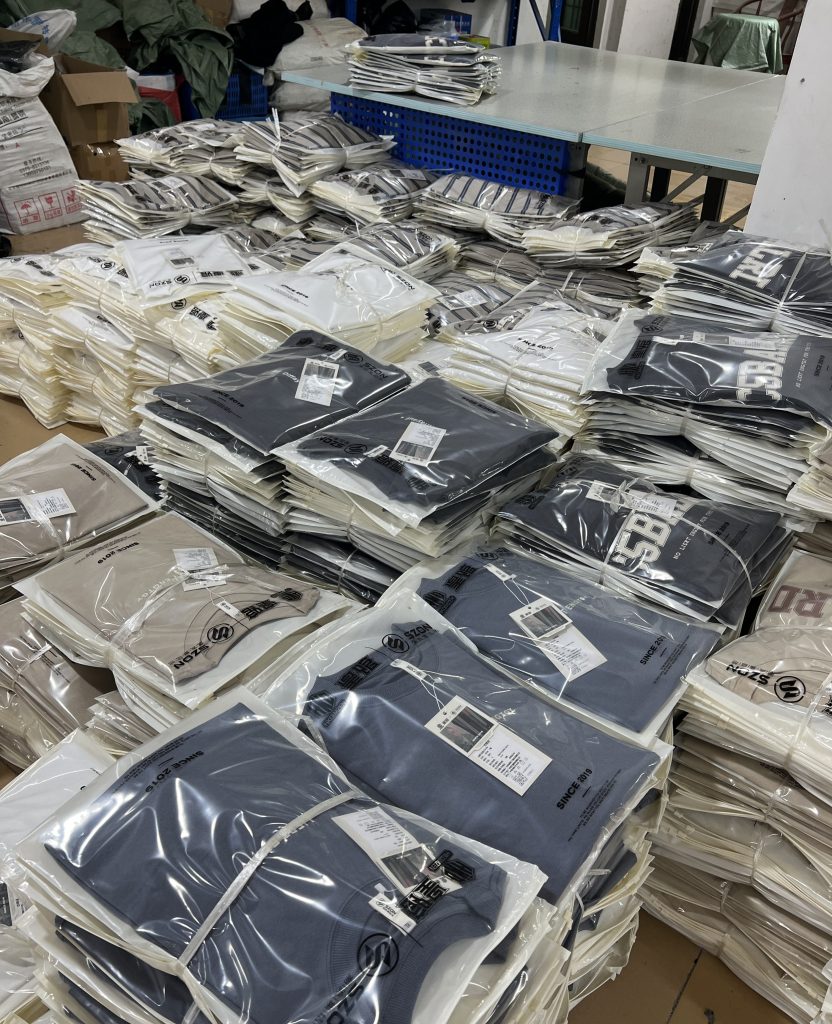
In the competitive world of private label apparel, the difference between a best-seller and a return nightmare often lies in the unseen details. While the market is flooded with cheap commodities, brands that prioritize fabric integrity and construction precision command higher margins and foster customer loyalty.
Whether you are a startup streetwear brand or an established wholesaler, here is the technical breakdown of what makes a men’s t-shirt truly “premium.”
1. Fiber Selection: The Long-Staple Advantage
Not all cotton is created equal. The length of the fiber (staple) determines the smoothness and durability of the yarn.
-
Supima® & Egyptian Cotton: These extra-long staple (ELS) fibers create yarns that are stronger, softer, and resistant to pilling. They allow for higher thread counts without sacrificing breathability.
-
Combed vs. Carded: We use combed cotton, which removes short fibers and impurities. This results in a smoother, more lustrous fabric compared to the rougher texture of carded open-end yarn.
2. Weight & Knit Structure: The “Hand Feel”
The weight of the fabric (measured in GSM – Grams per Square Meter) defines the garment’s drape and perceived value.
-
Mid-Weight Excellence (180-200 GSM): While 150 GSM feels too flimsy for premium brands, 220 GSM can feel too heavy for hot climates. We optimize for 180-200 GSM, providing the perfect balance of opacity and breathability.
-
Lyocell/Modal Blends: For a silk-like touch, we blend cotton with Tencel™ Lyocell. This not only enhances moisture management but also adds a “cool-to-touch” sensation that modern consumers crave.
3. Construction: The 3-Needle Coverstitch
A premium t-shirt is defined by how it holds together under stress.
-
Side Seams vs. Tubular: Premium tees are cut and sewn with side seams. This allows for a tailored fit (tapered waist) rather than the boxy, twisting nature of tubular knit shirts.
-
Reinforced Shoulders: We utilize 3-needle coverstitching on the shoulders and sleeves. This industrial-strength stitching prevents the “drooping shoulder” look after multiple washes.
4. Sustainability & Compliance: The GRS & OEKO-TEX® Factor
Modern brands cannot afford to ignore their environmental footprint.
-
Global Recycled Standard (GRS): We offer lines made from recycled polyester and organic cotton, complete with transaction certificates for full supply chain transparency.
-
OEKO-TEX® Standard 100: Every batch is tested to ensure zero harmful substances (AZO dyes, formaldehyde). This is no longer a luxury; it is a requirement for entry into the EU and US markets.
Comparison: Commodity vs. Premium Sourcing
Feature |
Standard Wholesale Tee |
Premium Brand-Quality Tee (Our Focus) |
|---|---|---|
Yarn Type |
Carded Open-End (Rough) |
Combed Ring-Spun (Soft & Strong) |
Collar |
Single-needle, curls easily |
1×1 Rib with Neck Tape & Shoulder Tape |
Fit |
Tubular (Boxy) |
Side-Seamed (Tailored Fit) |
Shrinkage |
5-8% shrinkage rate |
Pre-shrunk (< 3% shrinkage) |
Certification |
None |
OEKO-TEX® / GRS / WRAP Certified |
Conclusion: What to Ask Your Supplier
When developing your next collection, move beyond “Can I get it cheaper?” Ask these technical questions:
-
“What is the yarn count (Ne) and the staple length of your cotton?”
-
“Do you use side-seam construction or tubular knit for your premium line?”
-
“Can you provide the OEKO-TEX® certificate for the dyed fabrics?”
-
“What is your wash-test protocol to ensure colorfastness and shrinkage control?”


No reply content