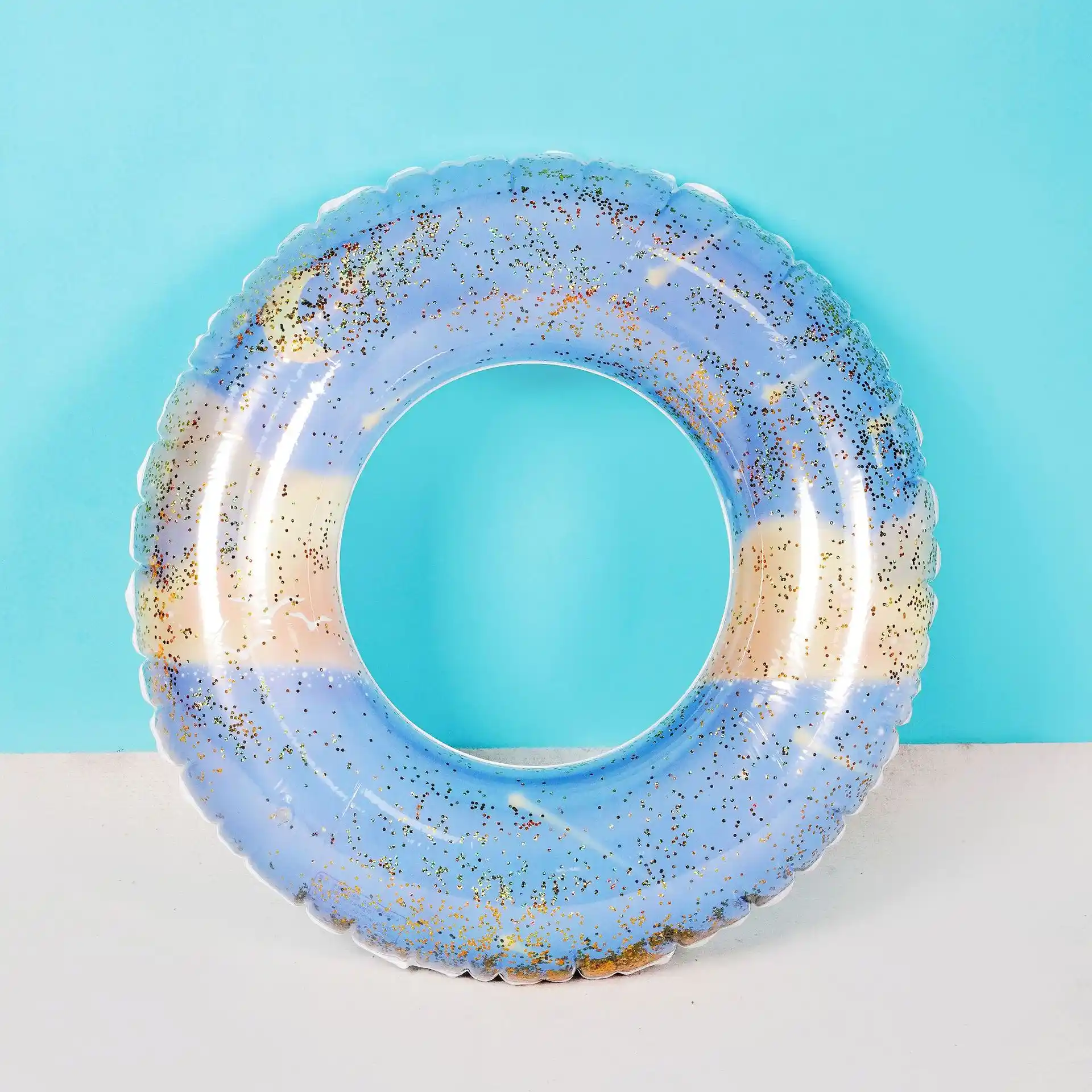
China swim ring OEM customization
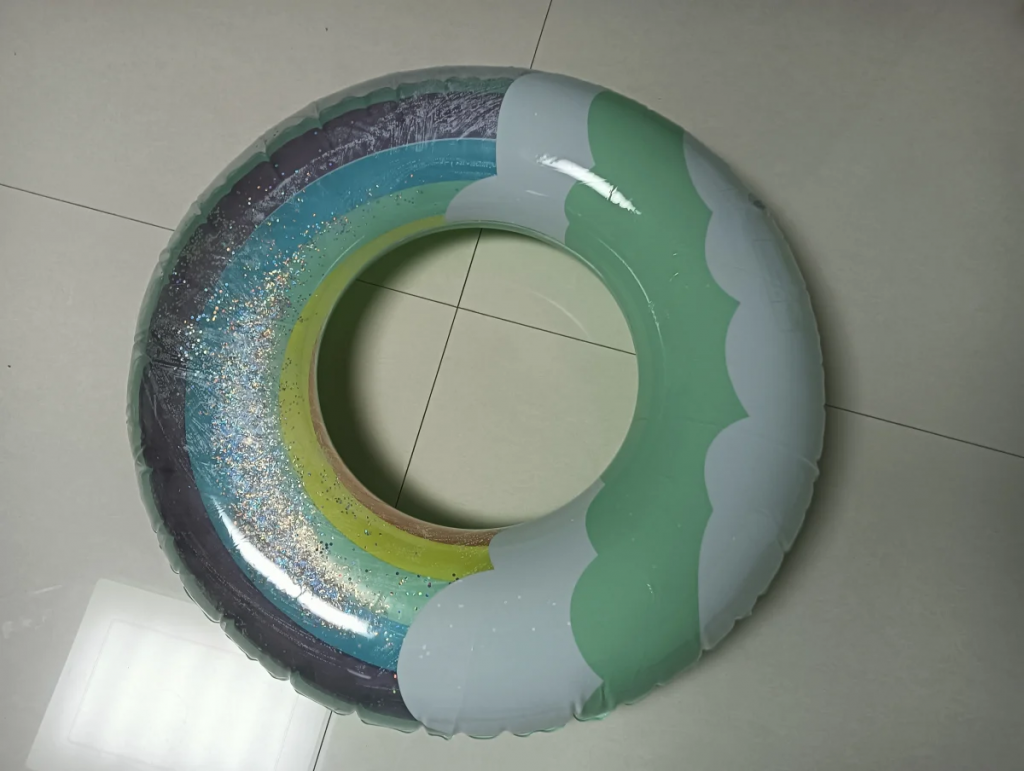
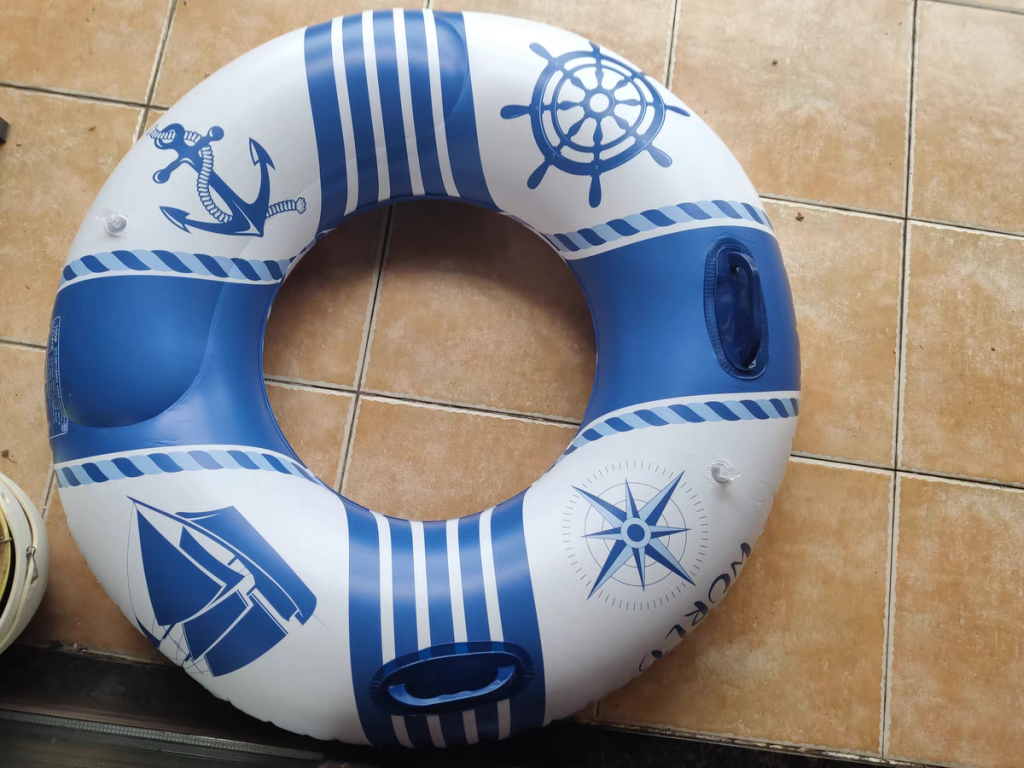
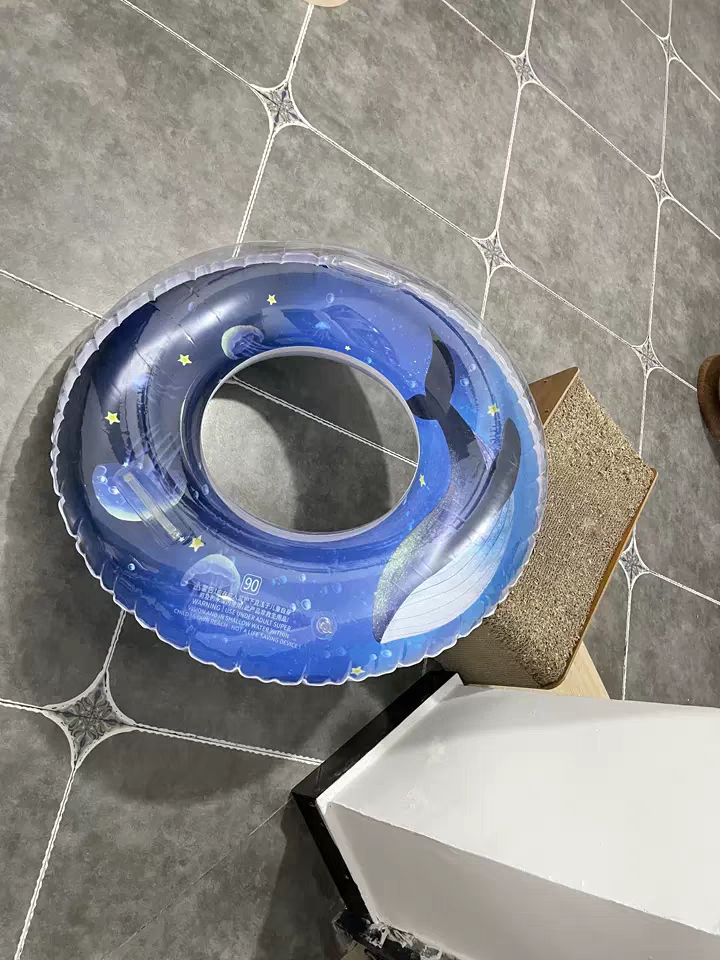
To write a truly original and professional analysis of Chinese swimming ring exporters, we must move beyond generic trade data and into the operational realities of the manufacturing base. This article addresses the core problems faced by serious importers: material degradation, regulatory misalignment, and the gap between sales promises and factory execution.
The term “swimming ring” (游泳圈 – yóuyǒng quān) is a linguistic trap. In the West, it implies a lifesaving device. In the Chinese export context, it refers to a non-life-saving recreational inflatable. Understanding this distinction is the first step in solving the liability and compliance issues that plague this industry.
1. The Material Science Problem: PVC Formulations
The primary technical challenge with Chinese exporters is not the welding (heat sealing), but the plasticizer formulation of the PVC (Polyvinyl Chloride) film.
-
The Issue: Low-cost suppliers use recycled PVC or high-phthalate plasticizers to cut costs. This leads to “plastic odor,” oil exudation (plasticizer migration), and premature cracking in cold storage.
-
Professional Solution: A professional exporter will offer specific formulations based on your target market:
-
For the US Market: They must provide documentation for CPSIA Section 108 compliance, specifically DEHP, DBP, and BBP restrictions.
-
For the EU Market: Compliance with REACH Annex XVII regarding phthalates (DEHP, DBP, BBP, DIBP) and EN 71-3 migration limits.
-
-
Verification: Do not accept a “Certificate of Conformity” alone. Request the FTIR (Fourier-transform infrared spectroscopy) test reports from a lab like SGS or Intertek that match the specific batch of resin used in production. A real factory has a raw material retention room; a trading company does not.
2. The Welding Technology: High-Frequency vs. Hot Air
Most buyers overlook the welding process, which is the root cause of air leakage.
-
High-Frequency (HF) Welding: Used for standard PVC. The key metric is weld width (typically 8mm-12mm). Cheap exporters use lower power settings to save electricity, resulting in weak seams.
-
Hot Air Welding: Required for TPU (Thermoplastic Polyurethane) products. If a supplier claims to make “eco-friendly TPU” but uses HF welding, the material will delaminate because TPU requires precise temperature control only achievable via hot air or impulse welding.
-
The “Leak Test” Protocol: Professional exporters implement a 24-hour inflation test before packaging. The factory floor should have designated “aging areas” where finished goods are kept inflated for 24 hours to catch micro-leaks caused by valve stress or seam imperfections.
3. Regulatory Positioning: The GPSR and Warning Labels
With the implementation of the EU’s General Product Safety Regulation (GPSR) and the US Safe Sleep Act, the labeling requirements have become stricter.
-
The “Not a Life Saving Device” Paradox: Many Chinese exporters still use outdated molds with “CE” marks. Under current GPSR rules, the CE mark on a recreational float must be accompanied by an EC Declaration of Conformity referencing the correct Toy Safety Directive (2009/48/EC) if intended for children under 14.
-
Solution: A professional exporter will update their silk-screen printing plates to include the manufacturer’s name, address, and a batch number (traceability requirement). They will advise you to remove any wording that suggests buoyancy aids for non-swimmers unless the product is certified as a Personal Flotation Device (PFD) under SOLAS or ISO 12402.
4. The Valves: The Weakest Link
The most common defect in exported swimming rings is valve failure.
-
Types: The standard “Boston Valve” or “Push-Pull Valve.”
-
Problem: Low-end exporters use PP (Polypropylene) valves with poor thread engagement. During shipping container transit (high heat and vibration), these can loosen.
-
Technical Fix: Insist on valves with anti-leak washers and a secondary locking mechanism. A professional supplier will provide a “valve pull test” report showing the valve withstands a force of 90N without tearing the PVC patch.
5. Logistics and Packaging Optimization
A common user problem is high shipping costs relative to product value.
-
Deflated Volume: Professional exporters design products with “nested” packing. For example, a 36-inch ring should be packed in a way that minimizes “dead air” space in the carton.
-
Polybag Warnings: The ASTM F963 and EN 71-1 standards require suffocation warnings on polybags with an opening perimeter > 14 inches. Many Chinese factories forget to print this on the bag itself, leading to customs holds. A professional exporter manages this proactively.
6. How to Vet a Real Manufacturer vs. a Trading Desk
To solve the problem of reliability, use this internal checklist when communicating with potential partners:
Feature |
Trading Company (Risk) |
Real Factory (Solution) |
|---|---|---|
Sample Lead Time |
7-10 days (needs to find factory) |
3-5 days (direct access to molds) |
Material Change |
Unaware if factory changes PVC grade |
Controls resin batch numbers |
Complaint Handling |
Blames factory, delays resolution |
Has QA team to re-work or compensate |
Certificates |
Generic, often expired |
Specific to product SKU and year |


No reply content