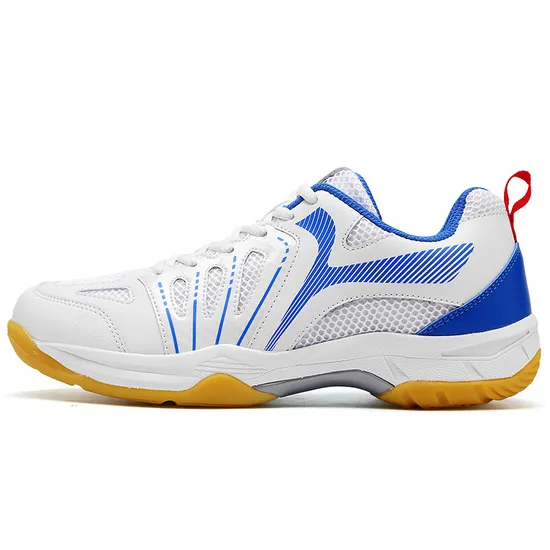

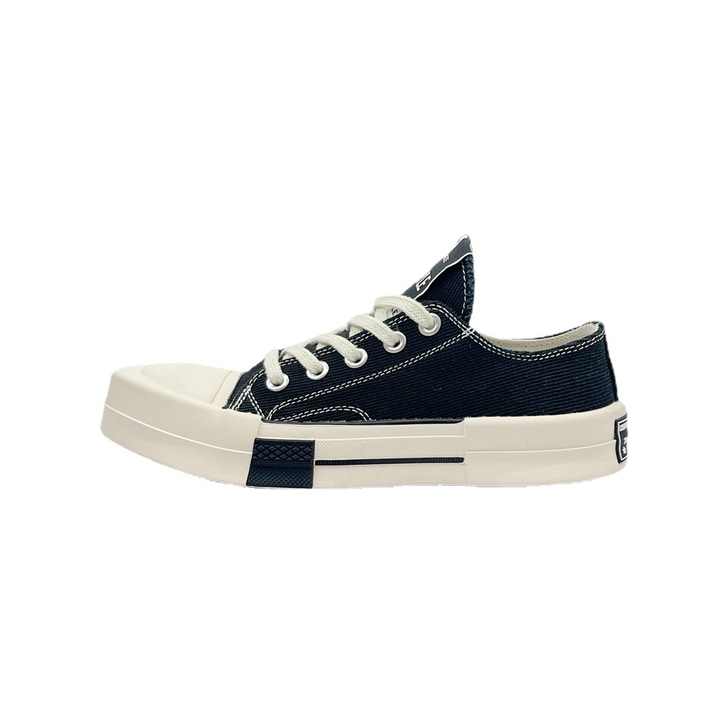

In the intricate world of footwear, the journey from a designer’s sketch to a tangible, wearable product is a complex ballet of material science, mechanical precision, and artisanal craftsmanship. For brands looking to enter or expand within the global market, selecting a custom shoe supplier in China is a pivotal decision. It is a partnership that goes beyond mere transactional manufacturing; it is a collaboration that shapes the very soul of the brand. The Chinese footwear industry is a multifaceted ecosystem, capable of producing everything from high-fashion luxury heels to performance-driven athletic sneakers. This article delves into the operational depths of this industry, exploring the nuances of material sourcing, the rigor of the lasts and patterns, the diversity of construction methods, and the stringent quality control that defines a world-class supplier.
-
Uppers: This includes full-grain leather, corrected grain, nubuck, suede, and exotic skins like python or ostrich. Synthetic alternatives, such as microfiber leather and advanced knit fabrics, are also integral for performance and vegan markets.
-
Linings: Beyond aesthetics, linings must manage moisture and friction. Options range from breathable mesh and leather to soft pigskin.
-
Outsoles: The point of contact with the ground. Rubber compounds (TPR, PVC, EVA, PU) are selected based on required traction, flexibility, and abrasion resistance.
-
Components: Eyelets, laces, zippers, buckles, and insoles (EVA foam, memory foam, Ortholite) complete the material matrix.
-
Cemented Construction: The most common method for casual and fashion shoes. The upper is permanently bonded to the sole with industrial adhesives. It is cost-effective and lightweight but generally not resoleable.
-
Goodyear Welted: The pinnacle of traditional shoemaking. A strip of leather (“welt”) is stitched to the upper and insole, and the outsole is then stitched to the welt. This creates a durable, waterproof shoe that can be resoled multiple times.
-
Blake Stitch (Rapid): The outsole is directly stitched to the insole and upper. This results in a sleeker, more flexible shoe with a slimmer profile than a welted shoe.
-
Injection Molding: Molten plastic is injected directly into a mold around the upper. Common for sports sandals and rain boots, offering excellent water resistance.
-
Incoming Quality Control (IQC): Inspection of raw materials upon arrival.
-
In-Process Quality Control (IPQC): Monitoring during cutting, stitching, and lasting. This includes checking the symmetry of pairs, the security of the bond, and the cleanliness of the stitching.
-
Final Quality Control (FQC): A comprehensive examination of the finished shoe. Inspectors check for cosmetic defects, sole adhesion strength (pull tests), and overall comfort.
-
Random Sampling: Adherence to AQL (Acceptable Quality Limit) standards to ensure statistical reliability before shipment.
-
Chemical Management: Implementing restricted substance lists (RSL) and using water-based adhesives to reduce VOC emissions.
-
Water and Energy Conservation: Upgrading tanneries and factories with closed-loop water systems and solar power.
-
Labor Standards: Ensuring fair wages, safe working conditions, and reasonable working hours, often verified by third-party audits like BSCI or SEDEX.
-
Concept & Last: The brand wants a sleek, sock-like fit. The supplier modifies a slender last and develops a simple, clean-lined pattern.
-
Material Selection: The brand chooses full-grain calfskin for the upper and a lightweight EVA/rubber cupsole for comfort.
-
Prototyping: A 3D-printed prototype is created for fit testing. Adjustments are made to the toe spring and heel counter stiffness.
-
Production: The leather is cut via laser. The uppers are stitched with tonal thread. The soles are cemented using high-frequency welding for a seamless bond.
-
Finishing: Shoes are cleaned, laced, and paired with custom-designed tissue paper and dust bags.
| Topic | Engineering Comfort and Style: The Custom Footwear Supply Chain |
|---|---|
| Focus | A comprehensive look into the technical processes, material science, and ethical considerations involved in custom shoe manufacturing in China. |
| Key Themes | Last development, construction methods (Goodyear, Cemented, Blake), material sourcing, quality control protocols, sustainability, and supply chain logistics. |
| Target Audience | Footwear designers, startup founders, brand managers, and procurement officers seeking a deep understanding of the manufacturing landscape. |
| Objective | To equip readers with the knowledge to vet potential partners effectively and establish a production process that ensures quality, consistency, and ethical compliance. |


No reply content