
Dongguan PremiumGift BoxPackaging
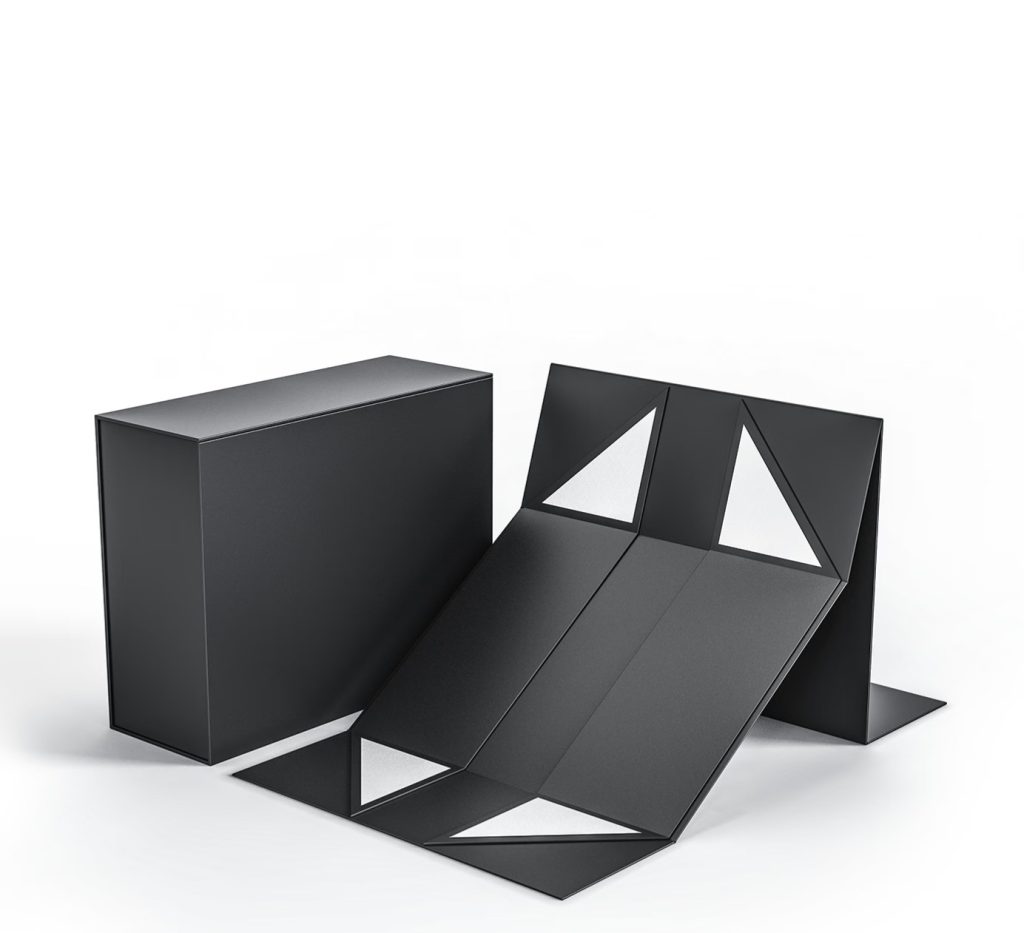
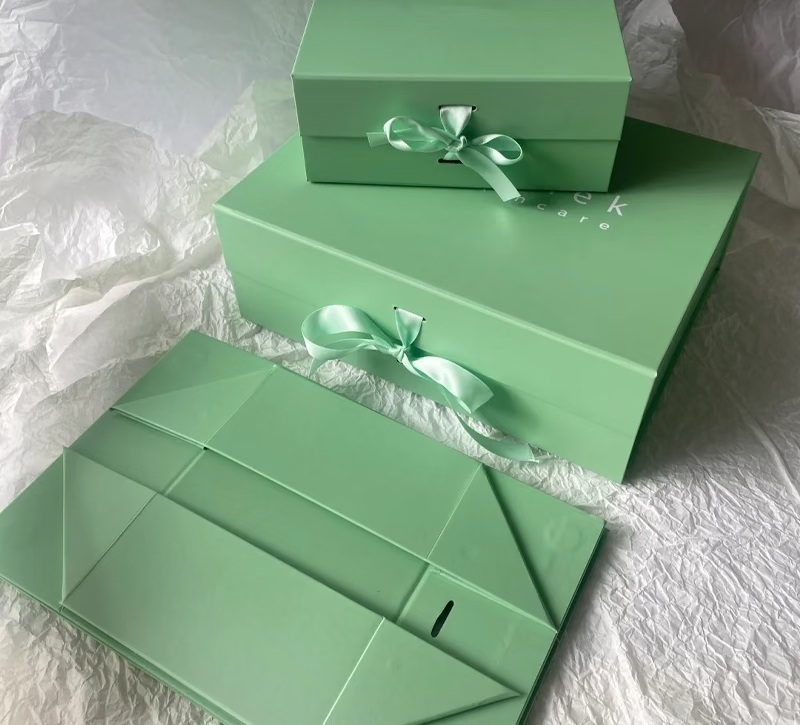

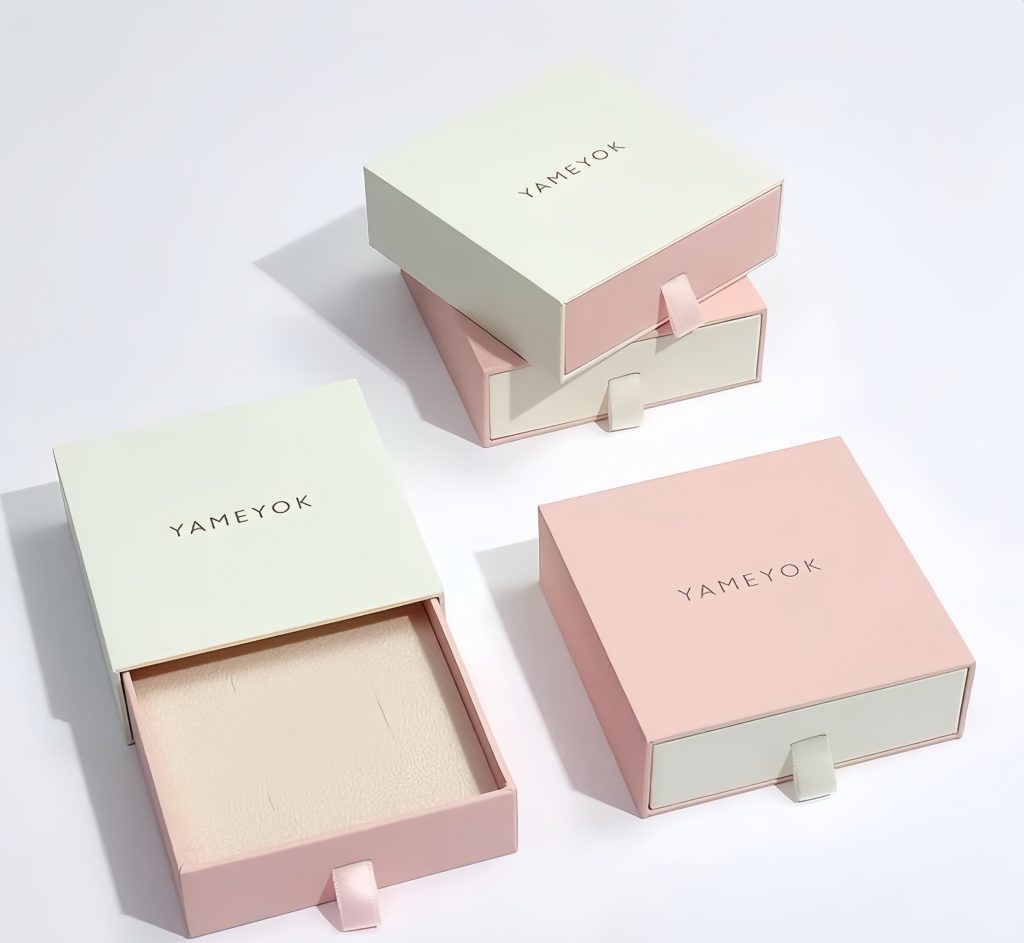
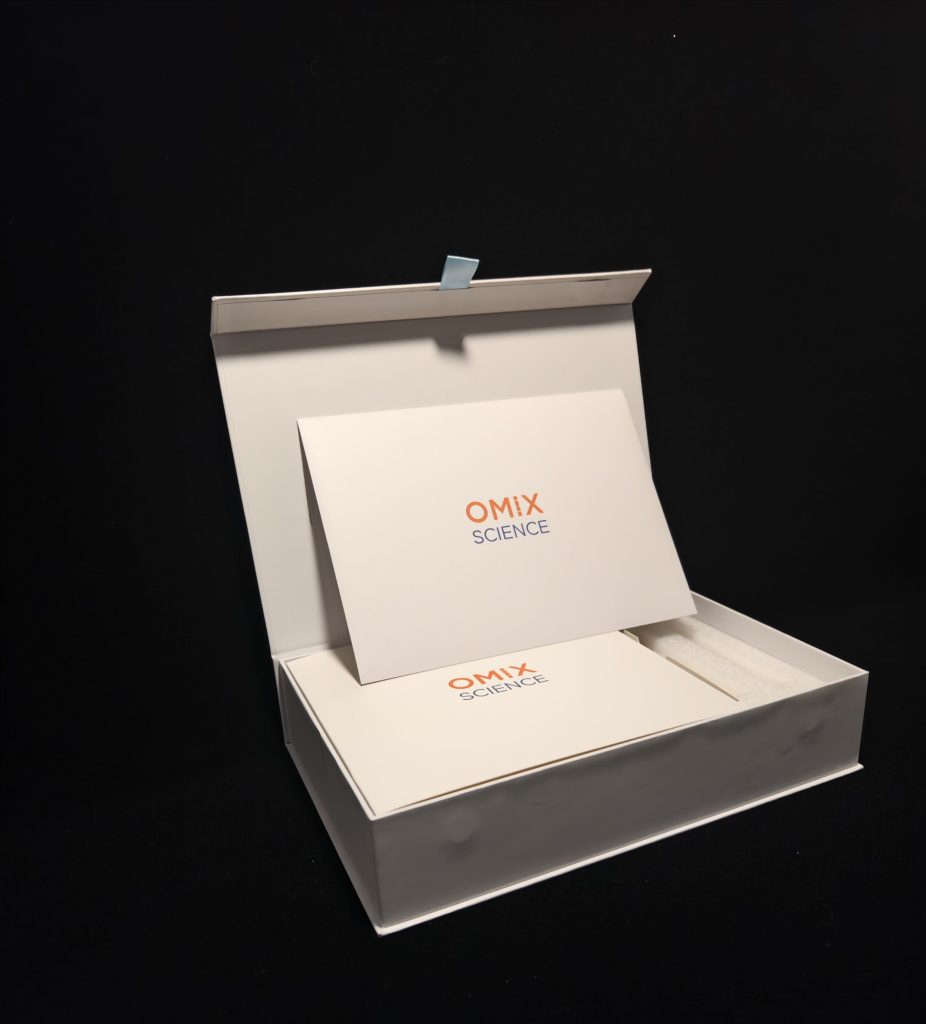

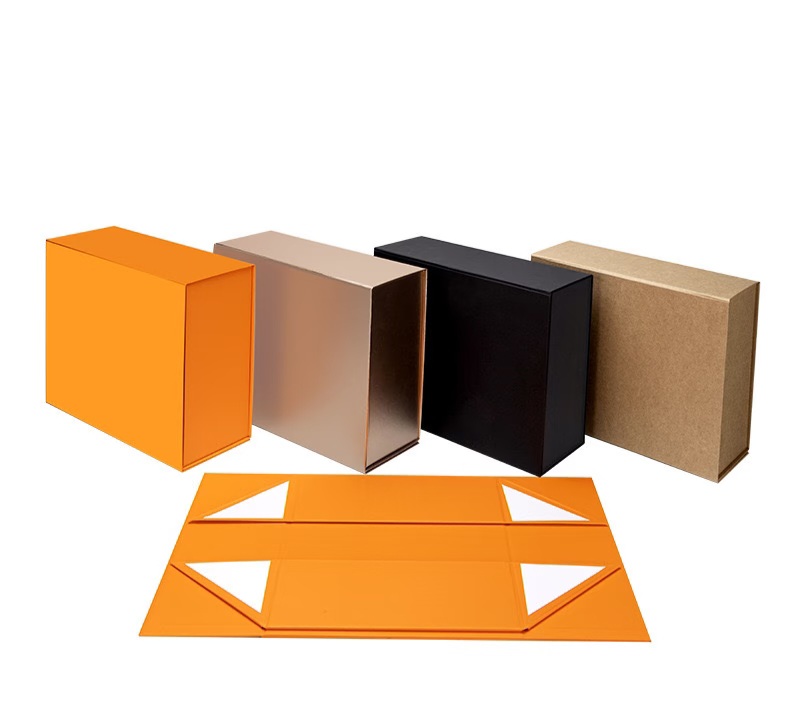
In a sun-drenched workshop in Zhejiang province, a craftsman runs his palm over a newly molded box. The surface feels like warm stone—smooth yet organic, with subtle grain patterns unique to each piece. This is no ordinary packaging. Made from bamboo fiber, it represents a quiet rebellion against the 300 million tons of plastic packaging produced globally each year. As consumers increasingly vote with their wallets for planet-friendly choices, the eco-friendly bamboo fiber gift box has emerged as a beacon of sustainable innovation—a vessel that carries not just products, but a new philosophy of consumption.
I. The Biology of Hope: Why Bamboo is Nature’s Perfect Packaging Material
To understand bamboo’s potential, we must first appreciate its remarkable biology. Unlike timber forests that take decades to mature, bamboo is the fastest-growing plant on Earth. Certain species can grow up to 91 cm (36 inches) in a single day—equivalent to a human growing 6 feet overnight. This rapid regeneration occurs without chemical fertilizers or pesticides, as bamboo releases 35% more oxygen than equivalent tree stands while absorbing significant amounts of CO₂.
The material’s inherent strength comes from its unique cellular structure. Bamboo fibers contain both cellulose and lignin, creating a composite material stronger than many hardwoods. Laboratory tests show bamboo fiber boards can withstand pressures of 350 kg/cm²—exceeding the durability requirements for luxury packaging. Yet despite this strength, bamboo remains remarkably lightweight, reducing transportation emissions by up to 40% compared to glass or metal alternatives.
Perhaps most importantly, bamboo thrives on degraded land unsuitable for agriculture. Cultivation requires no irrigation beyond natural rainfall, and its extensive root system prevents soil erosion. In Anji County, known as China’s “Bamboo Capital,” farmers have transformed barren hillsides into thriving bamboo forests that stabilize ecosystems while providing raw materials.
II. From Shoot to Shelf: The Art of Transforming Grass into Gold
Creating packaging from bamboo is a fascinating alchemy that preserves the plant’s ecological benefits while achieving commercial viability. The process begins with harvesting mature bamboo culms (stems) at 4-5 years old—the point of optimal fiber density. Workers use specialized knives to split the culms lengthwise, exposing the fibrous inner layer.
A. The Extraction Process
The separated fibers undergo mechanical processing:
-
Crushing: Culms are fed into rollers that break down cellular walls
-
Boiling: Fibers simmer in alkaline solution to remove lignin and hemicellulose
-
Washing: Purified fibers rinse clean in mountain spring water
-
Drying: Sun-drying completes the process, locking in natural properties
This chemical-light approach contrasts sharply with conventional paper production, which consumes vast quantities of water and bleaching agents. The resulting bamboo pulp resembles fine cotton rag, ready for transformation.
B. Molding Miracles
Modern manufacturers employ several techniques to shape bamboo pulp:
-
Thermoforming: Heat and pressure fuse fibers into rigid shapes
-
3D Printing: Additive manufacturing creates intricate designs
-
Compression Molding: Hydraulic presses form uniform thickness
The final product emerges with a distinctive texture—cool to the touch yet warm in appearance. Unlike petroleum-based plastics, bamboo fiber develops a patina over time, acquiring character with use.
III. The Sensory Experience: Rediscovering Authentic Interaction
Unboxing a bamboo fiber gift box is a multisensory journey that reconnects consumers with natural materials. The experience begins with weight—substantial enough to feel premium, yet light enough for effortless handling. The surface texture invites touch, its micro-ridges creating friction that prevents slipping.
A. The Sound of Sustainability
Shaking the box produces a soft rustle rather than the hollow clatter of plastic. Opening it reveals a subtle earthy aroma reminiscent of a bamboo grove after rain—a stark contrast to the chemical smells of synthetic packaging. This olfactory signature comes from natural compounds like coumarin and benzaldehyde present in bamboo fibers.
B. Visual Poetry
Artisans celebrate bamboo’s natural aesthetics:
-
Visible Fibers: Some designs retain strands of raw fiber for textural interest
-
Growth Ring Patterns: Cross-sections reveal the plant’s vascular structure
-
Natural Color Spectrum: From pale ivory to warm tan hues
These characteristics eliminate the need for synthetic dyes, reducing environmental impact while creating authentic beauty.
IV. Performance Under Pressure: Debunking Myths About Bio-Based Materials
Skeptics often question whether plant-based packaging can match conventional materials’ performance. Rigorous testing reveals surprising strengths:
| Property | Bamboo Fiber | Plastic | Cardboard |
|---|---|---|---|
| Water Resistance | Excellent | Superior | Poor |
| Tensile Strength | 350 MPa | 50 MPa | 30 MPa |
| Decomposition | 90 days | 500 yrs | 2-5 months |
| Carbon Footprint | -0.5 kg CO₂e | +6 kg | +2 kg |
The water resistance comes from bamboo’s natural silica content, which creates a hydrophobic barrier. Special coatings derived from beeswax or plant resins enhance this property for products requiring moisture protection.
V. The Psychology of Green Choice: Why Consumers Are Paying Premiums
Market research reveals compelling motivations behind bamboo packaging adoption:
A. The Values Alignment Effect
A 2025 Nielsen study found 73% of global consumers willing to pay more for sustainable packaging. This isn’t mere altruism—it’s identity expression. Displaying a bamboo box signals environmental consciousness, functioning as a modern status symbol.
B. The Guilt-Free Indulgence
Luxury brands leverage bamboo to resolve ethical dilemmas. A cosmetics company reported 28% higher purchase intent when using bamboo compacts versus plastic ones, with customers describing the choice as “permission to splurge responsibly.”
C. The Storytelling Imperative
Each bamboo box carries an implicit narrative:
-
Origin stories from specific bamboo forests
-
Artisan profiles highlighting traditional techniques
-
Carbon savings quantified in relatable terms
These stories transform transactions into relationships, fostering brand loyalty that transcends price sensitivity.
VI. Global Applications: From Tokyo Tea Ceremonies to Milan Fashion
The versatility of bamboo fiber enables diverse applications across cultures:
A. Japanese Minimalism
Kyoto artisans craft tea caddies with sliding bamboo lids that fit seamlessly into wabi-sabi interiors. The material’s natural thermal properties maintain optimal tea temperatures.
B. European Luxury
Milanese designers incorporate bamboo into watch boxes with magnetic closures. The dark fibers provide elegant contrast against metallic accents.
C. American Pragmatism
California startups use molded bamboo for electronics packaging, replacing foam inserts with custom-fit fiber trays.
VII. The Circular Economy Blueprint: Closing the Loop
True sustainability requires end-of-life planning. Bamboo packaging pioneers are implementing circular systems:
A. Industrial Composting
Certified facilities convert used boxes into nutrient-rich soil amendments within 90 days. The process generates biogas that powers production facilities.
B. Upcycling Initiatives
Creative consumers transform boxes into:
-
Desk organizers with partitioned compartments
-
Plant pots with drainage holes
-
Children’s building blocks
C. Take-Back Programs
Brands incentivize returns through deposit systems. Collected boxes undergo sanitization and remanufacturing, closing the resource loop.
VIII. Navigating Challenges: Moisture Management and Scalability
Despite its advantages, bamboo packaging faces hurdles:
A. Humidity Sensitivity
In tropical climates, untreated bamboo can swell. Solutions include:
-
Silica gel desiccant inserts
-
Hydrophobic polymer coatings
-
Ventilation holes in box designs
B. Supply Chain Development
Establishing consistent bamboo sources requires:
-
Farmer training in sustainable harvesting
-
Genetic diversity preservation
-
Processing infrastructure investment
IX. The Future Forest: Emerging Technologies
Innovation continues to push boundaries:
A. Nanocellulose Enhancement
Scientists extract nano-scale cellulose fibrils that reinforce bamboo composites, enabling thinner yet stronger packaging.
B. Mycelial Integration
Combining bamboo fibers with mushroom mycelium creates self-healing materials that repair minor damages.
C. Smart Packaging
Embedded sensors monitor freshness while communicating disposal instructions via smartphone apps.
Conclusion: The Seed of Change
The eco-friendly bamboo fiber gift box represents more than packaging innovation—it’s a catalyst for systemic change. By choosing this material, consumers participate in a global experiment demonstrating that economic growth and ecological stewardship can coexist.
As these boxes travel from workshops to living rooms, they carry a message: that human ingenuity can harmonize with natural systems. The rustle of bamboo fibers in the hand becomes a quiet manifesto—a declaration that the next chapter of commerce will be written not in plastic, but in the resilient, renewable bounty of the bamboo forest.
In a world hungry for solutions, the bamboo box offers a blueprint: simple, beautiful, and fundamentally restorative. It proves that the most sustainable choice is often the one that feels most natural—returning us to the wisdom of materials that grow, not just manufacture.


No reply content