Gannan Navel Orange Orchard China
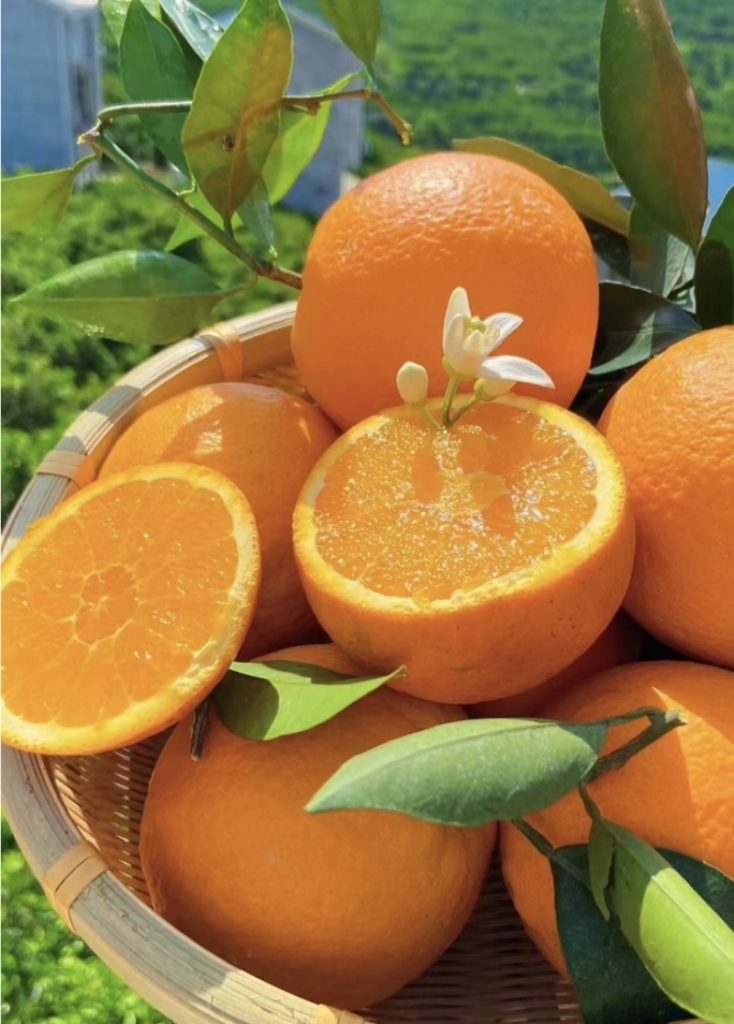
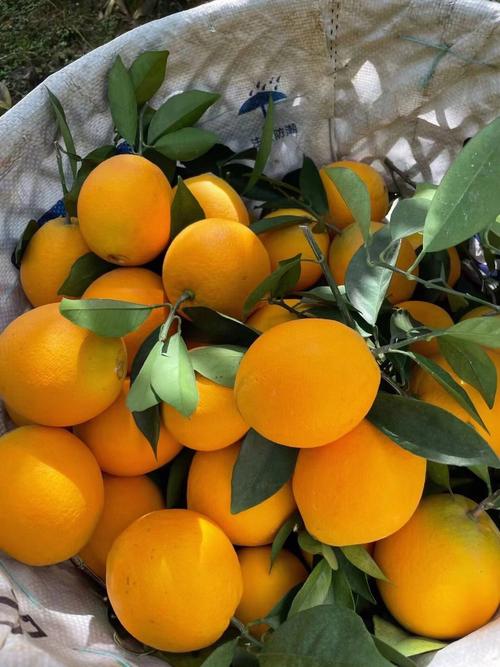
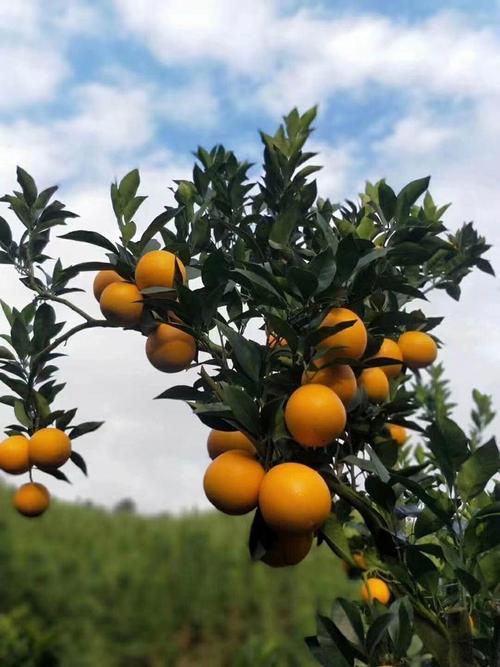
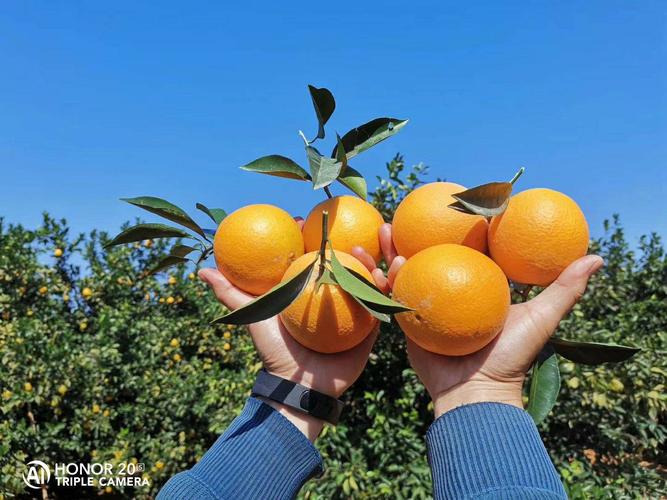
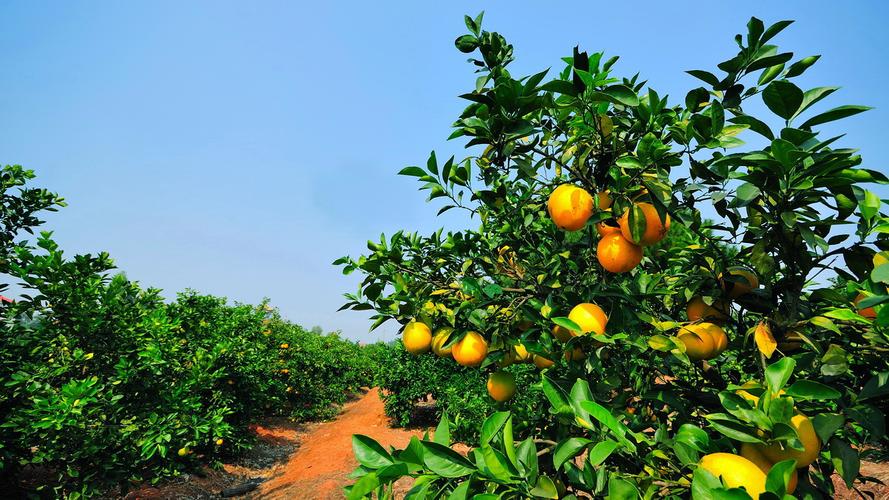
Let’s cut through the marketing jargon right now. If you are sourcing a navel orange supplier for your retail chain or distribution network, you are not looking for fruit. You are looking for a logistical miracle wrapped in a thick peel.
Walk into any trade show, and every supplier will hand you the same script: “Premium quality, competitive price, Brix level above 12.” It’s all nonsense. By the time those oranges hit the shelves in Dubai, Moscow, or Toronto, 30% of them are already developing core rot, and another 20% have skin blemishes that make them unsellable.
My name is Li Wei, and I manage the quality control and export operations for a major citrus cooperative in Gannan, Jiangxi—the heart of China’s navel orange country. I’ve spent the last 18 years with dirt under my fingernails, arguing with export agents, and figuring out why a perfectly green, rock-hard orange suddenly turns into a mushy, fermented disaster after three weeks in a shipping container.
This article is not a sales pitch. This is a brutally honest, technical breakdown of what actually separates a professional citrus operation from a middleman who is just flipping boxes.
1. The Orchard Floor: It Starts with the Rootstock, Not the Fertilizer
Most buyers obsess over the size and color of the orange. That is superficial. The fundamental flaw in the commercial citrus industry is that nobody talks about rootstock genetics and soil salinity.
In our region, we primarily graft Newhall and Cara Cara varieties onto two types of rootstocks: Poncirus trifoliata (Trifoliate orange) and Citrange (a hybrid of sweet orange and trifoliate).
-
The Trifoliate Trap: It’s drought-tolerant and produces excellent, sweet fruit. However, it is highly sensitive to wet feet and alkaline soils. If the water table rises even slightly during the rainy season, the roots suffocate. This leads to “wood pocket” disease, where the core of the orange dries out and turns woody before the fruit even ripens.
-
The Citrange Advantage: We exclusively use Citrange rootstock for our export blocks. It has a much higher tolerance for heavy clay soils and fluctuating water tables.
The NPK Scam:
Walk through any orchard, and you’ll see workers dumping calcium nitrate and potassium sulfate like it’s going out of style. It forces the fruit to size up quickly, but it ruins the Brix-to-Acid ratio. An orange grown purely on synthetic nitrogen will look massive and perfectly orange, but it will taste like stale water.
We use a strict foliar feeding program combined with seaweed extracts and chelated micronutrients (specifically Zinc and Manganese). We take leaf samples every 14 days during the growing season. If the Magnesium levels drop below 0.3%, the fruit won’t color up properly, no matter how much ethylene gas you pump into the ripening room.
2. The Harvest Window: Timing the Brix and the “Pre-Cool” Rule
Harvesting is where 90% of post-harvest diseases are born.
The Brix Myth:
Buyers constantly demand oranges with a Brix (sugar content) of 12 or higher. Achieving this is easy—you just leave the fruit on the tree longer. But here’s the problem: as the sugar increases, the acidity drops. Once the citric acid level falls below 0.8%, the orange loses its flavor profile and becomes highly susceptible to Penicillium (blue mold).
We aim for a Brix range of 11.5 to 12.5, but more importantly, we look for a Brix-Acid Ratio between 10:1 and 12:1. That is the sweet spot for flavor and shelf life.
The 72-Hour Rule:
This is the most critical concept in the citrus industry. From the moment the orange is snapped off the branch, it has a 72-hour window before the stem scar begins to heal and the fruit enters a state of senescence.
-
The Wrong Way: Pick the fruit, leave it in field bins under the hot sun for two days, then truck it to a packing house that is backed up with orders. By the time it hits the processing line, it’s already deteriorating.
-
Our Protocol: We operate our own fleet of refrigerated trucks. The fruit is picked in the morning, rushed to the packing house, drenched, and pre-cooled to 4°C (39°F) within 24 hours. This arrests the respiratory climacteric and keeps the fruit in a state of suspended animation.
3. Post-Harvest Chemistry: Drenches, Waxes, and Fungicides
Once the fruit arrives at the packing facility, the real engineering begins.
The Wax Scam:
Walk into a supermarket, and you’ll see oranges that look like they were dipped in plastic. That’s low-grade shellac mixed with mineral oil. It makes the fruit shiny, but it seals the pores. The orange can’t breathe, leading to anaerobic respiration, off-flavors, and rapid decay.
We use a carnauba-based emulsion wax with an FDA-approved food-grade solvent. It’s more expensive, but it creates a semi-permeable membrane. It locks in moisture while allowing the fruit to respire properly.
Fungicide Drenches:
Ocean freight is a breeding ground for mold spores. We don’t mess around with outdated methods like soaking fruit in generic thiabendazole (TBZ). TBZ resistance is rampant in Southeast Asia and the Middle East.
Our standard drench protocol includes Imidazole (IMZ) and Pyrimethanil. IMZ disrupts the cell division of the fungus, while Pyrimethanil inhibits methionine biosynthesis. Combined, they offer a triple-action defense against Green Mold, Blue Mold, and Anthracnose.
Ethylene Degreening:
If you are importing navel oranges out of season, they were likely degreened. We place the fruit in a sealed, temperature-controlled room and introduce ethylene gas at 5 to 10 ppm. The key is humidity control. If the relative humidity drops below 90% during degreening, the fruit shrivels. If it goes above 95%, you get stem-end rot. We maintain a strict 92-93% RH, monitored by calibrated sensors, not guesswork.
4. The Sorting Algorithm: Why Human Eyes Lie
We have a 12-lane optical sorter equipped with hyperspectral cameras. It costs more than most people’s houses. Why? Because human graders are useless for export-level quality control.
A human can look at an orange and tell if it has a bruise. But they cannot see internal granulation or hollow heart. Our sorter uses near-infrared (NIR) spectroscopy to analyze the internal quality of every single orange at a rate of 12 fruits per second. It measures:
-
Dry matter content
-
Juice percentage
-
Internal brix
-
Presence of seeds (even though navels are supposed to be seedless, stress can cause parthenocarpy issues)
If a fruit doesn’t meet our internal Brix threshold of 11.5, it gets diverted to the juicing line. We don’t compromise. If your supplier is still relying on a crew of women standing at a conveyor belt picking out bad fruit by hand, your rejection rates will be through the roof.
5. Packaging and the “Container Crush”
You’ve sourced the perfect oranges. Now you have to ship them 6,000 miles without turning them into orange juice.
The Carton Design Flaw:
Standard telescopic cartons are a disaster for ocean freight. As the fruit settles and respires, the carton loses structural integrity. Stack 20 pallets high in a 40-foot reefer, and the bottom layer of cartons will burst.
We use die-cut, corrugated cardboard with a 200# test rating and a PE liner. The die-cut design interlocks the oranges, preventing them from shifting during transit. The PE liner retains humidity inside the box, preventing the stems from drying out and piercing the adjacent fruit.
Reefer Settings – The -1°C Myth:
Shipping lines will tell you to set the reefer to -1°C (30°F) with 65% relative humidity. That is a recipe for chilling injury, especially for varieties like Cara Cara or Valencia.
-
The Science: Chilling injury manifests as pitted rinds, increased susceptibility to decay, and a failure to ripen properly upon discharge.
-
Our Protocol: We mandate a continuous pulp temperature of 4.5°C to 5.5°C (40-42°F). We require the carrier to supply a Pulp Temperature Recorder (PTR), not just an ambient air sensor. We want to know the exact temperature of the fruit, not the air circulating around it. We also specify a Vent Setting of 15-20 cubic meters per hour to prevent the buildup of ethylene and carbon dioxide inside the container.
6. The Logistics Nightmare: Customs, Phytosanitary, and Cold Chain Breaks
The biggest threat to your shipment isn’t the ocean; it’s the port of destination.
The USDA/EPPO Compliance:
If you are shipping to the US or Europe, you are dealing with some of the strictest phytosanitary regulations in the world. One batch of fruit flies, and your entire container gets fumigated or, worse, deported.
We maintain a rigorous GMP (Good Manufacturing Practices) certified packing house. Our washing tanks have automated chlorinator systems that maintain a free chlorine residual of 50-100 ppm. We log the pH and chlorine levels every hour. If the system fails, the packing line stops. No exceptions.
The “Cold Chain Break” at the Port:
A container sits on the tarmac at Jebel Ali or Rotterdam for three days waiting for a customs inspection. The sun beats down on the steel container, and the internal temperature spikes to 15°C (59°F). That 72-hour degradation clock resets. The fruit thinks it’s back in the orchard and kicks into high metabolic gear. By the time it reaches the distributor, the shelf life is cut in half.
The Solution: We pre-clear as much documentation as possible. We use expedited customs brokers. We instruct the trucking companies to keep the reefer unit running on the truck’s power take-off (PTO) during transit from the port to the warehouse.
7. Who Is This For?
We are not the supplier for discount grocery chains looking for the cheapest product to put on a buy-one-get-one-free display. We don’t sell fruit that is destined for the trash can.
We manufacture premium, shelf-stable citrus for high-end retailers, gourmet supermarkets, and distributors who understand that consistency is the only metric that matters.
If you are tired of rejecting 20% of your shipments due to mold, bruising, or bland flavor, let’s talk. We provide:
-
Real-Time QC Data: You get the actual Brix and acidity readings from the orchard block your fruit is coming from.
-
Transparent Pricing: No hidden fees for palletizing or phytosanitary certificates.
-
Logistical Oversight: We track the container from our packing house to your warehouse door. We monitor the reefer telemetry daily.
Let’s Talk Specs
Don’t take my word for it. Tell me your target market, your desired shelf life, and your Brix requirements. I will source the fruit from the specific orchard block that matches your needs.
You can reach me at [Your Email Address].
Stop buying oranges that rot on the shelf. Start sourcing a precision agricultural product that protects your brand and your bottom line.
[Insert Photo of Your Orchard / QC Lab Here]
(Caption: Our hyperspectral sorter analyzing the internal Brix and dry matter of the fruit. We see what the human eye misses.)


No reply content