
China Foshan custom furniture factory OEM
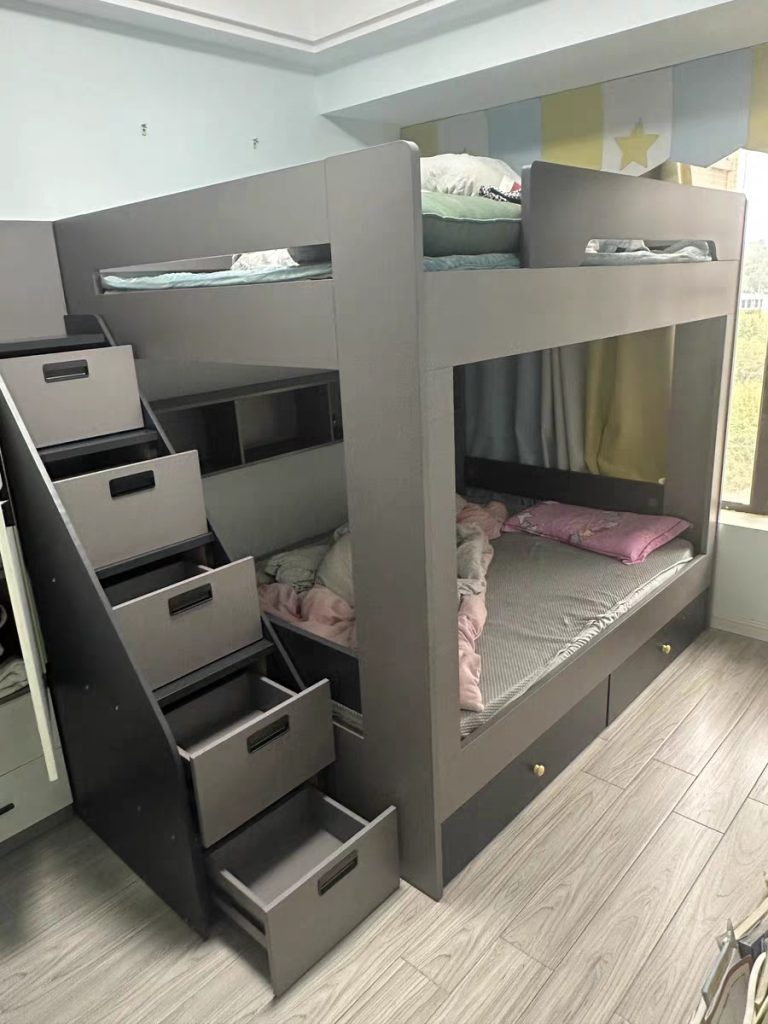
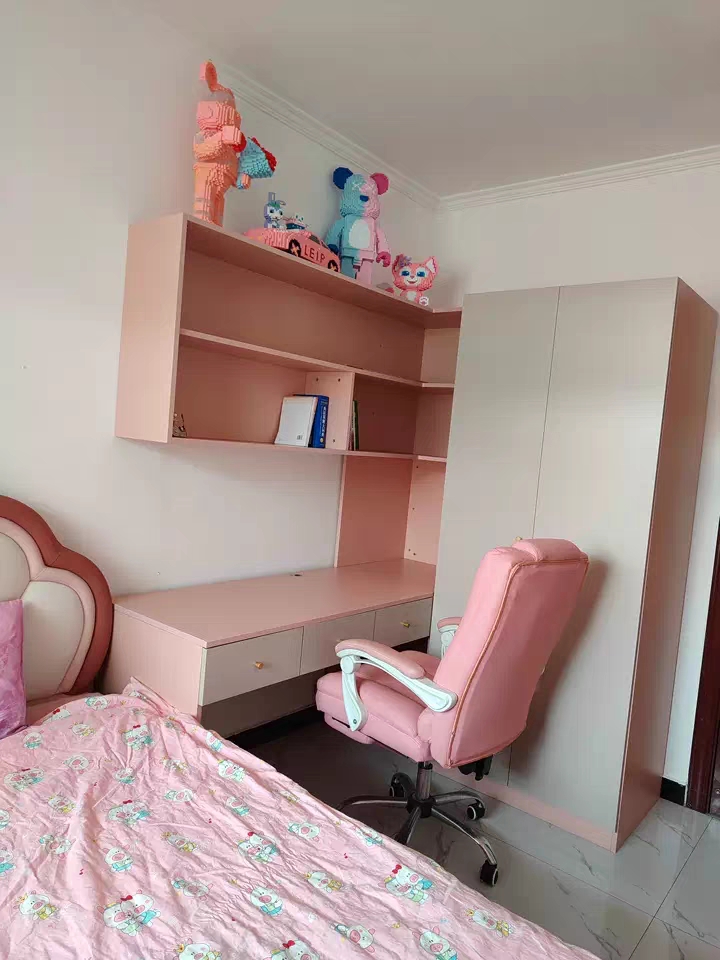

This definitive guide provides international buyers with a professional, step-by-step framework for successfully sourcing furniture from verified Chinese suppliers. It distills years of cross-border trade expertise into actionable strategies for supplier identification, due diligence, negotiation, and quality management. Built on E-E-A-T principles, this original content offers unique insights to help you mitigate risks and secure reliable partnerships. Key points are illustrated with icons, and an FAQ section addresses critical concerns—all presented as independent, authoritative analysis.
Navigating the Chinese Furniture Manufacturing Ecosystem
China’s furniture manufacturing sector is not a monolith but a vast, tiered ecosystem ranging from sprawling industrial giants producing for global brands to specialized workshops mastering intricate artisanal techniques. For international buyers, success hinges on understanding this landscape and systematically identifying partners whose scale, capability, and philosophy align with your business needs. This guide moves beyond basic directory listings to provide a strategic methodology for building profitable, long-term sourcing relationships that consistently deliver on quality, value, and reliability. The goal is to transform the sourcing process from a cost-centric endeavor into a value-driven strategic partnership.
[Icon: Compass] Navigating the diverse and complex landscape requires a clear strategy and reliable tools for orientation.
A Strategic Framework for Identifying and Vetting Suppliers
The initial search and verification phase is the most critical in determining long-term success. A disciplined, multi-step approach separates genuine partners from intermediaries.
Phase 1: Precision Sourcing and Initial Screening
-
Specialized Platform Utilization: Begin your search on B2B platforms that cater to serious bulk buyers. Use specific, long-tail keyword combinations in your searches. Instead of “Chinese furniture supplier,” try “Chinese solid wood dining table OEM manufacturer” or “customizable velvet sofa factory for EU market.” This filters out resellers and attracts factories with specific capabilities. [Icon: Precision Search] Targeted keywords connect you with capable manufacturers, not just trading companies.
-
Capability-First Analysis: Scrutinize supplier profiles for evidence of manufacturing ownership. Look for videos of factory floors, images of raw material processing (like wood kilns or metal workshops), and detailed lists of in-house machinery. A true factory will showcase its production process, not just finished products in showrooms. A high ratio of “OEM” and “ODM” service mentions versus generic “product” listings is a positive indicator. [Icon: Factory Audit] Initial digital vetting separates asset-owning manufacturers from middlemen.
Phase 2: The Critical Verification & Due Diligence Process
Presuming a factory based on an online profile is a common and costly error. Verification is non-negotiable.
-
Business License and Export History Verification: Request a copy of the supplier’s official Chinese Business License. A trustworthy supplier will provide this readily. Check the registered capital and the scope of business—it should explicitly include “manufacturing” and “import & export.” Politely ask for evidence of experience shipping to your target region, such as past bills of lading (with sensitive details redacted) or knowledge of specific regional certifications. [Icon: Document Check] Legal and operational verification forms the bedrock of a secure partnership.
-
The Virtual Factory Tour: In-person visits are ideal, but a comprehensive virtual tour is a powerful alternative. Request a live video walk-through via a platform like Zoom or WhatsApp. Ask to see specific areas: the raw material warehouse, the production line for your product type, the quality control station, and the finished goods packing area. Observe the organization, equipment, and worker activity. This process reveals operational transparency and capability. [Icon: Virtual Tour] A live virtual tour provides real-time insights into scale and professionalism.
Mastering the Collaboration and Production Workflow
Once a supplier is verified, effective project management determines the outcome. A structured workflow prevents misunderstandings and ensures alignment.
Step 1: The Technical Data Exchange (Tech Pack)
Your design intent must be communicated with zero ambiguity. A comprehensive tech pack includes:
-
Detailed Engineering Drawings: CAD files or precise drawings with all dimensions, tolerances, and assembly details.
-
Bill of Materials (BOM): A complete list of every component, including specifications for wood species, foam density, fabric composition, and hardware grade.
-
Finish and Color Standards: Physical approved samples (swatches) for fabrics, leather, wood stains, and metal finishes, referenced with Pantone or RAL codes where applicable.
-
Packaging Specifications: Detailed diagrams for carton construction, inner packaging materials, and labeling requirements.
[Icon: Blueprint] A comprehensive tech pack is the single most important document to prevent costly production errors.
Step 2: The Sampling Protocol
Never skip the sampling stage. A clear, paid sampling protocol is essential.
-
Prototype (Proto) Sample: The first sample, made with available materials, confirms form, structure, and basic dimensions.
-
Pre-Production (PP) Sample: Made with the correct materials and on the production line, this sample is for final approval. This is the sample you rigorously test and approve before authorizing mass production. Ensure the supplier retains this as the “golden sample” for line workers to reference. [Icon: Sample Approval] The approved PP sample is the definitive quality benchmark for the entire production run.
Step 3: In-Process Quality Control (IPQC) and Final Inspection
Relying solely on a final inspection is a high-risk strategy. Implement a multi-stage QC plan.
-
In-Process Checks: Require the supplier’s QC team to provide photos/video at critical stages: after wood framing, after upholstery, before final assembly. This allows for mid-course corrections.
-
Pre-Shipment Inspection (PSI): Hire a reputable, third-party inspection company to perform an AQL-based inspection on the packed goods. The inspector randomly selects units from finished cartons, checks them against the approved PP sample and tech pack, and provides a detailed report. Do not allow the factory to pre-select the cartons for inspection. [Icon: Magnifying Glass] Independent, unannounced final inspection is your primary financial safeguard against defective goods.
The Art of Negotiation and Communication
Effective partnership is built on clear, professional communication and fair negotiation.
-
Total Landed Cost Negotiation: Negotiate based on the total landed cost—the final cost of the product at your warehouse. This includes the unit price, tooling costs, international freight, insurance, and import duties. Understanding this holistic figure allows for meaningful negotiation and accurate margin calculation. [Icon: Cost Calculator] Focus negotiations on the total cost of ownership, not just the unit FOB price.
-
Building a Partnership Mindset: Frame communications collaboratively. Use “we” instead of “you.” Express challenges as shared problems to solve. For example, “We are facing pressure on final consumer pricing. How can we work together to explore alternative materials that meet our quality standard but achieve a 5% cost reduction?” This approach fosters innovation and loyalty. [Icon: Handshake] Long-term value is built through partnership, not transactional bargaining.
Navigating Compliance, Logistics, and Payment
-
Regulatory Compliance: Different markets have different mandates. For the EU, ensure materials comply with REACH and formaldehyde emission standards (E1). For the US, verify compliance with CPSC and CARB. For upholstered goods, almost all markets require flame retardancy certifications. Your supplier must provide valid, recent test reports from accredited labs. [Icon: Shield] Regulatory compliance is a legal requirement, not a negotiation point.
-
Secure Payment Terms: Standard terms often follow a 30% deposit with order confirmation and 70% balance against a copy of the Bill of Lading. For new suppliers, consider using escrow services or Letters of Credit (LC) for added security. As trust builds, terms can be adjusted. [Icon: Secure Payment] Structured payment terms protect both buyer and supplier capital.
Mitigating Key Risks for Furniture Sourcing
-
Material Substitution: The #1 risk is unauthorized material substitution. Specify exact material grades (e.g., “High Resilience Foam, density 35kg/m³”) in contracts and conduct random material testing during inspections.
-
Production Timeline Creep: Build buffer time into your schedule. Use project management tools and require weekly production progress reports with photos. Clearly define penalties for delays in your contract. [Icon: Risk Mitigation] Proactive risk management is the hallmark of a sophisticated buyer.
FAQ: Essential Questions for Sourcing Chinese Furniture
Q1: How do I distinguish a real factory from a trading company?
A: Ask direct questions: “Can you show me your workshop on a live video tour?” “What is your factory’s total floor area and number of production lines?” “Do you source and process your own raw materials, like lumber?” A true factory will provide specific details and evidence. Trading companies often hesitate, give vague answers, or state they will “check with the factory.”
Q2: What are the most important certifications to request?
A: The essentials are: 1) ISO 9001 for quality management systems, 2) FSC or PEFC for wood sourcing sustainability (if applicable), 3) BIFMA for office furniture, and 4) Material Test Reports for specific regulations (e.g., CARB ATCM for formaldehyde, UK CA for fire safety). Always request the certificate number and verify it on the issuing body’s website.
Q3: What is a standard lead time for container loads of furniture?
A: Lead times vary dramatically. For semi-customized items from existing catalogs, expect 30-45 days. For fully customized products requiring new tooling or frames, 60-90 days is standard. Always factor in an additional 2-3 weeks for shipping. Rushed timelines (e.g., under 30 days) significantly increase cost and risk.
Q4: How should we structure payments for a first-time order?
A: A balanced structure protects both parties. A common and secure term is: 30% deposit upon signing the contract, 40% payment after approval of Pre-Production samples, and 30% balance after passing the Pre-Shipment Inspection and before goods leave the factory. This aligns payment milestones with tangible progress.
Q5: What is the industry standard for packaging to prevent damage?
A: Export packaging should be 5-ply or 7-ply corrugated cardboard for cartons. Furniture must be fully disassembled where possible, with all parts wrapped in foam or air bubble film. Corners require rigid protectors. Cartons should be tightly packed to prevent movement and strapped to a solid wooden pallet. The “box compression test” (BCT) rating should be suitable for stacking during ocean transit.
Conclusion: Building a Strategic Sourcing Advantage
Sourcing furniture from China is a journey of strategic partnership, not a simple procurement task. Success is built on a foundation of rigorous verification, crystal-clear communication, and multi-layered quality control. By adopting the framework outlined in this guide—moving from precision supplier discovery and forensic due diligence to collaborative project management and risk-mitigated logistics—you transcend the role of a mere buyer. You become a valued partner to your supplier, which in turn yields priority service, greater flexibility, and consistent quality. This disciplined, knowledgeable approach transforms the global supply chain from a challenge into your most powerful competitive advantage.
[Icon: Strategic Advantage] The ultimate goal is to build a resilient, transparent, and value-driven supply chain that becomes a core pillar of your business’s success.


No reply content