The Comprehensive Guide to Importing Umbrellas from China: Strategies, Challenges, and Opportunities

China Umbrella Customization Factory

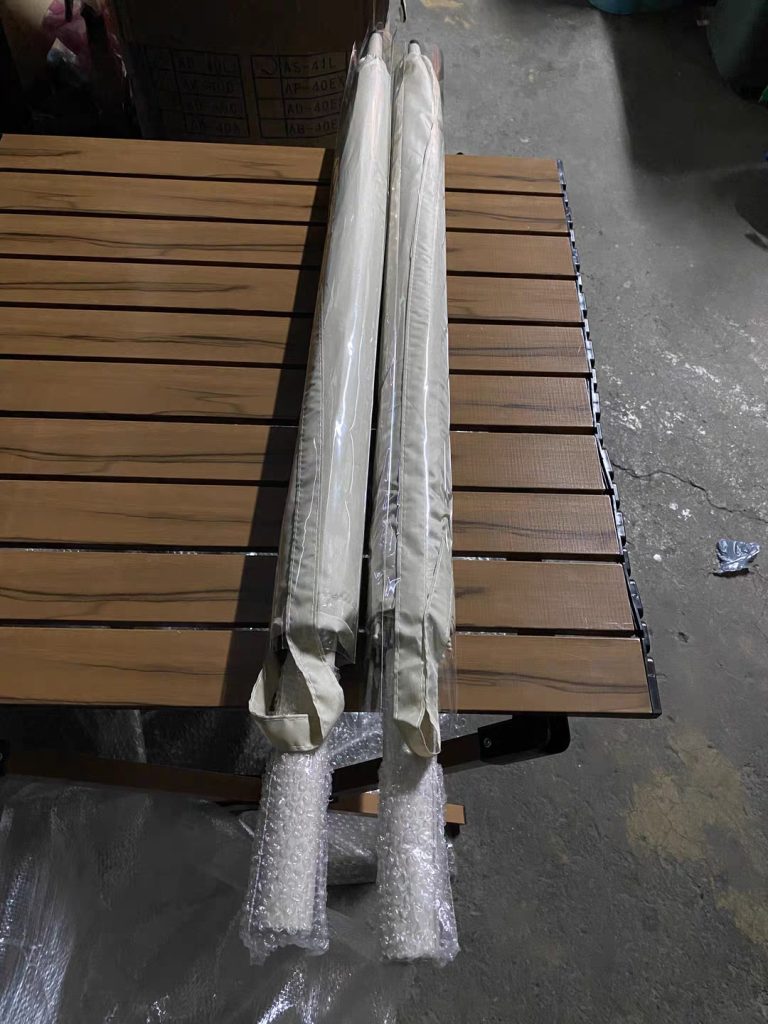
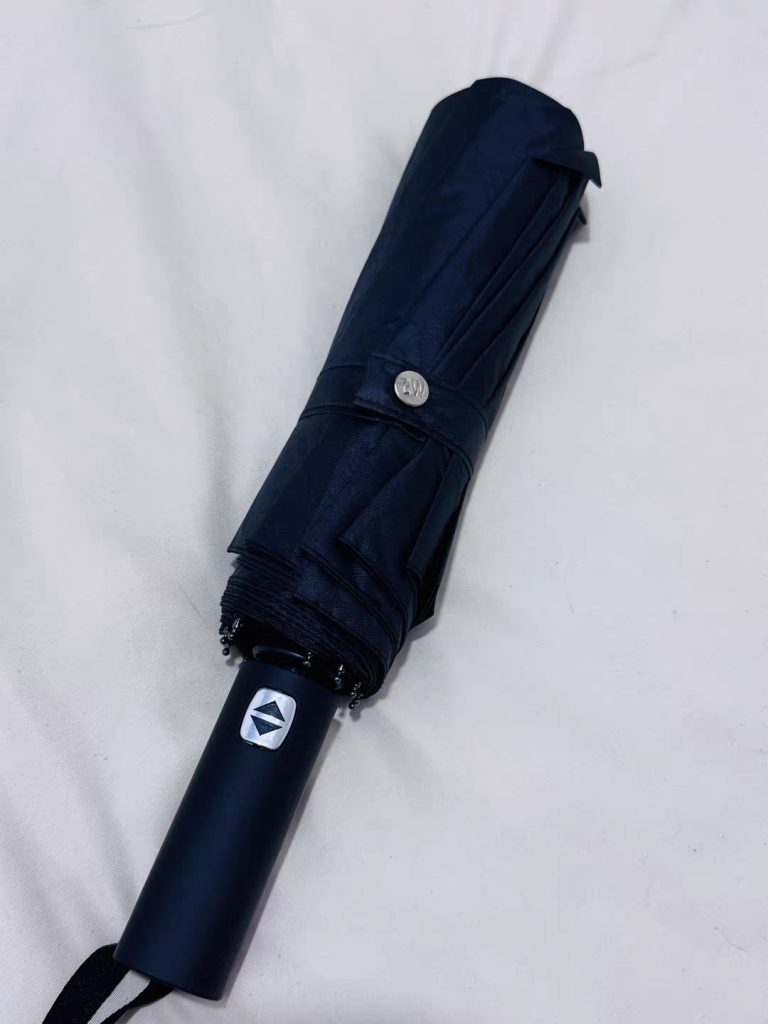
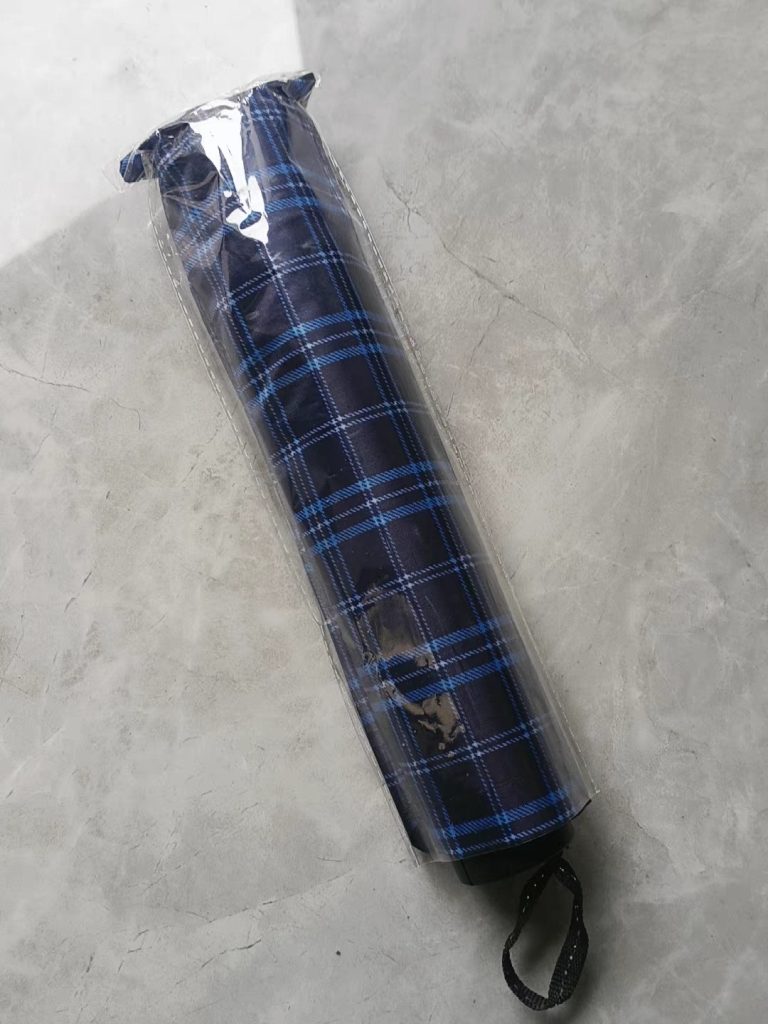
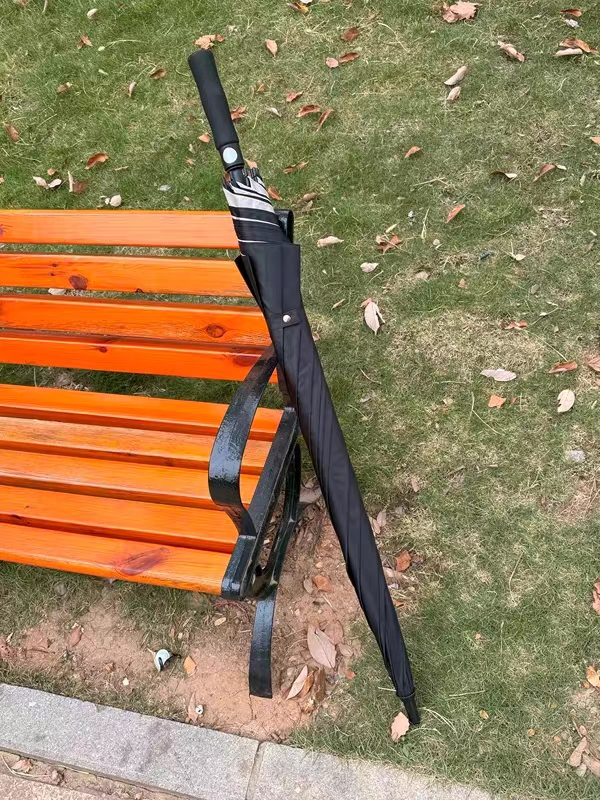
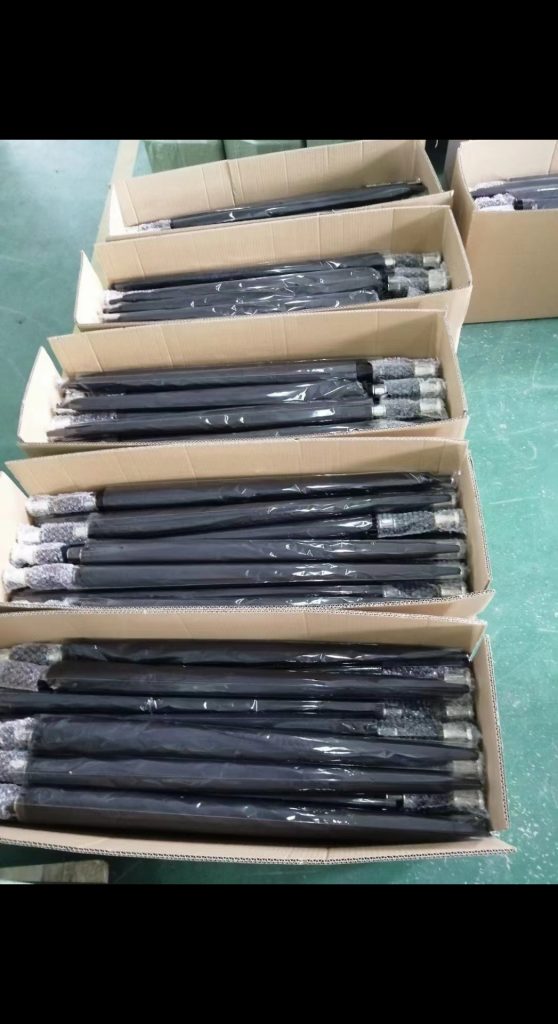
Importing umbrellas from China has become a cornerstone of global trade, driven by the country’s unparalleled manufacturing capabilities, cost efficiency, and adaptability to diverse market demands. As the world’s largest producer of umbrellas—accounting for over 70% of global output—China offers a dynamic ecosystem for businesses seeking high-quality, customizable, and competitively priced products. This article delves into the intricacies of importing umbrellas from China, covering market dynamics, supplier selection, quality control, logistics, and emerging trends, providing actionable insights for importers worldwide.
1. The Chinese Umbrella Industry: A Global Powerhouse
China’s dominance in umbrella manufacturing is rooted in decades of industrial evolution. From small family workshops in the 1980s to large-scale factories today, the sector has grown exponentially, supported by government policies, infrastructure development, and a vast network of suppliers. Key production hubs include Yiwu (Zhejiang Province), known as the “World’s Supermarket” for its wholesale markets; Shenzhen, a tech-driven hub for smart umbrellas; and Fujian, specializing in high-end fashion and outdoor umbrellas.
The industry caters to a broad spectrum of needs: from basic rain umbrellas to luxury designer pieces, compact travel models, and innovative products like solar-powered or UV-protective variants. This diversity, combined with low labor costs and advanced production technologies, makes China an attractive source for importers across Europe, North America, Southeast Asia, and beyond.
2. Why Import Umbrellas from China?
Cost Efficiency
One of the primary drivers for importing from China is cost competitiveness. Labor and material expenses in China are significantly lower than in Western countries, allowing manufacturers to offer products at 30–50% less than domestic alternatives. For example, a standard 3-fold manual umbrella that retails for $20 in the U.S. can be sourced from China for $3–$5, including shipping.
Customization and Scalability
Chinese factories excel in customization, supporting OEM (Original Equipment Manufacturer) and ODM (Original Design Manufacturer) services. Importers can specify materials (e.g., polyester, Pongee, or recycled fabrics), frame types (steel, fiberglass, or carbon fiber), handle designs (wood, plastic, or ergonomic rubber), and branding (logos, colors, packaging). Whether ordering 500 units for a boutique or 100,000 for a retail chain, Chinese suppliers can scale production efficiently.
Diverse Product Range
From budget-friendly options to premium luxury items, China’s umbrella market covers all price points. Specialized categories include:
-
Fashion Umbrellas: Embellished with lace, prints, or unique shapes (e.g., heart-shaped or transparent bubble umbrellas).
-
Outdoor Umbrellas: Large patio or garden umbrellas with UV protection, wind resistance, and adjustable angles.
-
Smart Umbrellas: Equipped with LED lights, GPS trackers, or self-opening mechanisms.
-
Eco-Friendly Umbrellas: Made from recycled plastics, bamboo, or organic cotton, appealing to sustainability-conscious consumers.
Established Supply Chains
China’s well-developed supply chain network ensures access to raw materials (fabrics, metals, plastics) and components (ribs, tips, mechanisms) at competitive prices. This vertical integration reduces lead times and minimizes production delays, a critical advantage for importers facing tight deadlines.
3. Navigating the Import Process: Step-by-Step
Step 1: Define Your Requirements
Before engaging with suppliers, clarify your product specifications:
-
Type: Rain, sun, golf, beach, or promotional umbrellas.
-
Size: Diameter (e.g., 60cm for personal use, 200cm+ for outdoor).
-
Material: Fabric (polyester, nylon, Pongee), frame (steel, aluminum, fiberglass), handle (plastic, wood, foam).
-
Features: Auto-open/close, windproof ribs, UV protection, custom printing.
-
Quantity: Minimum order quantities (MOQs) typically range from 500–1,000 units, though some suppliers offer lower MOQs for new clients.
Step 2: Find Reliable Suppliers
Identifying trustworthy suppliers is critical to avoiding scams, quality issues, and delivery delays. Key resources include:
-
B2B Platforms: Alibaba, Made-in-China, and Global Sources allow you to filter suppliers by location, certifications, and customer reviews. Look for suppliers with Trade Assurance (Alibaba) or Gold Supplier status.
-
Trade Shows: Attend events like the Canton Fair (Guangzhou) or Yiwu International Trade Fair to meet suppliers in person, inspect samples, and negotiate terms.
-
Industry Directories: Websites like Kompass or Thomasnet list verified Chinese manufacturers.
-
Referrals: Ask peers in the import/export business for recommendations.
When evaluating suppliers, request:
-
Company registration documents (business license, tax ID).
-
Certifications (ISO 9001 for quality management, BSCI for social compliance).
-
Sample products to assess build quality, fabric durability, and functionality.
-
References from previous international clients.
Step 3: Negotiate Terms and Contracts
Key negotiation points include:
-
Pricing: Unit cost, payment terms (e.g., 30% deposit, 70% before shipment), and potential discounts for bulk orders.
-
Lead Time: Production time (typically 15–45 days) plus shipping (7–30 days via sea, 3–7 days via air).
-
Quality Control: Agree on inspection standards (AQL levels) and whether a third-party inspection (e.g., SGS, Intertek) is required.
-
Shipping and Logistics: Incoterms (e.g., FOB Shanghai, CIF Los Angeles) to define responsibility for freight, insurance, and customs clearance.
-
Warranty and Returns: Policies for defective products, including replacement or refund terms.
Draft a detailed contract outlining all terms to prevent misunderstandings. Consider hiring a local legal expert to review the agreement, especially for first-time importers.
Step 4: Quality Control and Inspection
Quality control is non-negotiable. Even with reputable suppliers, variations in production can occur. Implement a multi-stage inspection process:
-
Pre-Production Inspection: Verify raw materials and initial samples against your specifications.
-
During Production Inspection (DUPRO): Check work-in-progress to catch defects early.
-
Pre-Shipment Inspection (PSI): Inspect finished goods randomly (e.g., 5–10% of the order) for defects in stitching, frame strength, and functionality. Use AQL 2.5 (for general products) or AQL 1.5 (for high-value items) as a benchmark.
Hiring a third-party inspection agency adds credibility and reduces the risk of receiving subpar products.
Step 5: Arrange Shipping and Customs Clearance
Choose a shipping method based on urgency and budget:
-
Sea Freight: Most cost-effective for large orders (e.g., 20ft container: ~$1,500–$3,000; 40ft: ~$2,500–$5,000). Transit time: 20–40 days.
-
Air Freight: Faster (3–7 days) but 3–5x more expensive. Ideal for small, urgent orders.
-
Courier Services: DHL, FedEx, or UPS for samples or very small quantities (<100 kg).
Work with a freight forwarder to handle documentation (commercial invoice, packing list, bill of lading) and customs clearance. Ensure you have the necessary import licenses, pay applicable tariffs (duty rates vary by country; e.g., 5–8% for umbrellas in the U.S.), and comply with safety standards (e.g., CPSIA in the U.S., REACH in the EU).
Step 6: After-Sales Support
Maintain communication with your supplier post-delivery to address any issues promptly. Discuss return policies for damaged goods and plan for future orders to build long-term relationships, which often lead to better pricing and priority support.
4. Challenges in Importing Umbrellas from China
Language and Cultural Barriers
Miscommunication due to language differences (e.g., misinterpreting technical terms) or cultural norms (e.g., indirect communication styles) can lead to errors. Hire a bilingual agent or use translation tools to clarify requirements.
Intellectual Property (IP) Risks
Copycat products are common in China. To protect your designs, register patents, trademarks, or copyrights in both China and your target market. Work with suppliers who sign NDAs (Non-Disclosure Agreements) and avoid sharing sensitive information without legal safeguards.
Logistical Complexities
Shipping delays, port congestion, or customs inspections can disrupt supply chains. Mitigate risks by:
-
Booking shipping space in advance, especially during peak seasons (Q4 for holiday demand).
-
Using multiple shipping routes (e.g., alternate ports in case of closures).
-
Insuring cargo against loss or damage.
Quality Inconsistencies
Even with inspections, some defects may slip through. Build flexibility into your inventory management to handle returns or replacements.
5. Emerging Trends Shaping the Chinese Umbrella Market
Sustainability
With growing consumer demand for eco-friendly products, Chinese manufacturers are adopting sustainable practices: using recycled materials (e.g., PET bottles for fabric), reducing waste, and obtaining certifications like GOTS (Global Organic Textile Standard).
Smart Umbrellas
Technological innovation is driving the rise of smart umbrellas, equipped with features like:
-
UV Sensors: Alert users to harmful sun exposure.
-
GPS Trackers: Prevent loss via smartphone apps.
-
LED Lights: Improve visibility in low light.
-
Self-Drying Mechanisms: Reduce water retention after use.
Personalization
Consumers increasingly seek unique, personalized products. Chinese suppliers are leveraging digital printing and modular design to offer one-of-a-kind umbrellas, from monogrammed handles to custom artwork.
E-Commerce Integration
Many Chinese umbrella factories now sell directly to global buyers via platforms like Amazon, Shopify, or their own websites, streamlining the import process for small and medium-sized enterprises (SMEs).
6. Case Study: A Success Story in Umbrella Importing
A U.S.-based lifestyle brand, Sun & Shield, successfully entered the market by importing custom-designed umbrellas from a Yiwu-based factory. By focusing on:
-
Niche Targeting: Offering UV-protective, compact travel umbrellas for urban commuters.
-
Quality Assurance: Conducting pre-shipment inspections and working with a local agent to resolve issues.
-
Branding: Adding custom logos and eco-friendly packaging.
Sun & Shield achieved a 40% profit margin, with sales growing 200% in two years. The key to their success was building a strong relationship with the supplier, ensuring consistent quality, and adapting to market trends.
Conclusion
Importing umbrellas from China offers immense opportunities for businesses looking to expand their product lines, reduce costs, and tap into a global market. However, success requires careful planning, due diligence, and a focus on quality. By understanding the industry landscape, selecting reliable partners, and staying abreast of trends, importers can navigate challenges and build profitable, long-term relationships with Chinese manufacturers.
As the world continues to prioritize convenience, style, and sustainability, China’s umbrella industry is poised to remain a vital player in global trade—offering endless possibilities for those willing to invest the time and effort to get it right.


No reply content