
China Umbrella Customization Factory
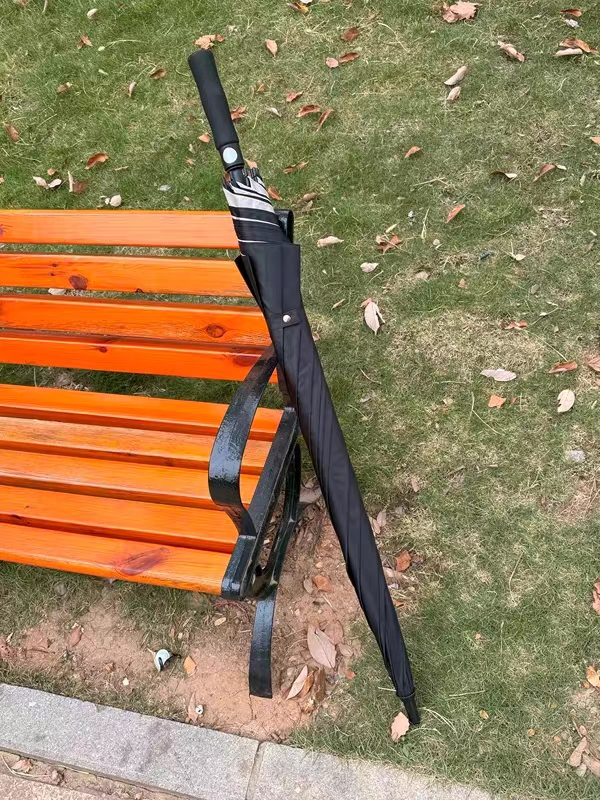
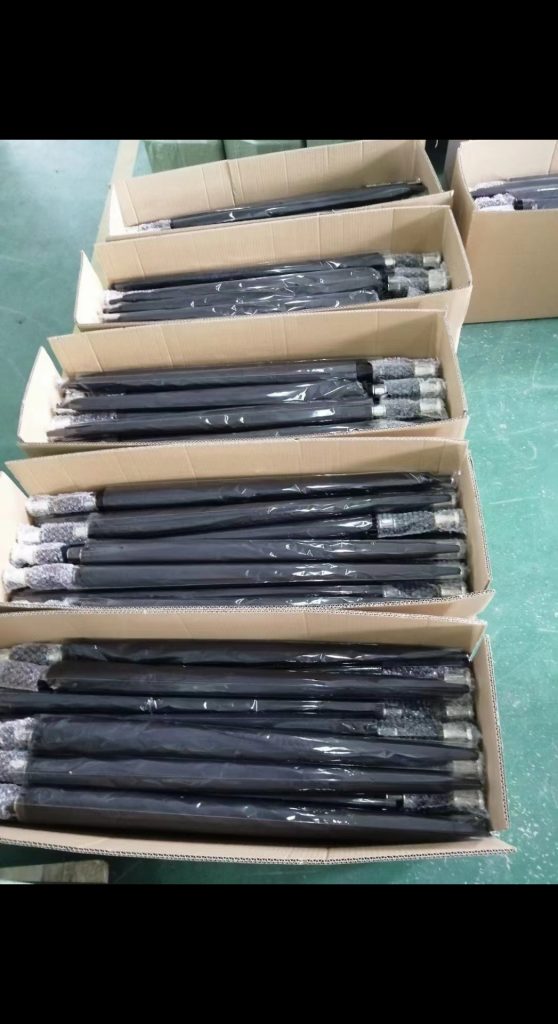
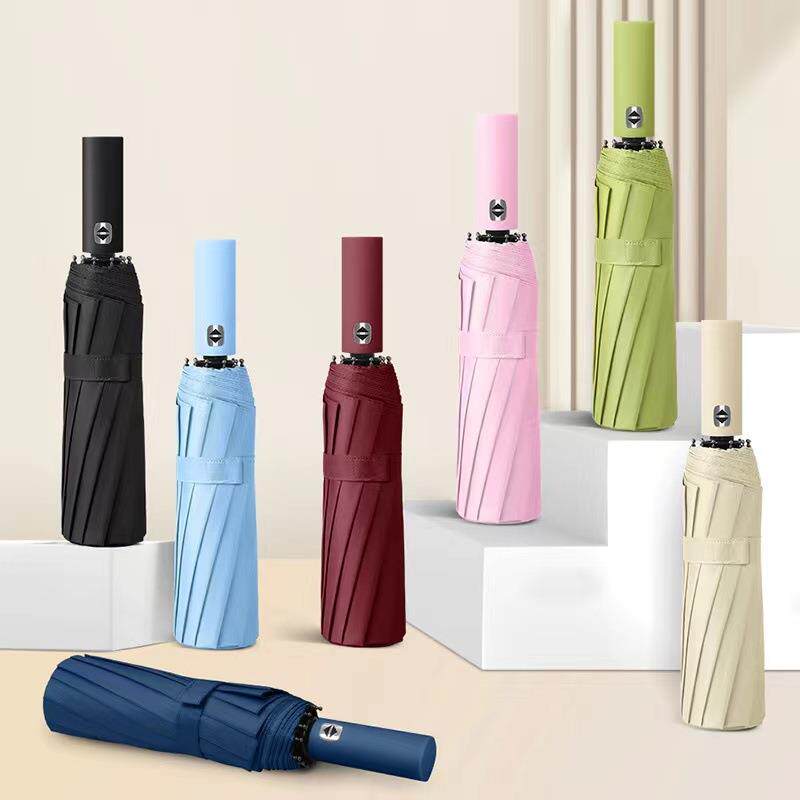
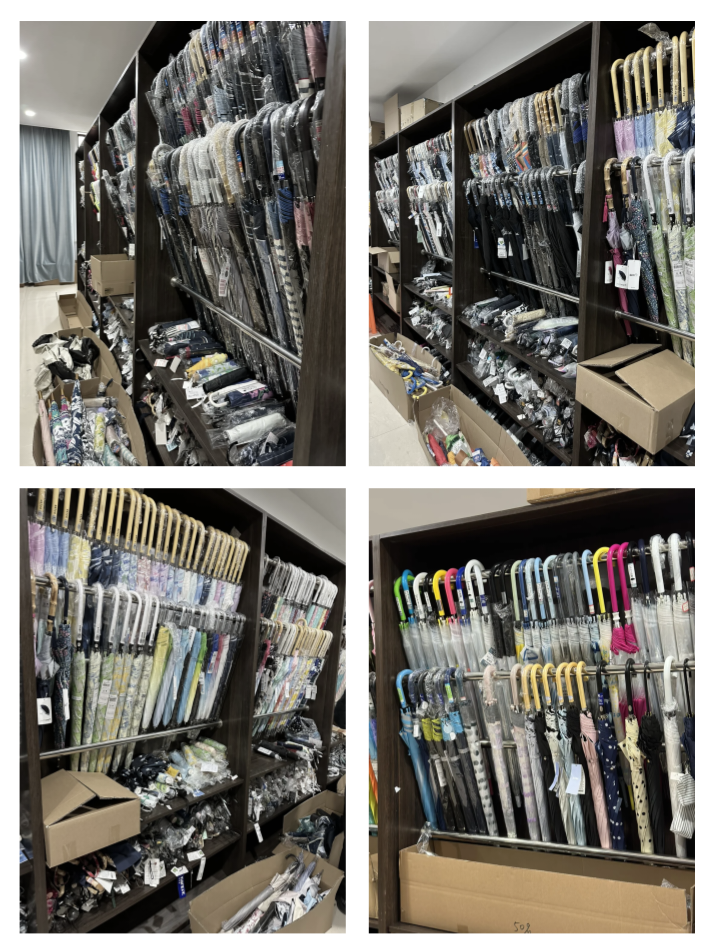
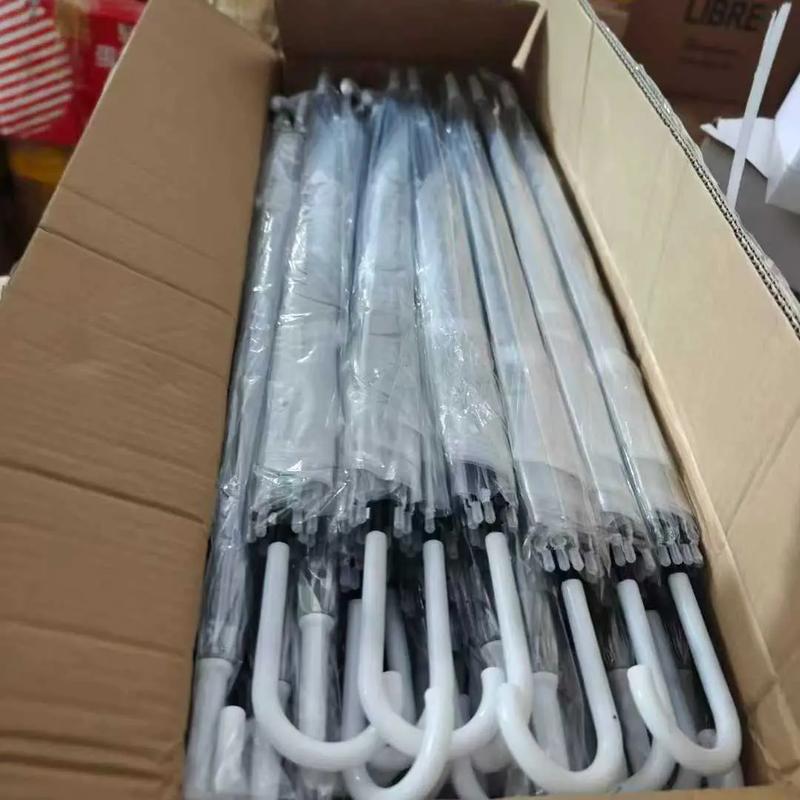
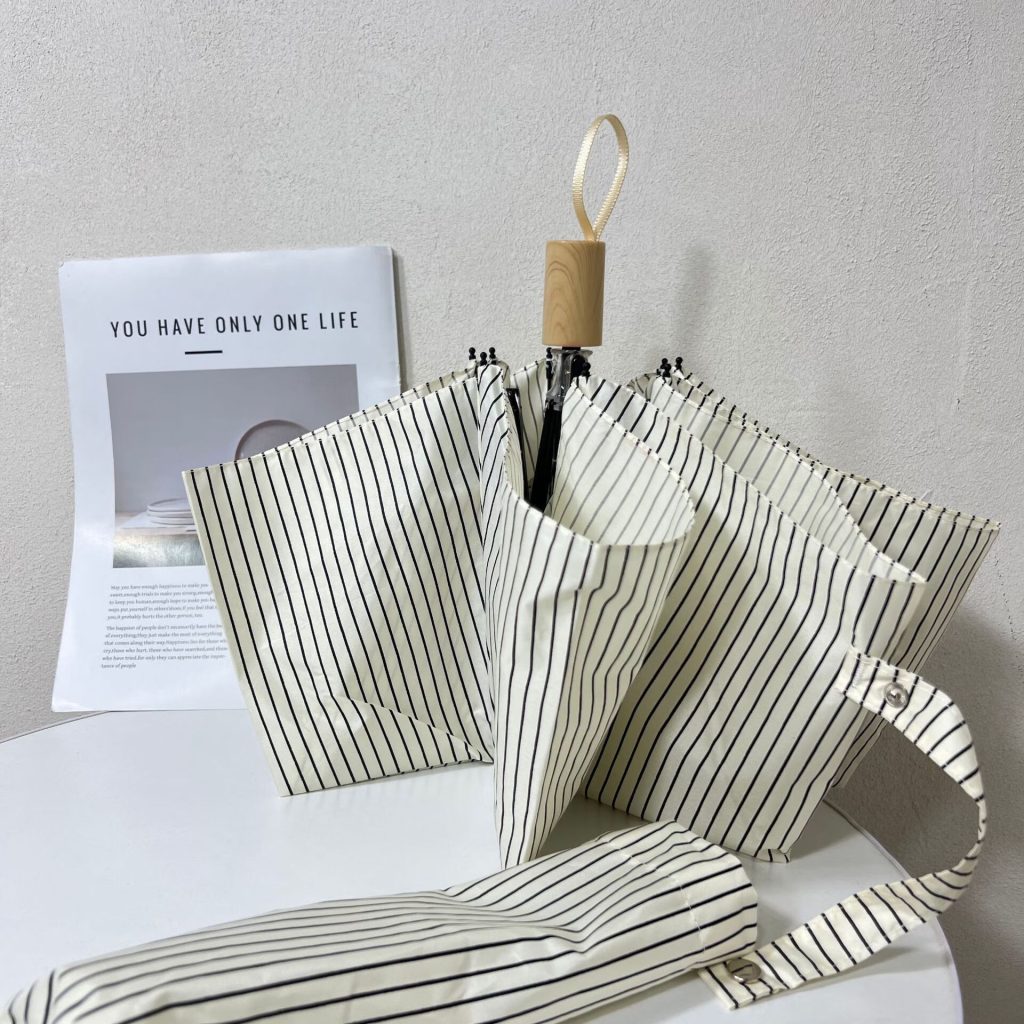
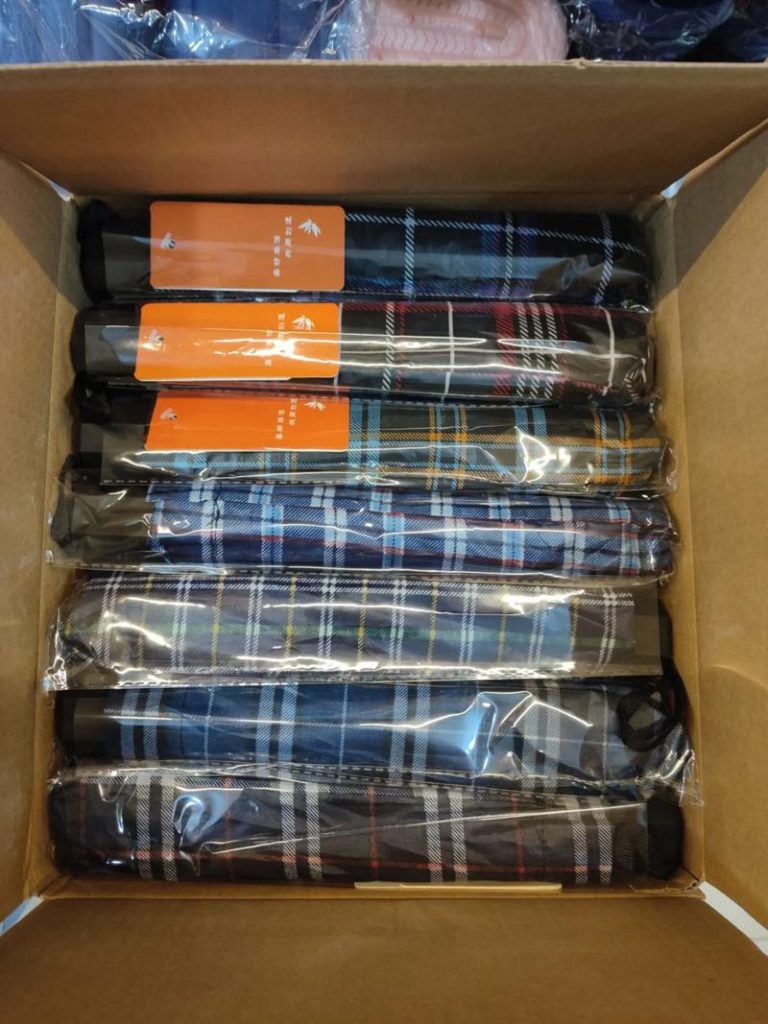
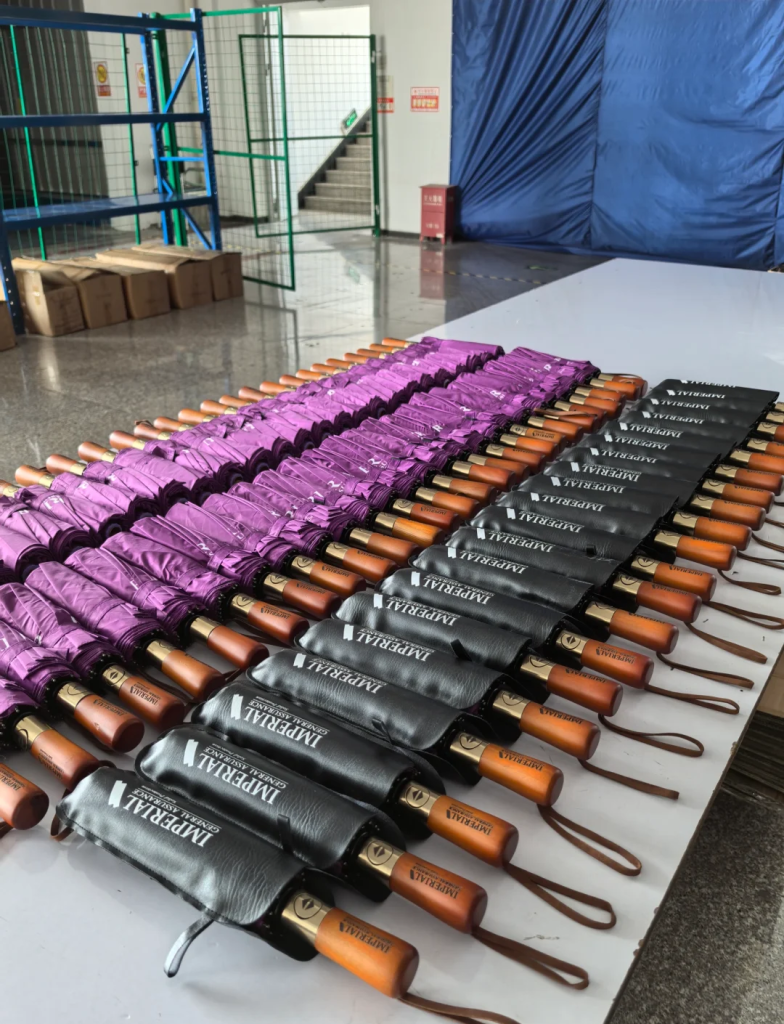
China’s umbrella wholesale market stands as a linchpin of the global merchandise trade, connecting thousands of manufacturers with retailers, e-commerce sellers, and brand owners across 200+ countries. As the world’s largest producer of umbrellas—accounting for over 70% of global output—China has cultivated a wholesale ecosystem that blends traditional bazaars with digital platforms, offering unparalleled access to low-cost, diverse, and customizable products. This article explores the structure, advantages, challenges, and future of China’s umbrella wholesale sector, revealing how it has become the go-to destination for businesses seeking to source umbrellas at scale.
1. The Evolution of China’s Umbrella Wholesale Industry: From Street Markets to Digital Hubs
Historical Roots: The Rise of Yiwu and Traditional Bazaars
The modern umbrella wholesale industry in China traces its origins to the 1980s, when economic reforms spurred the growth of small-scale manufacturing in coastal provinces. Early wholesalers operated in informal street markets, selling basic rain umbrellas to local retailers. The turning point came with the establishment of Yiwu International Trade City in Zhejiang Province in 1982. Dubbed the “World’s Supermarket,” Yiwu’s umbrella section now spans 50,000 square meters, housing over 2,000 suppliers offering 100,000+ designs—from budget 2-fold models to luxury designer parasols.
By the 2000s, other hubs emerged: Guangzhou’s Shahe Clothing and Accessories Wholesale Market (for fashion umbrellas) and Shenzhen’s Huaqiangbei Electronics Market (for smart umbrellas). These physical markets became critical nodes for global buyers, who traveled to China to inspect samples, negotiate prices, and place bulk orders.
Digital Transformation: The Rise of B2B Platforms
The 2010s witnessed a seismic shift as e-commerce platforms disrupted traditional wholesale. 1688.com (Alibaba’s domestic B2B site), Made-in-China.com, and Global Sources allowed buyers to browse catalogs, compare prices, and place orders online, eliminating the need for in-person visits. Today, over 60% of umbrella wholesale transactions in China occur digitally, with platforms adding features like virtual showrooms, AI-powered sourcing tools, and integrated logistics.
2. The Structure of China’s Umbrella Wholesale Ecosystem
China’s umbrella wholesale market operates through three interconnected channels, each catering to distinct buyer needs:
A. Physical Wholesale Markets: The Heartbeat of Bulk Trade
Physical markets remain vital for buyers seeking tactile experiences and immediate access to stock. Key players include:
-
Yiwu International Trade City (Phase 1, Section 2): The epicenter of umbrella wholesale, with suppliers offering MOQs (Minimum Order Quantities) as low as 100 units. Products range from $0.50 basic models to $50+ luxury designs.
-
Guangzhou Liuhua Umbrella Market: Specializes in fashion-forward umbrellas, including lace-embellished, transparent bubble, and UV-protective variants.
-
Shantou Chenghai Toy & Gift Market: Focuses on novelty umbrellas (e.g., cartoon-themed, glow-in-the-dark) for kids and promotional use.
Advantages of Physical Markets:
-
Sample Inspection: Buyers can touch fabrics, test frame sturdiness, and check mechanism functionality.
-
Negotiation Flexibility: Face-to-face haggling often leads to better prices for large orders.
-
Immediate Stock Access: Many suppliers keep 10,000+ units in stock for same-day pickup.
B. Factory Direct Wholesale: Cutting Out the Middleman
Large manufacturers like Hangzhou Paradise Umbrella Co. and Fujian Jiali Umbrella Group now sell directly to wholesalers and large buyers, bypassing traditional traders. This model offers:
-
Lower Prices: Eliminating middleman markups (typically 10–20%) reduces unit costs by 5–15%.
-
Customization at Scale: Factories accept OEM/ODM orders with MOQs as low as 500 units, allowing buyers to add logos, choose materials, or modify designs.
-
End-to-End Control: Buyers coordinate production, quality checks, and shipping directly with manufacturers.
C. Online Wholesale Platforms: The Digital Revolution
B2B platforms have democratized access to China’s umbrella wholesale market, particularly for small and medium-sized buyers. Key features include:
-
1688.com: Alibaba’s domestic platform hosts 5,000+ umbrella suppliers, with tools like “Taobao Data” to analyze market trends.
-
Made-in-China.com: Targets international buyers, offering trade assurance, third-party inspections, and multilingual support.
-
DHgate: Caters to small-batch buyers, with MOQs as low as 10 units and door-to-door shipping.
Digital Advantages:
-
24/7 Access: Buyers can source products anytime, anywhere.
-
Transparent Pricing: Real-time quotes and historical price data help buyers avoid overpaying.
-
Logistics Integration: Platforms partner with freight forwarders to handle shipping, customs, and duties.
3. Why China Dominates the Umbrella Wholesale Market
A. Unbeatable Cost Competitiveness
China’s umbrella wholesale prices are 30–50% lower than in other manufacturing hubs (e.g., Vietnam, Bangladesh) due to:
-
Economies of Scale: Annual production of 5 billion+ units drives down per-unit costs.
-
Low Labor Costs: Even with wage increases, labor in China remains 40% cheaper than in Europe and 20% cheaper than in Mexico.
-
Efficient Supply Chains: Vertical integration (e.g., in Yiwu) ensures raw materials like steel, polyester, and plastic are available locally, reducing transportation costs.
Example: A standard 3-fold manual umbrella costs $0.80–$1.20 to wholesale in Yiwu, compared to $2.50–$3.50 in Turkey or $3.00–$4.00 in India.
B. Unmatched Product Diversity
China’s wholesale market offers umbrellas for every use case, climate, and budget:
-
By Type: Rain, sun, golf, beach, patio, and compact travel umbrellas.
-
By Material: Polyester, Pongee, nylon, recycled PET, and silk canopies; steel, aluminum, fiberglass, and carbon fiber frames.
-
By Feature: Auto-open/close, windproof (8–16 ribs), UV protection (UPF 50+), and smart features (LED lights, GPS trackers).
-
By Design: Solid colors, prints (floral, abstract, cartoon), transparent, and luxury embellishments (crystals, embroidery).
This diversity allows buyers to find products tailored to niche markets—from budget retailers in Africa to luxury boutiques in Europe.
C. Speed and Flexibility
Chinese wholesalers excel at meeting tight deadlines:
-
Short Lead Times: In-stock items ship within 3–7 days; custom orders take 15–30 days (vs. 45–60 days in other countries).
-
Small-Batch Capability: Many suppliers now accept MOQs of 100–500 units, up from 1,000+ units a decade ago, thanks to flexible assembly lines.
-
Responsive Customer Service: Bilingual account managers and 24/7 online support resolve issues quickly.
4. Key Players in China’s Umbrella Wholesale Market
A. Wholesale Markets
-
Yiwu International Trade City: The world’s largest wholesale complex, with 75,000 booths and 2,000+ umbrella suppliers.
-
Guangzhou Baima Clothing Market: A hub for fashion umbrellas, attracting buyers from Southeast Asia and the Middle East.
-
Shenzhen Huaqiangbei: Specializes in tech-integrated umbrellas (e.g., solar-powered, app-connected).
B. Leading Manufacturers with Wholesale Divisions
-
Hangzhou Paradise Umbrella: Produces 20 million units/year, offering wholesale prices starting at $0.90/unit.
-
Fujian Jiali Umbrella: Focuses on high-end outdoor umbrellas, with wholesale MOQs of 500 units.
-
Shenzhen Smart Umbrella Tech: Sells smart umbrellas (GPS, LED) wholesale, with MOQs of 200 units.
C. B2B Platforms
-
1688.com: 5,000+ suppliers, 10 million+ listed products, and 200,000 daily active buyers.
-
Made-in-China.com: 3,000+ verified suppliers, with tools for RFQ (Request for Quotation) and video factory tours.
-
DHgate: 1,000+ umbrella sellers, focusing on small-batch orders (10–100 units).
5. Challenges Facing China’s Umbrella Wholesale Market
A. Rising Costs and Margin Pressure
Labor costs in China have increased by 300% since 2010, while raw material prices (e.g., steel, polyester) have risen by 150%. To stay competitive, wholesalers are:
-
Shifting to Inland Provinces: Moving production to lower-cost areas like Jiangxi and Anhui.
-
Adopting Automation: Using robots for fabric cutting and assembly, reducing labor dependency.
B. Intense Competition and Price Wars
With over 3,000 umbrella manufacturers, price competition is fierce. Low-margin products (e.g., basic rain umbrellas) face pressure from competitors in Vietnam and Bangladesh, which offer 10–15% lower prices.
C. Quality Control Issues
Inconsistent quality remains a concern, particularly for first-time buyers. To mitigate this, many wholesalers now:
-
Offer Third-Party Inspections: Partner with SGS or Intertek to certify product quality.
-
Provide Sample Orders: Allow buyers to test 5–10 units before placing large orders.
D. Logistical Complexities
Shipping delays, port congestion, and rising freight costs (up 200% since 2020) impact profitability. Wholesalers are addressing this by:
-
Diversifying Shipping Routes: Using rail (via the Belt and Road Initiative) to Europe and air freight for urgent orders.
-
Partnering with 3PLs: Third-party logistics providers handle warehousing and last-mile delivery.
6. The Future of China’s Umbrella Wholesale Market
A. Digitalization and AI Integration
-
AI-Powered Sourcing: Platforms will use machine learning to recommend products based on buyer history and market trends.
-
Virtual Reality (VR) Showrooms: Buyers can tour factories and inspect products in VR before ordering.
-
Blockchain for Transparency: Tracking materials from source to shipment to assure buyers of ethical practices.
B. Sustainability as a Competitive Edge
With global demand for eco-friendly products rising, wholesalers are:
-
Offering Recycled Products: Canopies made from recycled PET bottles (1 umbrella = 12 bottles).
-
Promoting Circular Economy Models: Take-back programs for old umbrellas, which are recycled into new products.
-
Highlighting Certifications: GOTS (textiles), FSC (wood), and B Corp certifications attract sustainability-focused buyers.
C. Hyper-Personalization
Wholesalers will cater to niche demands through:
-
On-Demand Customization: 3D printing for unique handles and frames, with MOQs as low as 50 units.
-
Regional Adaptations: Designing umbrellas for specific climates (e.g., typhoon-resistant frames for Japan, sand-proof canopies for Dubai).
D. Expansion into Emerging Markets
Buyers from Latin America (Brazil, Mexico) and Africa (Nigeria, Kenya) are increasingly sourcing from China due to urbanization and rising disposable incomes. Wholesalers are tailoring offerings to these markets with affordable, durable models.
Conclusion: China’s Umbrella Wholesale Market—A Cornerstone of Global Trade
China’s umbrella wholesale market has evolved from a collection of street stalls into a sophisticated, digitally integrated ecosystem that defines global sourcing. Its strengths—cost efficiency, product diversity, speed, and flexibility—make it indispensable for retailers, brands, and e-commerce sellers worldwide. While challenges like rising costs and competition persist, China’s wholesalers continue to innovate, embracing sustainability, AI, and hyper-personalization to stay ahead.
For businesses seeking to source umbrellas at scale, China remains the undisputed leader—a marketplace where variety meets value, and tradition coexists with technology. As global demand for umbrellas grows (driven by climate change and fashion trends), China’s wholesale sector is poised to cement its role as the world’s premier hub for affordable, high-quality umbrella sourcing.


No reply content