
Dongguan Plastic Manufacturing Plant
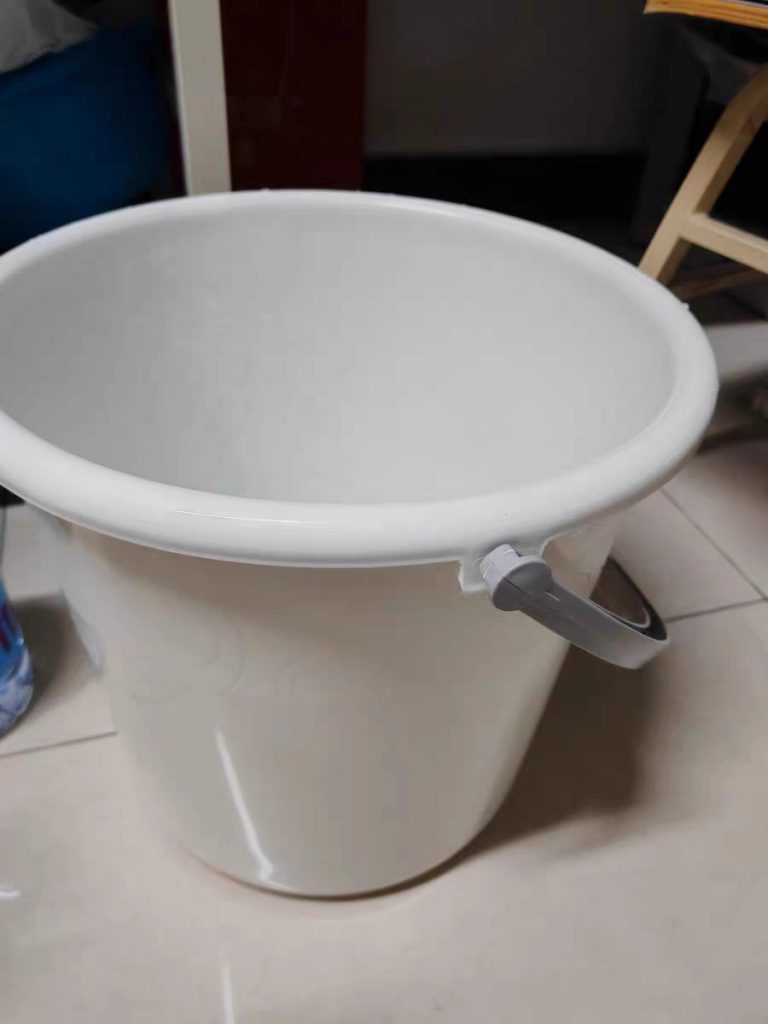
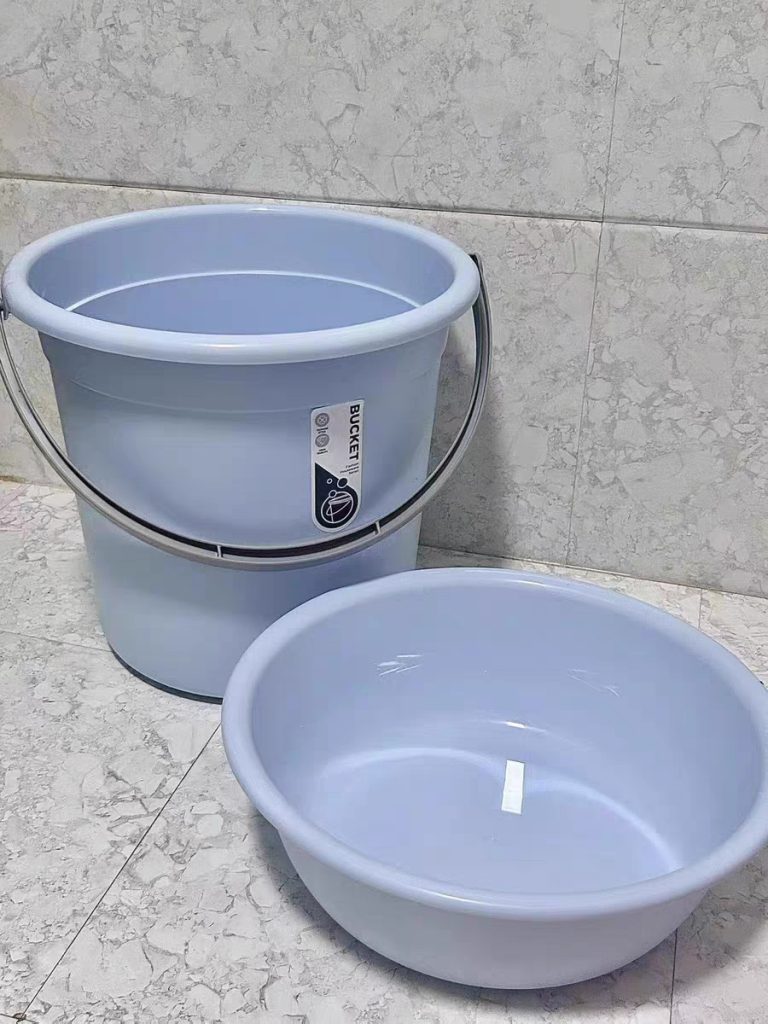
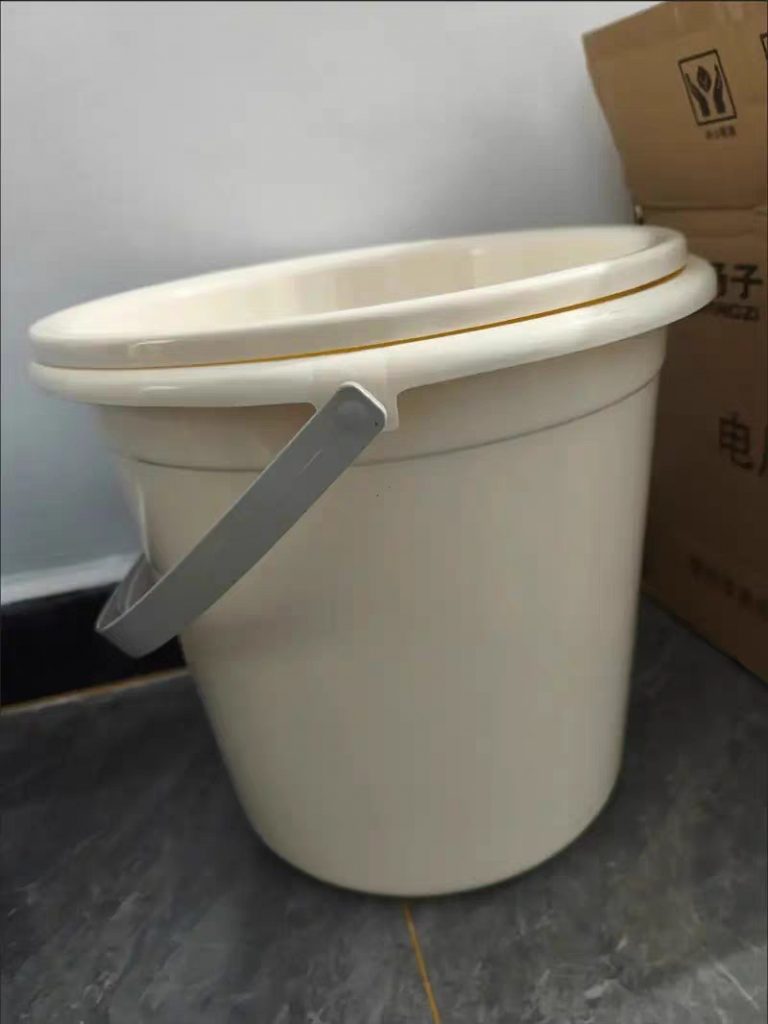
In the global supply chain for home hydration, the humble water bottle is undergoing a revolution. No longer just a simple container, the modern 5-gallon or 3-gallon bottle is a feat of engineering designed for durability, safety, and repeated use. For businesses looking to source these products, understanding the nuances of material science and manufacturing standards is critical.
🏭 Material Integrity: PC vs. PET
The most important decision in sourcing water bottles is the choice of polymer.
-
Polycarbonate (PC): Known for its incredible toughness and clarity. PC bottles are virtually unbreakable and can withstand high temperatures, making them ideal for hot-fill applications or sterilization. They are the industry standard for long-term use.
-
PET (Polyethylene Terephthalate): Lighter and more cost-effective, PET bottles are generally intended for single-use or short-term applications. While clear, they lack the impact resistance of PC and can deform under heat.
⚙️ Manufacturing Precision
The production of home water bottles relies heavily on advanced blow molding technology. Suppliers utilize either extrusion blow molding or injection stretch blow molding. The goal is to achieve uniform wall thickness to prevent weak spots that could lead to leaks or bursts under pressure. High-quality suppliers employ automated vision inspection systems to detect micro-cracks immediately after production.
🛡️ Safety and Compliance
Since these bottles store drinking water, safety is non-negotiable. Reputable manufacturers ensure their materials are BPA-free and comply with international food contact regulations. The neck finish (the threading) must be precision-engineered to fit standard water dispensers and caps securely, preventing contamination and leaks.
🌍 Logistics and Sustainability
Sourcing involves more than just the product; it involves logistics. Nesting designs allow empty bottles to stack inside one another, reducing shipping volume by up to 60%. Furthermore, leading suppliers are now incorporating recycled content (rPC) into their production lines to meet the growing demand for sustainable packaging solutions.
FAQ: Sourcing Water Bottles
Q1: What is the average lifespan of a polycarbonate water bottle?
A: A high-quality PC bottle can typically endure 50 to 100 refill cycles, depending on handling and sterilization methods. Proper care can extend this significantly.
Q2: Can I order custom colors or branding on the bottles?
A: Yes, most manufacturers offer color tinting during the raw material stage. Logo embossing or silk-screen printing on the bottle shoulder is also available for bulk orders.
Q3: How do suppliers handle mold costs for custom designs?
A: If you require a completely unique shape, a mold fee is standard. However, if you are using a standard existing mold with minor modifications, many suppliers waive these fees for large volume commitments.
Q4: What are the packaging options for shipping?
A: Bottles are typically shipped nested (stacked inside each other) in polyethylene bags, then placed in woven cartons or strapped onto pallets for container shipping.
User Review
Username: HydroHome_Sarah
Flag: 🇺🇸
Order ID: #CNWH-992834
Review: “We ordered 5,000 units of the 5-gallon PC bottles. The clarity is excellent and the necks are perfectly threaded—no issues with our dispensing machines. Delivery was on schedule.”
User Review
Username: AquaPure_Supplies
Flag: 🇬🇧
Order ID: #CNWH-88721
Review: “Very satisfied with the quality of the PET preforms. The supplier was transparent about the resin grade. Will be placing a larger order next quarter.”
User Review
Username: EcoFlow_Distributors
Flag: 🇦🇺
Order ID: #CNWH-774102
Review: “Great communication regarding the rPC (recycled) material. The bottles have a slight smoky tint which looks very premium. Consistent wall thickness across the batch.”


No reply content