The Evolution of China’s Umbrella Factories: Manufacturing Excellence, Innovation, and Global Impact

China Umbrella Customization Factory
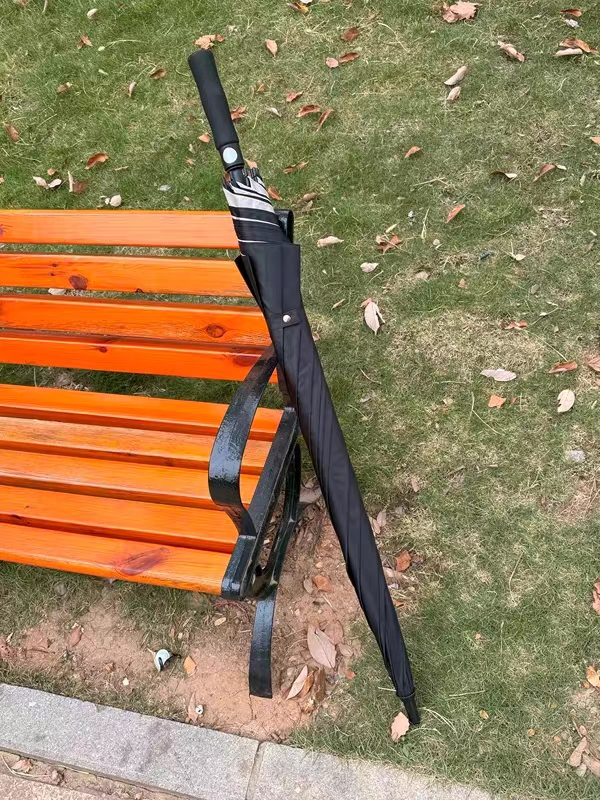
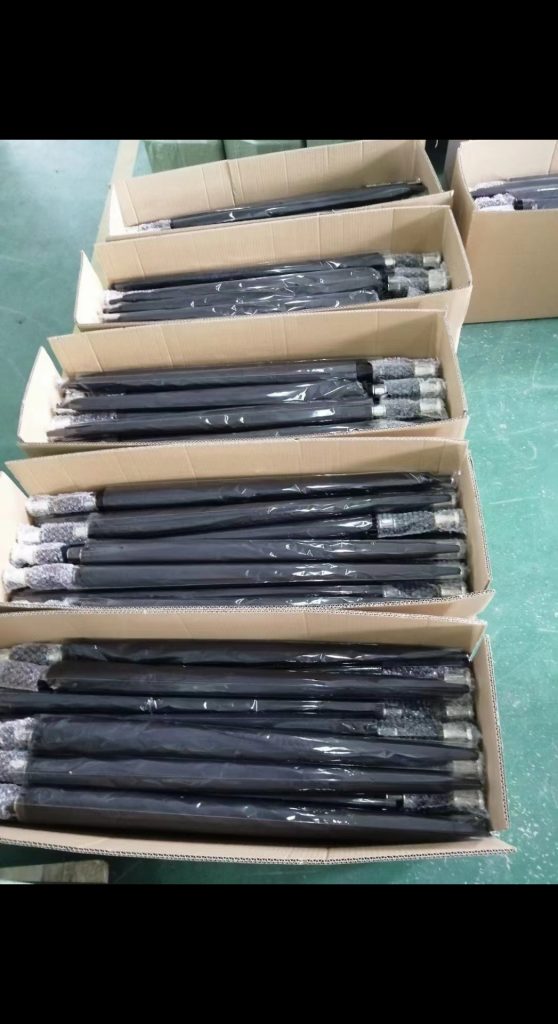
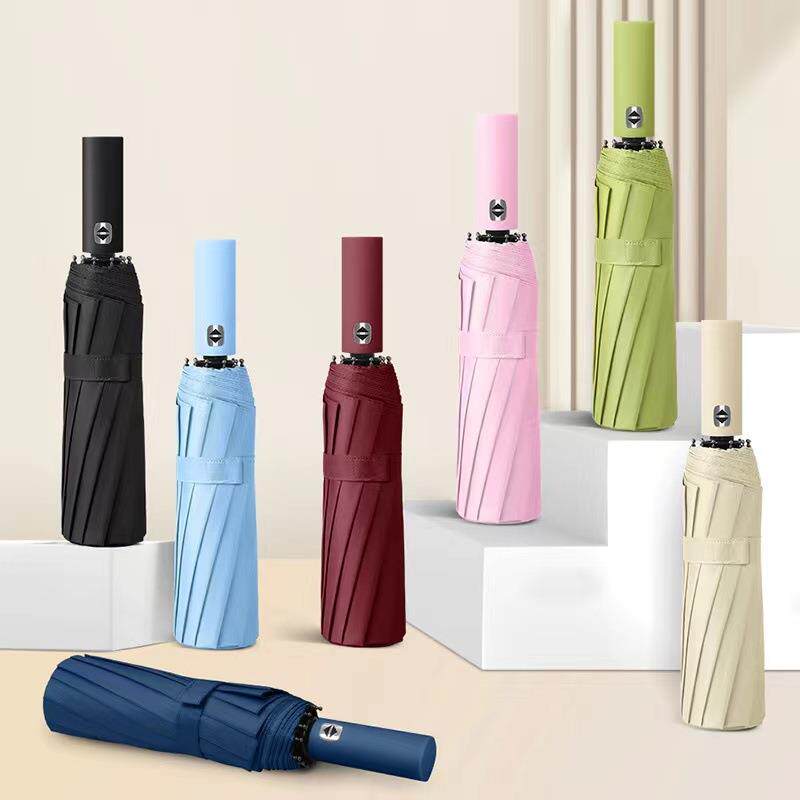
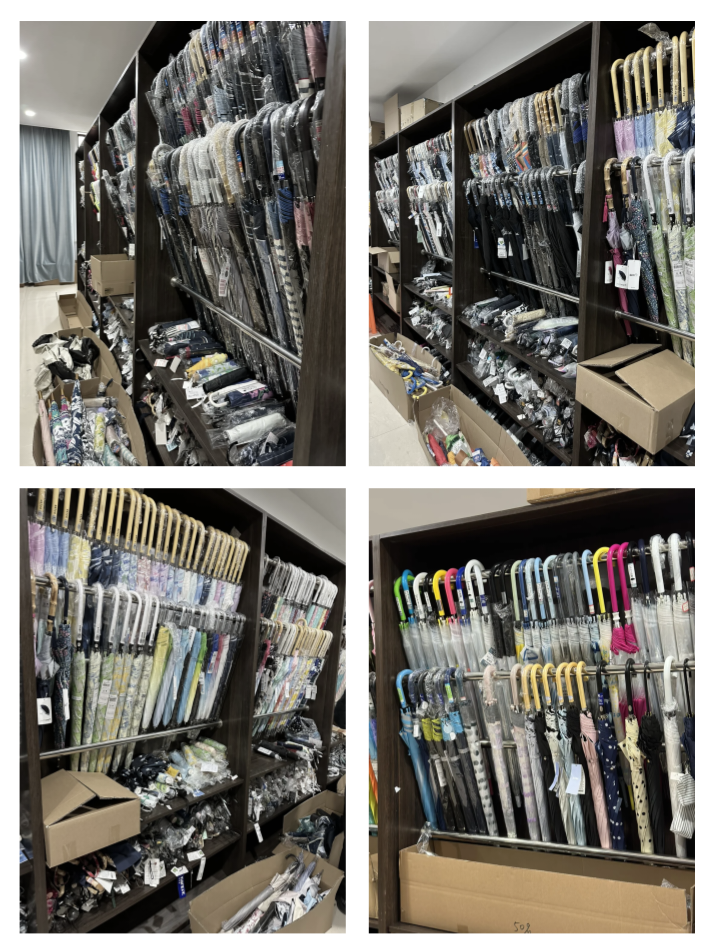
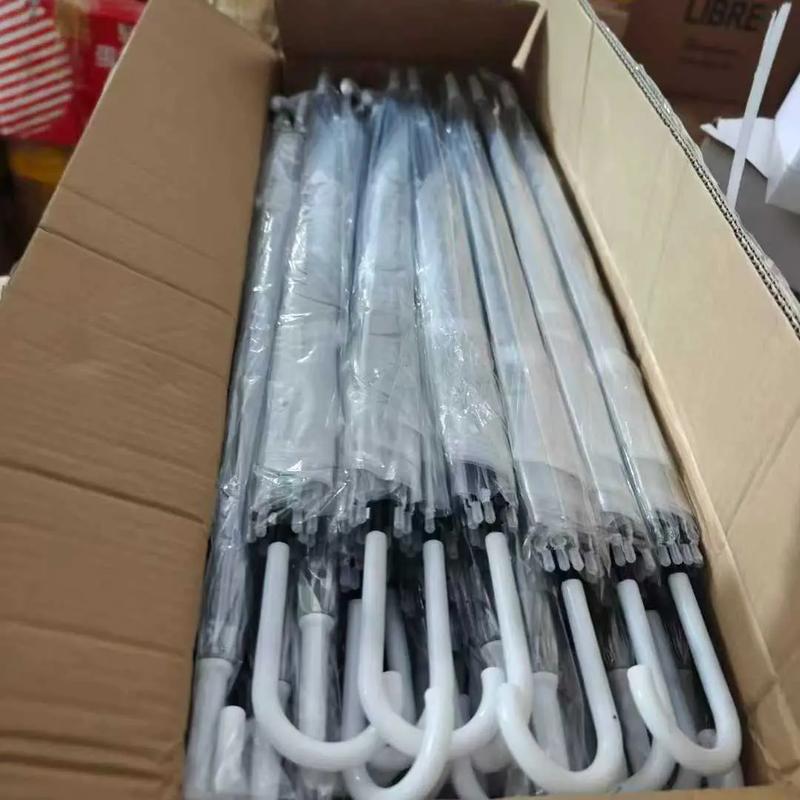
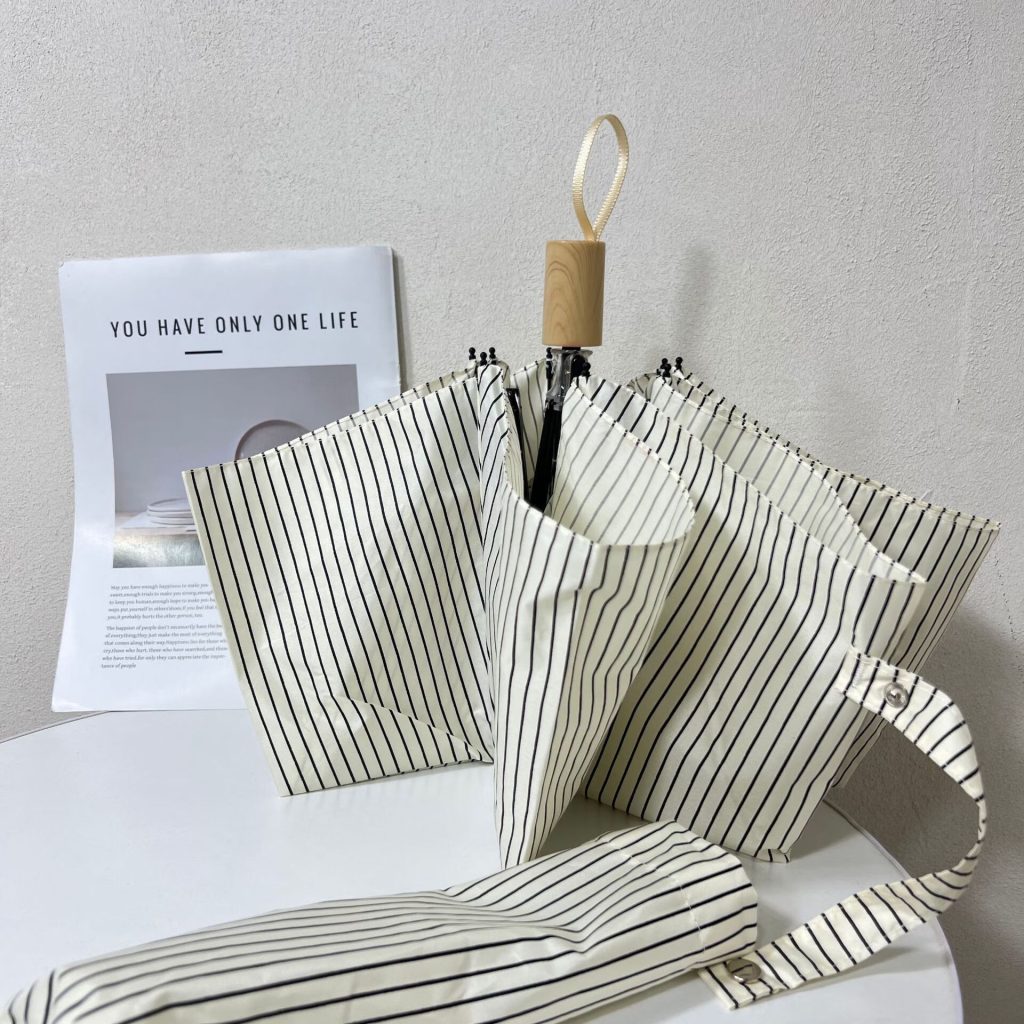
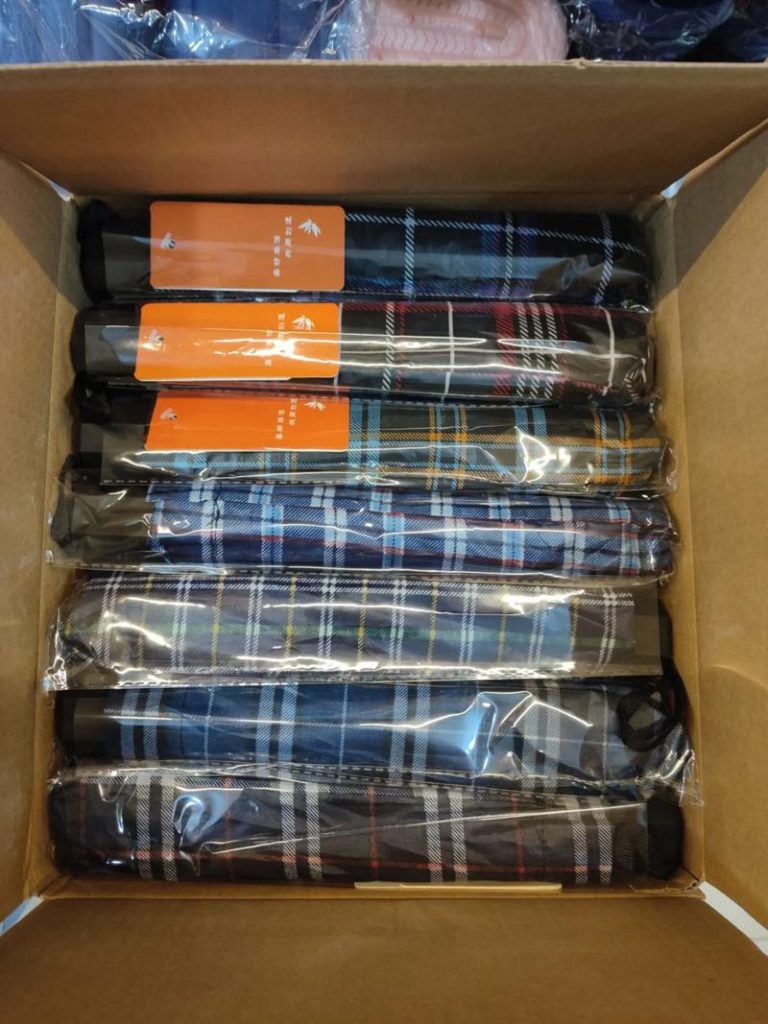
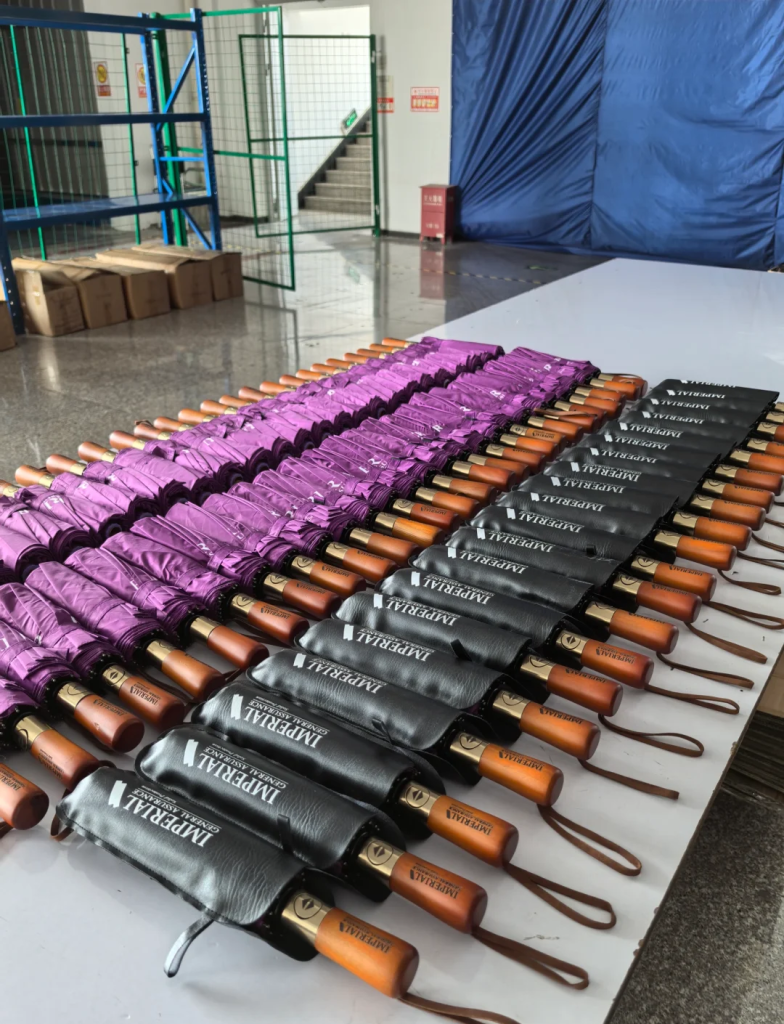
China’s umbrella factories represent a microcosm of the nation’s industrial transformation—a journey from small-scale artisanal workshops to sophisticated, technology-driven manufacturing powerhouses. As the world’s dominant producer of umbrellas, accounting for over 70% of global output, these facilities blend traditional craftsmanship with cutting-edge innovation, serving markets from Parisian fashion houses to American retail giants. This article explores the structure, capabilities, and future trajectory of China’s umbrella manufacturing sector, highlighting how it has redefined global standards for quality, customization, and efficiency.
1. The Industrial Landscape: From Humble Beginnings to Global Dominance
Historical Context
Umbrella making in China dates back centuries, with early records tracing to the Spring and Autumn Period (770–476 BCE). Traditional craftsmen used silk, bamboo, and lacquer to create ornate parasols for nobility. The modern industry emerged in the 1980s, fueled by economic reforms and export-oriented policies. Small family-run workshops in coastal provinces like Zhejiang, Fujian, and Guangdong began mass-producing simple rain umbrellas for international buyers, leveraging low labor costs and agile production.
By the 2000s, consolidation and investment transformed the sector. Family workshops evolved into medium-to-large factories, integrating assembly lines, quality control systems, and R&D departments. Today, China hosts over 3,000 specialized umbrella manufacturers, ranging from niche boutique producers to industrial giants capable of annual outputs exceeding 10 million units.
Geographic Clusters
Three regions dominate China’s umbrella production:
-
Yiwu (Zhejiang Province): Known as the “World’s Supermarket,” Yiwu is a hub for trading and small-batch production. Its wholesale markets showcase tens of thousands of umbrella designs, catering to retailers seeking diverse, low-cost options.
-
Shenzhen (Guangdong Province): A tech-centric metropolis where factories specialize in smart umbrellas with IoT sensors, GPS tracking, and solar-powered lighting. Proximity to electronics suppliers accelerates innovation.
-
Quanzhou/Fujian Province: Focuses on high-end outdoor umbrellas (patio, garden, golf) and luxury fashion accessories. Factories here emphasize durability testing (wind resistance up to 120 km/h) and premium materials like marine-grade aluminum frames.
2. Manufacturing Capabilities: Precision, Scale, and Flexibility
Automation and Smart Production
Modern Chinese umbrella factories leverage automation to enhance precision and efficiency:
-
Robotic Assembly Lines: Automated systems cut fabric, bend ribs, and assemble frames with micron-level accuracy. For instance, CNC machines shape fiberglass ribs that resist corrosion and bending.
-
AI-Powered Quality Control: Computer vision systems scan finished umbrellas for defects (misaligned seams, faulty auto-open mechanisms), rejecting flawed units instantly. One Fujian factory reports a 99.8% defect detection rate using AI.
-
Digital Inventory Management: RFID tags track materials from warehouse to shipment, minimizing waste and optimizing stock levels.
Despite automation, skilled artisans remain crucial for intricate tasks like hand-sewing embroidered logos or assembling luxury wooden handles.
Material Science Innovations
Chinese factories pioneer advanced materials to meet evolving demands:
-
Frames: Shift from steel (prone to rust) to lightweight alloys (aluminum, titanium) and composites (carbon fiber, fiberglass). Carbon fiber frames are 50% lighter yet 3x stronger than steel.
-
Fabrics: Polyester remains popular for affordability, but high-end models use Pongee (silky texture), recycled PET (eco-friendly), or Teflon-coated nylon (water-repellent). Some factories experiment with graphene-infused fabrics that conduct heat to melt snow.
-
Eco-Conscious Materials: Bamboo handles, biodegradable plastics, and fabrics made from ocean plastics appeal to sustainability-focused brands. A Zhejiang factory recently launched an umbrella with a canopy woven from 12 recycled plastic bottles.
Customization at Scale
OEM (Original Equipment Manufacturing) and ODM (Original Design Manufacturing) services enable brands to create bespoke products:
-
Design Flexibility: Factories accept CAD files for unique shapes (heart-shaped canopies, telescopic poles) and Pantone color codes for precise branding.
-
Low Minimum Order Quantities (MOQs): While traditional MOQs were 1,000+ units, many factories now accommodate orders as small as 100–300 units using modular production systems.
-
Rapid Prototyping: 3D printing allows factories to produce functional prototypes within 48 hours, accelerating design validation.
3. Quality Control: Meeting Global Standards
Certifications and Compliance
Top-tier factories adhere to international certifications:
-
ISO 9001: Ensures standardized quality management processes.
-
BSCI (Business Social Compliance Initiative): Audits labor practices, prohibiting child labor and mandating safe working conditions.
-
REACH/SVHC: Complies with EU chemical regulations for hazardous substances.
-
CPSIA: Meets U.S. Consumer Product Safety Improvement Act standards for lead content and mechanical hazards.
Multi-Stage Inspection Protocols
Factories implement rigorous checks:
-
Raw Material Testing: Fabrics undergo tensile strength tests; metal frames are stress-tested for load-bearing capacity.
-
In-Process Audits: Supervisors verify alignment of ribs, tension of canopy fabric, and smoothness of opening/closing mechanisms.
-
Final Random Sampling: Using ANSI/ASQ Z1.4 (AQL) standards, inspectors sample 5–10% of each batch for defects like loose stitches or broken springs.
Third-party agencies like SGS or Intertek conduct surprise audits, issuing certificates that reassure overseas buyers.
4. Supply Chain Integration
China’s umbrella factories thrive on vertically integrated ecosystems:
-
Local Component Suppliers: Steel mills, plastic injection molders, and textile mills operate within 50km of major factories, enabling just-in-time deliveries.
-
Logistics Networks: Partnerships with freight forwarders streamline shipping via sea (cost-effective for bulk orders), air (urgent prototypes), or rail (to Europe via the Belt and Road Initiative).
-
Packaging Solutions: Factories provide customized packaging—from blister packs for retail displays to eco-friendly mailers for e-commerce.
This integration reduces lead times to 15–30 days, compared to 60+ days in decentralized supply chains.
5. Innovation Drivers: Sustainability, Technology, and Personalization
Green Manufacturing
Responding to global ESG (Environmental, Social, Governance) trends, factories adopt sustainable practices:
-
Solar Energy: Rooftop solar panels power 30% of energy needs in progressive factories.
-
Water Recycling: Dyeing and finishing processes reuse 80% of water through filtration systems.
-
Zero-Waste Initiatives: Scraps of fabric and metal are repurposed into smaller accessories (keychains, bag tags).
Smart Umbrella Revolution
Shenzhen-led innovation has birthed “smart umbrellas” with features like:
-
Weather Apps Integration: Bluetooth connectivity syncs with weather forecasts to alert users of incoming rain.
-
Anti-Lost Trackers: GPS-enabled chips pair with smartphone apps to locate misplaced umbrellas.
-
Self-Healing Canopies: Nanocoatings repair minor tears when exposed to sunlight.
Hyper-Personalization
Digital printing enables on-demand customization:
-
Photo Umbrellas: Customers upload images (family photos, pet portraits) for direct printing on canopies.
-
Monogramming: Laser engraving adds initials to wooden or metal handles.
-
Modular Designs: Interchangeable canopies (sun/rain) and handles cater to changing user preferences.
6. Challenges and Future Outlook
Persistent Challenges
-
Rising Labor Costs: Average wages in coastal provinces have tripled since 2010, pushing some factories inland or toward automation.
-
Intellectual Property Risks: Copycat designs remain an issue despite patent protections.
-
Global Competition: Countries like Vietnam and Bangladesh offer lower labor costs but lack China’s supply chain maturity.
Future Trajectories
-
AI-Driven Design: Generative AI will create optimized umbrella structures balancing weight, strength, and cost.
-
Biodegradable Materials: Research focuses on mushroom-based leather handles and algae-derived fabrics.
-
Circular Economy Models: Factories will offer take-back programs to recycle old umbrellas into new products.
Conclusion
China’s umbrella factories exemplify the nation’s manufacturing prowess—merging age-old craftsmanship with relentless innovation. They deliver not just products but complete solutions encompassing design, engineering, and logistics. As sustainability and smart technology reshape consumer expectations, these factories are poised to lead the next wave of innovation, proving that even a humble object like an umbrella can embody industrial excellence. For global brands, partnering with Chinese manufacturers means accessing a dynamic ecosystem where tradition meets tomorrow.


No reply content