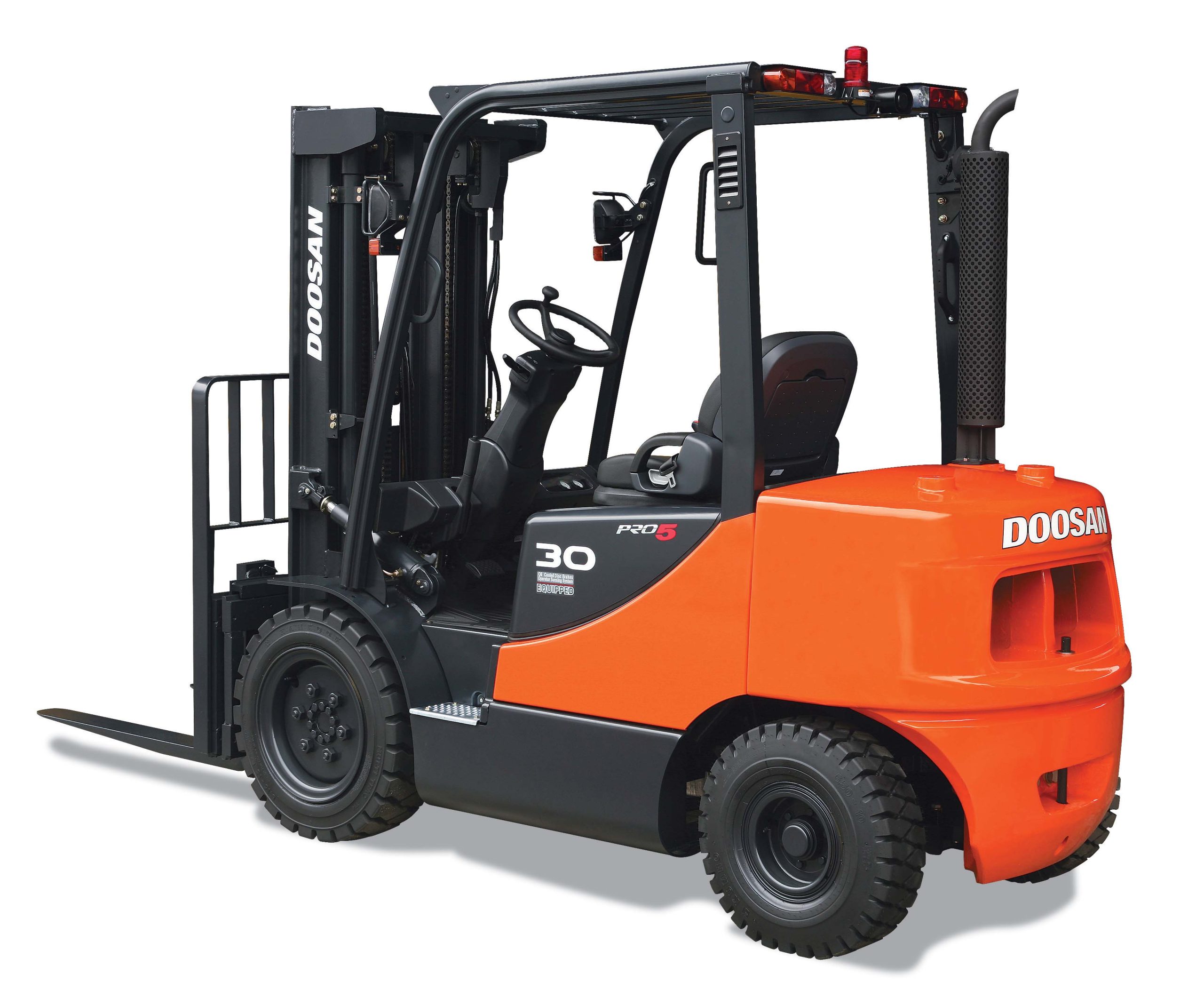
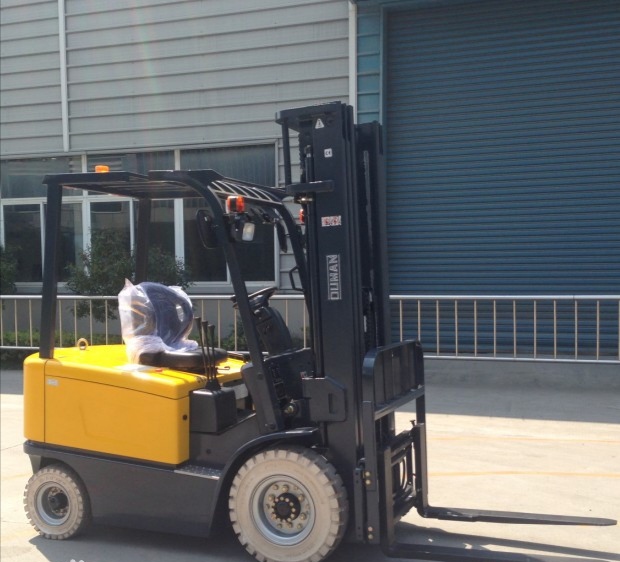
Once you understand what type of forklift you need, the next step is finding a reliable supplier and the right machine at the right price. Whether you are buying for a warehouse, construction site, factory, or logistics center, sourcing forklifts requires a structured approach.
Below is a practical guide to help you find and purchase a quality forklift efficiently.
1. Define Your Exact Requirements First
Before searching, confirm:
- Required load capacity (e.g., 2 ton, 3 ton, 5 ton)
- Lift height
- Indoor or outdoor use
- Power type (electric, diesel, LPG)
- Aisle width limitations
- Budget range
- New or used preference
Having clear specifications prevents wasting time on unsuitable equipment.
2. Search Through Reliable Channels
A. Local Authorized Dealers
Buying from a local dealer offers:
- Equipment inspection before purchase
- Warranty support
- Spare parts availability
- On-site service
This is often the safest option for long-term use.
B. Direct From Manufacturers
Major forklift manufacturers include:
- Toyota Industries
- KION Group
- Hyster-Yale
- Anhui Heli
- Hangcha Group
Purchasing directly from manufacturers or their official distributors ensures authenticity and better pricing for bulk orders.
C. Online B2B Platforms
Many suppliers list forklifts on:
- Industrial marketplaces
- Equipment trading websites
- Manufacturer websites
When buying online:
- Request detailed specifications
- Ask for factory photos or videos
- Verify company registration
- Confirm certifications
D. Equipment Auctions
Industrial equipment auctions may offer lower prices, but:
- Equipment is often sold “as-is”
- Warranty may not be included
- Inspection is essential
Suitable for experienced buyers.
3. Inspect Before You Buy
If possible, inspect the forklift physically or request a live video inspection.
Check:
- Mast condition
- Hydraulic system
- Tire wear
- Engine performance (diesel/LPG)
- Battery health (electric)
- Error codes or dashboard alerts
- Service history
A short test drive can reveal steering and brake issues.
4. Compare Pricing Carefully
Do not choose based only on the lowest price.
Compare:
- Base machine cost
- Delivery fee
- Spare parts package
- Warranty length
- Financing options
- Maintenance contract
A slightly higher price may include better long-term support.
5. Verify Certifications and Compliance
Ensure the forklift complies with:
- Local safety regulations
- Emission standards
- Workplace inspection requirements
Check for:
- CE certification
- ISO manufacturing standards
- EPA emission compliance (if applicable)
6. Evaluate After-Sales Support
Good suppliers provide:
- Spare parts inventory
- Technical support
- Training for operators
- Service response time
Lack of service support can lead to expensive downtime.
7. Consider Renting Before Buying
If unsure, consider short-term rental:
- Test suitability
- Evaluate performance
- Reduce upfront investment
Rental can help determine whether the forklift fits your operation.
8. Financing Options
Some suppliers offer:
- Installment payment plans
- Leasing programs
- Trade-in options
Financing helps reduce capital pressure.
9. Warning Signs to Avoid
Be cautious if:
- Price is unrealistically low
- Seller refuses inspection
- No company registration available
- No warranty provided
- Payment requested without formal contract
Professional suppliers operate transparently.
10. Final Checklist Before Purchase
✔ Confirm load capacity and lift height
✔ Verify power source suitability
✔ Inspect machine condition
✔ Confirm warranty terms
✔ Review service support availability
✔ Compare total cost of ownership
Conclusion
Finding the right forklift is not only about choosing a good machine—it’s about selecting the right supplier, ensuring quality, and securing long-term service support. By clearly defining your needs, researching reputable sources, inspecting equipment carefully, and comparing total costs, you can confidently purchase a forklift that improves productivity and safety in your operation.
A well-sourced forklift is a long-term investment in operational efficiency.


No reply content