As the modern world evolves, traditional housing is increasingly challenged by urban crowding, rising costs, and the demand for sustainable living. In response, innovative housing solutions such as mobile homes, space pods, and container houses have emerged, offering flexible, efficient, and environmentally friendly alternatives to conventional construction. This article explores these housing types, their design philosophies, materials, applications, and potential to redefine the future of living.
Mobile Homes: Freedom with Functionality
Mobile homes are designed to offer the comfort of a conventional house while retaining full mobility. Contemporary mobile homes are constructed using lightweight steel or aluminum frames, high-density panels, and advanced insulation materials. Interiors often include:
- Fully equipped kitchens and bathrooms
- Energy-efficient lighting and heating systems
- Smart home technologies for temperature and security control
- Modular furniture for adaptable living spaces
Advantages:
Mobile homes provide unparalleled flexibility. They are ideal for vacation homes, temporary residences, and even long-term living for those who prefer a mobile lifestyle. Additionally, their modular production allows for customization in layout, finishes, and additional amenities, making them both practical and stylish.
Space Pods: Compact Living for Modern Lifestyles
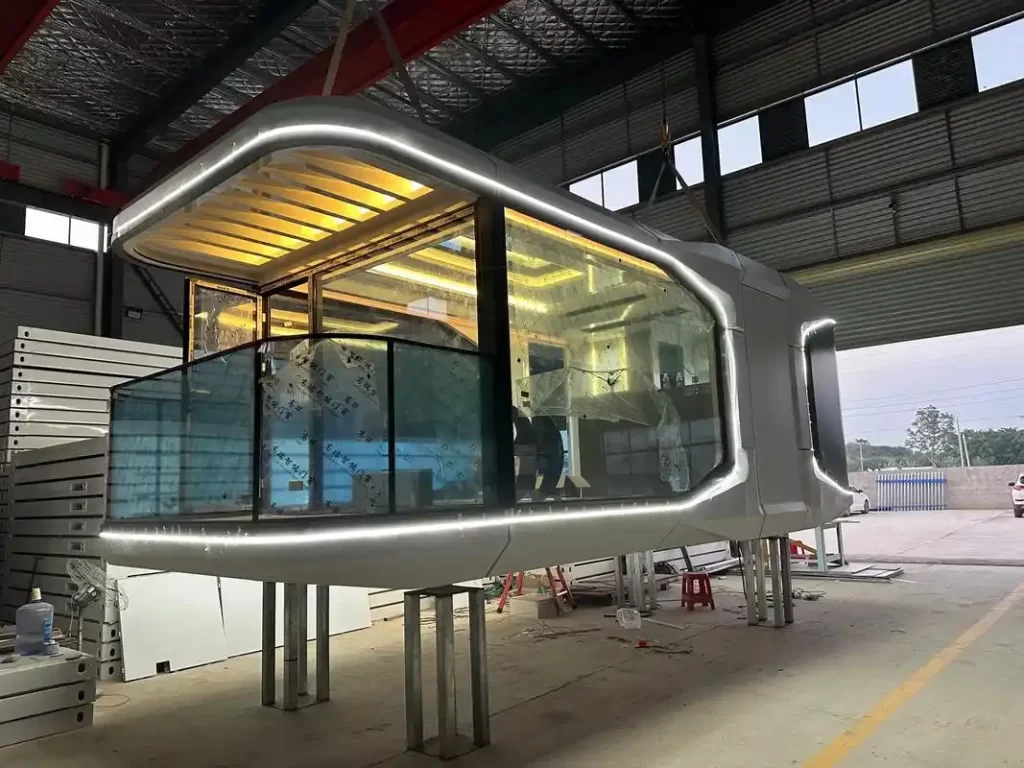
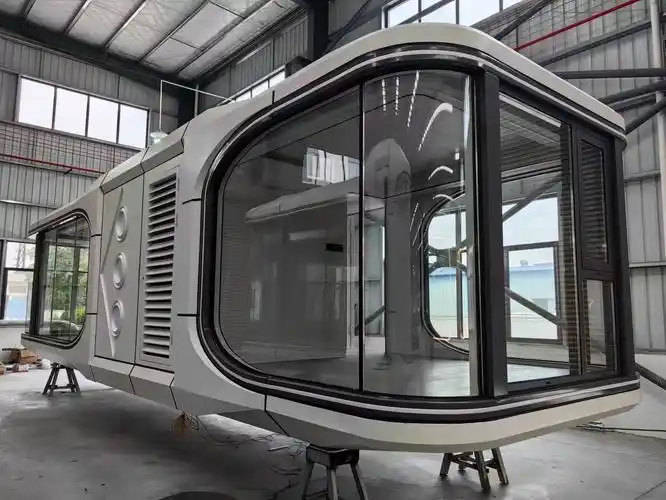
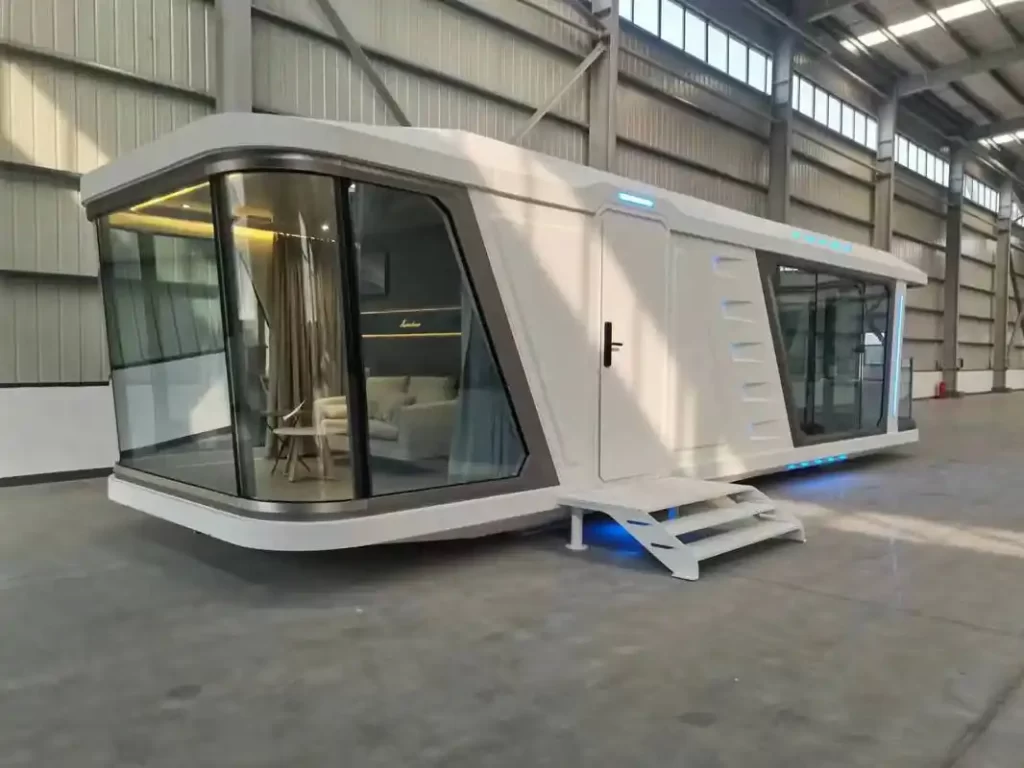
Space pods represent a futuristic approach to micro-living. Compact yet highly functional, they are often employed in urban areas, tourist accommodations, or emergency housing projects. Typically ranging from 10 to 30 square meters, space pods maximize every inch of space through multifunctional furniture, foldable beds, and smart storage solutions.
Construction Materials and Features:
- Lightweight alloys and reinforced composites for durability
- Integrated climate control and ventilation systems
- Energy-efficient lighting and IoT-based smart systems
- Modular design enabling stacking or clustering of units
Space pods are perfect for single occupants, students, or professionals seeking affordable, convenient, and technologically integrated housing. Their modularity allows them to form larger complexes while preserving privacy and efficient space usage.
Container Houses: Sustainability and Strength
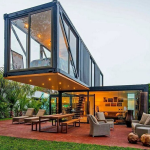
Container houses utilize repurposed shipping containers to create durable, affordable, and environmentally responsible living spaces. Standard containers, made of weather-resistant Corten steel, are retrofitted with insulation, electrical wiring, plumbing, and interior finishes to meet modern living standards.
Design Flexibility:
- Single or multi-container arrangements for larger homes
- Rooftop gardens, terraces, and outdoor extensions
- Solar panels, rainwater collection, and sustainable energy systems
- Modular interiors with movable walls and adjustable layouts
Container houses are widely used in urban infill projects, remote locations, emergency housing, and commercial spaces due to their strength, adaptability, and cost efficiency. Their modular nature enables rapid construction and relocation when needed.
Key Benefits Across Modular Housing Types
| Housing Type | Mobility | Space Efficiency | Sustainability | Cost Efficiency | Ideal Use Cases |
|---|---|---|---|---|---|
| Mobile Homes | High | Medium | Medium | Medium | Vacation homes, temporary or long-term living |
| Space Pods | Medium | High | Medium | Medium | Urban micro-apartments, tourist accommodations, emergency housing |
| Container Houses | Low | High | High | High | Affordable housing, offices, remote or off-grid locations |
Across all types, these housing solutions offer several advantages:
- Rapid Deployment: Prefabrication allows faster setup compared to traditional construction.
- Eco-Friendly Design: Recycled or sustainable materials reduce environmental impact.
- Cost Savings: Lower material and labor costs make them accessible alternatives.
- Flexibility: Modular structures can be expanded, relocated, or reconfigured according to changing needs.
Applications and Use Cases
- Urban Micro-Living: Space pods and container houses provide compact, affordable solutions for city residents facing high property prices.
- Vacation or Seasonal Housing: Mobile homes allow families to relocate easily for holidays or seasonal work.
- Emergency and Disaster Relief: Container houses and modular space pods can be rapidly deployed to provide safe shelters.
- Remote Work and Research Stations: Portable units support off-grid living, scientific research, and fieldwork accommodations.
Future Outlook
The future of modular housing is promising. Advancements in sustainable materials, energy efficiency, and smart home technologies will continue to enhance these living solutions. Cities may integrate modular complexes into urban planning, while rural and remote areas can adopt container-based or mobile housing to address housing shortages. The continued emphasis on flexibility, environmental responsibility, and innovative design ensures that mobile homes, space pods, and container houses will play an increasingly vital role in global housing solutions.
Conclusion
Mobile homes, space pods, and container houses redefine modern living by addressing the challenges of affordability, sustainability, and flexibility. They offer versatile solutions for diverse scenarios, from urban micro-living to emergency shelters, combining smart design with practical functionality. As modular housing becomes more mainstream, these innovations are set to transform the way people live, work, and interact with their environment, making adaptable, efficient, and eco-conscious homes a cornerstone of the future.


No reply content