
Dongguan PremiumGift BoxPackaging
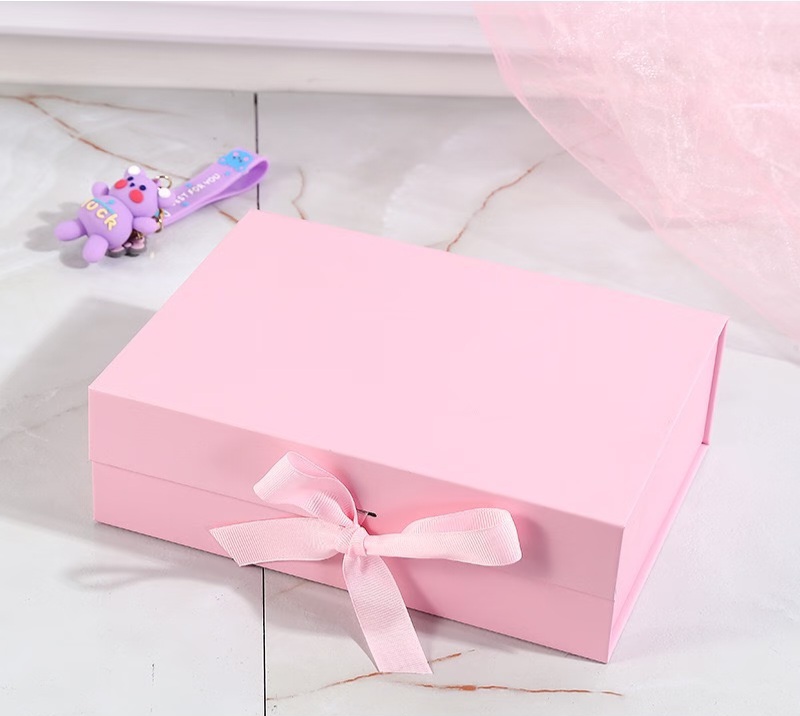
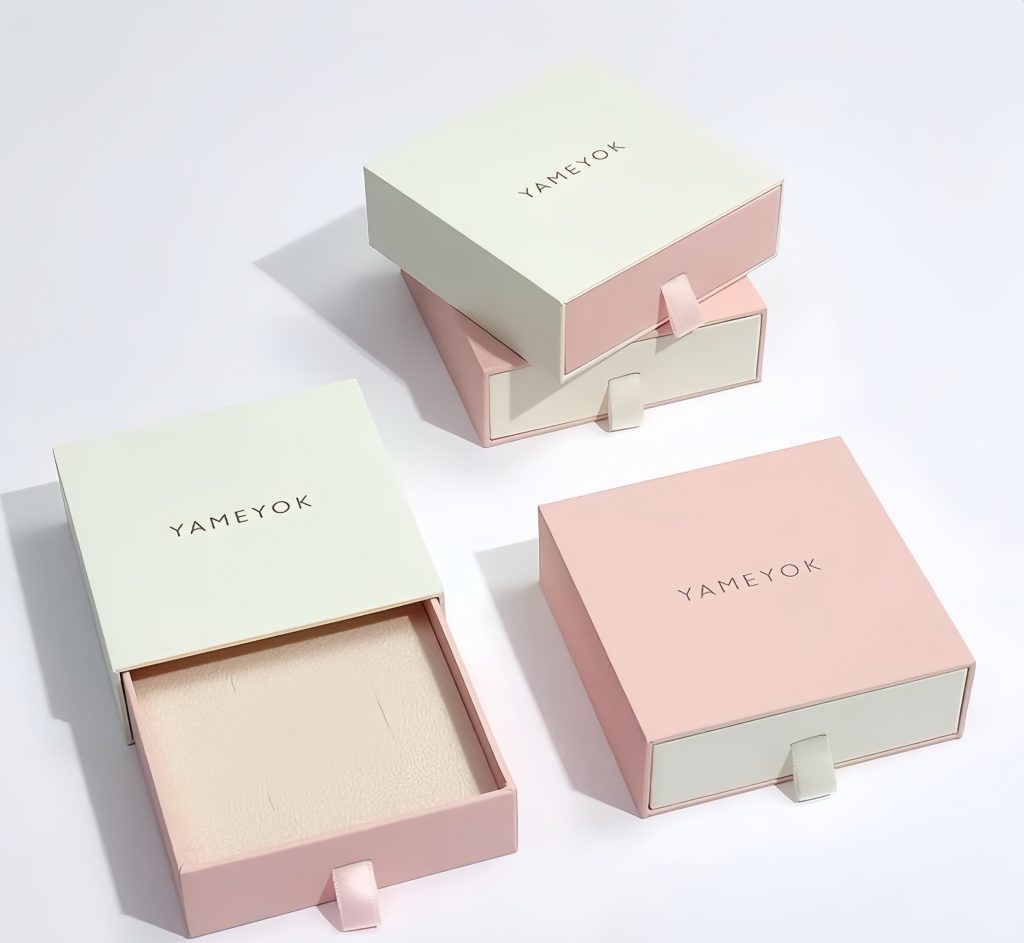
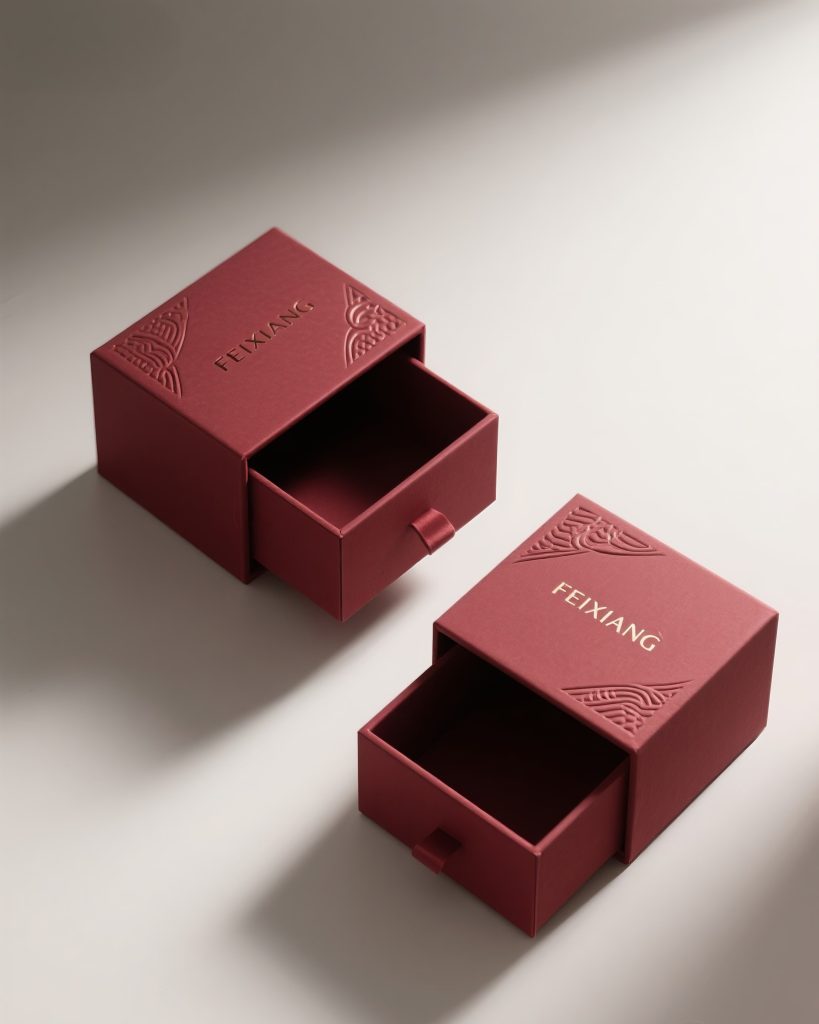
In a Dubai penthouse overlooking the Burj Khalifa, a host lifts the lid of a mahogany-colored box. The air catches the light as gold foil patterns ripple across its surface—interlacing stars, arabesque vines, and verses from the Quran rendered in elegant Kufic script. Inside, a silk-wrapped timepiece rests on a bed of saffron-dyed velvet. This is the Arabic pattern luxury gift box: a masterpiece where geometry meets grandeur, and tradition dances with extravagance. For centuries, such packaging has been the silent language of Middle Eastern hospitality, signaling respect, status, and the unspoken promise of a bond worth celebrating.
I. The Cultural Canvas: Roots of Arabic Pattern Design
To understand these boxes, one must first decode the visual vocabulary of Arabic patterns—an artistic tradition spanning over a millennium, shaped by Islamic theology, regional geography, and cross-cultural exchange. Unlike Western ornamentation, which often prioritizes realism, Arabic design embraces abstraction, using repetition and symmetry to evoke infinity and divine order.
A. Geometric Symmetry: The Language of the Cosmos
Islamic art avoids figural representation, instead turning to geometry to express spiritual ideals. Common motifs include:
-
Eight-Pointed Stars: Symbolizing the unity of heaven and earth, formed by overlapping squares rotated 45 degrees.
-
Interlaced Hexagons: Representing the honeycomb—nature’s perfect structure—and the interconnectedness of creation.
-
Girih Tiles: Complex star-and-polygon patterns used in mosque domes, adapted for box surfaces to create mesmerizing depth.
These patterns are not random; they follow mathematical principles (like the golden ratio) that artisans have perfected over generations. A single box might contain 10,000 hand-drawn lines, each aligned to create a sense of boundless expansion—a visual metaphor for God’s infinite mercy.
B. Calligraphic Grace: Words as Ornament
Kufic script, with its angular, geometric letters, is a staple of luxury packaging. Verses from the Quran (e.g., “Blessed is He who sent down the Criterion to His servant”) or poetic phrases (“My heart is a bird of the desert”) are often integrated into borders or central medallions. The direction of the script—flowing right to left—adds dynamism, as if the words are unfolding across the box.
C. Floral Abundance: Paradise on Earth
Arabesques—curving vines with stylized flowers (roses, tulips, cypresses)—draw inspiration from Persian gardens and Andalusian palaces. These motifs symbolize paradise (Jannah), with each bloom representing a virtue: the rose for love, the cypress for eternity. On gift boxes, they often frame central designs, creating a “garden” around the gift within.
II. Gold Foil: The Liquid Sun of Luxury
If patterns are the soul of the box, gold foil is its beating heart. In Middle Eastern culture, gold transcends materialism—it is a symbol of purity, prosperity, and divine light. The Quran describes paradise as a place “where rivers flow with water, milk, wine, and honey, and the shade is of gold,” cementing gold’s association with transcendence.
A. The Art of Foil Stamping
Applying gold foil to cardboard is a craft requiring precision:
-
Die Cutting: Artisans carve steel dies into the inverse of the desired pattern—sharp edges for crisp lines, curved grooves for floral swirls.
-
Heat Activation: The die is heated to 120–150°C and pressed onto foil-backed paper, transferring the gold layer onto the box surface.
-
Layering: Multiple foil colors (pure gold, rose gold, antique bronze) are applied sequentially to create depth—e.g., a silver outline filled with gold, then highlighted with rose gold accents.
The result is a design that catches light differently from every angle: in daylight, it gleams like desert sun; under chandeliers, it casts warm, dancing shadows.
B. Symbolism in Shades
-
Pure Gold: Reserved for royal occasions or gifts to elders, symbolizing respect and legacy.
-
Rose Gold: Popular among younger generations, blending modernity with tradition—often paired with pastel patterns for weddings.
-
Antique Gold: Mimicking aged metal, used for vintage-themed gifts (e.g., commemorating a family milestone).
III. The Psychology of Gifting: Status, Respect, and Relationship Building
In Middle Eastern societies, gift-giving is a social ritual as intricate as the patterns on these boxes. A luxury gift box is never just packaging—it is a nonverbal communicator of intent.
A. Signaling Hierarchy
For business leaders, a box with elaborate geometric patterns and thick gold foil conveys seriousness and investment in the relationship. At a Riyadh corporate summit, a CEO presenting a partnership proposal in such a box sends a clear message: “Our collaboration is as enduring as these patterns.”
B. Marking Lifetime Milestones
Weddings demand the most ornate designs. A Kuwaiti bride might receive a box with interlocking crescents (symbolizing the union of two souls) and the couple’s names woven into Kufic script. For a 50th wedding anniversary, boxes often feature cypress trees (eternal life) and verses about enduring love.
C. Hospitality as Identity
Hosting guests is a cornerstone of Arab culture, and a lavishly wrapped gift (even a return gift) demonstrates karam (generosity). A Beirut host might use a box with Lebanese cedar motifs and gold-embossed olive branches to thank visitors, tying the gift to local identity.
IV. The Unboxing Ritual: A Multisensory Experience
Opening an Arabic pattern luxury box is a performance in itself, designed to build anticipation and honor the recipient.
A. The Visual Prelude
The box is often displayed before opening—placed on a silk cloth, its patterns reflecting in polished metal trays. Guests might circle it, admiring the symmetry, before the host finally lifts the lid.
B. Tactile Delights
-
Weight: Heavy, rigid cardboard (2–3mm thick) signals quality, unlike flimsy commercial boxes.
-
Texture: The foil’s slight raised edges can be felt with fingertips, adding a tactile dimension to the visual design.
-
Lining: Saffron-yellow or emerald-green velvet (colors of wealth in Arab culture) lines the interior, cradling the gift like a jewel.
C. Olfactory Notes
Some boxes are scented with oud (agarwood) or rosewater—fragrances synonymous with Arabian luxury. A whiff of oud as the lid opens evokes memories of souks and royal courts, enhancing the emotional impact.
V. Regional Variations: A Tapestry of Local Identity
While Arabic patterns share common roots, regional adaptations reflect local history and environment.
A. Gulf States: Opulence and Modernity
In Saudi Arabia and the UAE, boxes often feature bold geometric patterns and large gold medallions, mirroring the skyscrapers of Dubai or the grandeur of Riyadh’s palaces. Recent trends include mixing traditional patterns with abstract art, appealing to younger, cosmopolitan buyers.
B. Levant: Poetic Elegance
Lebanon and Syria favor more fluid designs, with delicate arabesques and calligraphy that flows like a river. Boxes from this region often include verses from Sufi poetry, reflecting the area’s mystical traditions.
C. North Africa: Desert Inspiration
Morocco and Algeria incorporate Berber motifs—zigzag lines (representing mountains) and lozenge shapes (symbolizing eyes watching over the home). These designs are often paired with indigo-dyed patterns, a nod to the region’s historic textile arts.
VI. Craftsmanship: The Human Hand Behind the Glory
Each box is a collaboration between designer and artisan, a process that can take weeks.
A. The Designer’s Vision
A designer might start with a client’s request (e.g., “a box for my daughter’s graduation”) and sketch patterns that tell a story: a tree of knowledge (books as leaves), a compass (guiding her path), all framed in Kufic script with her name.
B. The Artisan’s Skill
-
Paper Selection: Only acid-free, FSC-certified cardboard is used to prevent yellowing—essential for boxes meant to be kept as heirlooms.
-
Tool Mastery: Artisans sharpen dies by hand, ensuring each line is sharp enough to cut through foil without tearing the paper.
-
Quality Control: A single misaligned foil line can ruin a box, so each piece is inspected under magnifying lamps.
Some workshops in Cairo and Istanbul still use 19th-century presses, where foot pedals control the pressure—a rhythmic, meditative process that connects modern boxes to their historical roots.
VII. Sustainability: Luxury with a Conscience
Paradoxically, the most sought-after boxes now blend opulence with ethics.
A. Responsible Sourcing
-
Gold Foil: Sourced from refineries certified by the Responsible Jewellery Council, ensuring no conflict minerals.
-
Materials: Recycled cardboard and water-based adhesives reduce environmental impact.
-
Local Production: Boxes made in the Middle East (rather than imported) support local artisans and cut carbon emissions.
B. The “Heirloom Promise”
Many brands offer repair services—replacing worn foil, reupholstering linings—so boxes can be passed down through generations. A box given at a child’s birth might later hold their wedding ring, its patterns now carrying the patina of time.
VIII. The Future: Tradition in a Digital Age
As the Middle East embraces technology, Arabic pattern boxes are evolving.
A. Augmented Reality (AR)
Scanning a box with a phone can trigger a 3D animation of the patterns unfolding, or a video of the artisan explaining the design. This bridges the gap between physical and digital, appealing to tech-savvy youth.
B. Customization at Scale
Online tools let clients design their own boxes: choose patterns, add names in calligraphy, select foil colors. Algorithms ensure the design remains balanced, even with personal touches.
Yet the core remains unchanged. A 2025 survey of Middle Eastern consumers found that 89% still prefer handcrafted boxes over machine-made ones, valuing the “soul” of the human touch.
Conclusion: The Box as a Bridge Between Worlds
The Arabic pattern luxury gift box is more than a container; it is a cultural bridge. It carries the weight of 1,400 years of artistic tradition, the warmth of Bedouin hospitality, and the ambition of modern cities. When a Qatari father gives his son a box with a falcon motif (symbolizing strength) and gold-embossed proverbs, he is not just giving a gift—he is passing down a story, a set of values, a piece of his identity.
In a world of disposable packaging, these boxes stand as a defiant celebration of permanence. They remind us that the most meaningful gifts are not the most expensive, but the ones wrapped in the care of a culture that has spent centuries perfecting the art of saying, “You are valued.” As the gold foil catches the light, it does not just reflect the present—it illuminates the bonds that connect us, now and for generations to come.


No reply content