
Dongguan PremiumGift BoxPackaging

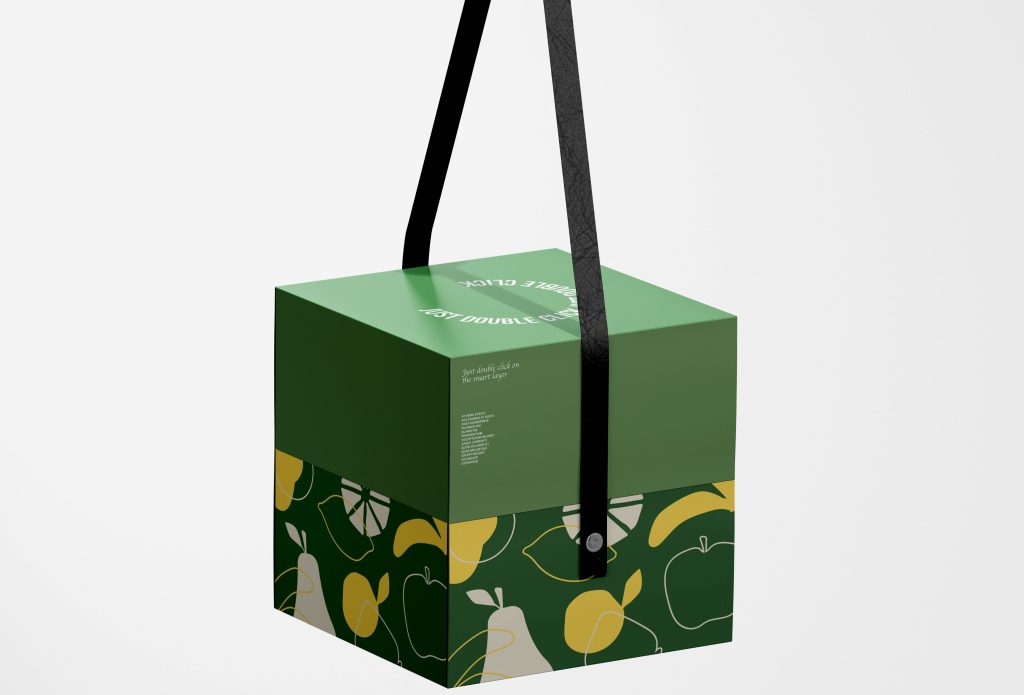
In the hushed glow of a private viewing room, a collector’s fingers hover above a small, rectangular box. The surface gleams faintly under soft lighting—not the harsh shine of cheap lacquer, but the warm radiance of gold leaf pressed into rich, dark cardboard. With a gentle lift of the lid, a cloud of midnight-blue velvet unfurls, its nap so dense it seems to swallow light. Nestled within, a diamond necklace rests like a star fallen from the sky. This is the power of the luxury velvet-lined gift box with gold embossed packaging: not merely a container, but a prelude to the treasure within, a tactile poem written in texture and light. For high-end jewelry and perfume brands, such packaging transcends utility; it becomes an extension of the product’s soul, transforming the act of receiving into an unforgettable ritual of opulence.
I. The Psychology of Luxury Packaging: Why Texture and Prestige Matter
A. The Neuroscience of Touch
Human brains process tactile sensations faster than visual ones. When fingers brush against velvet—its fibers interlocking to create a uniquely soft yet resilient surface—the somatosensory cortex activates regions associated with pleasure and comfort. Studies in consumer behavior reveal that textured packaging increases perceived value by up to 30%, as touch bypasses rational analysis and taps directly into emotional response. For high-net-worth individuals accustomed to rarity, the velvet’s cool initial touch followed by a gradual warming against skin mimics the intimacy of handling precious gems themselves.
B. Gold Embossing: The Language of Authority
Gold has symbolized wealth and divinity since antiquity. In packaging, gold embossing (or foil stamping) elevates a box from “premium” to “irreplaceable.” Unlike printed gold, which lies flat, embossed gold rises from the surface, catching light dynamically as the box moves. This three-dimensional quality engages peripheral vision, drawing the eye even from across a room. Psychologically, raised gold patterns signal meticulous craftsmanship—each curve and line requiring precision dies and skilled application—reinforcing the idea that the contents within are equally painstakingly made.
C. The Halo Effect
Packaging acts as a halo, coloring perceptions of the product itself. A perfume housed in a velvet-lined box with gold accents is unconsciously associated with sophistication; a diamond necklace gains perceived brilliance simply by resting on midnight-blue velvet (a color proven to enhance gemstone sparkle). This cognitive bias allows luxury brands to command higher prices, as the packaging itself becomes part of the product’s narrative.
II. Design Anatomy: The Symphony of Texture and Light
A. Velvet: The Fabric of Aristocracy
Not all velvets are equal. Luxury packaging favors short-pile “panne velvet,” whose tight weave resists crushing and maintains its shape even after repeated openings. The choice of color is deliberate:
-
Midnight Blue: The most popular, as it complements diamonds, sapphires, and platinum while evoking the depth of night skies.
-
Emerald Green: Paired with emeralds or gold jewelry, echoing the lushness of Mughal gardens.
-
Burgundy: A nod to European royal courts, ideal for antique-inspired designs.
Some artisans take texture further: lining boxes with crushed velvet (for a shimmering, irregular surface) or silk-velvet blends (adding a subtle sheen). The underside of the lid often features a contrasting silk panel, ensuring the jewelry remains scratch-free during storage.
B. Gold Embossing Techniques
The artistry lies in execution:
-
Blind Embossing: Raised patterns without foil, relying solely on the cardboard’s texture—ideal for minimalist brands emphasizing subtlety.
-
Foiling: Applying thin sheets of gold, rose gold, or platinum foil using heated dies. The temperature (typically 120–150°C) must be precise to avoid scorching the material.
-
Combination Stamping: Merging embossing with debossing (indentation) to create depth, such as a gold crest rising above a recessed border.
Patterns range from geometric (Art Deco fans, chevrons) to organic (vine motifs, floral wreaths). For perfume brands, abstract swirls mimicking fragrance notes (e.g., jasmine petals, oud grains) add thematic cohesion.
C. Structural Integrity
Luxury boxes balance fragility and strength. The base is often reinforced with rigid chipboard, while the lid uses thinner but stiffened cardboard to create a satisfying “snap” when closed. Hinges are hidden beneath fabric flaps, and magnetic closures (rare-earth magnets encased in leather) provide seamless opening—no fumbling with clasps.
III. Beyond Aesthetics: Functional Excellence
A. Protection as Priority
Jewelry and perfume are sensitive to light, moisture, and shock. Velvet’s dense pile absorbs vibrations, shielding gems from accidental knocks. For perfume bottles (often glass), the box interior includes molded inserts—either velvet-covered foam or silk-wrapped cardboard—that cradle the bottle snugly, preventing movement during transit. Some designs feature removable trays, allowing the box to transition from gift to permanent storage case.
B. The Sound of Luxury
Opening a luxury box is an auditory event. High-quality hinges emit a soft creak, not a jarring crack; magnetic closures produce a muted click. Artisans sometimes add a tiny brass bell beneath the lid, chiming lightly when opened—a detail so discreet it feels like a secret shared between giver and receiver.
C. Adaptability
The best luxury boxes anticipate future use. After the jewelry is removed, the velvet-lined interior serves as a travel case for earrings or cufflinks. Some brands engrave the lid’s underside with care instructions (“Store away from direct sunlight”), turning packaging into a perpetual reminder of the brand’s expertise.
IV. Cultural Significance: Gold and Velvet Across Eras
A. Royal Courts and Sacred Spaces
Velvet’s association with luxury dates to 12th-century Europe, where it was reserved for monarchs and clergy. The Vatican’s papal robes, woven from silk velvet and embroidered with gold thread, set the template for opulent textiles. Similarly, Persian kings used velvet cushions studded with gold coins to receive dignitaries—an early example of using texture and metal to convey power. Modern luxury packaging channels this heritage, framing the recipient as a modern-day aristocrat.
B. Eastern Opulence
In Ming Dynasty China, velvet (imported via the Silk Road) was used for imperial robes, while gold leaf adorned temple sculptures. Japanese byōbu screens combined silk velvet with gold leaf to depict landscapes—an aesthetic echoed today in boxes with minimalist gold mountains or cherry blossoms on velvet backgrounds. These cross-cultural references appeal to global elites who collect both Western and Eastern luxury goods.
C. Contemporary Rebellion
Ironically, some avant-garde brands subvert tradition by pairing velvet with unexpected elements—matte black cardboard, industrial rivets, or fluorescent thread. This juxtaposition attracts younger luxury consumers who equate opulence with individuality rather than conformity.
V. Sustainability in Luxury: Redefining Opulence
A. The Paradox of Conscious Consumption
Today’s affluent shoppers demand sustainability without sacrificing luxury. Brands respond by:
-
Using recycled velvet (made from post-industrial polyester waste)
-
Choosing FSC-certified cardboard from responsibly managed forests
-
Opting for water-based adhesives instead of solvent-based ones
Some artisans even offer “take-back” programs, refurbishing old boxes with fresh velvet linings—turning packaging into a lifelong companion.
B. Ethical Gold
Concerns about conflict minerals have led to the rise of fair-trade gold foil, sourced from mines that adhere to strict labor and environmental standards. Brands transparently label these efforts, appealing to socially conscious collectors.
VI. The Unboxing Ritual: Crafting Memorable Moments
A. The Sensory Journey
Unboxing a luxury velvet box is a multi-sensory experience:
-
Sight: The interplay of velvet’s shadowy depths and gold’s luminous highlights
-
Touch: The cool glide of fingertips across velvet, the slight resistance of embossed edges
-
Smell: A faint vanilla scent (from untreated cardboard) mingling with perfume residue
-
Sound: The whisper of silk, the click of the magnet
Brands amplify this by including a handwritten note on heavy cotton paper, slipped beneath the jewelry tray.
B. Social Currency
In an age of Instagram, unboxing videos featuring luxury packaging garner millions of views. The velvet’s rich texture photographs beautifully, while gold embossing catches studio lights—making the box itself a status symbol shared online.
VII. Industry Insights: Trends Shaping High-End Packaging
A. Personalization
Engraving initials or dates onto the lid (using laser etching for precision) turns a generic box into a one-of-a-kind keepsake. Some brands offer “design your own” services, letting clients mix velvet colors and gold patterns.
B. Limited Editions
Collaborations with artists yield boxes with unique designs—e.g., a painter’s brushstroke motif rendered in gold foil on cobalt velvet. These editions become collector’s items, appreciated even without their original contents.
C. Tech Integration
Subtle NFC chips embedded in the lid link to exclusive content—a video of the jewelry being crafted, or a playlist matching the perfume’s mood. This merges tradition with innovation, appealing to tech-savvy heirs.
Conclusion: The Legacy of the Golden Box
The luxury velvet-lined gift box with gold embossing is more than packaging; it is a testament to humanity’s enduring love affair with beauty and craftsmanship. From the tactile comfort of velvet to the timeless allure of gold, every element is calibrated to honor the recipient—to say, without words, “You are worthy of the extraordinary.” As trends evolve, one truth remains: in a world of fleeting digital interactions, the physical embrace of a well-made box endures. It is a relic of slow luxury, a reminder that true opulence lies not in excess, but in the deliberate, loving attention to detail that makes a moment unforgettable. When a diamond necklace rests on midnight-blue velvet, it does not just sparkle—it tells a story of care, a story that begins long before the lid is lifted.


No reply content