
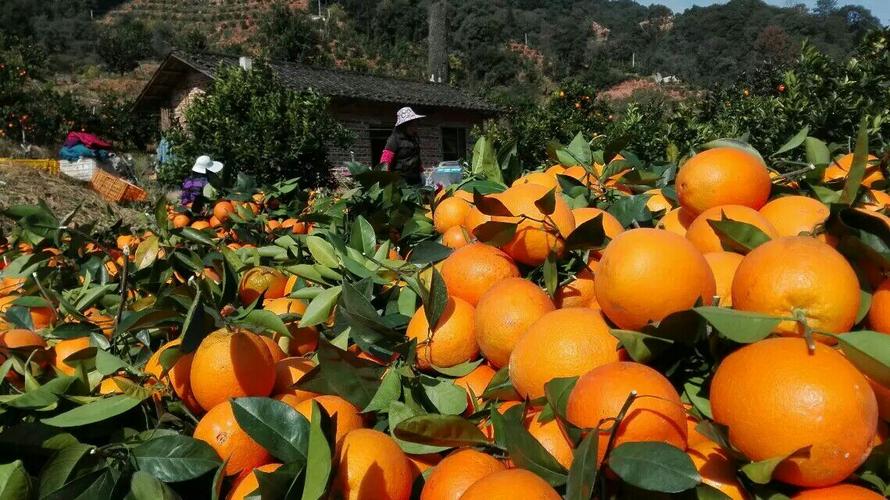
Gannan Navel Orange Orchard China
The Golden Standard: Partnering with Premier Chinese Navel Orange Suppliers for Global Markets
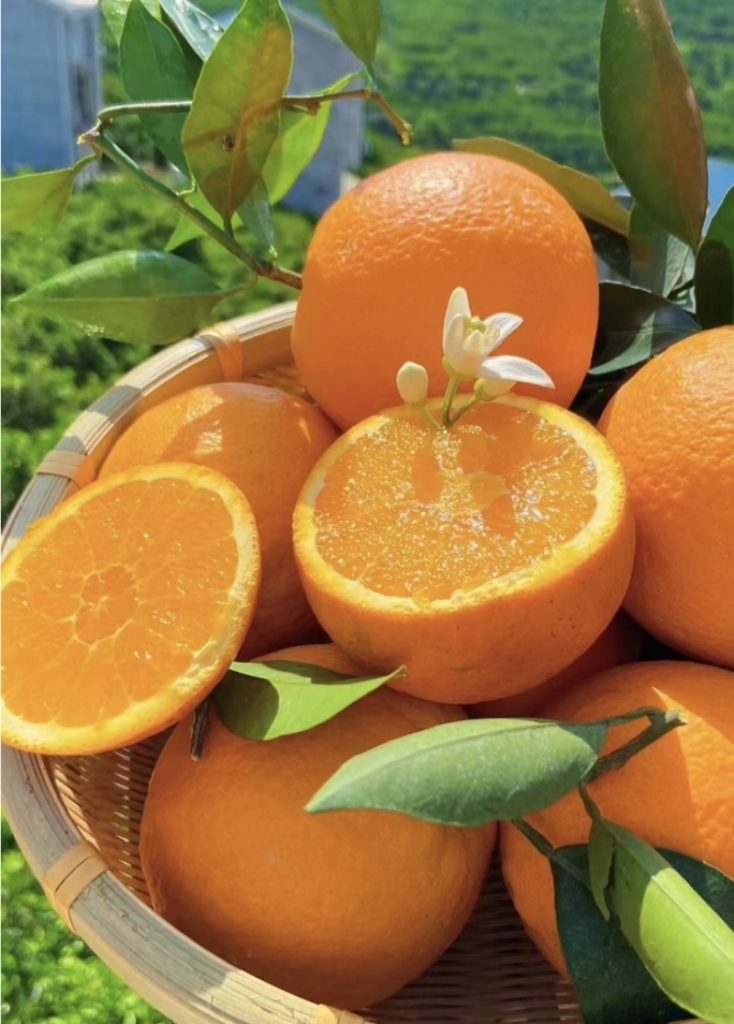
In the crisp chill of a European winter morning, a shopper in London selects a perfectly formed, sun-kissed orange from a polished supermarket display. Its bright color and subtle, floral aroma promise a burst of sweet, seedless vitality. Across the world, a juice factory incorporates a consistent, brix-rich concentrate into its premium blend, while a gourmet food brand sources zests for its artisan confections. While the consumer sees only the final, perfect fruit, this moment is the endpoint of a meticulously orchestrated journey—a journey that increasingly begins in the fertile groves and state-of-the-art packhouses of China’s navel orange suppliers. Moving far beyond the commodity trade of decades past, these suppliers have honed their art and science, emerging as strategic, quality-driven partners for discerning global importers, retailers, and food processors.
From Ancient Orchards to Modern Agricultural Excellence
The cultivation of citrus in China is a practice woven into millennia of agricultural history. The modern navel orange industry, however, represents a deliberate and technologically advanced evolution of this tradition. While regions like California and Spain have long dominated the Western narrative, China has developed its own premier terroirs, most notably the world-renowned Gannan (Southern Jiangxi) region. The success here is not accidental; it is the result of a unique confluence of natural advantage and human investment. Favorable subtropical climates with distinct seasonal shifts, abundant sunshine, and mineral-rich, well-drained soils create the foundational canvas. Upon this, a new generation of suppliers—often integrated agribusinesses or large-scale grower cooperatives—has built a model of vertically controlled excellence, from blossom to box.
The Core of Quality: Terroir, Cultivar, and Cultivation Mastery
The supremacy of a Chinese navel orange supplier is rooted in a deep, three-part mastery of the product’s very origin.
-
The Primacy of Designated Origin: Just as Champagne comes from a specific region of France, the finest Chinese navel oranges benefit from Geographic Indication (GI) recognition. The Gannan navel orange, for instance, is protected and defined by its origin. Suppliers from such regions do not just sell oranges; they are stewards of a branded agricultural heritage. The specific microclimate—long, sunny days followed by cool, crisp nights—allows for a slow, balanced accumulation of sugars and acids, developing the fruit’s signature sweetness with a hint of refreshing tartness and its characteristically vibrant, deep orange hue. This terroir-driven consistency is a powerful tool for importers building a trusted, recognizable product line.
-
Scientific Cultivation and Agro-Ecological Management: Leading suppliers have moved far beyond traditional farming. They implement Integrated Pest Management (IPM) strategies, utilizing beneficial insects and targeted, responsible spraying to minimize chemical inputs. Many operate their own seedling nurseries, propagating certified, virus-free trees of superior cultivars to ensure orchard health and genetic purity. Precision agriculture techniques, including soil moisture monitoring and tailored drip irrigation systems, optimize water and nutrient delivery. This scientific approach ensures not only high yields but, more critically, exceptional fruit quality, food safety, and sustainable orchard longevity.
-
The Harvest Imperative: Timing and Technique: For navel oranges, the moment of harvest is the single most important decision affecting flavor and shelf-life. Professional suppliers employ expert teams who hand-pick fruit at the peak of physiological maturity, determined by brix (sugar) levels, acid ratio, and peel color—not merely size or calendar date. This meticulous, selective harvesting, often done in multiple passes through the same orchard, guarantees that only fruit at its perfect stage of ripeness is sent to the packhouse. It is a labor-intensive practice that defines the premium segment of the market.
The Supply Chain Virtuosity: From Grove to Global Gateway
A perfect fruit is only as good as the system that preserves its perfection. The operational backbone of a top-tier Chinese supplier is a seamless, temperature-controlled chain of precision handling.
-
The High-Tech Packhouse: This is the nerve center where fruit is transformed into a calibrated, commercial product. Modern facilities feature computer-vision optical sorters that grade each orange by exact color, size, and weight with laser precision. They can detect internal flaws, such as granulation or brix levels, using advanced near-infrared (NIR) technology. Automatic brushes provide a gentle, effective clean, and food-grade waxes are applied to reduce moisture loss and enhance natural sheen, all according to destination-country regulations. The entire process is designed for minimal human contact and maximum speed to lock in freshness.
-
Quality as a System, Not a Step: For elite suppliers, quality control (QC) is an ethos permeating every stage. It begins in the orchard with pre-harvest testing. At the packhouse, QC inspectors conduct continuous destructive and non-destructive sampling, measuring brix, acidity, firmness, and peel thickness against stringent internal standards that often exceed import requirements. They are experts in the protocols of major global certification schemes (GlobalG.A.P., BRC, ISO 22000) and maintain meticulous traceability records, allowing any carton to be tracked back to its specific orchard block and harvest date.
-
Mastery of Logistics and Post-Harvest Science: The journey’s final, critical phase is a testament to logistical expertise. Suppliers manage pre-cooling processes to rapidly remove field heat, a vital step for long sea voyages. They are adept at designing and loading refrigerated containers (reefers) with precise atmospheric settings (temperature, humidity, and often controlled atmosphere) to induce a state of “suspended animation” for the fruit. Their logistics teams navigate the complexities of export documentation, phytosanitary certifications, and port protocols with seasoned efficiency, ensuring smooth, predictable delivery to destinations across Asia, the Middle East, Europe, and North America.
Forging a Strategic Partnership: The Importer’s Playbook
Working with a premium Chinese supplier is a collaborative, transparent relationship built on shared standards.
-
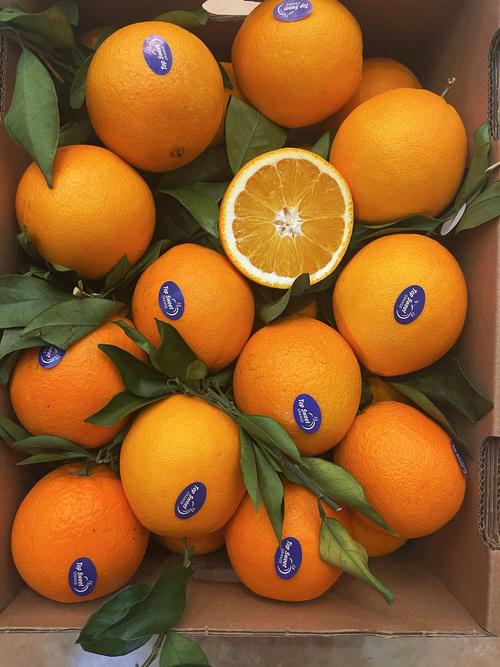
Defining the Standard: Engagement starts with absolute clarity. The importer and supplier must align on detailed specifications: target size (count per carton), color grade (minimum percentage of surface blush), brix/acidity ratios, firmness, and allowed defect tolerances. Providing a sealed “golden sample” is the definitive physical reference for the entire order.
-
The Vigilance of Inspection: Trust is built through verification. Reputable suppliers welcome and facilitate third-party pre-shipment inspections (e.g., from SGS, Bureau Veritas). These inspectors, acting for the buyer, visit the packhouse to draw random samples from production, testing them against the agreed specifications before loading. This objective checkpoint is standard practice for mitigating risk.
-
Beyond the Fresh Fruit: Value-Added Vision: The most advanced suppliers are not limited to fresh fruit. They operate HACCP-certified processing plants for value-added products. This includes producing not-from-concentrate (NFC) juice, frozen segments, essential oils, and dried peel for culinary and industrial uses. This diversification allows importers to maximize value from the crop and develop a year-round partnership beyond the fresh fruit season.
Navigating Trends and Building the Future
The industry is proactively adapting to the demands of a new era:
-
The Sustainability Mandate: Conscious consumers and retailers demand ethical sourcing. Progressive suppliers can provide evidence of responsible water management, soil conservation efforts, and reduced carbon footprint logistics. Certifications for organic production are also growing, catering to a premium niche.
-
Brand Storytelling and Direct Engagement: Smart suppliers are empowering their importers with the story behind the fruit. They provide rich content—images, videos, data—about their specific region, sustainable practices, and community impact. This narrative transforms a commodity into a provenance-rich brand on the supermarket shelf.
-
Varietal Innovation and Season Extension: Through partnerships with agricultural research institutes, suppliers are experimenting with new, patented navel orange varieties that offer different flavor profiles, earlier or later harvest windows, and enhanced natural disease resistance, providing importers with more options and longer marketing seasons.
Conclusion: A Partnership Rooted in Excellence
Selecting a Chinese navel orange supplier is a strategic decision that impacts the quality, reliability, and profitability of an importer’s most vital asset: their product portfolio. The premier suppliers offer far more than a consistent fruit; they offer a fully integrated system of agricultural science, technological precision, and logistical mastery. They provide the stability and quality assurance that allows global brands to build consumer trust season after season.
In the competitive global produce aisle, where taste, appearance, and story are paramount, a partnership with a leading Chinese navel orange supplier is an investment in a golden standard. It is a collaboration that delivers not just a product of exceptional and reliable sweetness, but the confidence of a supply chain cultivated, managed, and perfected with a singular focus on excellence from blossom to port.


No reply content