
Dongguan Plastic Manufacturing Plant
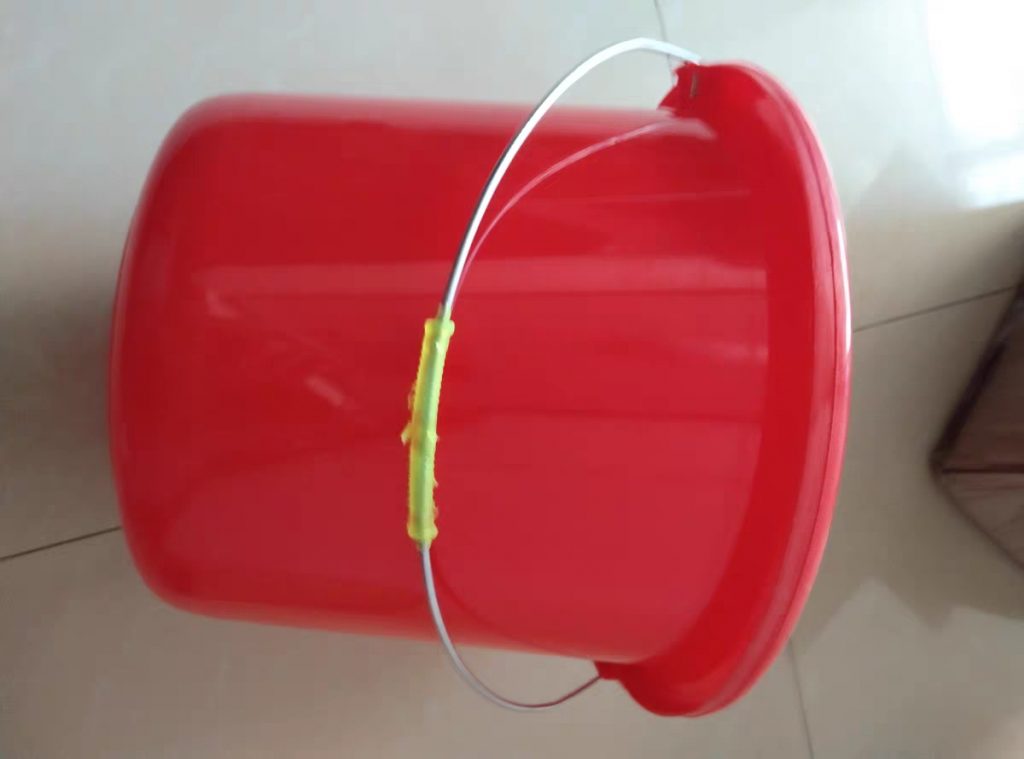
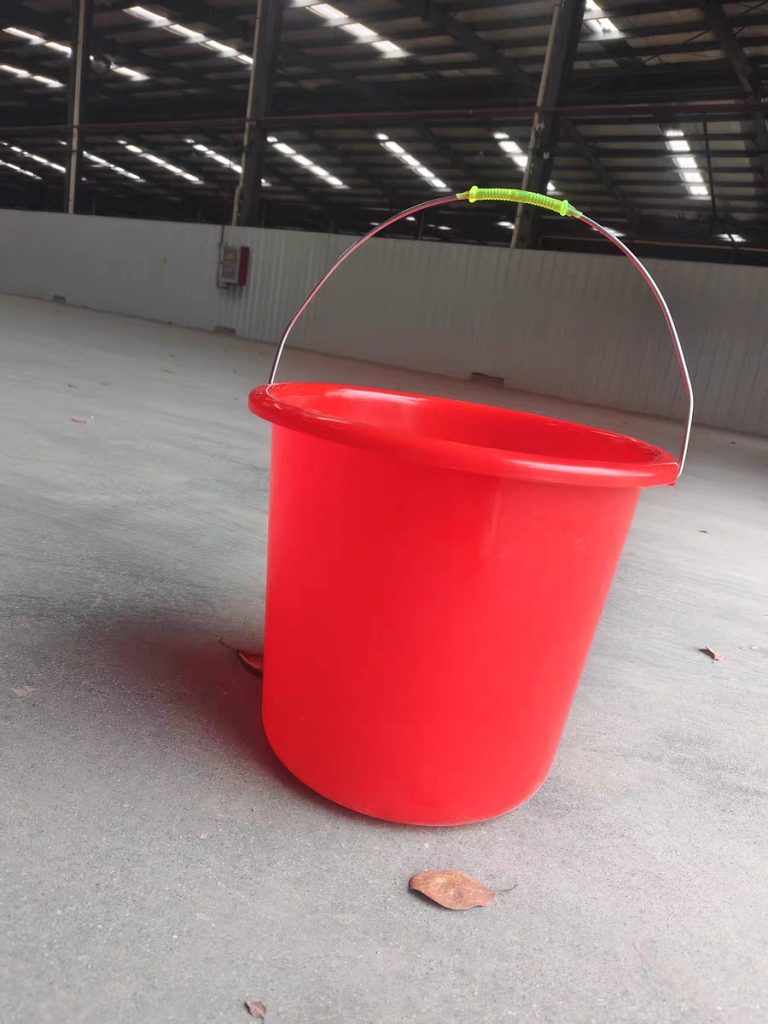
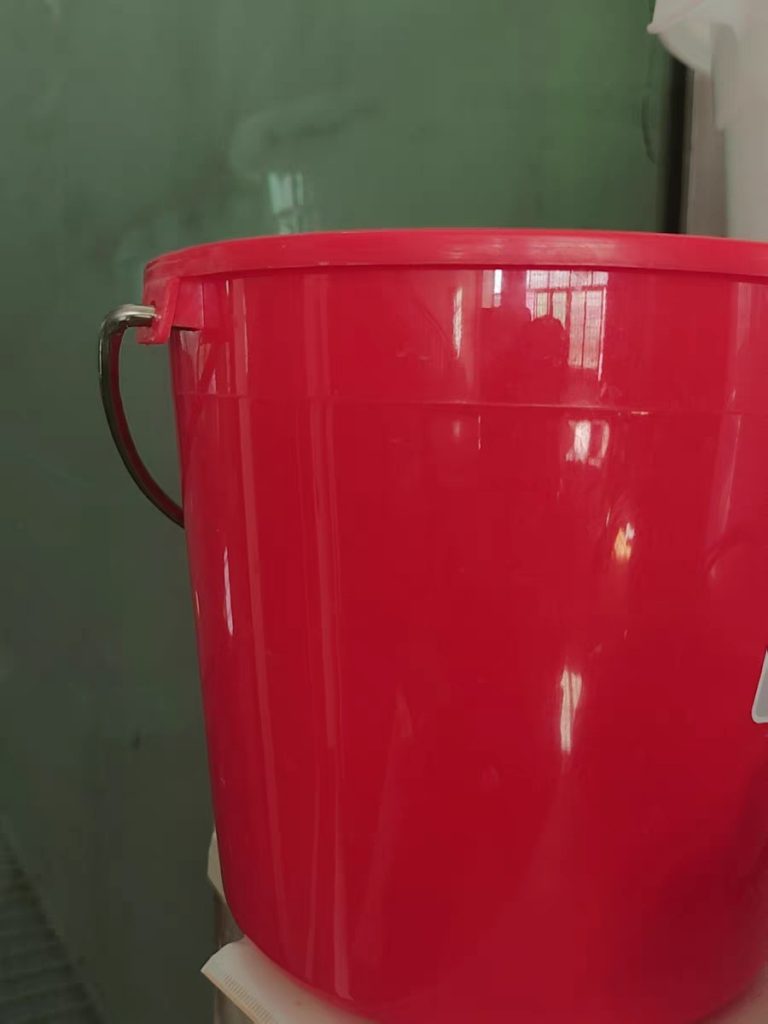
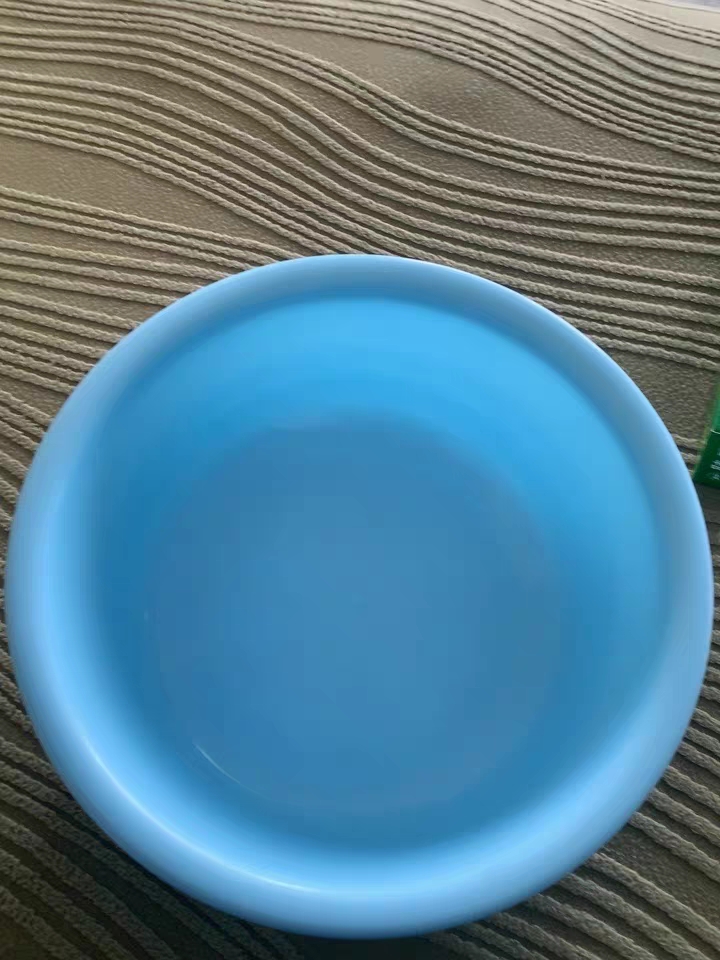
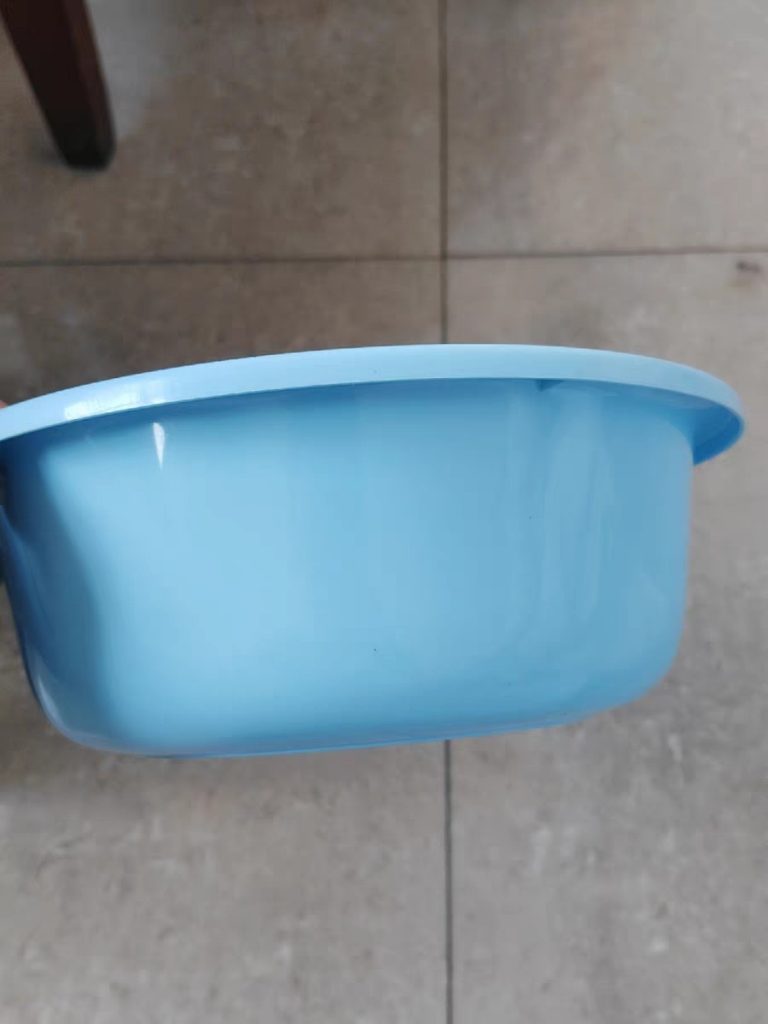
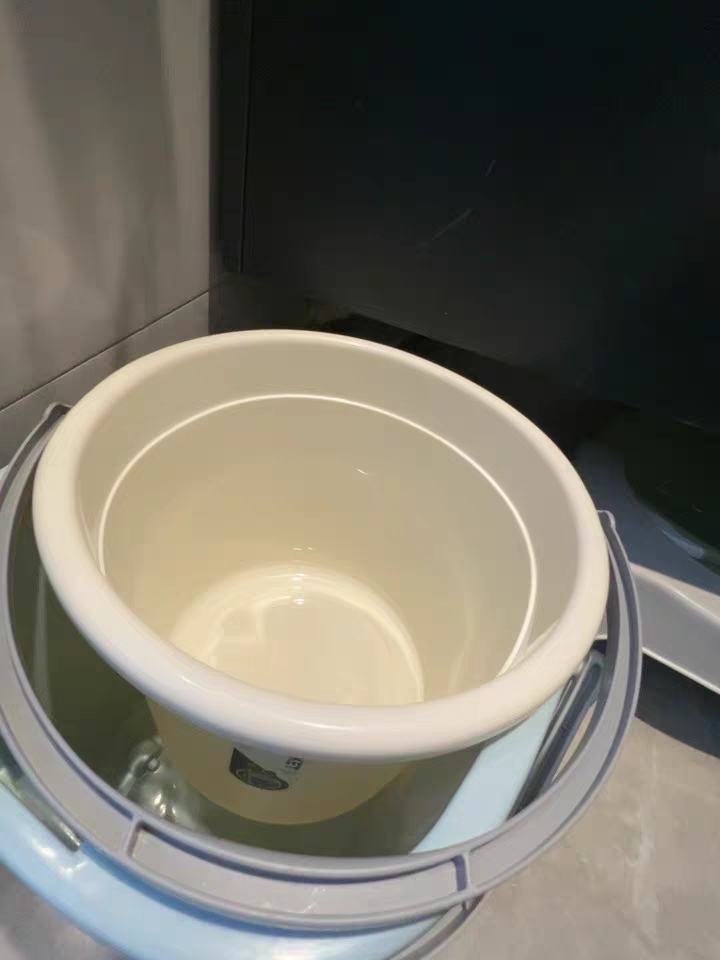
In an era where environmental consciousness is reshaping consumer choices, everyday objects are undergoing a quiet transformation—from disposable conveniences to durable, planet-positive tools. The eco-friendly pink plastic bucket, with its soft hue and unassuming form, sits at the heart of this shift. Far from a novelty, it embodies a new philosophy of design: one that prioritizes longevity, recyclability, and harmony with nature. Crafted for households striving to reduce waste without sacrificing utility, this bucket is proof that sustainability and practicality can coexist—turning small daily choices into meaningful steps toward a greener future.
Designing for the Planet: The Three Pillars of Eco-Conscious Engineering
What distinguishes this pink bucket from conventional plastic containers? Its design is guided by three core principles of sustainable engineering: material integrity, circular lifecycle, and minimalist utility.
1. Material: From Waste to Worth
The bucket is molded from 100% post-consumer recycled high-density polyethylene (rHDPE), sourced from discarded plastic bottles, food containers, and industrial scraps. Unlike virgin plastic, which relies on fossil fuels, rHDPE diverts waste from landfills and oceans, giving it a second life. Advanced purification processes remove contaminants, ensuring the material meets food-grade safety standards—safe for storing grains, detergents, or even rainwater. Its soft pink tint is achieved using plant-based dyes, avoiding synthetic pigments that release microplastics during washing.
2. Lifecycle: Built to Return
Durability is the bucket’s first line of defense against waste. Thickened walls (5mm at the base, 3mm at the rim) and reinforced stress points (handles, corners) resist cracks and impacts, extending its lifespan to 7–10 years—far longer than single-use alternatives. When it eventually wears out, the rHDPE material is fully recyclable: consumers can return it to participating retailers or municipal centers, where it is shredded and remolded into new buckets or outdoor furniture. This “closed-loop” system closes the gap between production and disposal, embodying the circular economy in action.
3. Minimalism: Less is More
Stripped of unnecessary frills—no logos, no decorative engravings, no excess packaging—the bucket’s design is intentionally simple. A single contoured handle reduces material use while ensuring a comfortable grip, and a seamless construction eliminates weak points where leaks might occur. This minimalism isn’t just aesthetic; it’s ecological, minimizing resource consumption at every stage.
Beyond Storage: A Tool for Green Habits
The bucket’s true impact lies in how it encourages sustainable behaviors. Its versatility makes it a catalyst for eco-friendly routines:
1. Rainwater Harvesting
In regions with seasonal rains, the bucket collects runoff from rooftops, providing free water for watering plants or flushing toilets. Its UV-resistant material prevents algae growth, keeping stored water clean for weeks.
2. Zero-Waste Shopping
Replace single-use plastic bags with the bucket for grocery runs. Its 15-liter capacity holds fruits, vegetables, or bulk pantry items, while the wide mouth (30cm diameter) fits standard market crates. Many zero-waste advocates decorate theirs with chalkboard labels to note contents, turning utility into a statement.
3. Composting Companion
For urban gardeners, the bucket serves as a small-scale compost bin. Drill a few drainage holes in the base, add fruit peels and yard trimmings, and let microbes work their magic. The pink color hides inevitable stains better than white containers, keeping compost corners tidy.
User Stories: Small Changes, Big Impacts
Families and individuals are discovering the bucket’s power to reshape daily habits:
-
Maya, a mother of two in a suburban home: “We used to buy bottled water for picnics. Now we fill the pink bucket with tap water and freeze it overnight—it keeps drinks cold all day. It’s also our go-to for collecting fallen apples in the backyard. No more plastic bags!”
-
Leo, a college student in a zero-waste dorm: “My roommate and I use it to store bulk rice and pasta. It fits under the bed, and the handle makes it easy to carry to the kitchen. We’ve avoided 20+ disposable containers this semester alone.”
-
Amira, a retiree in a coastal town: “I collect seawater in it for cleaning my boat. The recycled material feels sturdy, and knowing it won’t end up in the ocean makes me sleep better at night.”
The Psychology of Sustainable Design
The bucket’s pink hue plays a subtle yet powerful role in fostering eco-awareness. Environmental psychologists note that warm colors like pink evoke feelings of care and connection—qualities central to sustainable living. For children, the bucket becomes a “green helper,” teaching them to sort recyclables or collect litter on walks. Its cheerful appearance also challenges the stereotype that eco-friendly products are dull or utilitarian, making sustainability feel approachable and joyful.
Challenges and the Path Forward
While the bucket is a step forward, its impact depends on consumer education. Many users are unaware that rHDPE can be recycled repeatedly (up to 10 times) or that plant-based dyes reduce microplastic pollution. Manufacturers are addressing this by including care instructions and QR codes linking to local recycling guides. Future iterations may integrate smart features, like sensors that track water usage or compost readiness, further bridging technology and ecology.
Conclusion: A Bucket Full of Hope
The eco-friendly pink plastic bucket is more than a container—it is a symbol of what’s possible when design meets conscience. By turning waste into worth, prioritizing longevity over disposability, and making sustainability accessible, it empowers households to reduce their environmental footprint without overhauling their lives.
Next time you reach for a plastic item, ask: Can this be reused, recycled, or replaced with something better? The pink bucket answers with a resounding yes. In a world grappling with climate change, small tools like this remind us that every choice matters—and that green living can be as simple as picking up a bucket.


No reply content