
China Customized OEM Arts & Crafts Gift Manufacturer
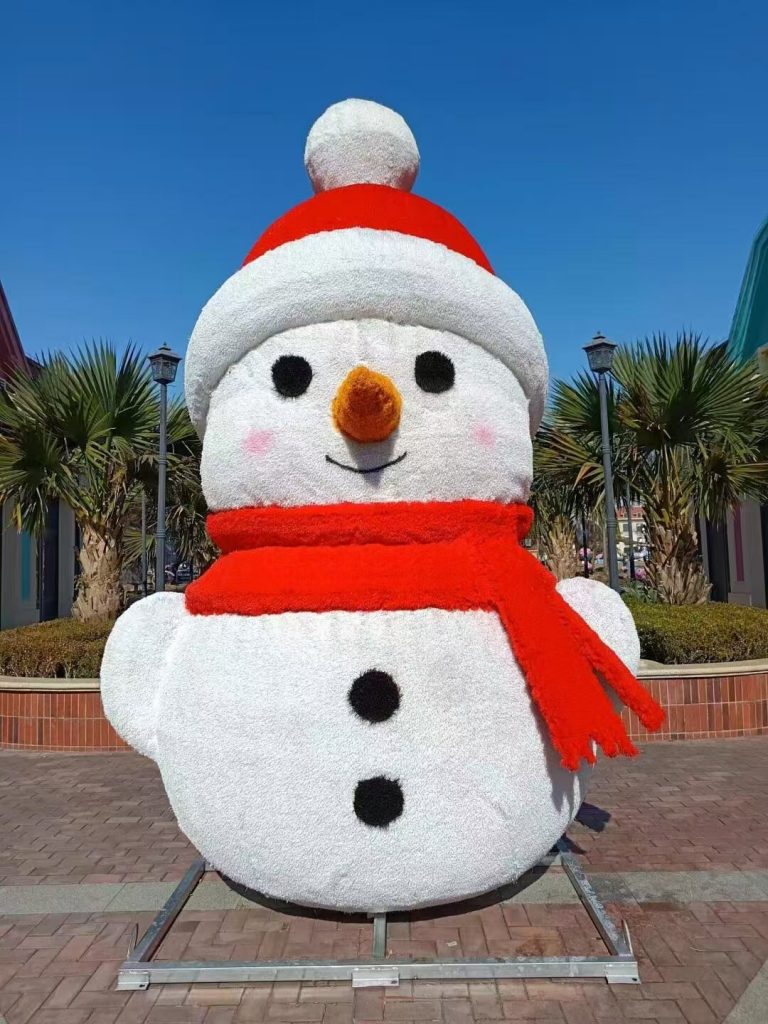
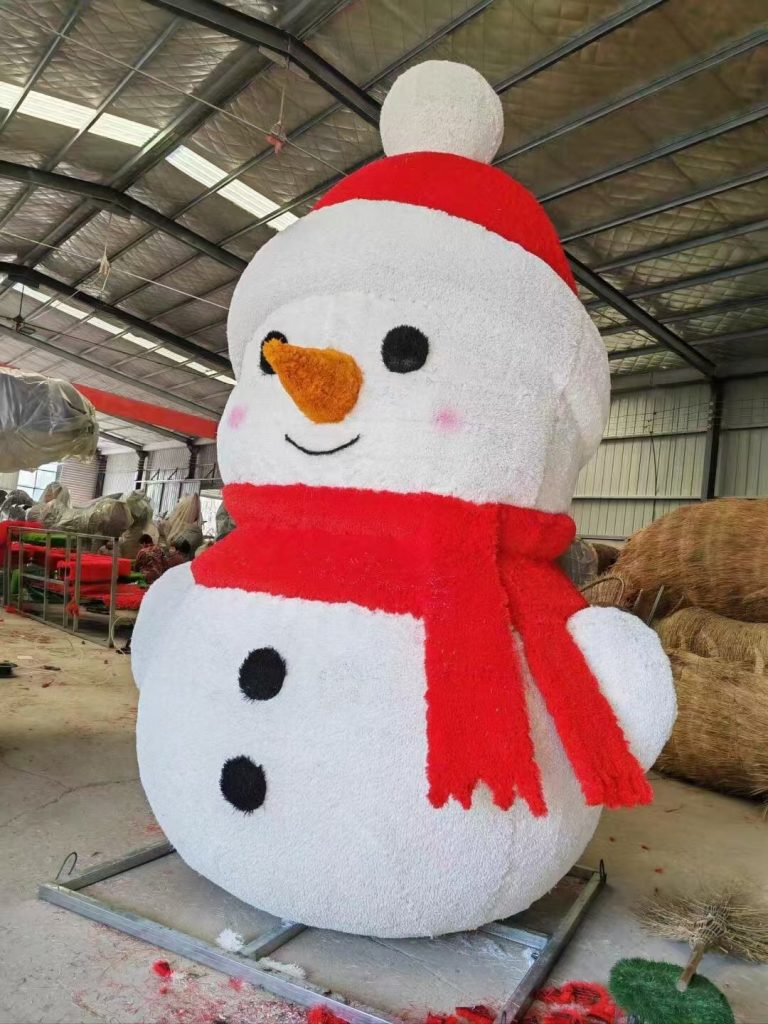
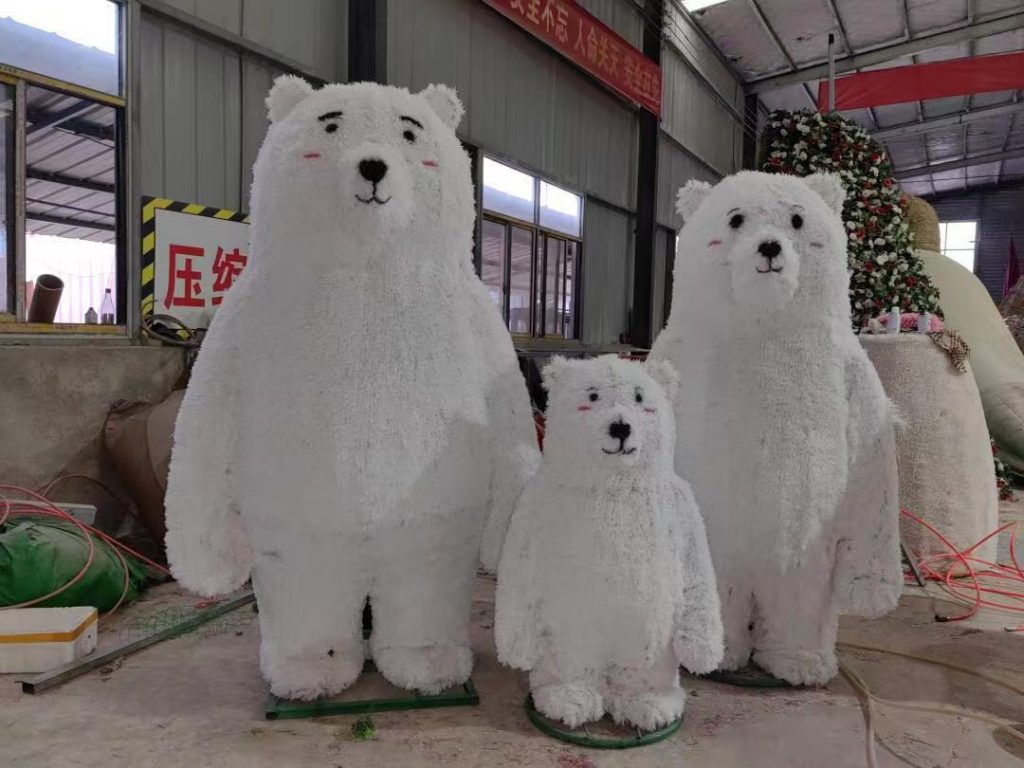
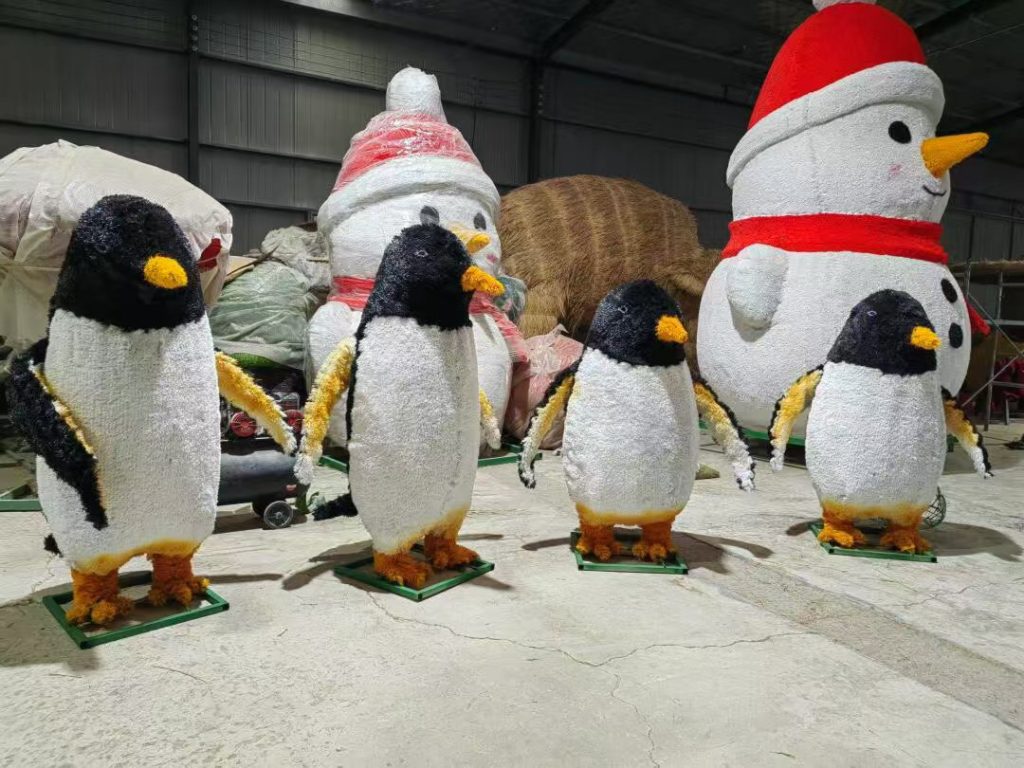
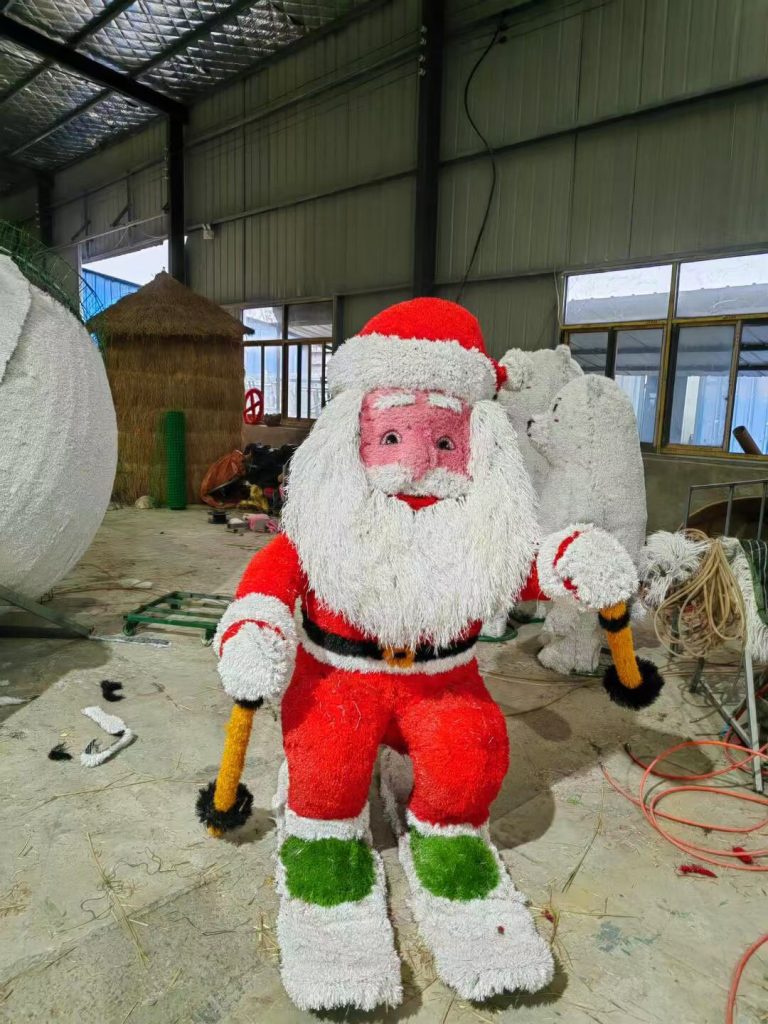
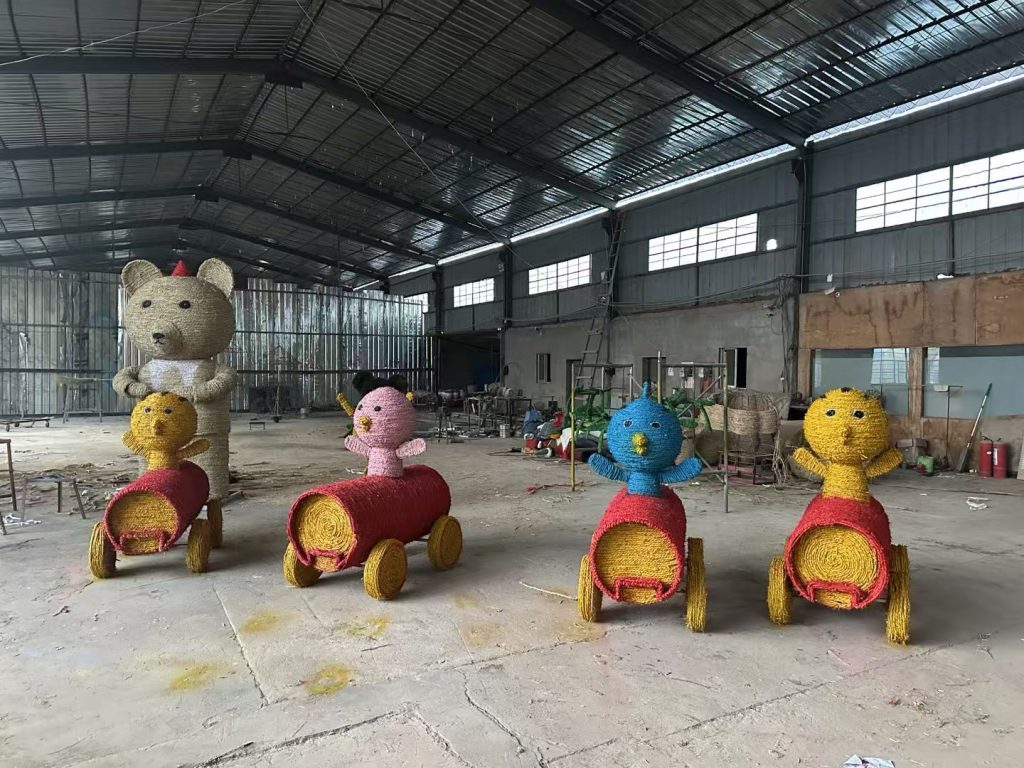
If you’re reading this, you’re likely a buyer, a brand founder, or a distributor looking for a Christmas gifts and crafts supplier. You’ve probably sat through endless Zoom calls with trading companies showing you the same catalog of sparkly junk. They use words like “festive,” “high-quality,” and “factory-direct pricing.”
Let me translate that for you: “Festive” means we glued a bunch of glitter on plastic. “High-quality” means the paint might last until New Year’s. And “factory-direct” usually means they are a middleman renting a desk in an office park twenty miles from the actual factory.
I’m David Chen, and I run a manufacturing facility in Yiwu, Zhejiang—the self-proclaimed “Christmas Village” of the world. We don’t just make tinsel; we engineer holiday experiences. Whether it’s a delicate, hand-blown glass ornament or a 10-foot-tall inflatable Santa that needs to survive a Category 2 hurricane, the stakes are high. One production failure, and your entire Q4 revenue vanishes.
So, let’s skip the sales pitch and talk about what actually matters when you’re sourcing Christmas crafts.
1. The Material World: Why Your Ornaments Are Falling Apart
Most buyers get hypnotized by the glossy catalog photos. They see a shiny red bauble and think, “That’s perfect.” That’s because they don’t understand materials science.
The Plastic Problem (PET vs. PVC)
Most budget ornaments are made from PVC (Polyvinyl Chloride). It’s cheap, it’s easy to mold, and it’s terrible for the environment. But the real problem is plasticizer migration. Cheap PVC contains high amounts of phthalates to make it flexible. Over time, these chemicals leach out, making the ornament sticky, smelly, and prone to cracking in the cold.
-
The Supplier Secret: We only use virgin PET (Polyethylene Terephthalate). It’s more expensive, but it’s recyclable, non-toxic, and doesn’t turn yellow after two weeks under a tree light. If your supplier can’t provide a RoHS (Restriction of Hazardous Substances) compliance report for their plastics, run.
The Glass Gauntlet
Glass ornaments are luxury items. But not all glass is equal. Cheap factories use “soda-lime” glass that’s thinner than a credit card. We use borosilicate glass for our high-end lines. It’s the same material used in laboratory beakers. It can withstand rapid temperature changes—like moving from a freezing attic to a heated living room—without shattering.
-
The Glitter Test: Pick up a cheap ornament. Does it shed glitter like a dog sheds fur? That’s because they used a cheap spray adhesive. We use an electrostatic flocking process. It gives the glitter an electrical charge, bonding it permanently to the surface. You can shake our ornaments all day, and the glitter stays put.
2. The Great Glue Debacle
You wouldn’t think glue would be a dealbreaker. You’d be wrong. Most Christmas crafts are held together by adhesives. When those fail, your product is garbage.
I’ve seen entire containers of wreaths arrive in the US with every single pinecone fallen off. Why? Because the factory used water-based white glue (PVA) to save $0.02 per unit.
We use industrial-grade hot-melt adhesives (HMA) with specific melt points. For indoor crafts, we use a standard EVA-based HMA. For outdoor decorations, we use a polyolefin-based HMA that can withstand sub-zero temperatures without becoming brittle.
The Peel Test: When you get a sample, try to pull the decorative elements off. If they come off easily, imagine that happening on a customer’s front porch in December.
3. The Lighting Labyrinth: LEDs Aren’t Created Equal
Christmas lights are where most suppliers commit fraud. They’ll tell you they use “100% pure copper wire.” That’s a lie. Most use copper-clad aluminum (CCA).
-
Wire Gauge: The thickness of the wire matters. Cheap string lights use 26 AWG wire. It heats up, becomes a fire hazard, and burns out quickly. We use 22 AWG or thicker.
-
IP Ratings: If you’re selling outdoor lights, they need an IP65 rating (Ingress Protection). That means they are dust-tight and protected against water jets. Cheap lights are lucky to get an IP44 rating. They’ll short out the first time it rains.
We conduct a 72-hour salt spray test on our light strings to ensure the connectors don’t corrode. If your supplier doesn’t have a salt spray testing chamber, they are guessing about their quality.
4. The Logistics Nightmare: Shipping Ornaments Is Like Shipping Eggs
Here’s a scenario I see every year: A buyer places a massive order in September. The goods are finally loaded into a container in November. By the time they reach Long Beach or Rotterdam, the interior of the carton looks like a snow globe of shattered glass.
The Packaging Secret: It’s not about the box; it’s about the suspension. We use a honeycomb cardboard suspension system inside our master cartons. The individual ornaments don’t touch each other or the sides of the box. They float in a protective cocoon.
Also, consider the weight. Ocean freight is charged by volume (CBM) or weight, whichever is higher. Lightweight crafts like tinsel and garland take up huge amounts of space. We design our packaging to be as compact as possible, saving you thousands in freight costs.
5. Labor and the “Ghost Month”
This is the part of the business no one talks about. Manufacturing in China follows a lunar calendar.
-
The Golden Season: Production for Christmas starts in March. By June, the factory floor is running 24/7.
-
The Ghost Month (July/August): Many workers go home for holidays. Capacity drops by 30%. If you place an order in August for a September delivery, you are already too late.
-
The CNY Shutdown: Chinese New Year (January/February) shuts down the entire country for 2-4 weeks. If you miss the pre-CNY cutoff, your spring inventory is gone.
A good supplier will manage your expectations. We provide a production calendar at the beginning of the year. We tell you exactly when the deadlines are. If a supplier says, “No problem, we can produce anytime,” they are lying to you.
6. Certifications: The Paperwork That Actually Matters
If you are selling in North America or Europe, you need certifications. It’s not optional.
-
UL (Underwriters Laboratories): Required for electrical products in the USA.
-
CE (Conformité Européenne): Required for Europe.
-
CA Prop 65: California’s Safe Drinking Water and Toxic Enforcement Act. If you sell in California and your products contain certain chemicals (like lead in the solder of LED lights), you must provide a warning.
We maintain a library of these certificates. We don’t just have a certificate for one product; we have them for every SKU. If your supplier sends you a generic certificate that doesn’t list your specific item number, it’s worthless.
7. The Rise of “Ugly Sweater” Tech
The market is changing. Consumers don’t just want a static Santa. They want interactive, tech-enabled crafts.
We are now integrating BLE (Bluetooth Low Energy) chips into our animatronic figures. This allows the decoration to sync with music playing from a smartphone. We are also using phosphorescent pigments that glow in the dark without needing a battery.
The MOQ (Minimum Order Quantity) for these tech-integrated items is higher (usually 1,000 units) because of the electronics certification process. But the profit margins are 3x higher than standard crafts.
8. Who Is This For?
We are not the supplier for dollar-store trinkets. We don’t make flimsy plastic toys that break on Christmas morning. We specialize in premium Christmas gifts and crafts for brands that care about safety, durability, and design.
If you are a boutique brand looking to make a mark in the holiday decor space, we can help you create something unique. If you are a distributor looking for a reliable partner who won’t disappear when things get tough, we are here.


No reply content