
China Surfboard Yacht Customization Factory
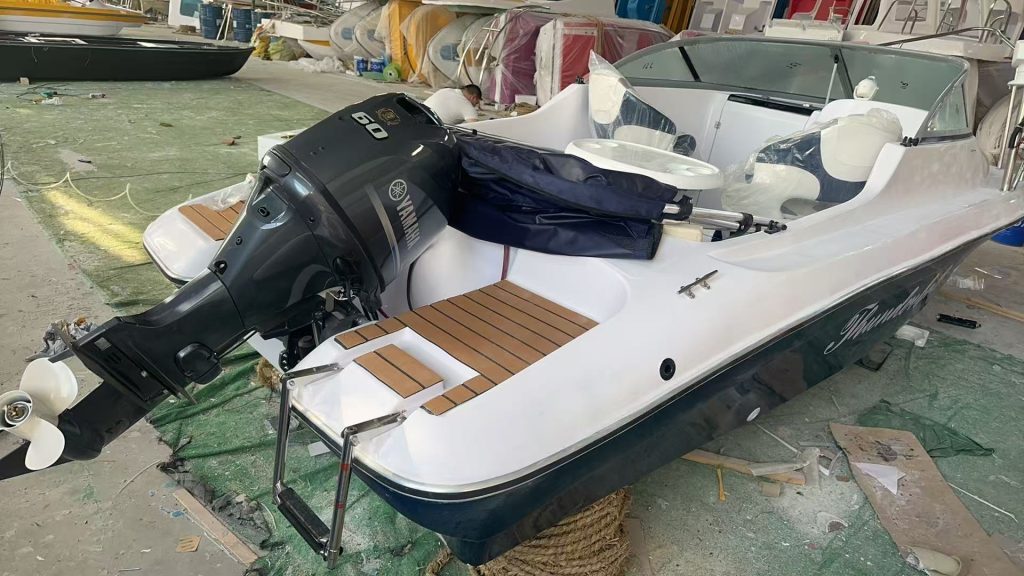
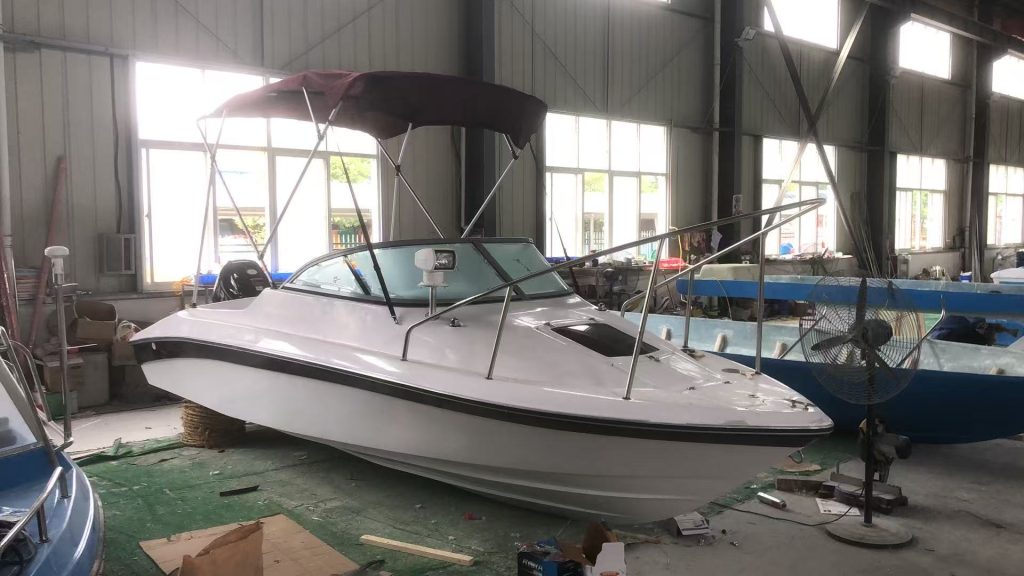
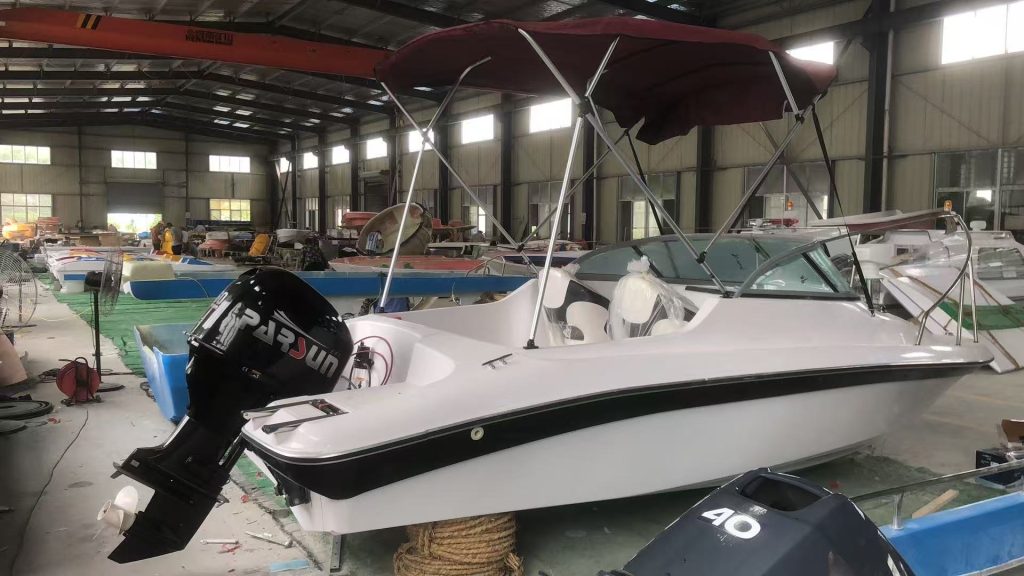
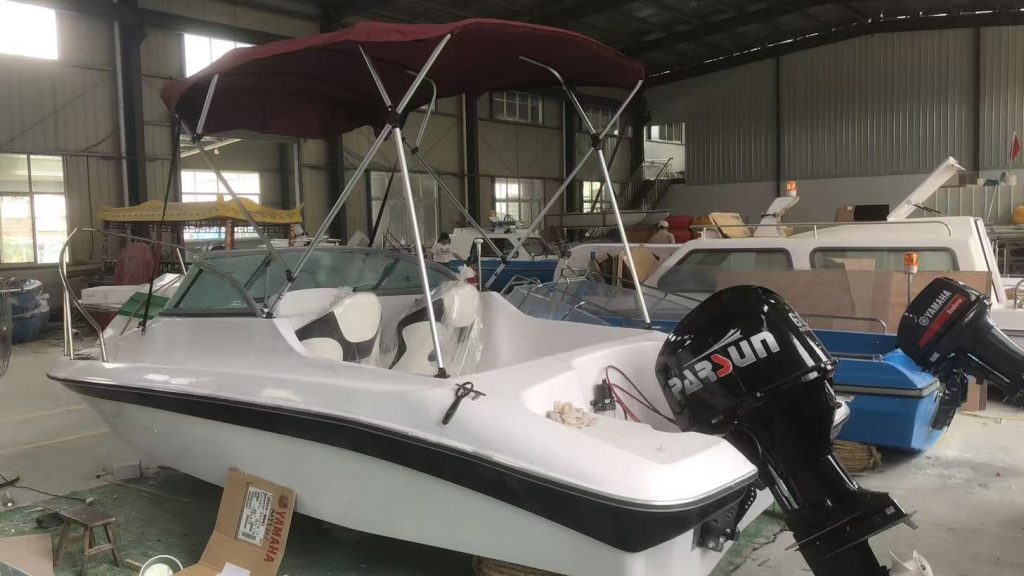
Let’s get the romantic nonsense out of the way first. Owning a custom private yacht isn’t about sipping champagne on the French Riviera. It’s about tolerances measured in thousandths of an inch, corrosion that starts the moment the hull touches water, and a construction timeline that will test your patience and your bank account.
If you are looking for a private yacht custom supplier, you’ve probably seen the renderings. Sleek lines, infinite glass, and interiors that look like a five-star hotel. They are beautiful lies.
I’m Captain Robert “Rob” Vance, and I’ve been the Director of Production at a custom yacht yard in Zhuhai, China, for the last 18 years. We build semi-displacement and full-displacement yachts from 60 to 120 feet. I’ve overseen the build of everything from high-speed sport cruisers to expedition trawlers designed to cross the Arctic Circle.
I’m not here to sell you a dream. I’m here to tell you how we build the boat that keeps you alive when the weather turns nasty.
1. The Blueprint is a Lie: Engineering for the Real World
Naval architects are artists, but builders are mechanics. A naval architect will draw a beautiful curve for the sheer line of the hull. A builder has to figure out how to make that curve structurally sound.
The Laminate Schedule:
This is the bible of the build. It dictates the thickness of the fiberglass, the type of core material, and the resin mix.
-
The Cheap Way: Use chopped strand mat (CSM) and polyester resin. It’s heavy, brittle, and absorbs water over time.
-
Our Way: We use vinylester resin for the skin coat (it prevents osmosis blisters) and quadraxial stitched fabric for the structural layers. We use Divinycell foam cores in the hull and deck. It’s lighter and stronger than balsa wood, which rots if it gets wet.
The Structural Grid:
Underneath the floor of your yacht is a grid of longitudinal stringers and transverse frames. This is what stops the hull from folding in half when you hit a wave at 25 knots. We build this grid as a single, integrated structure before attaching the hull. Cheap builders just glass a few webs in afterwards. It’s the difference between a car frame and a tent.
2. The Engine Room: Where Marriages End
The engine room is the heart of the yacht, and it’s where 90% of the stress happens.
Twin Engines vs. Single:
Most clients want twin engines for redundancy. It’s a good idea until you see the price tag. Twin MAN or Volvo Penta engines can cost more than the rest of the boat combined.
-
The Real Talk: If you are doing coastal cruising, a single, large horsepower engine is more fuel-efficient and easier to maintain. If you are crossing oceans, you need twins.
Soundproofing:
You know that quiet hum you hear in the salon of a luxury yacht? That’s not magic; that’s lead. We line the engine room with mass-loaded vinyl (MLV) and decoupling mounts. If a supplier tells you they achieve silence with just foam, they are lying. Foam absorbs high frequencies; it does nothing for the low-frequency thrum of a diesel engine.
The Generator:
Never, ever buy a yacht with a generator that is too small. The AC, the watermaker, the stabilizers, and the galley all run on the generator. We calculate the load at 80% capacity. Cheap builders size the generator at 100% capacity. Run it at full load in the tropics, and it will overheat and shut down.
3. The Interior: It’s Not a House, It’s a Vibration Machine
Interior designers want to use marble, granite, and heavy hardwoods. They see a yacht as a floating mansion. They forget that a yacht is a vibrating, flexing, moist environment.
Weight Distribution:
Every pound matters. Put too much weight in the bow, and the boat plows through waves. Put too much weight high up, and the yacht becomes unstable. We weigh every single component before it goes on the boat. We use lightweight composite panels for bulkheads instead of solid wood.
Joinery Secrets:
You cannot use standard wood glue on a boat. The humidity will cause it to fail. We use epoxy resins and stainless-steel fasteners for all joinery. We also leave expansion gaps in the flooring. Wood expands and contracts; if you fix it rigidly, it will buckle.
The “Glass” Problem:
Those massive floor-to-ceiling windows you see in renderings? They are structural nightmares. Glass is heavy. It adds tremendous weight high up. We use chemically tempered glass and bond it directly to the hull structure using structural silicone. It’s the same technology used on skyscrapers.
4. The Systems: Plumbing and Electrical
This is where the real money goes. The systems are invisible, but they are the most expensive part of the build.
Plumbing:
Saltwater is the enemy. It corrodes everything. We use 316L stainless steel for all thru-hull fittings and PEX tubing for freshwater lines. We install seacocks on every single through-hull. If a hose bursts, you close the seacock, and the boat stays afloat. Cheap builders use gate valves or, worse, just hose clamps.
Electrical:
Marine electrical systems are dangerous. We use tinned copper wire (it resists corrosion) and ABYC-standard crimp terminals. Every connection is heat-shrunk. We install Galvanic isolators to prevent electrolysis, which eats through your propeller shaft in months.
5. The Customization Trap
Clients come to us with wild ideas. “I want a helipad.” “I want a submarine garage.” “I want a glass-bottom pool.”
Here’s the reality: every customization adds weight, complexity, and cost.
-
The Helipad: Requires structural reinforcement of the roof and a non-skid surface that can withstand jet blast.
-
The Submarine Garage: Requires watertight doors and bilge pumps capable of handling massive influxes of water.
We don’t say “no.” We say, “Here is the weight penalty and the cost.” A good supplier manages your expectations. We provide a weight study early in the process. If your dream feature makes the boat unsafe, we will tell you to drop it.
6. Sea Trials: The Moment of Truth
After 12-18 months of construction, we do the sea trial. This is where the boat is pushed to its limits.
We run the engines at 100% load for 8 hours straight. We test the stabilization system in beam seas. We test the anchor winch with a full scope of chain. We intentionally slam the boat into waves to check for structural flex.
If a bulkhead pops a screw, we go back to the yard and reinforce it. If the engines overheat, we redesign the cooling system. The sea trial is not a joyride; it’s a brutal stress test.
7. Who Is This For?
We are not the supplier for a 30-foot weekend cruiser. We build custom private yachts for owners who understand that this is a serious piece of engineering.
If you are looking for the cheapest quote, we are not your supplier. Our builds cost more because we use vinylester resin, 316L stainless, and ABYC-compliant wiring.
But if you want a yacht that won’t sink, won’t catch fire, and won’t fall apart in a storm, we are the only call you need to make.
Article Link:
The Hull Truth: Confessions of a Custom Yacht Builder


No reply content