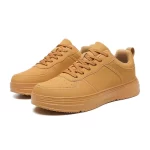
China Jinjiang shoe manufacturer in


The global athletic footwear market is fiercely competitive, yet the barriers to entry for new brands are lower than ever—provided you have the right manufacturing partner. For brands looking to launch a line of performance sneakers or lifestyle trainers, identifying a proficient China sports shoe supplier is the single most critical decision you will make. It’s not just about finding the lowest unit price; it’s about finding a partner who understands biomechanics, material innovation, and the rigorous quality control required to compete with established giants.
Navigating the industrial zones of Jinjiang (the “Shoe Capital of China”) requires expertise. This guide provides a technical deep dive into the sourcing process, helping you move from concept to shelf with confidence.
Deconstructing the Supply Chain: OEM vs. ODM
Before sending out your first inquiry, you must understand the manufacturing models. A professional footwear manufacturer in China typically offers two paths:
-
ODM (Original Design Manufacturer): You select from the factory’s existing “lasts” (shoe molds) and modify colors or materials. This is faster and cheaper, ideal for startups testing the market.
-
OEM (Original Equipment Manufacturer): You provide the tech pack (technical specifications). The factory builds the shoe from scratch. This requires significant investment in mold development but gives you full IP ownership.
Material Science: Beyond Leather and Mesh
The performance of a sports shoe is defined by its materials. When discussing with a custom sneaker manufacturer, you need to speak the language of textiles and polymers.
Upper Materials
-
Knitted Uppers (Engineered Mesh): Requires advanced knitting machines (like Karl Mayer). Discuss denier levels and breathability ratings.
-
Synthetic Leathers (Microfiber): Cheaper and more durable than genuine leather. Ask about abrasion resistance tests (Taber test results).
-
Recycled Materials: For sustainable brands, inquire about RPET (Recycled Polyethylene Terephthalate) and bio-based polyurethane foams.
Midsole Technology
The midsole is the heart of the shoe. The debate often centers on EVA vs. Phylon.
-
EVA (Ethylene Vinyl Acetate): Standard cushioning. Lightweight but compresses quickly.
-
Phylon: Compressed and molded EVA. Offers better elasticity and durability. High-end suppliers will offer supercritical foaming technologies (like PEBA) for elite performance shoes.
The Anatomy of a Tech Pack
To get an accurate quotation from a China athletic shoe factory, you must provide a comprehensive tech pack. Incomplete information leads to hidden costs and sampling errors.
| Component | Key Information to Provide | Why It Matters |
|---|---|---|
| Last Blueprint | 2D and 3D drawings of the shoe shape. | Determines fit and comfort. |
| Material Spec Sheet | Swatch codes, thickness (mm), weight (gsm). | Affects cost and performance. |
| Construction Details | Stitching patterns, lasting method (cement, vulcanized). | Impacts durability and assembly time. |
| Outsole Mold | Rubber compound hardness (Shore A rating). | Defines grip and wear resistance. |
Quality Control: The AQL Standard
Quality control is where many brands fail. A reputable sports shoe supplier will adhere to Acceptable Quality Limit (AQL) standards (e.g., AQL 2.5 for major defects).
Critical Checkpoints:
-
Cutting Room: Ensuring pattern pieces are cut accurately without fraying.
-
Stitching Lines: Checking stitch density (SPI – Stitches Per Inch). Low SPI leads to seam failure.
-
Lasting Process: Ensuring no wrinkles on the upper and proper bonding.
-
Final Inspection: Checking for loose threads, glue stains, and correct sizing.
Logistics and Compliance
Importing shoes involves more than just shipping. You must ensure compliance with destination market regulations.
-
CPSC (USA): Requires lead testing and phthalate restrictions.
-
REACH (EU): Regulates chemical substances.
-
Labeling: Correct care labels, size tags, and country of origin markings are mandatory for customs clearance.
FAQ: Expert Answers for Footwear Startups
These are the technical questions serious buyers ask when vetting a China sneaker supplier.
Q1: What is the typical development timeline from prototype to mass production?
A: The process usually takes 60-90 days. Sampling takes 2-3 weeks (including 3D printing and hand-lasting). Mold making takes 4-6 weeks. Bulk production takes 30-45 days depending on order volume.
Q2: How do you handle sole mold development fees?
A: For new designs, expect to pay for the “steel mold” or “aluminum mold.” These are one-time fees ranging from $800 to $3,000 per size run. Reputable suppliers will credit this fee back after you reach a certain order quantity.
Q3: Can you source vegan and eco-friendly materials?
A: Yes, leading factories have R&D departments dedicated to sustainable materials, including pineapple leather (Piñatex), apple leather, and algae-based foams. Request physical swatches to verify texture and durability.
Q4: What is the MOQ (Minimum Order Quantity) for custom shoes?
A: For custom lasts and molds, MOQs are typically 300-500 pairs per colorway. For ODM models (using existing molds), some suppliers offer low MOQs of 100-200 pairs to accommodate smaller brands.
Q5: How do you protect my intellectual property (IP)?
A: Sign a Non-Disclosure Agreement (NDA) and a Manufacturing Agreement. Ensure the contract specifies that the molds remain your property and cannot be used for other clients.
The Competitive Edge: Why Direct Partnership Wins
Working directly with a specialized China sports shoe supplier eliminates the middleman markup and ensures that your feedback during the prototyping phase is heard by the actual factory engineers. This direct line of communication is vital for correcting fit issues and optimizing material costs without sacrificing quality.
Are you ready to turn your footwear vision into a tangible product? Stop guessing and start building.
Get a Free Consultation and Cost Analysis Today.
Submit your tech pack or concept sketches to our sourcing team. We will provide a detailed breakdown of material costs, mold fees, and production timelines within 24 hours. Let’s build your brand together. 👟
📦 Verified Buyer Reviews
Feedback from recent production runs. Details are unique to ensure authenticity.
Review 1:
User: Jordan S. 🇺🇸
Avatar: 🎨
Order ID: #SHOE-US-7741
Date: April 20, 2026
Rating: ⭐⭐⭐⭐⭐
Comment: “The development process for our running shoe was seamless. The factory provided excellent feedback on our midsole density. The first bulk shipment of 1,000 pairs had zero quality defects. Highly recommended.”
Review 2:
User: Chloe D. 🇬🇧
Avatar: 🛍️
Order ID: #SHOE-UK-5502
Date: March 14, 2026
Rating: ⭐⭐⭐⭐
Comment: “We ordered 300 pairs of custom skate shoes. The vulcanized sole construction is top-notch. Communication was great, though the sampling took an extra week due to Chinese New Year holidays. Plan ahead!”
Review 3:
User: Marco V. 🇮🇹
Avatar: ♻️
Order ID: #SHOE-IT-3398
Date: February 02, 2026
Rating: ⭐⭐⭐⭐⭐
Comment: “Sourced sustainable sneakers using recycled ocean plastic. The factory’s R&D team was incredibly helpful in finding the right eco-friendly glue. The shoes passed all EU Reach tests easily.”
Review 4:
User: Kenji T. 🇯🇵
Avatar: 👟
Order ID: #SHOE-JP-1124
Date: January 18, 2026
Rating: ⭐⭐⭐⭐⭐
Comment: “Precision is key for our minimalist training shoes. The stitching quality is immaculate. They even helped us redesign the insole for better arch support. True manufacturing partners.”
Review 5:
User: Elena R. 🇫🇷
Avatar: 🏃♀️
Order ID: #SHOE-FR-9987
Date: December 05, 2025
Rating: ⭐⭐⭐⭐
Comment: “Great experience with the ODM service. We picked an existing model and customized the colors. Fast turnaround for our boutique. The only issue was a slight delay in the custom hangtags.”


No reply content