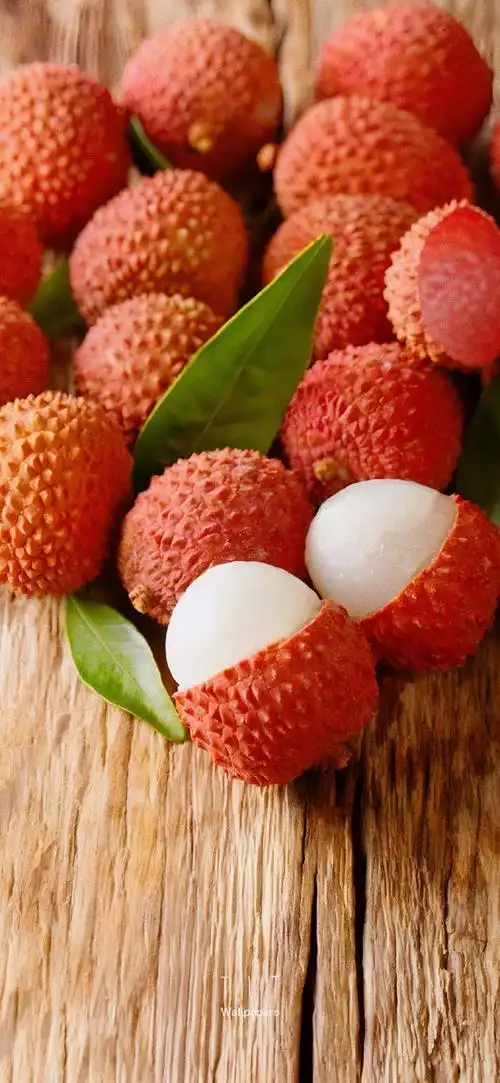
China lychee supplier
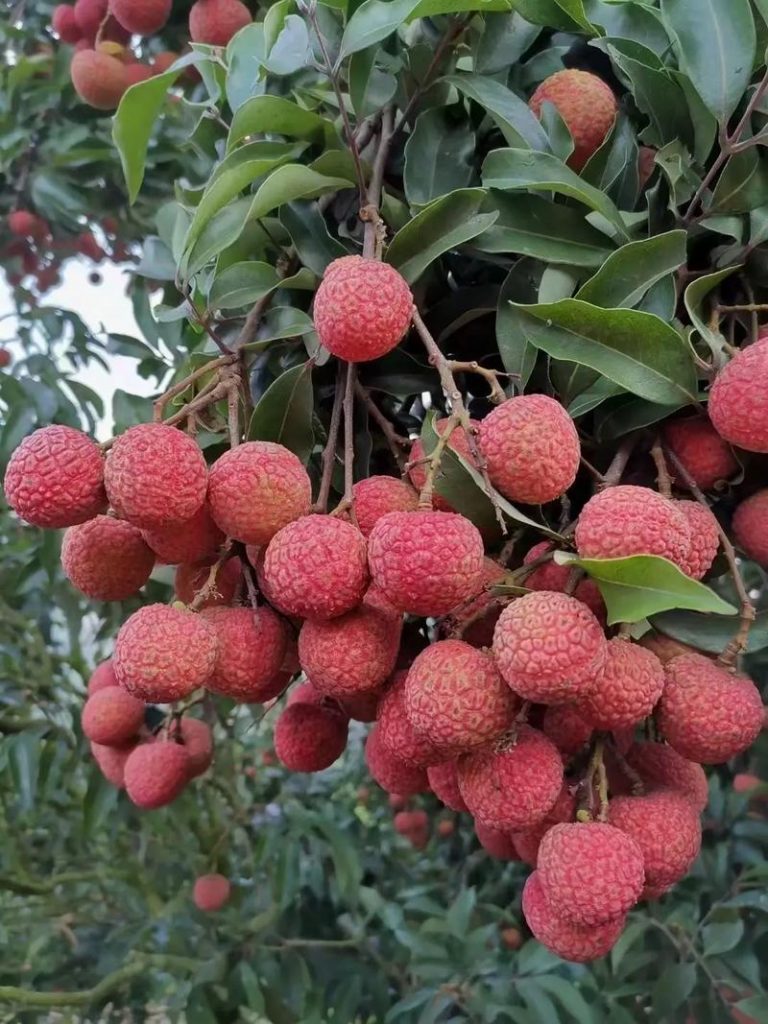
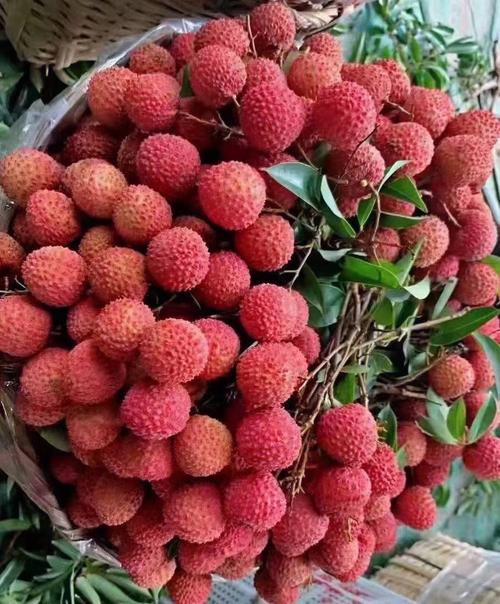
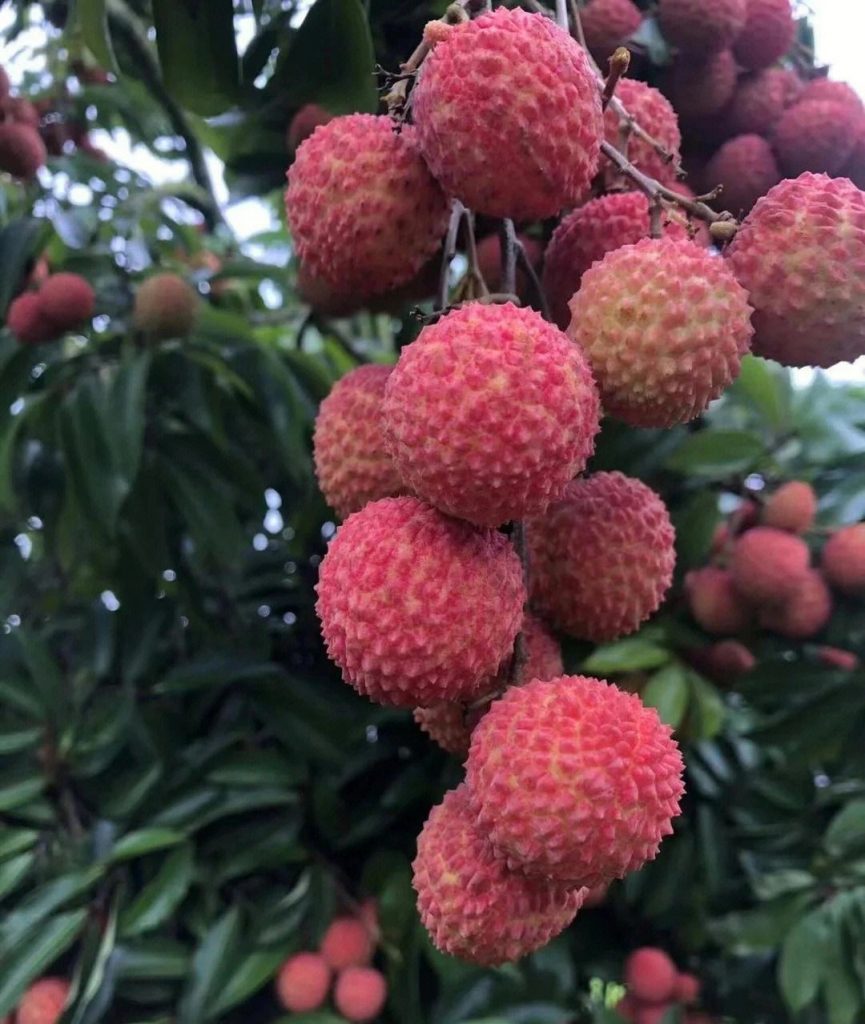
Sourcing lychees (litchi) from China requires more than just finding a seller on a B2B platform; it demands a deep understanding of horticulture, post-harvest physiology, and cold-chain logistics. As the world’s largest producer—accounting for nearly 70% of global output—China offers an unparalleled variety of cultivars, from the early-season “March Red” to the premium “Guiwei” and “Nuomici.”
For importers, retailers, and specialty grocers, navigating this market requires answering critical questions about freshness, shelf-life, and export compliance. Here is a professional breakdown of what you need to know.
Q1: Which Chinese regions offer the best quality for export?
The terroir matters immensely in lychee cultivation.
-
Guangdong Province: The undisputed leader in volume. Specific counties like Zengcheng and Conghua are famous for high-quality “Guiwei” (Cinnamon Flavor) and “Nuomici” (Glutinous Rice Ball), known for their small seeds and intense sweetness.
-
Hainan Province: The southernmost province, offering the earliest harvest (April-June). If you need to be the first in the market with fresh lychees, Hainan suppliers are your target.
-
Fujian Province: Known for the “Chenzi” variety, which has a thicker skin and slightly firmer texture, making it somewhat more resilient for long-distance shipping compared to the delicate Guangdong varieties.
Q2: What are the critical post-harvest treatments I should ask the supplier about?
Lychees are notorious for browning and fermentation. A professional supplier must have advanced handling protocols.
-
Sulfur Dioxide (SO2) Fumigation: For export to Europe and North America, suppliers often use controlled SO2 fumigation to preserve the red color and prevent decay. You must ask for the residue test report to ensure it meets the maximum residue limits (MRLs) of your destination country.
-
Hot Water Treatment (HWT): A physical alternative to chemicals used to kill pests (like the Lychee Fruit Borer) and slow down skin browning. Ask if they use a continuous flow system to ensure uniform treatment.
-
Pre-cooling: The “field heat” must be removed within hours of harvesting. A top-tier supplier will use vacuum cooling or hydro-cooling to bring the fruit temperature down to 4-5°C immediately.
Q3: How do I distinguish between “Fresh” and “Cold Storage” lychees?
Suppliers sometimes mix stored fruit with fresh picks late in the season.
-
The “Brix” Level: Use a refractometer. Premium fresh lychees (like Nuomici) should have a Brix (sugar content) level of 18-22%. If the level is lower, the fruit may have been stored too long, causing starch conversion issues.
-
Skin Integrity: Fresh lychees have prickly spines that are sharp to the touch. If the spines are flattened or the skin feels “rubbery,” the fruit is likely aged or has been improperly dehydrated.
Q4: What packaging standards ensure the fruit survives transit?
Standard cardboard boxes won’t work.
-
Ventilated PP Boxes: Most professional exporters use perforated polypropylene (PP) plastic crates. These allow for better airflow during reefer container transport than solid fiberboard.
-
Modified Atmosphere Packaging (MAP): Ask if the supplier uses liners with specific oxygen transmission rates. This slows down respiration and extends the shelf life from 10 days to nearly 30 days under refrigeration.
Q5: What certifications are mandatory for a reliable supplier?
-
GlobalG.A.P.: This is the gold standard for farm management. It ensures traceability back to the specific orchard block.
-
BRC / HACCP: For the packing facility. This ensures the water used for washing is potable and the facility is free from cross-contamination.
-
Phytosanitary Certificate: Essential for customs clearance. Ensure the supplier understands the specific pest protocols required by your country (e.g., USDA-APHIS for the USA).
Q6: How does the “Pre-booking” model work for premium varieties?
Unlike commodities, premium lychees like “Guanxi Mi” are often sold out before the harvest begins.
-
Tree Booking: Serious buyers often pay a deposit to “book” specific trees or orchards in February/March. This guarantees supply at a fixed price, protecting you from mid-season spikes when demand outstrips the short harvest window (often just 2-3 weeks for specific cultivars).


No reply content