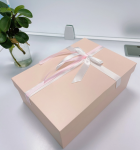
Dongguan PremiumGift BoxPackaging
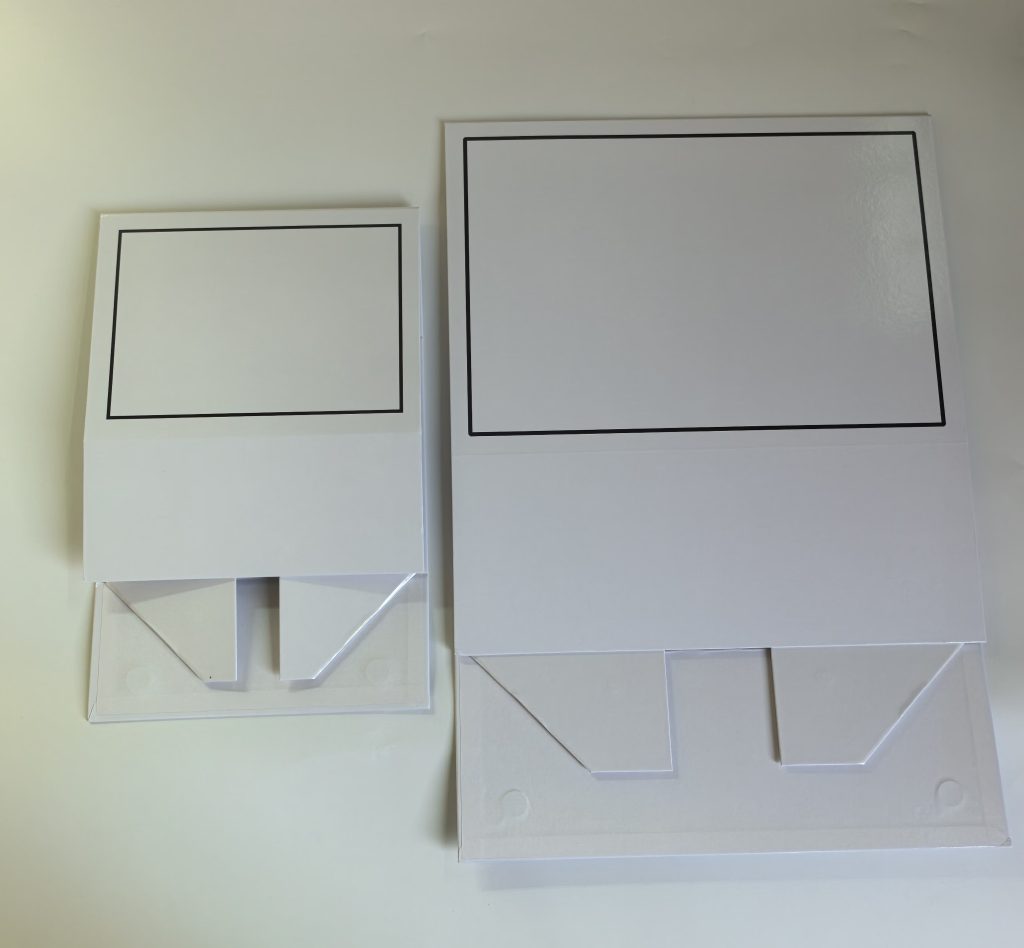
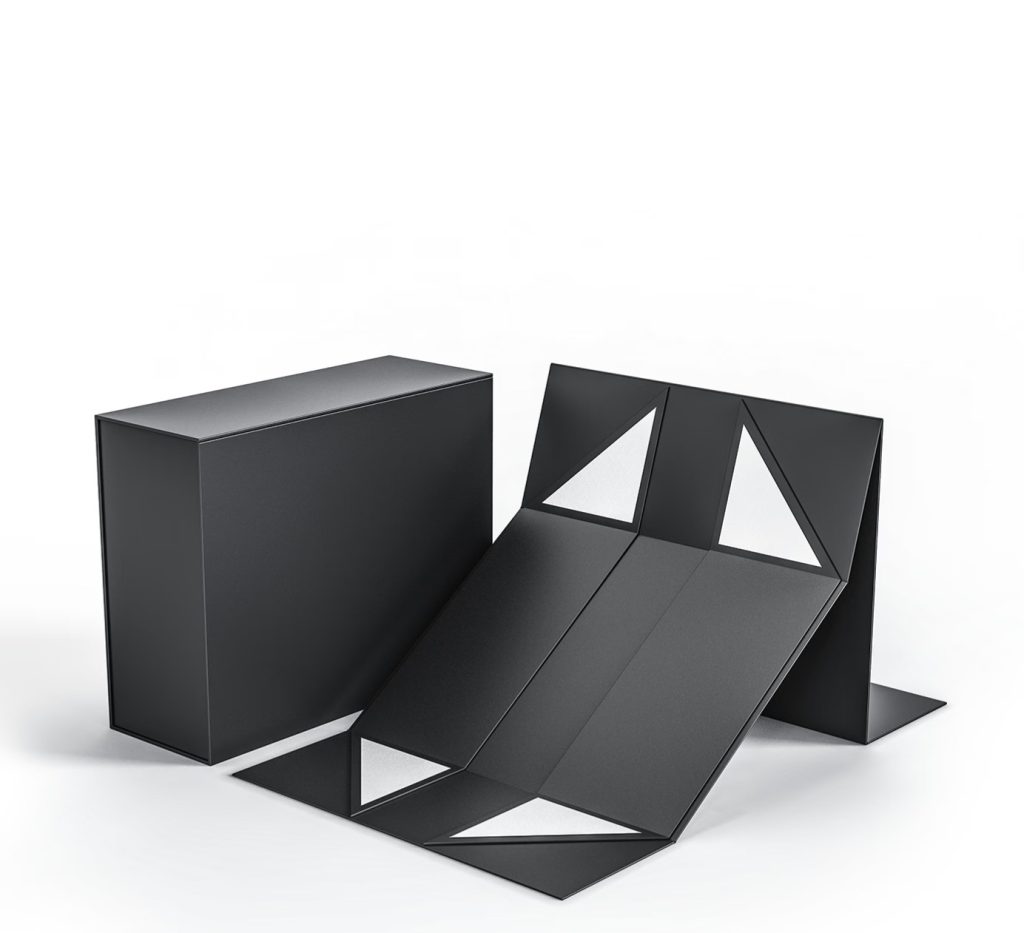
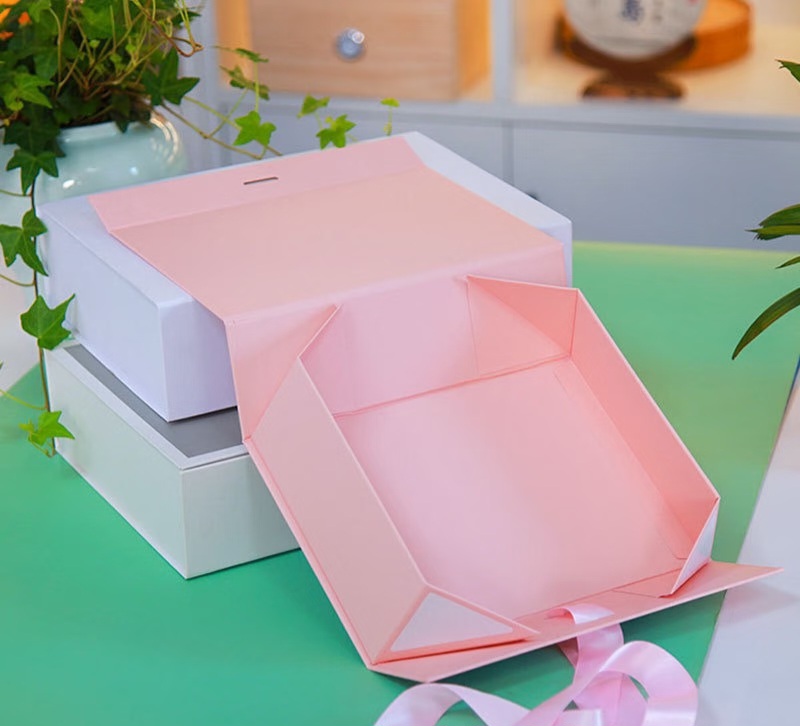

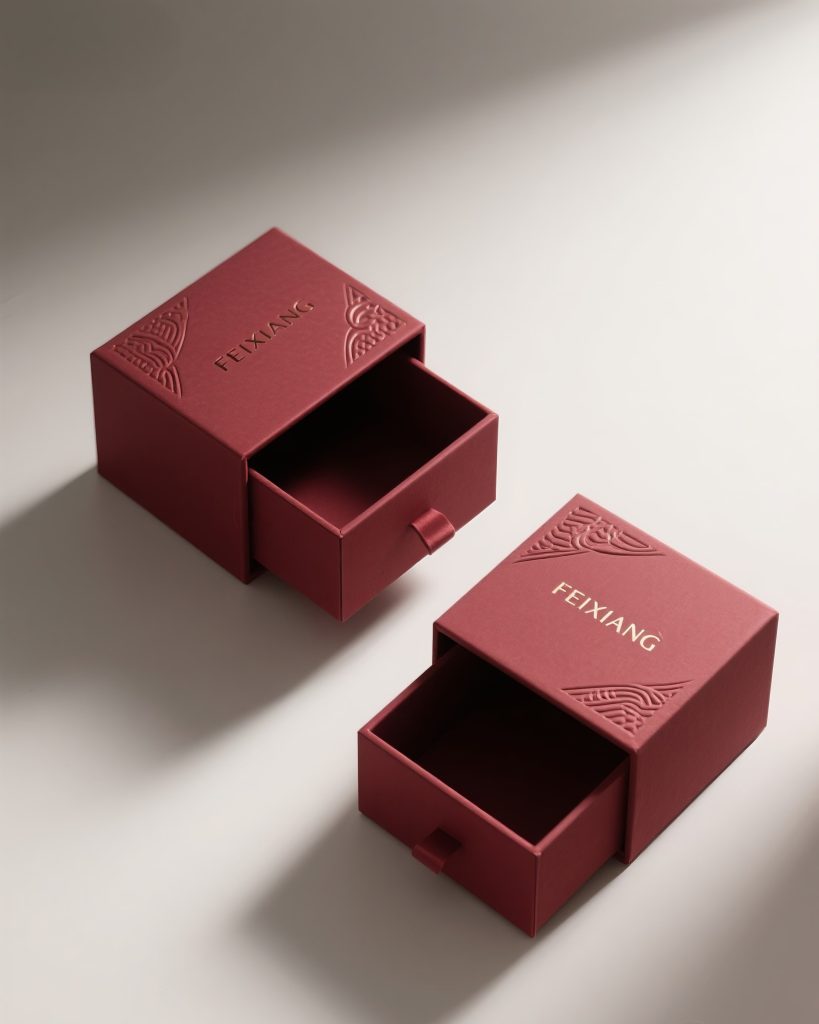
On a rainy afternoon in Portland, a woman sits at her kitchen table, tracing the letters of her mother’s name etched into a small wooden box. The rain taps against the window, but her focus is on the grain of the cedar wood—each swirl a reminder of the forest where the tree grew, and the careful hand that carved her mother’s name in a looping script. Inside, a silver locket holds a photo of the two of them at the beach, taken the summer she learned to swim. This is the magic of the personalized name gift box: not just a container, but a vault for memories, a canvas for identity, and a testament to the idea that some names deserve to be remembered not just in hearts, but in hands.
I. The Power of a Name: Why Personalization Transcends Decoration
A name is more than a label; it is the first gift we receive, the thread connecting us to family, culture, and self. In gift-giving, writing a name on a box transforms a generic object into a personal declaration: “This is for you, and only you.” For birthdays and anniversaries—moments defined by the passage of time—this declaration becomes a counterweight to transience, a way to anchor fleeting joy in something tangible.
Consider the psychology of recognition: studies show that seeing one’s name activates the brain’s reward centers, releasing dopamine in a way generic terms cannot. A box bearing a name becomes a “memory anchor,” a physical object the brain associates with the emotions of the occasion. For a child receiving a birthday box with their name in crayon-like font, it reinforces their sense of belonging; for a spouse opening an anniversary box with their name intertwined with their partner’s, it symbolizes a union.
This is why personalized name boxes have surged in popularity. They answer a universal longing: to feel seen. In an age of mass production, a name on a box says, “You are not one of many; you are the one.”
II. The Anatomy of a Name: Design Elements That Speak Volumes
Crafting a personalized name gift box is an exercise in intentionality. Every choice—from the font to the material—must align with the story the name tells.
A. Fonts: The Voice of Identity
The typeface used for a name is rarely arbitrary. It carries cultural and emotional weight:
-
Handwritten Scripts: Looping, imperfect fonts mimic personal penmanship, evoking childhood notes or love letters. Ideal for gifts between partners or parents and children.
-
Serif Fonts (e.g., Times New Roman): With their decorative flourishes, they suggest tradition and formality—perfect for milestone anniversaries or honoring elders.
-
Sans-Serif Fonts (e.g., Helvetica): Clean and modern, they appeal to minimalists and younger recipients, often paired with geometric patterns.
-
Calligraphic Styles: Elaborate, flowing scripts (like Arabic or Celtic knotwork) add artistry, suitable for culturally significant names or artistic personalities.
A friend once shared how she chose a font for her grandmother’s 90th birthday box: a version of her grandmother’s own signature, scanned and digitized. “When she saw it, she cried,” she recalled. “It was like holding her handwriting in my hands again.”
B. Materials: The Texture of Memory
The box’s material should complement the name’s story:
-
Wood: Hardwoods like oak or walnut, with names burned or carved into the surface, feel permanent—ideal for heirloom gifts. The grain of the wood becomes part of the name’s character, as unique as a fingerprint.
-
Paper and Cardboard: Recycled kraft paper with names printed in soy ink offers a rustic, eco-friendly vibe, while thick, cream-colored stock with embossed names feels elegant and timeless.
-
Metal: Small brass or copper plates riveted to the lid add industrial charm, often used for names with strong, bold letters.
-
Fabric: Linen or burlap boxes with names embroidered in thread combine softness with durability, popular for baby showers or pet memorials.
One artisan in Vermont specializes in “memory wood”: using reclaimed barn wood, each plank’s history (a century-old farm, a forgotten barn) adds a layer to the name it bears. “The wood remembers the rain, the sun, the hands that built the barn,” she explains. “Now it remembers the person named on it.”
C. Interactive Details: Inviting Participation
The best name boxes encourage interaction, turning the recipient into a co-creator of the memory:
-
Hidden Compartments: A small drawer under the lid, with the name repeated in tiny letters, can hold a secret note or a lock of hair.
-
Photo Windows: A clear acrylic panel on the front, with the name arched above, frames a favorite photo of the recipient.
-
Growable Elements: Seed paper with the name printed in water-soluble ink, which can be planted to grow wildflowers—blending the name with new life.
III. The Art of Naming: Stories Woven into Letters
A name box is only as meaningful as the story behind the name. Craftsmen often collaborate with senders to uncover these stories, translating them into design.
A. Cultural Heritage
Names often carry ancestral weight. A box for a first-generation immigrant might feature their name in both English and their native script (e.g., Chinese characters, Hindi devanagari), with a small flag or symbol of their homeland tucked inside. For a Jewish family, a name might be paired with a Star of David, or a Hebrew phrase like “L’dor v’dor” (from generation to generation).
B. Shared History
Couples often request names intertwined—John + Mary, with a heart or infinity symbol between them. One man commissioned a box for his wife’s 25th anniversary, with their names spelled out in the coordinates of the town where they met. “She opened it, saw the numbers, and gasped,” he said. “Suddenly, the box wasn’t just a box—it was a map of our beginning.”
C. Overcoming Challenges
Names can also mark resilience. A parent might gift a box to a child who survived a serious illness, with the name surrounded by symbols of strength (a phoenix, a climbing vine). Another commissioned a box for a friend recovering from loss, with the name written in a font that mimicked their late loved one’s handwriting.
IV. The Making of a Name Box: Hands, Heart, and Patience
Creating a personalized name box is a slow process, rooted in craftsmanship rather than automation. Unlike mass-produced packaging, each box bears the marks of human touch—a bent corner, a slightly uneven line, the warmth of hands that shaped it.
A. The Designer’s Role
A designer begins by listening. “I ask senders about the recipient’s favorite colors, hobbies, even how they laugh,” says a Brooklyn-based creator. “Once, someone told me their dad loved fixing old clocks. So I made a box shaped like a gear, with his name in a font that looked like clock hands.”
Sketches are refined until they capture the recipient’s essence. For a musician, the name might curve like a musical staff; for a gardener, it might sprout leaves at the ends of the letters.
B. The Artisan’s Hands
Production involves meticulous steps:
-
Cutting: Using lasers or hand saws (depending on the material), the box shape is cut with precision. Hand-cut boxes often have slightly irregular edges, which artisans embrace as “character.”
-
Printing/Embossing: Names are transferred via letterpress (for a vintage feel), digital printing (for crisp modern lines), or embossing (for a tactile, raised effect).
-
Assembly: Hinges, clasps, and linings are added. Velvet or silk linings protect the gift and add a sensory delight—running a finger along the soft interior feels like touching a secret.
One artisan in Kyoto spends hours practicing calligraphy before carving a name into wood. “Each stroke must breathe,” she says. “If it’s too perfect, it feels dead. If it’s too messy, it loses dignity. The name needs to live on the wood.”
C. Quality Control: The Final Blessing
Before shipping, each box is inspected for flaws—but “flaws” are judged differently here. A tiny smudge of ink might be left untouched if it adds charm; a crooked hinge might be adjusted, but not erased entirely. “We’re not making machines,” says a workshop owner in Maine. “We’re making companions for memories.”
V. The Unboxing: A Ritual of Recognition
Opening a personalized name box is a ceremony in itself. Unlike tearing open generic wrapping paper, it invites slowness—a moment to absorb the name, to remember why this person matters.
A. The Visual Welcome
The first sight is the name, glowing under soft light (if foil or metallic ink is used) or emerging from the texture of the material. For a visually impaired recipient, artisans might add Braille beneath the printed name, ensuring inclusivity.
B. The Tactile Connection
Fingers trace the letters—are they smooth from embossing? Rough from carving? Cool from metal? This tactile engagement strengthens the emotional bond. A woman with arthritis once shared that running her thumb over her late husband’s name on their anniversary box brought her more comfort than any photo.
C. The Gift Within: A Mirror of the Name
The contents often reflect the name’s story. A box for a baker named Clara might hold a handwritten recipe book with her name on the cover; a box for a hiker named Leo might contain a map of their favorite trail. This mirroring reinforces the idea that the recipient is understood—their name isn’t just a label, but a summary of who they are.
VI. Beyond Birthdays and Anniversaries: The Versatility of Name Boxes
While born from milestone celebrations, personalized name boxes have expanded into everyday moments of recognition:
A. Welcoming New Life
Baby shower boxes with the newborn’s name (and parents’ names) become heirlooms, holding hospital bracelets, first locks of hair, or ultrasound photos.
B. Honoring Departed Loved Ones
Memorial boxes with the deceased’s name, paired with their favorite quote or a pressed flower from their garden, offer a tangible place to keep memories.
C. Celebrating Identity
LGBTQ+ individuals often commission boxes with chosen names or pronouns, marking a moment of self-affirmation. One nonbinary teen received a box with their name in a gender-neutral font, surrounded by rainbow motifs—“It felt like someone finally saw me,” they later wrote.
VII. The Future of Name Boxes: Tradition Meets Technology
As technology advances, personalized name boxes are evolving—without losing their soul.
A. Digital Integration
QR codes printed near the name can link to voice messages, videos, or photo albums. One artist combines laser-etched names with NFC chips that play a recording of the sender reading a poem.
B. Sustainable Innovation
Biodegradable materials (like mushroom-based packaging) are being paired with plantable seed paper names. Some artisans even use algae ink, which changes color over time—symbolizing growth and change.
C. Collaborative Platforms
Online tools let senders design boxes with templates, but artisans still oversee the final product, ensuring no two boxes are identical. “We want people to feel they co-created something,” says a designer in Berlin. “The machine helps, but the heart decides.”
Conclusion: The Name That Lingers
In a world of fleeting digital messages and disposable goods, the personalized name gift box stands as a rebellion—a reminder that some things deserve to be held, touched, and remembered. It is a testament to the idea that a name is not just a collection of letters, but a story waiting to be told, a life waiting to be honored.
When a recipient traces the name on their box years later—feeling the grain of the wood, seeing the faint wear from countless touches—they are not just remembering a birthday or anniversary. They are remembering that someone cared enough to write their name not just on paper or wood, but on their heart. And in that remembrance, the moment lives on—not as a memory, but as a companion.
After all, the best gifts don’t just hold objects.


No reply content