
Gannan Navel Orange Orchard China
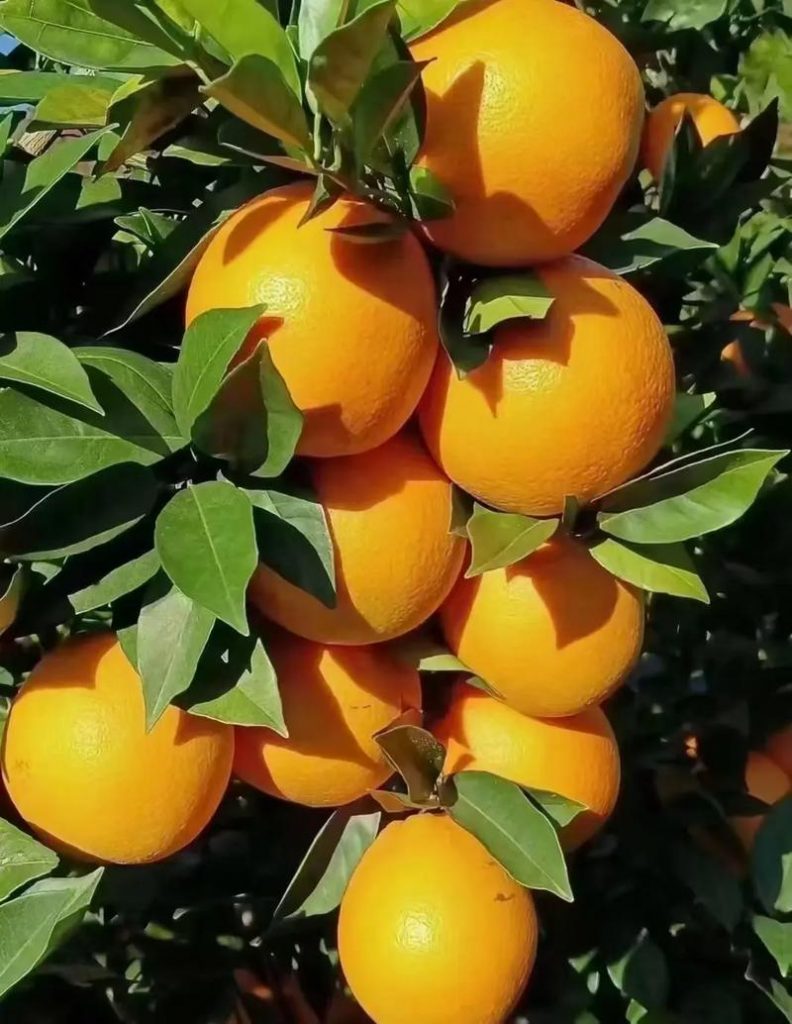
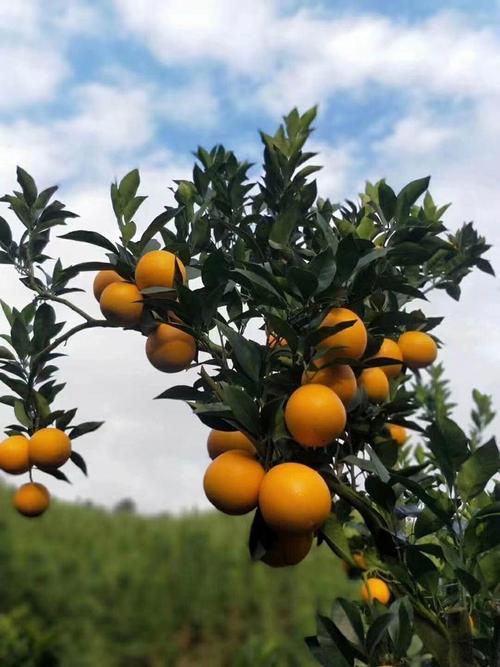
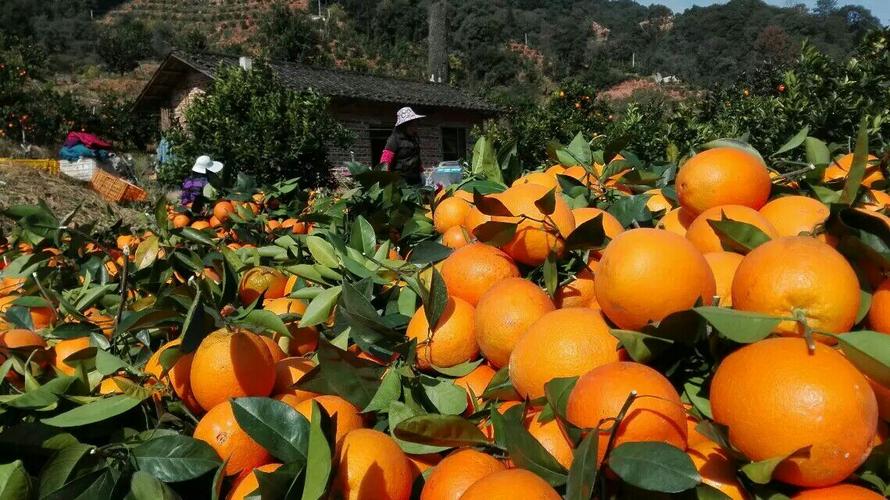
As an exporter, your success with Chinese navel oranges hinges on understanding that this is not a commodity business—it is a geography and timing business. China is the world’s largest producer, but the quality, sugar levels, and peel characteristics vary drastically by region and week. To build a sustainable export program, you must look beyond the sales pitch and into the micro-climates and packing house protocols.
1) The Geography of Quality: Key Growing Regions
The supply base is defined by three distinct terroirs. Matching the region to your target market is the first step.
-
Gannan (Jiangxi Province): The undisputed heartland. Specifically, the counties around Ganzhou. The soil and climate here produce the classic “Gannan Navel” (赣南脐橙). These are known for high juice content, deep orange color, and stable sugar-acid ratios. Best for: Supermarkets and premium wholesale.
-
Southern Fujian (Zhangzhou area): Known for early-season varieties. The harvest starts earlier here than in Jiangxi. Best for: Capturing early market premiums before the main Gannan crop hits.
-
Sichuan Basin (Meishan/Leshan): Cooler temperatures lead to slower ripening and often higher acidity. The fruit is typically smaller but has a distinct, intense aroma. Best for: Markets that prefer tangier profiles.
2) The Variety Matrix: What You Are Actually Buying
Chinese suppliers often use local names. You need to know the underlying cultivar to predict shelf life and taste.
| Local Name | Botanical Cultivar | Key Characteristics | Export Suitability |
|---|---|---|---|
| Gannan New 1 | Washington Navel mutation | Large fruit, smooth skin, high yield. | Excellent for bulk export. |
| Ponkan / Bengala | Citrus reticulata | Not a true navel, but often mixed in. Very sweet, loose skin. | Good for immediate consumption markets. |
| Cara Cara | Cara Cara Navel | Pink/Red flesh, low acid. | Premium niche market. Requires careful handling. |
| Summer Orange | Valencia relative | Late season, holds well on tree. | Good for extending the season. |
3) The Packing House: Where Value is Lost or Created
The orchard is only half the battle. The packing house determines whether the fruit arrives in sellable condition.
-
Grading Technology: Top-tier suppliers use electronic color sorters and weight graders. Avoid suppliers who rely solely on manual sorting; human error leads to inconsistent sizing, which kills retailer confidence.
-
De-Greening Rooms: In early season, fruit may be harvested slightly immature. Reputable packers use temperature-controlled de-greening rooms to develop color evenly. Warning: Overuse of ethylene or improper humidity can cause rapid decay.
-
Waxing and Fungicide Dips: This is a critical export compliance point. Suppliers must use post-harvest treatments approved by your destination country (e.g., Imazalil, Thiabendazole). You must request the specific chemical names and concentrations.
-
Cold Chain: Fruit must be pre-cooled to 4–7°C within 24 hours of packing. If the container is not plugged in and running at the packing house, the shelf life is already compromised.
4) The Contract Structure for Exporters
Never rely on verbal promises. A professional export contract for navel oranges must include:
-
Specific Origin: “Grown in Ganzhou, Jiangxi” (not just “China”).
-
Sugar Level (Brix): Specify a minimum (e.g., 12° Brix). Reject batches below this threshold.
-
Caliber (Size): Define the diameter range (e.g., 75mm–85mm).
-
Defect Tolerance: Strict limits on skin blemishes, scarring, and internal quality.
-
Packaging: Specify carton dimensions, net weight, and liner bags (if any).
-
Phytosanitary Compliance: Explicit clause stating the supplier is responsible for all export certificates and pest control measures required by the destination country.
5) Red Flags vs. Green Flags
| Red Flags (Risk of Rejection) | Green Flags (Reliable Partner) |
|---|---|
| Offers “mixed sizes” to fill a container quickly. | Offers strict size grading (65/70/80/90 caliber). |
| Cannot provide a recent pesticide residue test report. | Provides a full MRL (Maximum Residue Level) report matching your country’s standards. |
| Price is significantly lower than the market average. | Explains the cost breakdown (farm gate price + packing + docs). |
| Promises “year-round supply” of the same variety. | Is honest about the specific harvest window (Nov–March). |
| Uses unbranded, flimsy cartons. | Uses double-wall corrugated cartons with ventilation holes. |
FAQ (Exporter Edition)
Q1: When is the best time to ship Gannan Navel Oranges?
A: The peak harvest is November through February. The fruit has the best sugar-to-acid balance during this window. Early November fruit may need de-greening; late March fruit may start to dry out internally.
Q2: What is the difference between mesh bags and cartons?
A: Mesh bags are cheaper and popular in developing markets (Africa, SE Asia) but offer no protection against pressure bruising. Standard cartons (8kg, 10kg, 15kg, or 18kg) are mandatory for supermarkets in Europe, North America, and the Middle East.
Q3: How do I handle the “Black Spot” issue?
A: Citrus Black Spot (CBS) is a major quarantine concern for many countries (especially the US and EU). You must ensure your supplier treats the orchards with fungicides preventatively and that the packing house washes the fruit with disinfectants. Request a Certificate of Conformity regarding CBS-free status.
Q4: What Incoterms should I use?
A: Most exporters use FOB (Free On Board) from Shenzhen or Shanghai. This gives you control over the ocean freight and insurance. Avoid EXW (Ex-Works) unless you have a trusted agent in China to handle export customs clearance.
Q5: How do I verify the orchard location?
A: Ask for GPS coordinates of the cooperative or farm. If possible, hire a third-party inspection agency to perform a “Pre-Shipment Inspection” at the packing house, including a visual check of the orchard tags on the cartons.
Q6: What about organic certification?
A: China has its own organic standard (OFDC). However, for export to the EU, you need CNCA-certified bodies recognized by the EU. For the US, you need USDA NOP certification. Converting a conventional orchard to organic takes 3 years; be wary of suppliers claiming instant organic conversion.


No reply content