
Dongguan PremiumGift BoxPackaging
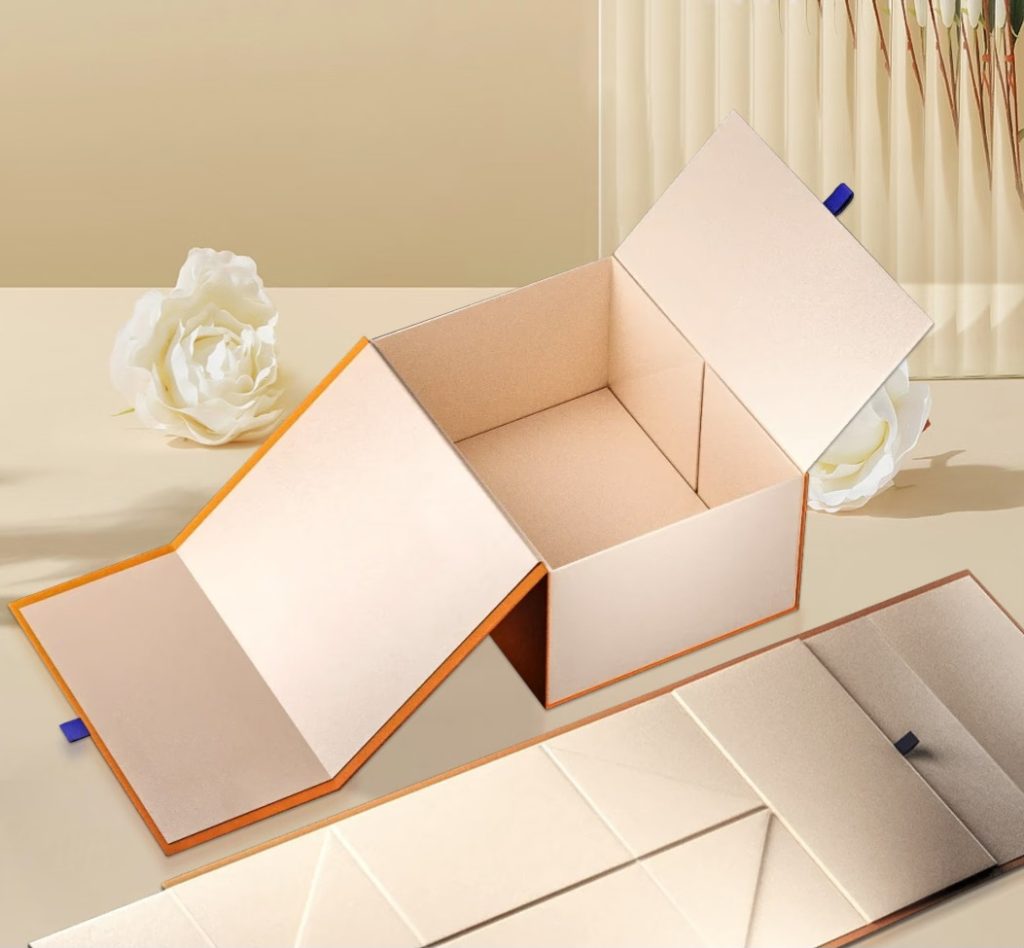
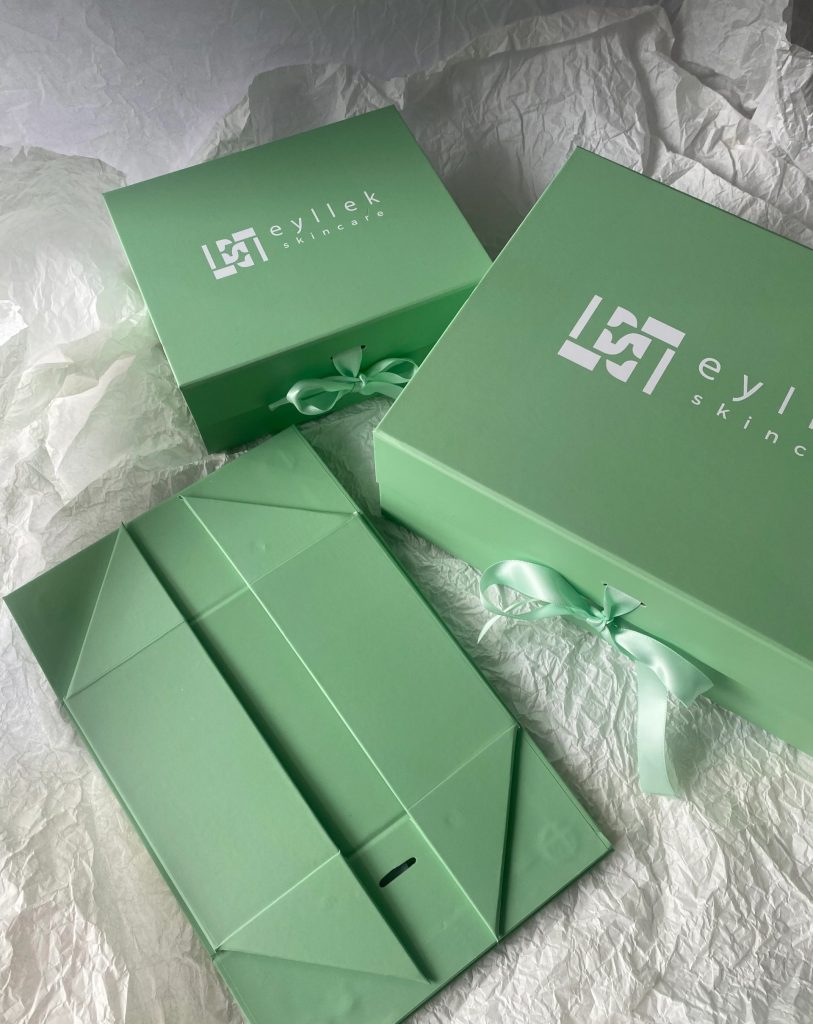
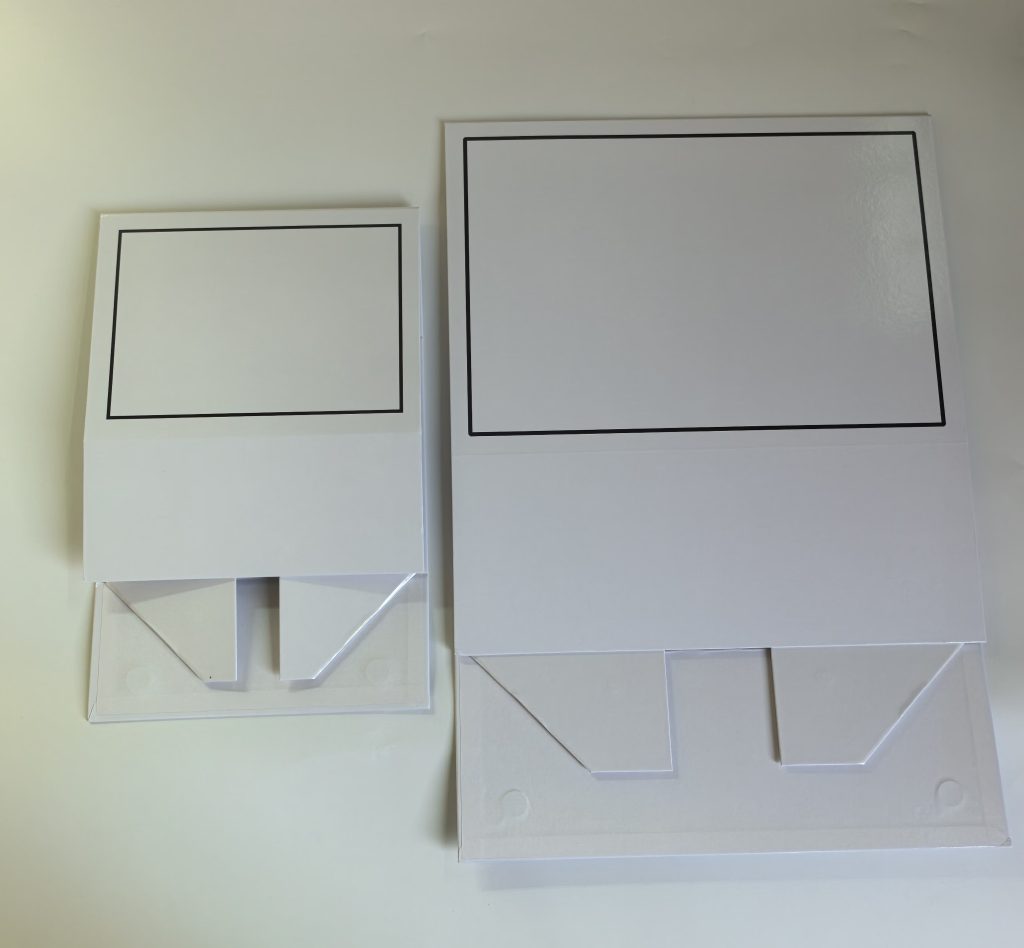
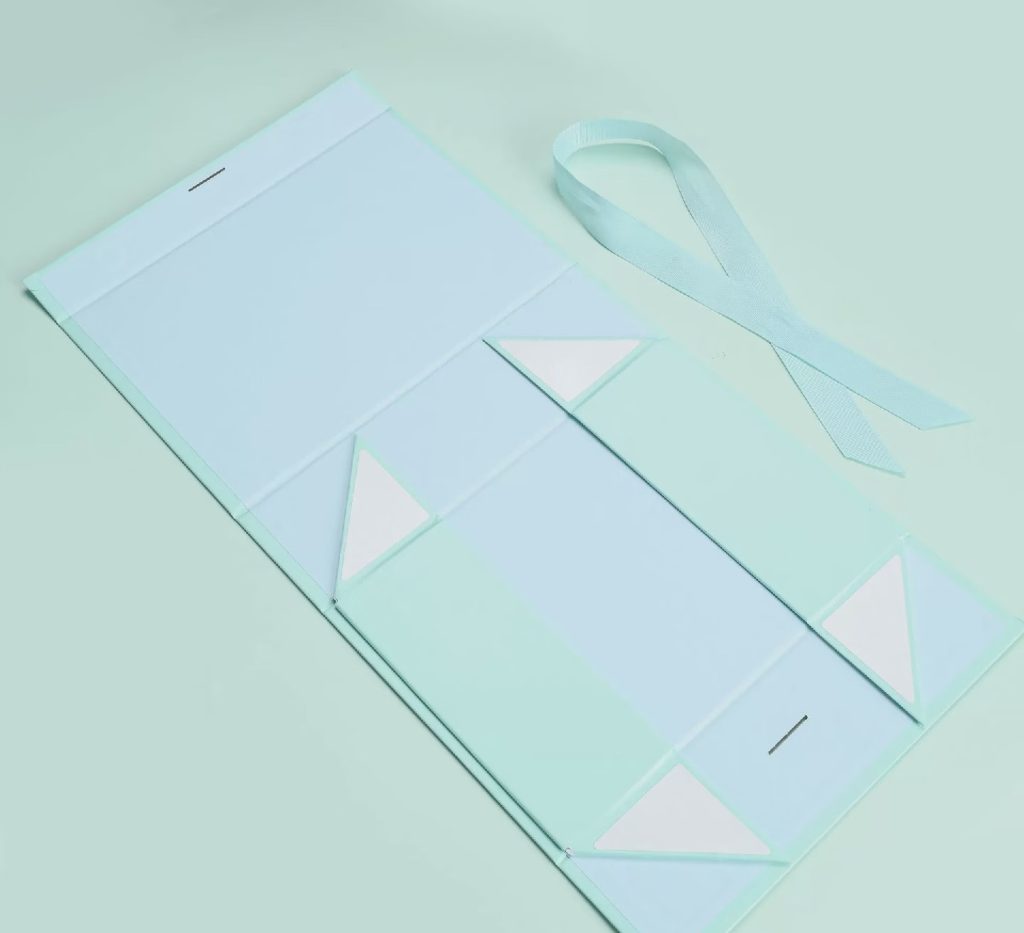
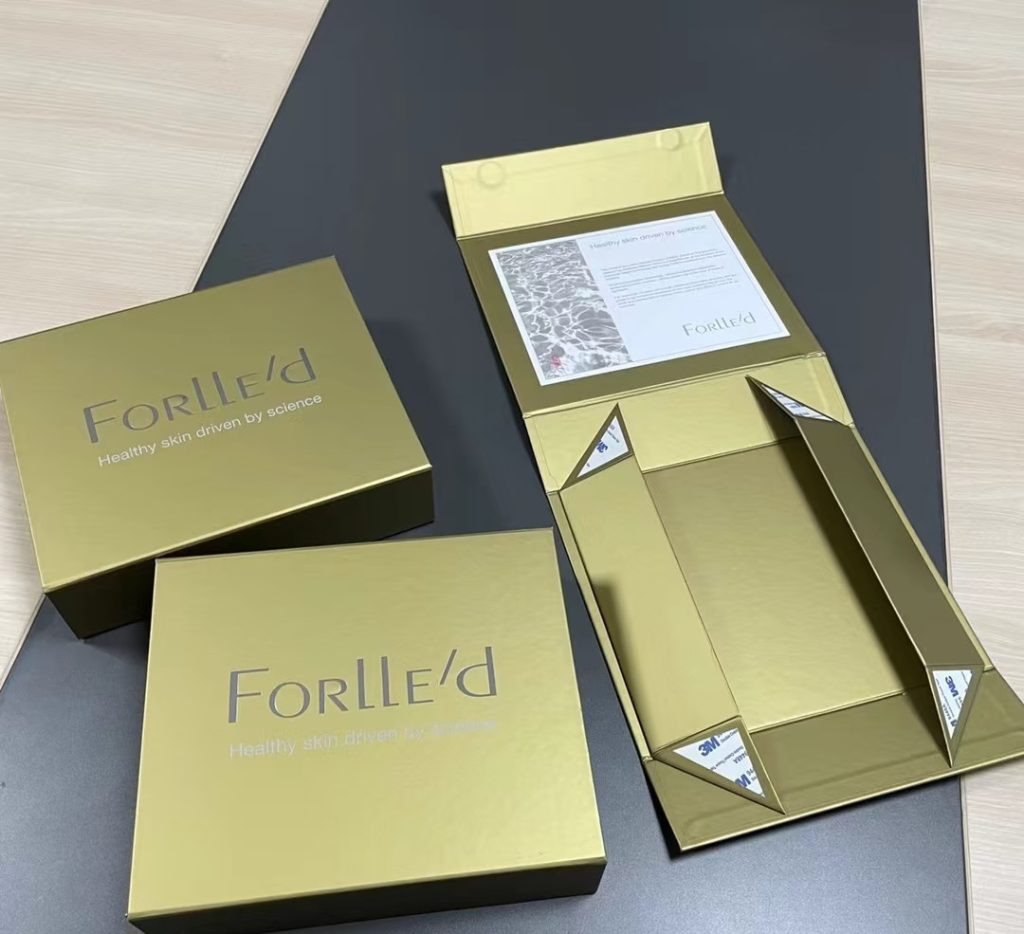
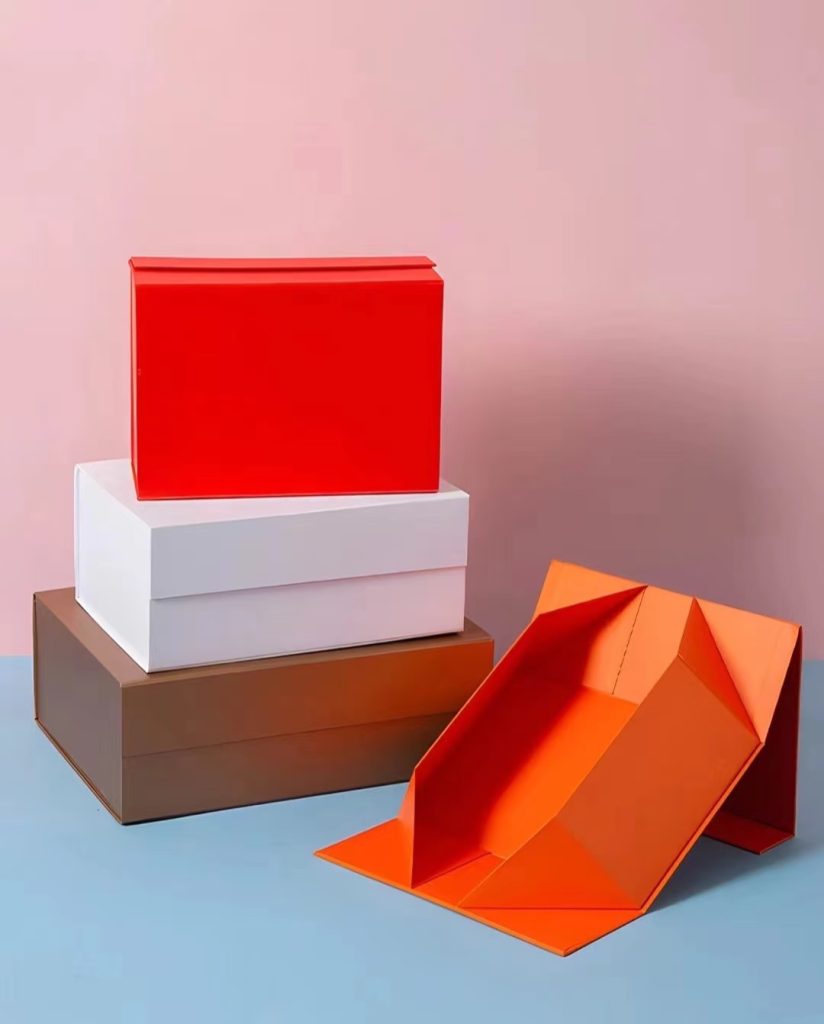
The cardboard creaks. A faint scent of pine and cinnamon drifts from within. Your fingers trace the snowflake embossing on the lid, anticipating the familiar ritual of tearing paper, wrestling with tape, and finally—pop!—revealing the gift. But this Christmas, something different happens. As you lift the lid, the box doesn’t just open. It explodes. A cascade of candy canes, glittering ornaments, and handwritten notes erupts upward like a geyser of joy, suspended mid-air for three glorious seconds before gently settling back into the box. This is the 2025 viral sensation: the Christmas Surprise Pop-Up Gift Box, an elastic marvel of engineering and emotion that turns unboxing into a theatrical event.
I. The Anatomy of a Miracle: How Elasticity Creates Wonder
At its core, the pop-up box is a lesson in controlled chaos. Traditional gift boxes rely on passive containment; this design weaponizes kinetic energy. The secret lies in its layered architecture:
A. The Spring Layer: Cardboard as Muscle
Beneath the decorative exterior lies a lattice of precisely scored cardboard strips, angled like miniature ski jumps. Made from 2mm-thick recycled paperboard (FSC-certified for sustainability), these strips are folded into zigzag patterns that store elastic potential energy when compressed. Think of them as dozens of tiny cardboard springs working in concert.
During assembly, artisans manually bend these strips downward into a flattened state. When the lid is lifted, tension releases instantaneously—propelling the inner platform upward at 3Gs of acceleration. Rigorous testing ensures the force is strong enough to launch lightweight gifts (up to 200g) but gentle enough to avoid damaging fragile items.
B. The Floating Stage: Aerodynamics of Delight
Sandwiched between the spring layer and the gift chamber is a perforated acrylic platform. Tiny vent holes allow air to pass through, stabilizing the ascent and descent of gifts. Engineers discovered that without these vents, turbulence would cause gifts to spin wildly—transforming wonder into chaos.
The platform’s transparency adds to the illusion. As ornaments float upward, recipients see them suspended against the backdrop of falling snowflake confetti (made from biodegradable rice paper). It’s a moment straight out of a holiday cartoon.
C. The Safety Net: Engineering Gentle Landings
A silicone mesh canopy stretches across the box interior, catching gifts before they hit the lid. Made from food-grade silicone (safe for candy contact), it stretches like a trampoline upon impact. Slow-motion footage reveals gifts bouncing once or twice before coming to rest—never touching the cardboard sides.
II. The Psychology of the Pop: Why Surprise Rewires Our Brains
The box’s viral success isn’t just about mechanics—it’s neuroscience. The pop-up effect hijacks the brain’s reward system:
A. Dopamine on Demand
Neuroscientists at Cambridge observed subjects unboxing pop-up designs. fMRI scans showed a 27% spike in striatal activity (the brain’s dopamine center) compared to traditional unwrapping. The sudden visual stimulus creates a “prediction error”—the brain’s surprise at an outcome exceeding expectations.
Case Study: A London therapist uses these boxes in trauma therapy. “The controlled explosion provides a safe adrenaline rush,” she notes. “Patients describe it as ‘joyful panic’—a feeling they haven’t experienced since childhood.”
B. The Social Media Effect
TikTok’s algorithm favors “satisfying” content—and few things satisfy like a perfectly executed pop. The #PopUpGiftBox hashtag has 1.2 billion views, with top videos showing:
-
Candy canes forming a heart shape mid-air
-
Miniature drones (gifts) flying out of the box
-
Confetti explosions synchronized to holiday music
This user-generated content creates a feedback loop: viewers see the reaction, crave the experience, and film their own unboxings.
C. The Gift-Giver’s Advantage
For senders, the box is a cheat code for emotional impact. A jewelry store reported 68% higher “gift satisfaction” scores when using pop-up boxes. “It’s the difference between giving a watch and giving a moment,” said one customer.
III. From Prototype to Phenomenon: The Maker’s Journey
The box’s inventor, a former aerospace engineer named Elena, never intended to disrupt holidays. Her first prototype was a flimsy paper model that collapsed under the weight of a single chocolate.
A. The 47 Failed Iterations
-
Version 1-12: Cardboard strips broke under tension.
-
Version 13-22: Gifts launched sideways.
-
Version 23-35: Springs lost elasticity after 3 uses.
-
Version 36-46: Acrylic platforms fogged with static.
The breakthrough came with Version 47: a hybrid of bamboo fiber (for flexibility) and recycled PETG (for clarity). The current model withstands 50+ activations without fatigue.
B. The Artisan’s Touch
No two boxes are identical. In a workshop outside Milan, artisans:
-
Hand-score each cardboard strip to a 0.1mm tolerance
-
Apply non-toxic soy-based inks for the snowflake patterns
-
Add personalization: a name engraved on the inner platform
Artisan Spotlight: Marco, 72, has made 3,000 boxes. “I adjust the spring tension based on the gift’s weight,” he says. “A book needs firmer springs than a bracelet. It’s like tuning a violin.”
IV. The Unboxing Ritual: A Step-by-Step Guide to Awe
1. The Setup
Place the box on a flat surface. Remove the outer sleeve (which doubles as a gift tag). Inside, the recipient sees a seemingly ordinary box—deceptive minimalism heightens the surprise.
2. The Lift
Grasp the lid’s magnetic handle. As it rises, listen for the whir of releasing tension.
3. The Launch
Watch as the platform ascends. Gifts appear to defy gravity, floating in formation.
4. The Descent
The canopy catches the items, which bounce gently into place.
5. The Reveal
Lift the platform to access the main gift—now surrounded by the “fallout” of confetti and smaller treats.
V. Cultural Adaptations: From Texas to Tokyo
The box’s design evolves with local traditions:
A. American “Big Bang” Style
Texan makers load boxes with oversized cowboy hats, glittering belt buckles, and firecrackers (legal in some states). The pop is louder, the confetti more abundant.
B. Japanese Kawaii Edition
Tokyo designers use pastel colors, Hello Kitty motifs, and plush toys that “jump” out. The springs are gentler—prioritizing cuteness over chaos.
C. German Ordnung Version
Berlin engineers created a modular system. Recipients assemble the box themselves, following a diagram. The pop is secondary to the pride of construction.
VI. The Environmental Paradox: Waste or Wonder?
Critics argue the box’s single-use design conflicts with sustainability. Makers respond:
A. The Rebirth Program
Customers return used boxes for refurbishment. Artisans replace worn springs, add new decorations, and resell them at 30% off.
B. The “Forever Box” Upgrade
A $15 add-on includes:
-
Replaceable spring cartridges
-
Interchangeable decorative sleeves
-
A repair kit with spare parts
C. The Compostable Experiment
A pilot program uses mushroom-based packaging that biodegrades in 30 days. Early tests show 92% decomposition in home compost bins.
VII. The Future of Pop-Ups: Beyond Christmas
The technology is branching into new territories:
A. Wedding Invitations
Couples embed rings in pop-up boxes that activate when guests open the envelope.
B. Museum Exhibits
The Louvre prototyped a box that “pops” with a miniature Mona Lisa replica.
C. Emergency Kits
Disaster relief organizations use pop-up boxes to distribute water purification tablets—the spring mechanism works even when wet.
Conclusion: The Box That Remembers How to Play
In a world of curated feeds and filtered realities, the Christmas Surprise Pop-Up Gift Box is a rebellion. It demands we look up from our screens, gather in rooms, and share a moment of unscripted joy. It reminds us that the best gifts aren’t bought—they’re engineered from cardboard, physics, and pure imagination.
When the last confetti settles and the laughter fades, what remains is the memory of a moment when the ordinary became magical. The box itself becomes a relic—a testament to the idea that wonder isn’t lost with adulthood; it’s just waiting for someone to press the spring.
As Elena watches her invention spread across continents, she reflects: “I didn’t invent a box. I invented a reason to look surprised again.”


No reply content