
China Umbrella Customization Factory

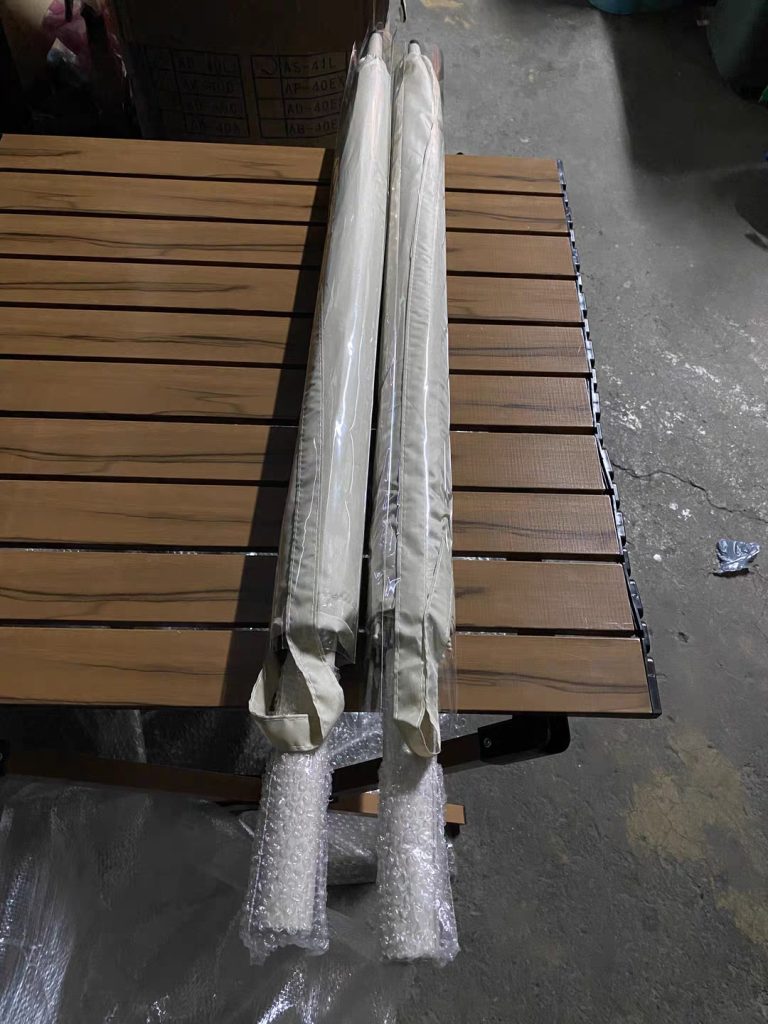
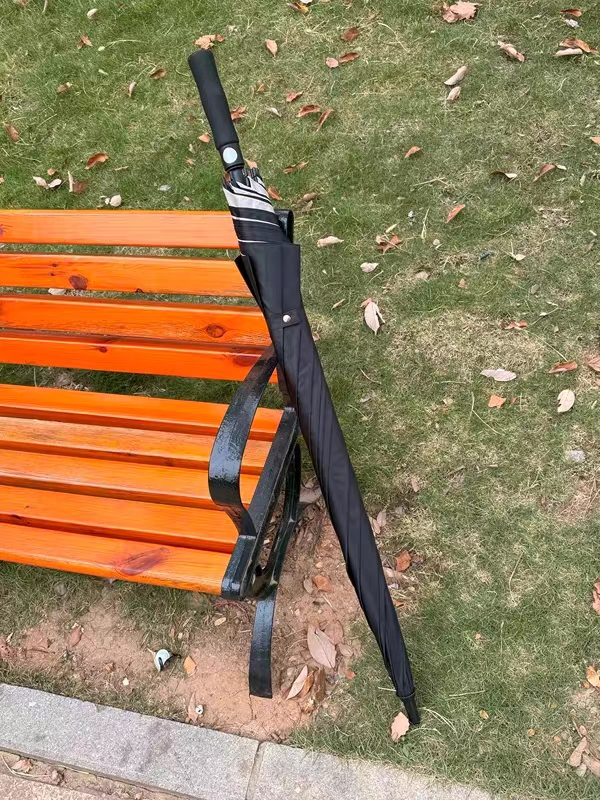
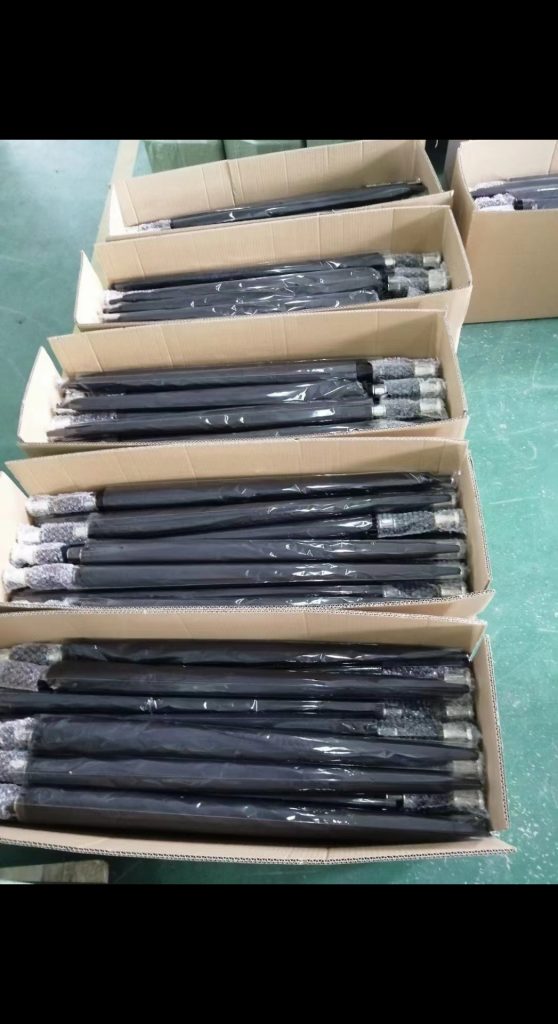
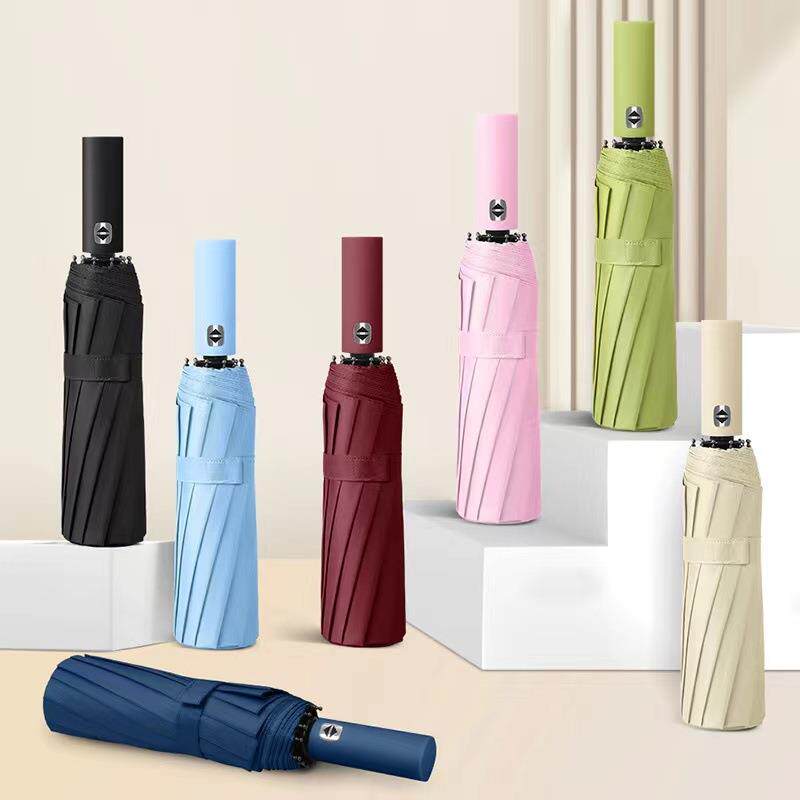
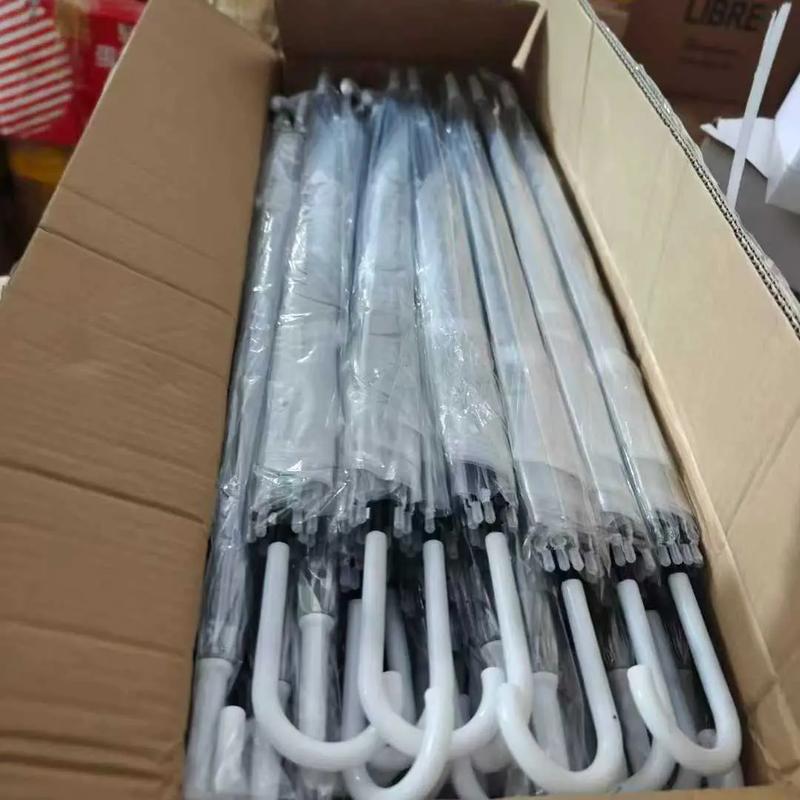
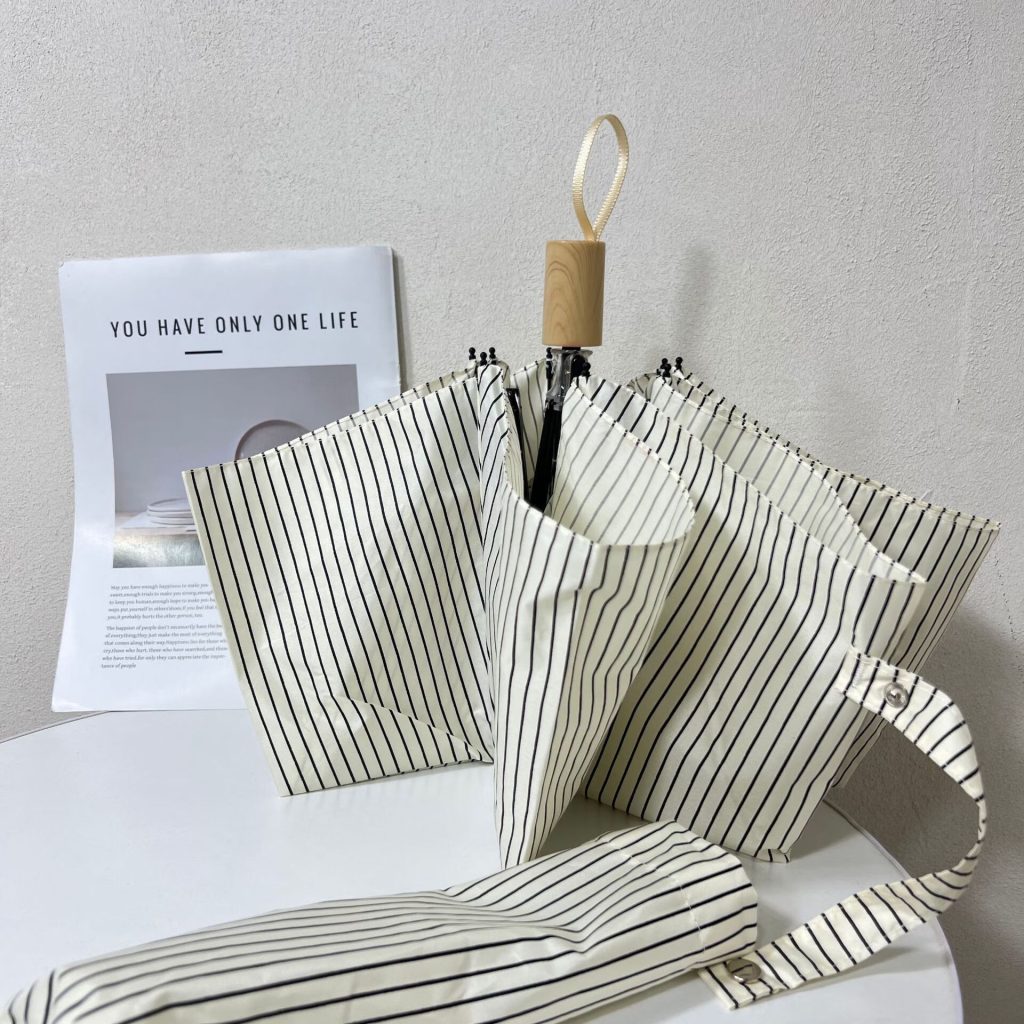
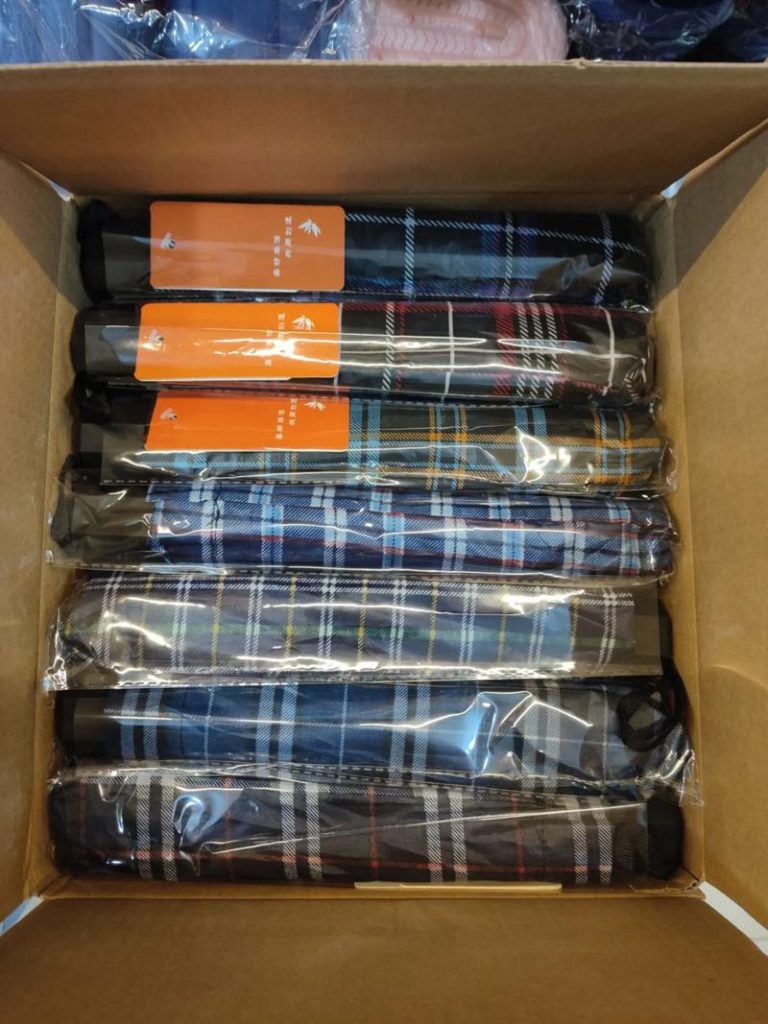
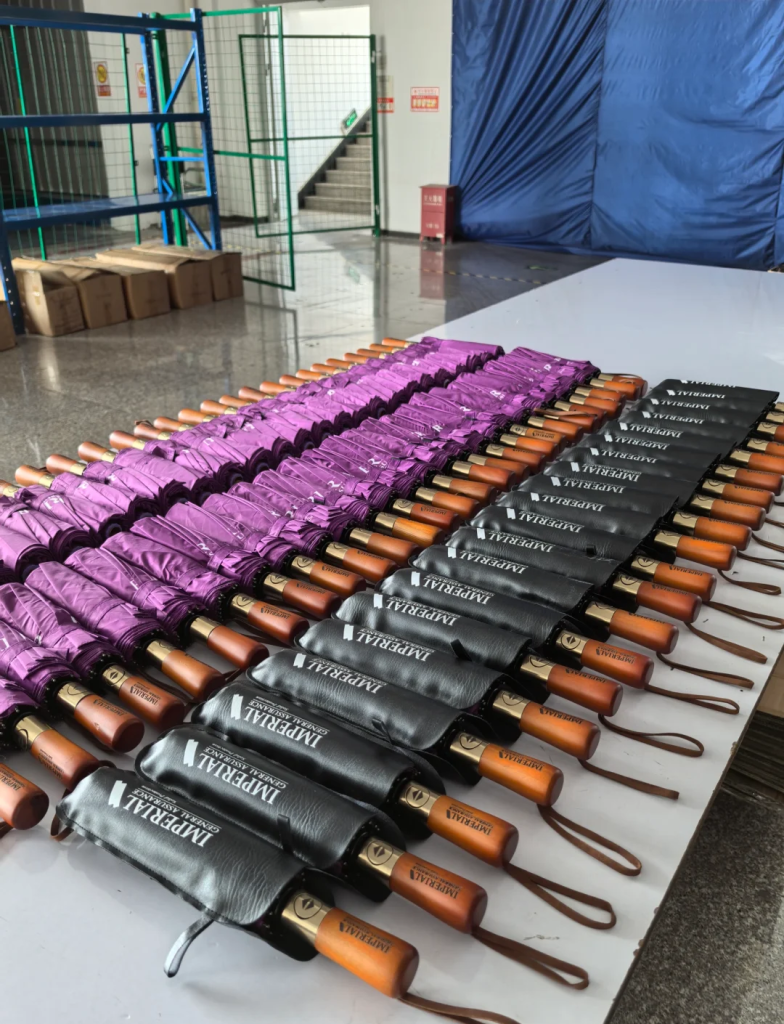
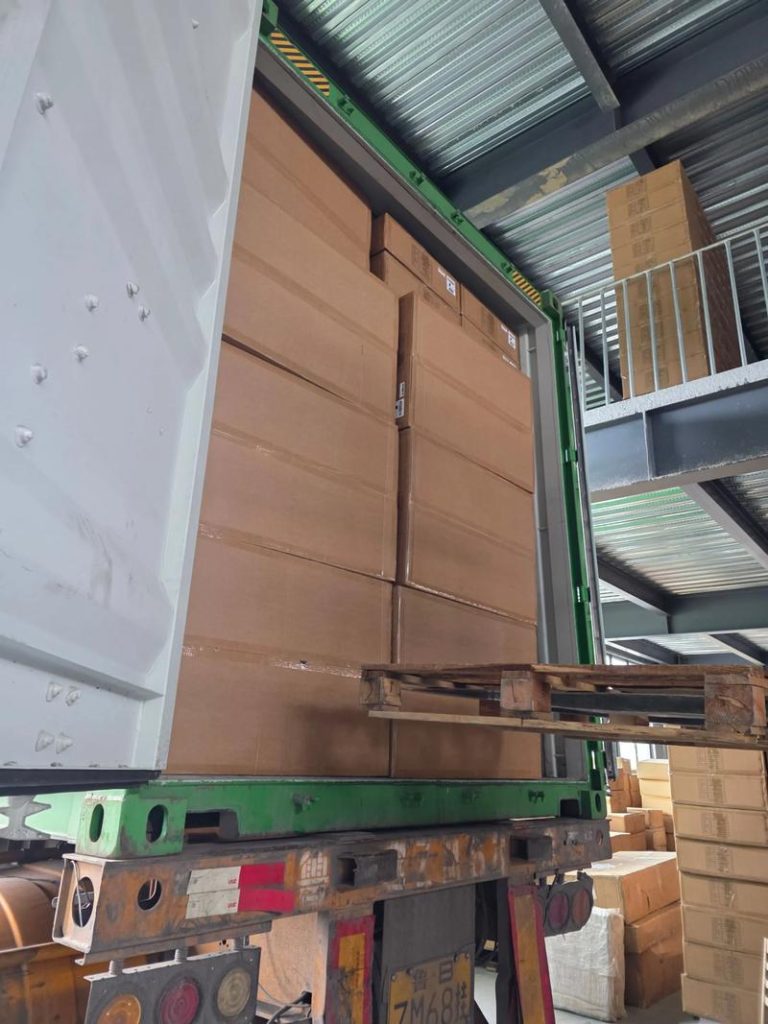
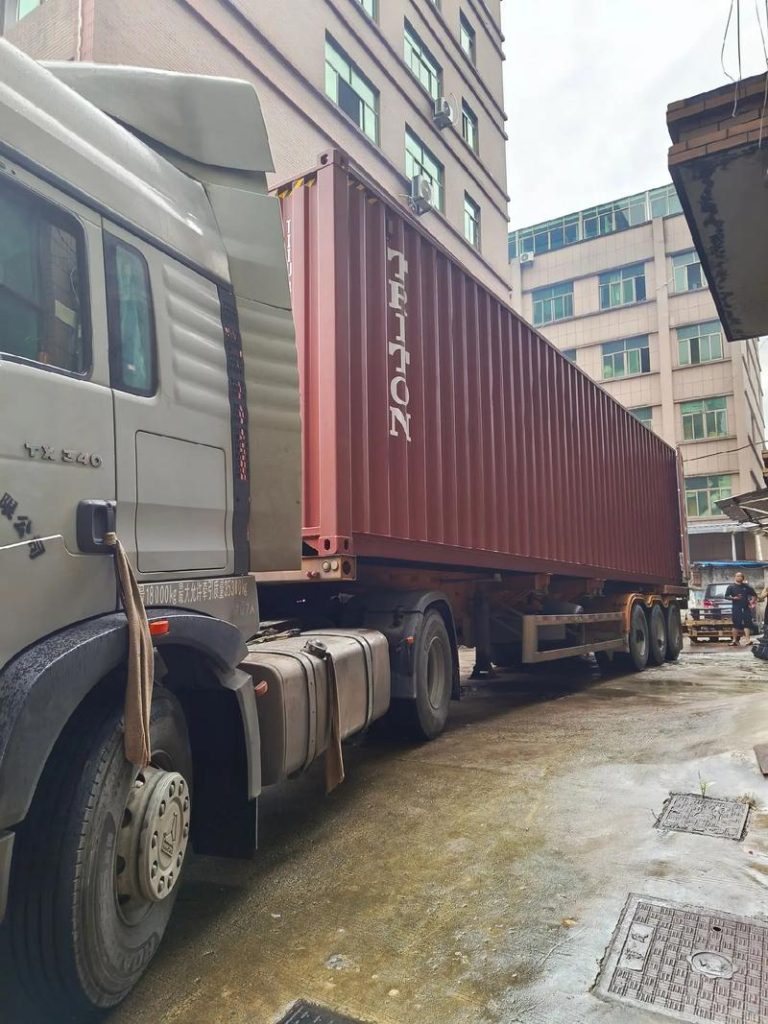
China’s umbrella exporters have long been the unsung heroes of the global merchandise trade, supplying over 70% of the world’s umbrellas and transforming a simple rain accessory into a multibillion-dollar industry. From bustling wholesale markets in Yiwu to high-tech factories in Shenzhen, these exporters blend cost efficiency, manufacturing prowess, and adaptability to serve clients ranging from small boutiques to multinational retail giants. This article delves into the evolution, strategies, and impact of China’s umbrella exporting sector, exploring how it has maintained its global dominance while navigating challenges like rising costs, trade tensions, and shifting consumer demands.
1. The Historical Context: From Local Craftsmanship to Global Export Powerhouse
Early Beginnings: A Legacy of Artisanal Skill
Umbrella making in China traces its roots to ancient dynasties, where silk and bamboo were crafted into ornate parasols for emperors and nobles. By the 20th century, this artisanal tradition gave way to small family workshops in coastal provinces like Zhejiang, Fujian, and Guangdong, which produced basic rain umbrellas for domestic markets. The real turning point came in the 1980s, when economic reforms and export-oriented policies opened doors to global trade.
The Export Boom: 1990s–2000s
The 1990s saw a surge in Chinese umbrella exports, driven by:
-
Low Labor Costs: Wages in China were a fraction of those in Europe and North America, enabling factories to offer products at 30–50% lower prices.
-
Government Support: Tax incentives and infrastructure investments (e.g., seaports, highways) facilitated international trade.
-
OEM Dominance: Chinese factories became key suppliers to global brands, producing unbranded or white-label umbrellas for retailers like Walmart, Carrefour, and Target.
By 2005, China exported over 1.2 billion umbrellas annually, capturing 65% of the global market.
2. Core Competencies: Why China Dominates Umbrella Exports
Unmatched Manufacturing Scale
China’s umbrella export ecosystem thrives on economies of scale:
-
Production Capacity: Major hubs like Yiwu (Zhejiang) host over 2,000 umbrella factories, collectively producing 500 million units yearly.
-
Supply Chain Integration: Vertical integration ensures seamless access to raw materials (fabrics, metals, plastics) and components (ribs, handles, mechanisms) within a 50-kilometer radius.
-
Flexibility: Factories accommodate orders ranging from 500 units (small boutiques) to 1 million units (retail chains), with rapid turnaround times (15–30 days).
Cost Leadership Without Sacrificing Quality
While labor costs have risen by 300% since 2010, Chinese exporters maintain competitiveness through:
-
Automation: Robotic assembly lines reduce reliance on manual labor for repetitive tasks (e.g., fabric cutting, rib bending).
-
Material Innovation: Use of affordable yet durable materials like Pongee fabric (soft texture, water-resistant) and fiberglass ribs (lightweight, windproof).
-
Lean Manufacturing: Just-in-time production minimizes waste and inventory costs.
Customization Expertise
Chinese exporters excel in OEM/ODM services, offering:
-
Design Flexibility: Adaptation of existing models or creation of new designs via CAD software.
-
Branding Options: Screen printing, embroidery, or laser engraving for logos and slogans.
-
Regional Adaptations: Tailoring products to local climates (e.g., UV-protective canopies for sunny markets like Australia, reinforced frames for windy regions like Scandinavia).
3. Export Markets and Regional Strategies
Primary Markets
China’s umbrella exports span six continents, with key regions defined by distinct demands:
| Region | Market Characteristics | Popular Products |
|---|---|---|
| Europe | High demand for eco-friendly, stylish umbrellas; strict EU safety standards (EN 13598). | Compact travel umbrellas, luxury designer models. |
| North America | Focus on durability (windproof/storm-proof) and promotional items (corporate giveaways). | Golf umbrellas, automatic open/close models. |
| Southeast Asia | Tropical climate drives need for UV protection and lightweight designs. | Beach umbrellas, foldable sunshades. |
| Middle East | Luxury segment prioritizes gold-plated handles and intricate Islamic patterns. | Designer parasols, oversized patio umbrellas. |
| Africa | Price-sensitive market favoring basic rain umbrellas with vibrant colors. | Budget-friendly 2-fold/3-fold models. |
Emerging Markets
Exporters are expanding into Latin America (Brazil, Mexico) and South Asia (India, Pakistan), where urbanization and disposable incomes are rising. Strategies include:
-
Affordable Entry-Level Products: Basic umbrellas priced under $5 to penetrate price-sensitive segments.
-
Partnerships with Local Distributors: Leveraging regional networks to navigate cultural nuances and regulatory hurdles.
4. Navigating Global Trade Challenges
Rising Labor and Material Costs
Since 2010, average monthly wages in China’s manufacturing sector have increased from $300 to $900, while raw material costs (e.g., steel, polyester) have risen by 150%. Exporters counter this by:
-
Shifting to Inland Provinces: Moving production to lower-cost regions like Jiangxi and Anhui.
-
Adopting Automation: Investing in AI-driven quality control and robotic assembly to reduce labor dependency.
Trade Tensions and Tariffs
The U.S.-China trade war (2018–2020) imposed 25% tariffs on Chinese umbrellas, prompting exporters to:
-
Diversify Markets: Increase focus on the EU, Southeast Asia, and Africa.
-
Relocate Production: Some factories set up joint ventures in Vietnam and Bangladesh to bypass tariffs.
Compliance with International Standards
Exporters must meet stringent regulations:
-
EU: REACH (chemical safety), CE marking (product compliance), and EN 13598 (umbrella safety).
-
U.S.: CPSIA (lead content limits), ASTM F1164 (wind resistance standards).
-
Japan: JIS S 4001 (durability testing).
Top exporters invest in third-party certifications (SGS, Intertek) to assure buyers of compliance.
5. Digital Transformation: E-Commerce and Online Platforms
B2B Platforms: The Gateway to Global Buyers
Platforms like Alibaba, Made-in-China, and Global Sources have revolutionized export sales:
-
Direct Access: Exporters showcase products to millions of buyers, reducing reliance on trade shows.
-
Data Analytics: Tools track buyer behavior, enabling targeted marketing and dynamic pricing.
-
Trade Assurance: Secure payment systems (e.g., Alibaba’s Escrow) mitigate fraud risks.
DTC (Direct-to-Consumer) Expansion
Some exporters are bypassing intermediaries to sell directly to global consumers via:
-
Shopify Stores: Customizable e-commerce sites with localized language and currency support.
-
Amazon FBA: Fulfillment by Amazon for fast delivery in key markets.
-
Social Media Marketing: Instagram and Facebook ads targeting niche audiences (e.g., luxury umbrella collectors).
AI and Big Data in Export Operations
-
Demand Forecasting: AI algorithms predict regional demand spikes (e.g., monsoon season in India).
-
Logistics Optimization: Big data tools select cost-effective shipping routes and carriers.
-
Customer Relationship Management (CRM): Tracking buyer preferences to personalize follow-ups.
6. Sustainable Practices: Green Exports for a Greener World
Eco-Friendly Materials
Exporters are responding to global demand for sustainability:
-
Recycled Fabrics: Canopies made from recycled PET bottles (e.g., 1 umbrella = 12 plastic bottles).
-
Bamboo Handles: Renewable, biodegradable alternative to plastic.
-
Solar-Powered Umbrellas: Integrated solar panels charge devices via USB ports.
Circular Economy Initiatives
-
Take-Back Programs: Some exporters offer discounts for returning old umbrellas, which are recycled into new products.
-
Minimalist Packaging: Eliminating plastic wrappers in favor of recyclable cardboard.
Certifications and Transparency
Buyers increasingly demand proof of sustainability:
-
GOTS (Global Organic Textile Standard): For organic fabric umbrellas.
-
FSC (Forest Stewardship Council): For wooden handles.
-
B Corp Certification: Recognizing social and environmental performance.
7. Case Studies: Success Stories of Chinese Umbrella Exporters
Case 1: Yiwu Umbrella Group – The Wholesale Titan
-
Background: Founded in 1992, Yiwu Umbrella Group is a leading exporter of budget-friendly umbrellas.
-
Strategy:
-
Volume Discounts: Offers tiered pricing (e.g., 5% discount for orders >10,000 units).
-
Fast Turnaround: 7-day production for in-stock items.
-
-
Impact: Supplies 30% of Europe’s low-cost umbrella market.
Case 2: Shenzhen Smart Umbrella Co. – The Tech Innovator
-
Background: A startup founded in 2015, specializing in smart umbrellas.
-
Strategy:
-
Product Innovation: GPS trackers, LED lights, and self-opening mechanisms.
-
Crowdfunding: Raised $2 million on Kickstarter for its first smart model.
-
-
Impact: Exports to 20+ countries, with 40% revenue growth in 2022.
Case 3: Fujian Outdoor Living – The Luxury Specialist
-
Background: Focuses on high-end patio and garden umbrellas.
-
Strategy:
-
Premium Materials: Marine-grade aluminum frames, Sunbrella fabric (UV-resistant).
-
Customization: Collaborates with landscape architects for bespoke designs.
-
-
Impact: Serves clients like Four Seasons Hotels and private estates in the Middle East.
8. Future Trends: What’s Next for Chinese Umbrella Exporters?
Smart Umbrellas 2.0
Integration of IoT sensors for:
-
Weather Alerts: Bluetooth connectivity to smartphones for rain/wind warnings.
-
Health Monitoring: Air quality sensors embedded in canopies.
Hyper-Personalization
-
3D Printing: On-demand production of unique handles and frames.
-
AI Design Tools: Clients input preferences (color, pattern, size) and receive instant design mockups.
Expansion into Adjacent Markets
Exporters are diversifying into related products:
-
Rainwear: Ponchos, rain boots, and waterproof bags.
-
Outdoor Furniture: Combining umbrellas with tables and chairs for patio sets.
Resilience Through Diversification
To mitigate risks, exporters are:
-
Regional Hub Strategy: Establishing warehouses in the EU (Poland) and U.S. (Texas) for faster delivery.
-
Product Diversification: Reducing reliance on rain umbrellas by expanding into sunshades and promotional items.
Conclusion: The Enduring Legacy of Chinese Umbrella Exporters
China’s umbrella exporters have evolved from low-cost assemblers to global innovators, mastering the delicate balance of price, quality, and customization. Their ability to adapt to changing trade dynamics, embrace sustainability, and leverage digital tools ensures they remain at the forefront of the industry. As global demand for umbrellas grows—driven by urbanization, climate change, and fashion trends—these exporters are poised to expand their influence, proving that even a simple product can become a symbol of industrial excellence and global connectivity.
For international buyers, partnering with Chinese umbrella exporters means accessing a world-class ecosystem of manufacturing, logistics, and innovation—one that turns raindrops into opportunities.


No reply content