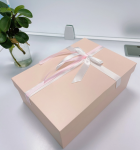
Dongguan PremiumGift BoxPackaging
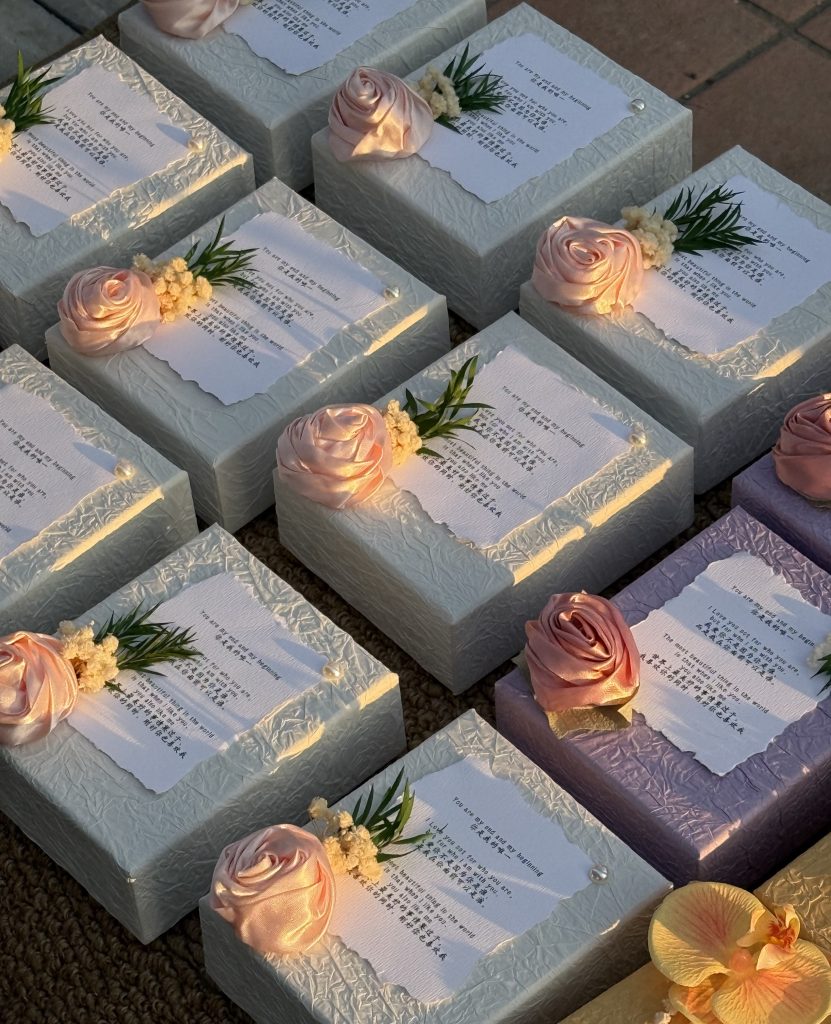
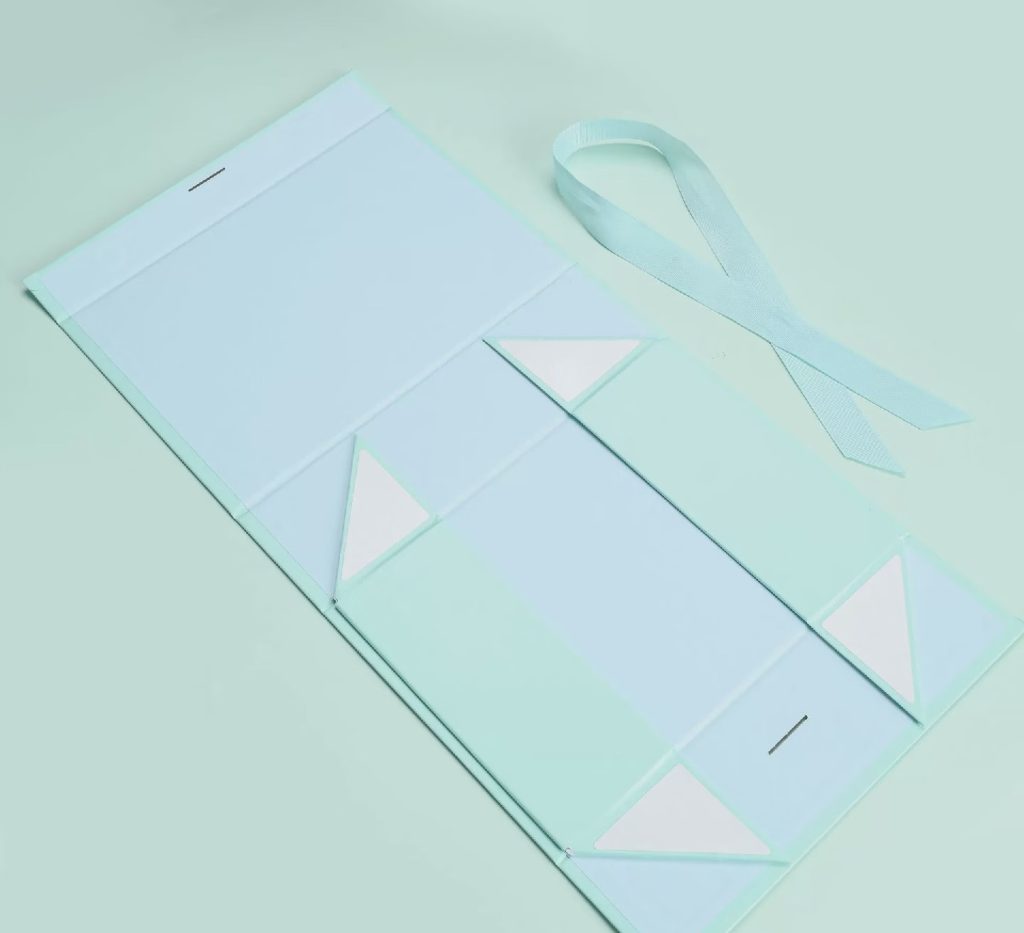
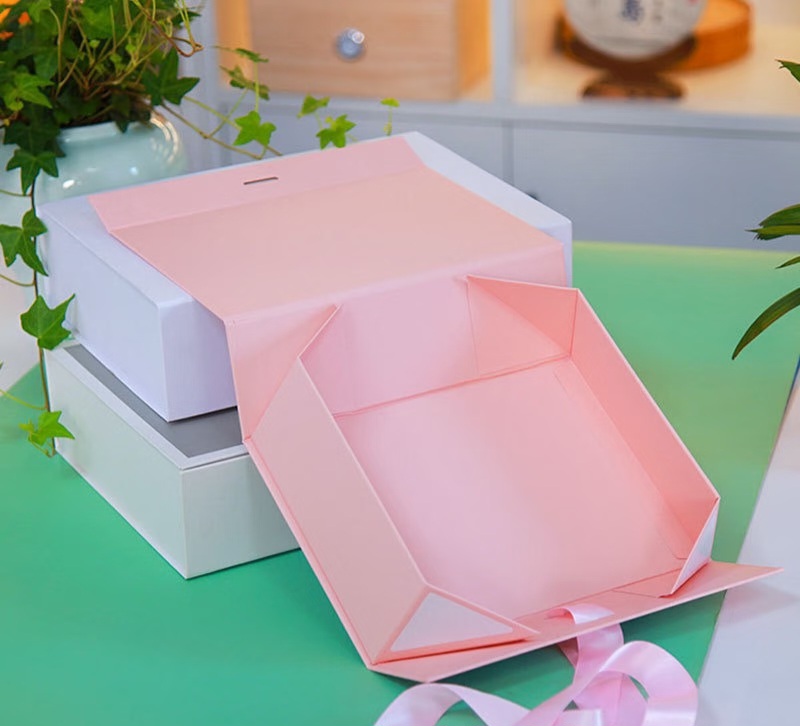
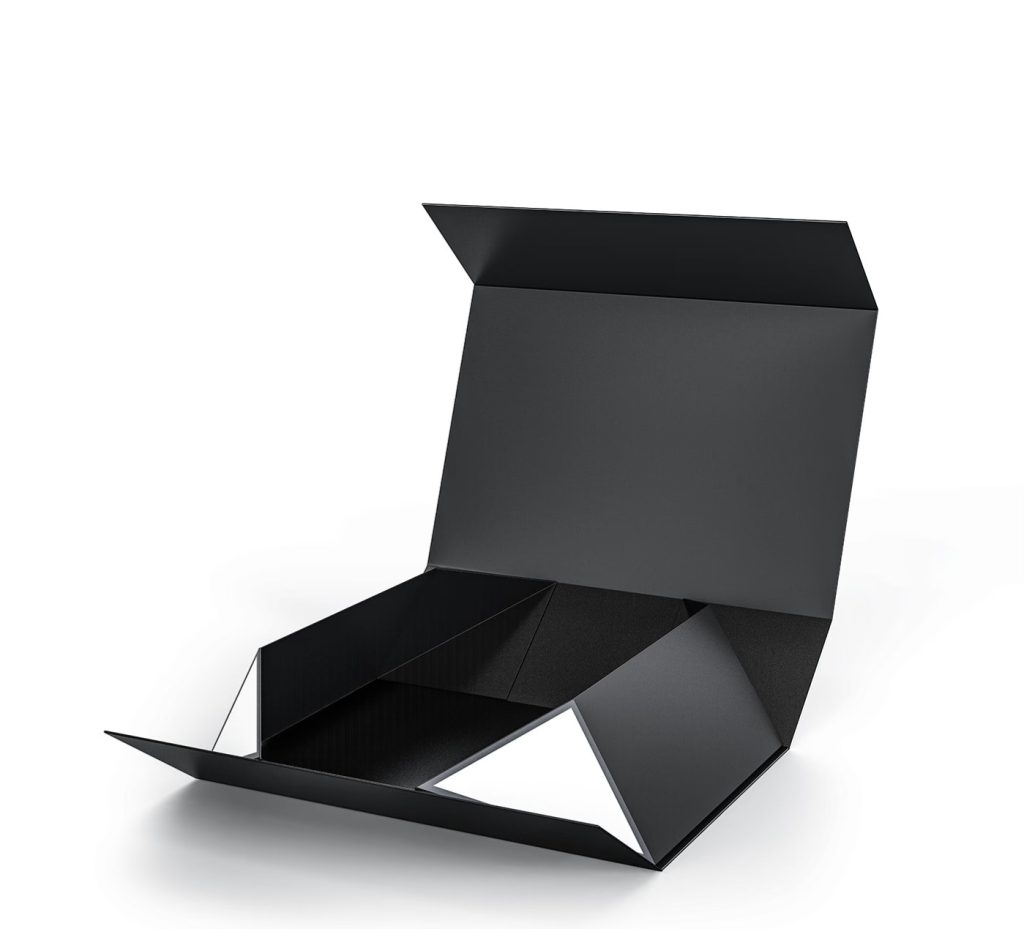

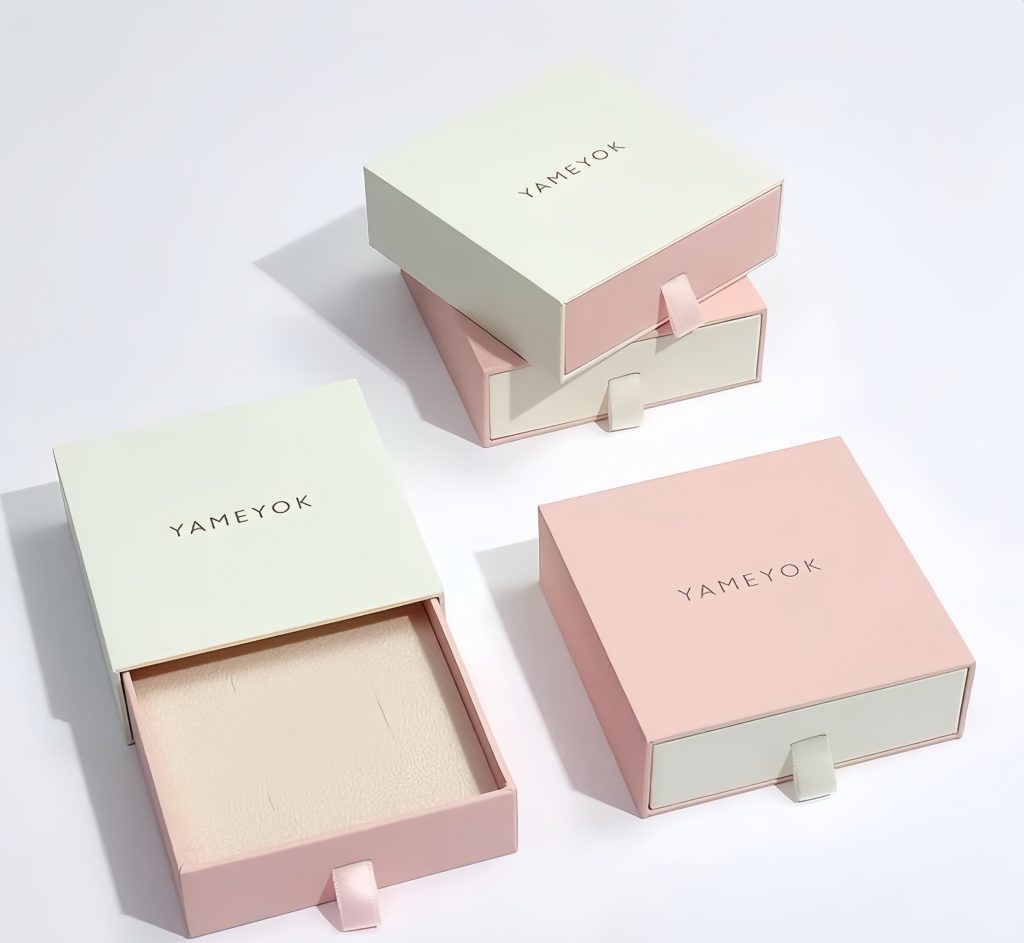
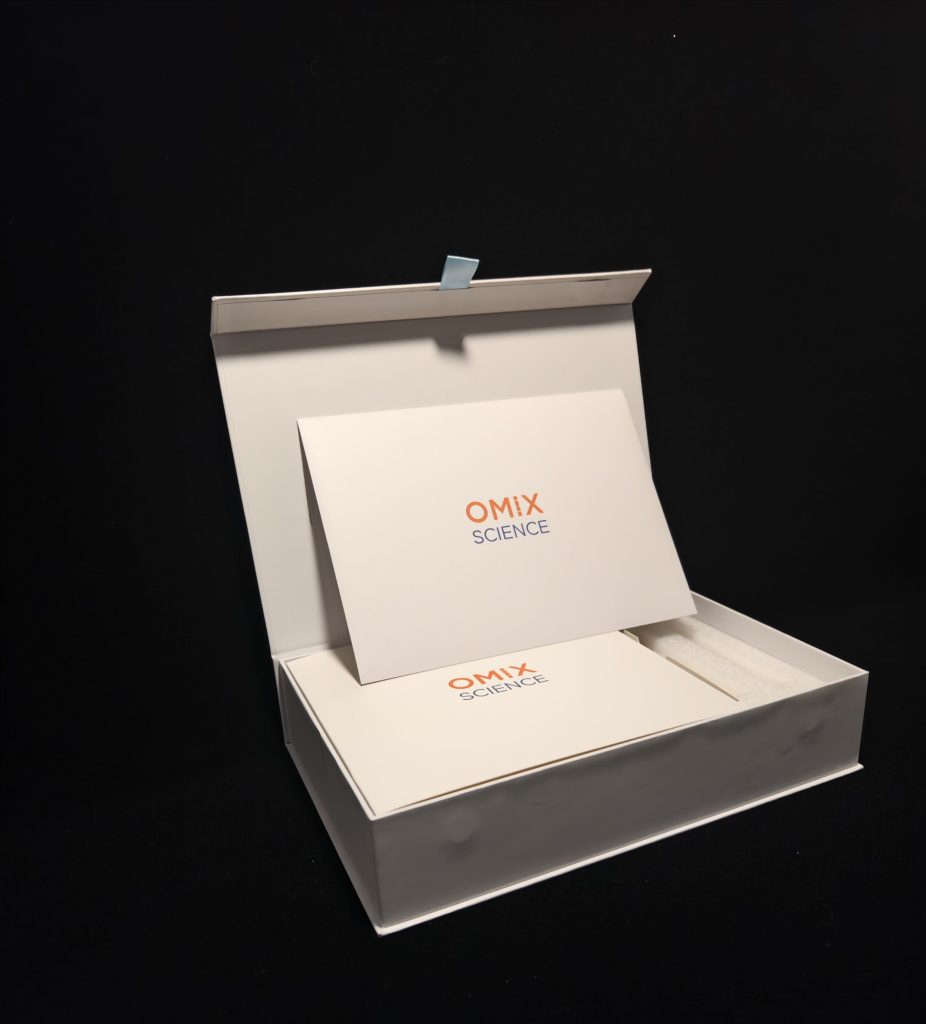
In a Kyoto workshop, an artisan folds a sheet of unbleached washi paper into a hexagonal box. The edges are slightly uneven, the fibers visible where the knife grazed too deep—flaws that would disqualify mass-produced packaging. Yet here, they are celebrated. Inside, a single ceramic teacup rests on a bed of dried moss, its glaze crackled like autumn river ice. This is the essence of the Japanese-inspired minimalist gift box: a vessel that doesn’t shout its value but whispers it through texture, emptiness, and the quiet confidence of imperfection. Rooted in wabi-sabi, the ancient aesthetic of finding beauty in transience and incompleteness, these boxes redefine luxury as presence, not pretense.
I. Wabi-Sabi: The Soul of Japanese Minimalism
To understand these gift boxes, one must first grasp wabi-sabi—a philosophy that has shaped Japanese art, tea ceremony, and daily life for centuries. Born from Zen Buddhism, wabi-sabi rejects the pursuit of perfection, instead honoring the beauty of things as they are: weathered, asymmetrical, and transient. It finds poetry in a cracked teacup, serenity in a sparse rock garden, and grace in the way sunlight filters through a gnarled pine branch.
For gift-giving, this translates to packaging that prioritizes ma (negative space), shizen (naturalness), and kanso (simplicity). Unlike Western luxury, which often relies on gold, glitter, and complex structures, wabi-sabi packaging asks: What can be removed? What can be left to speak for itself? The result is a box that feels less like a container and more like a meditation—inviting the recipient to slow down and notice the details.
II. The Anatomy of Wabi-Sabi Packaging: Materials, Form, and Color
A. Materials: Honoring the Raw
Wabi-sabi packaging begins with materials that bear the marks of their origin. Common choices include:
-
Washi Paper: Handmade from mulberry bark, its texture varies from rough to smooth, with natural flecks of plant matter. Unlike glossy commercial paper, washi absorbs light, creating soft shadows that change throughout the day.
-
Unfinished Wood: Cherry or cedar scraps with visible grain patterns and knots. Artisans often leave the bark intact on one edge, a nod to the tree’s life before being cut.
-
Hemp or Linen Fabric: Undyed or naturally dyed with indigo, persimmon tannin, or safflower, these fabrics soften with use, developing a patina that tells a story of touch.
-
Ceramic or Stone Accents: Small clay buttons, pebble-shaped closures, or fragments of broken pottery repurposed as decorative elements.
These materials are chosen not for flawlessness but for their “living” quality. A box made from washi might yellow slightly over time, like an old book page—an intentional embrace of aging.
B. Form: Less Is More, But Not Empty
Structure follows the principle of kanso. Boxes are often geometric but irregular: a square with slightly rounded corners, a cylinder with a lid that fits loosely (allowing air to circulate). Hinges are rare; instead, boxes rely on friction or simple ties (twine, silk ribbon) to stay closed. Some designs incorporate shoji-style sliding panels, adding a functional element that doubles as decoration.
The interior is equally intentional. Instead of foam inserts, gifts rest on beds of dried leaves, rice straw, or hand-stamped paper. A single compartment might hold a scroll of calligraphy, while another cradles a small stone—each item placed with care, leaving ample empty space (ma) around it. This emptiness isn’t vacant; it’s a pause, inviting the recipient to breathe.
C. Color: The Palette of Nature
Wabi-sabi palettes draw from the Japanese landscape:
-
Neutral Earth Tones: Beige, oatmeal, charcoal gray, and faded olive—colors found in soil, stone, and weathered wood.
-
Subtle Accents: A hint of indigo from fermented plant dye, a streak of ochre from iron-rich clay, or the pale pink of cherry blossom petals pressed into paper.
-
Monochromatic Schemes: Many boxes use variations of a single hue, like different shades of brown in a wood-grain design, creating harmony through repetition.
Bright colors are avoided unless they occur naturally—like the deep red of persimmon-dyed fabric or the golden brown of sun-dried reeds. Even then, they are used sparingly, like a single brushstroke in a Zen painting.
III. Crafting the Zen Unboxing Experience
The magic of a wabi-sabi gift box lies in its ability to transform unboxing into a mindful ritual. Every step is designed to engage the senses gently, without overwhelming them.
A. The Sound of Silence
Open a typical holiday gift box, and you might hear the tear of plastic, the crinkle of cellophane, the snap of a plastic clasp. A wabi-sabi box offers softer sounds: the whisper of paper unfolding, the rustle of hemp ties, the faint click of a wooden peg sliding free. Some artisans add a single dried cicada wing or a thin strip of bamboo as a “sound marker”—when moved, it produces a delicate rustle, like wind through leaves.
B. Touch as Connection
The first contact with the box is tactile. Fingers trace the rough texture of washi, the warmth of unfinished wood, the cool smoothness of a ceramic button. Unlike glossy surfaces that repel touch, wabi-sabi materials invite it—they feel alive. A box lined with linen may develop soft wrinkles where it’s been held, becoming more comfortable with each use.
C. Scent: The Breath of Nature
Many wabi-sabi boxes carry a faint, natural scent: the earthy smell of washi, the resinous aroma of cedar, the grassy tang of dried moss. Some artisans tuck a small sachet of sencha (green tea) or kusunoki (camphor wood) inside, its scent released slowly as the box is opened. This olfactory layer anchors the experience in nature, a stark contrast to synthetic “gift smells” like artificial vanilla.
D. The Gift Within: A Reflection of the Box
The contents mirror the packaging’s philosophy. A tea set might include a chipped cup (celebrated as a “story cup”), a hand-forged iron kettle, and a packet of tea picked that morning. A skincare gift could contain a bar of cold-processed soap, a ceramic dish for lather, and a sprig of lavender. Nothing is excessive; each item serves a purpose, and together, they create a cohesive narrative of simplicity.
IV. Wabi-Sabi in Practice: Real-World Applications
A. Personal Gifting: Celebrating Intimacy
For birthdays, anniversaries, or apologies, a wabi-sabi box speaks volumes. A partner might fill one with a handwritten letter, a pressed flower from their first date, and a small stone collected on a hike—items that require no explanation, only memory. The box itself becomes a keepsake, stored on a shelf long after the contents are gone.
B. Corporate Gifting: Communicating Values
Companies seeking to align with mindfulness trends use wabi-sabi boxes to convey authenticity. A tea company might gift a box with a single tin of matcha, a bamboo whisk, and a card explaining the origin of the tea leaves. The minimalism signals confidence in the product’s quality, while the natural materials reflect a commitment to sustainability.
C. Cultural Exchange: Bridging Worlds
As interest in Japanese culture grows globally, these boxes serve as accessible ambassadors. A teacher might use one to introduce students to wabi-sabi, filling it with examples of ikebana (flower arranging), sumi-e (ink painting), and haiku. The box’s design sparks curiosity about the philosophy behind it, fostering cross-cultural dialogue.
V. The Artisan’s Hand: Craftsmanship in a Mass-Market World
Creating a wabi-sabi gift box is a slow process, rooted in tradition. Many artisans learn their craft through apprenticeships, mastering techniques like:
-
Washi Making: Harvesting mulberry bark, boiling it with ash, and pounding it into pulp—a process that takes weeks.
-
Woodworking with Hand Tools: Using chisels and saws to shape wood, embracing knots and cracks as part of the design.
-
Natural Dyeing: Experimenting with plants like indigo, madder root, and black walnut to achieve subtle hues.
This hands-on approach ensures each box is unique. Two boxes made from the same batch of washi will have different fiber patterns; two wooden boxes carved from the same log will have distinct grain markings. This variability is not a flaw but a celebration of individuality—a core tenet of wabi-sabi.
VI. Sustainability: Wabi-Sabi as an Eco-Philosophy
In an era of overconsumption, wabi-sabi packaging aligns with sustainable values. By using natural, biodegradable materials and avoiding excess, these boxes reduce waste. Many are designed to be reused: a washi box can store letters, a wooden box can hold jewelry, a fabric pouch can become a coin purse. Some artisans even offer repair services, mending torn paper with kakishibu (persimmon tannin glue) or replacing worn parts with locally sourced materials.
This circular approach reflects the Zen belief in mottainai—regret over waste. A wabi-sabi box doesn’t just hold a gift; it teaches the recipient to value resources, to see potential in the old and imperfect.
VII. Challenges and Misconceptions
Despite its appeal, wabi-sabi packaging faces challenges. Some Western consumers mistake minimalism for cheapness, expecting more “stuff” for their money. Others struggle to appreciate asymmetry, preferring the uniformity of mass-produced goods. Artisans often educate clients by sharing the story behind each material—how the washi was made, where the wood was harvested—helping them see the value in imperfection.
Another challenge is scalability. Handcrafted wabi-sabi boxes are time-intensive, making them more expensive than factory-made alternatives. However, many artisans find a niche among customers willing to pay for authenticity, craftsmanship, and the intangible benefit of a slower, more meaningful experience.
VIII. The Future of Wabi-Sabi Packaging
As global interest in mindfulness and sustainability grows, wabi-sabi gift boxes are gaining traction beyond Japan. Designers in Europe and North America are adapting the philosophy, incorporating local materials like reclaimed barn wood, wildflowers, or handmade paper from indigenous plants. Yet they remain true to the core principles: simplicity, naturalness, and respect for imperfection.
Technology is also playing a role. Some artisans use 3D printing to create molds for ceramic closures, reducing waste in the prototyping phase. Others scan hand-drawn patterns and print them on washi, blending traditional and modern methods. But the heart of the work remains analog—the human touch, the patience, the joy of creating something that will be treasured for its flaws.
Conclusion: The Gift of Being Present
A Japanese-inspired minimalist gift box is more than a container; it is a lesson in how to live. It teaches us to find beauty in the cracked, the weathered, the incomplete—to see a chipped cup not as broken but as seasoned. It invites us to slow down, to touch, to breathe, to notice the play of light on paper.
In a world obsessed with perfection and novelty, these boxes offer a radical alternative: the courage to be simple. They remind us that the best gifts aren’t the ones wrapped in layers of gloss, but the ones that arrive with an open heart—just like the box itself. When we hold a wabi-sabi gift box, we hold not just a present, but a piece of Zen: the quiet understanding that true richness lies not in having more, but in appreciating what is already here.
And in that appreciation, we find the greatest gift of all: presence.


No reply content