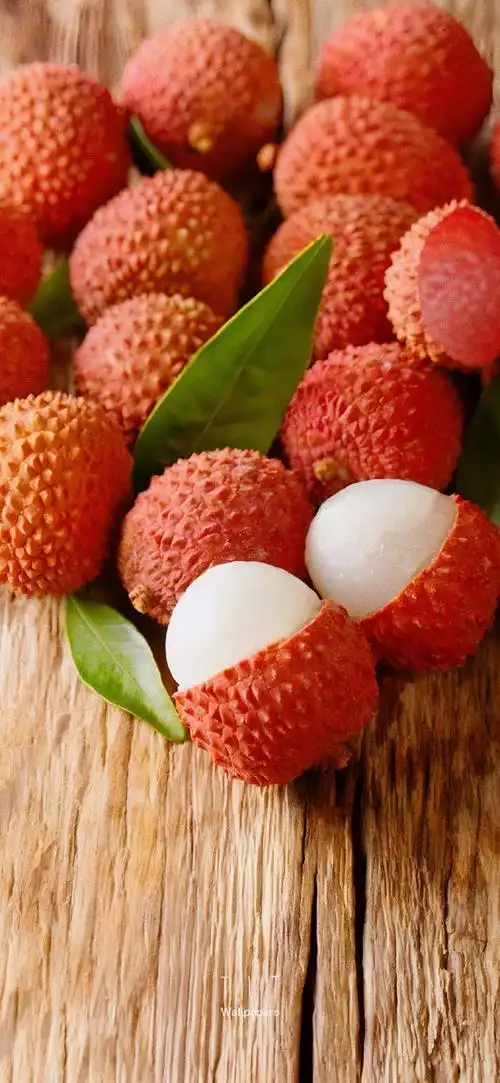
China lychee supplier
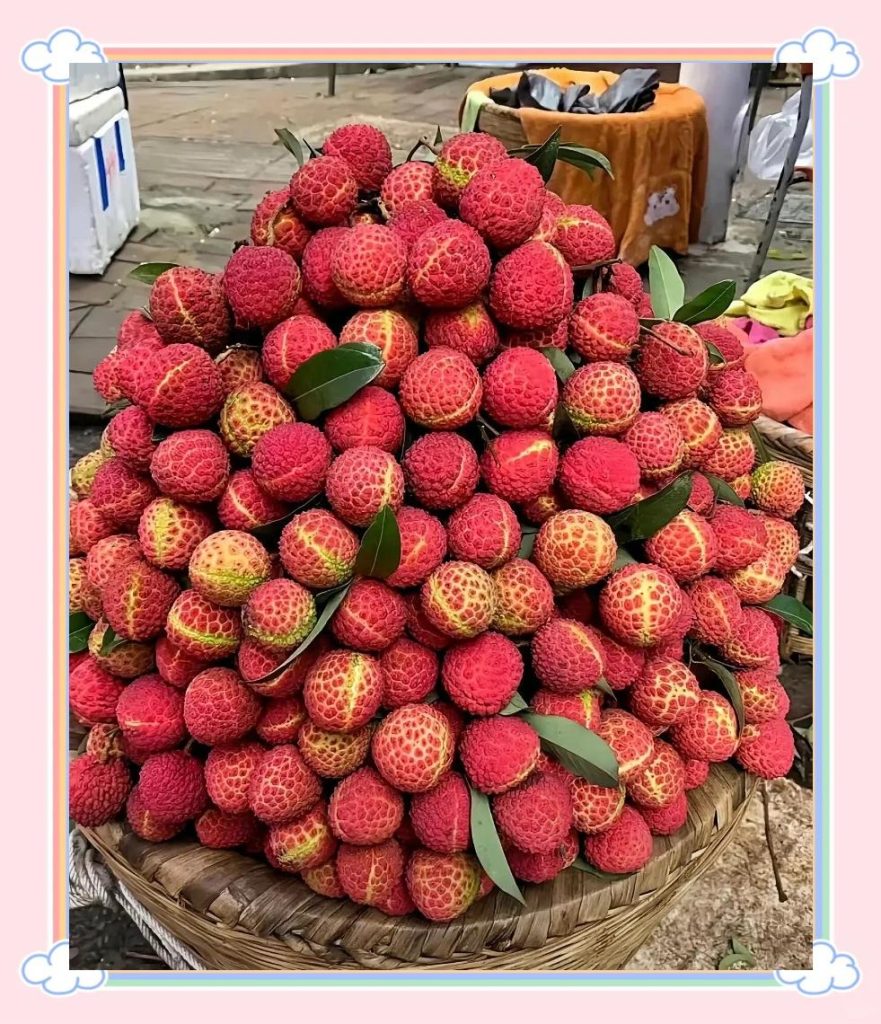
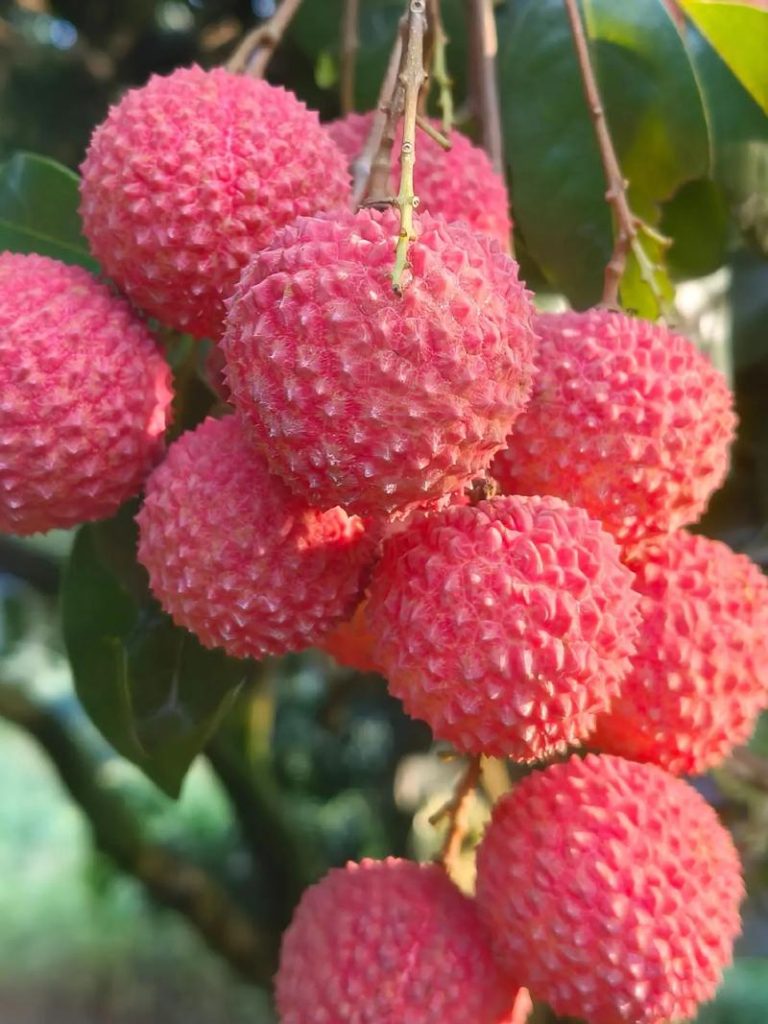
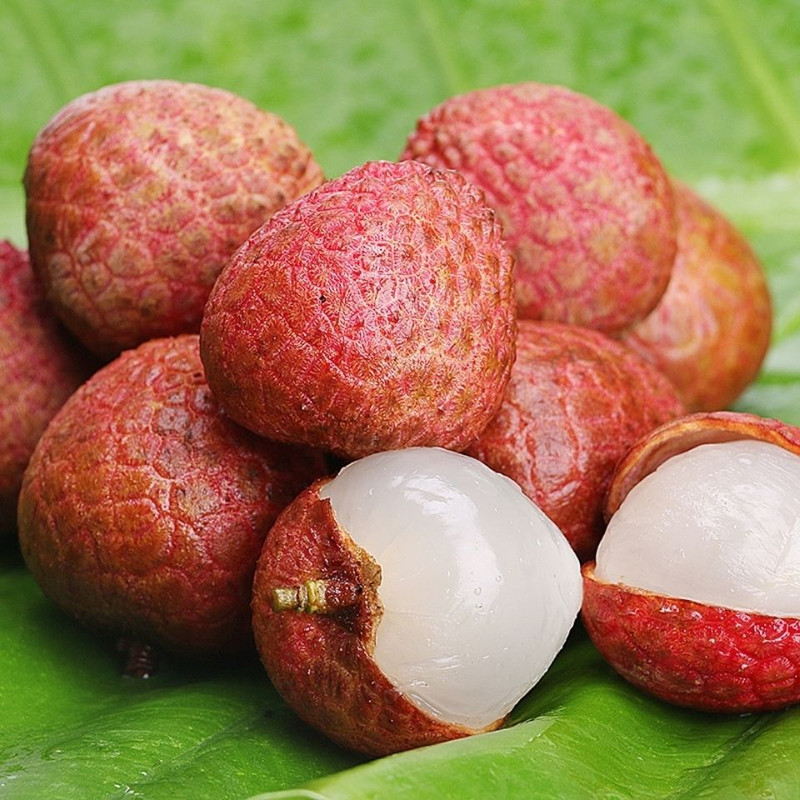
People often ask me: what does a lychee supplier actually do? Most people think we just pick fruit and ship it. If only it were that simple. In the world of fresh produce, especially with a fruit as temperamental as Litchi chinensis, the difference between a premium supplier and a middleman is the difference between a crisp, floral explosion in your mouth and a mushy, brown mess in a supermarket bin.
I’ve been in this business for fourteen years. My family started with a small orchard in the foothills of the Yunkai Mountains in Gaozhou, Guangdong. Today, we supply everything from Michelin-starred restaurants in London to high-end grocery chains in Toronto. But the core of our business hasn’t changed: we sell time.
The 72-Hour Window
If you understand nothing else about lychees, understand this: they are the vampires of the fruit world. They hate light, they hate heat, and they decay with terrifying speed. We call it the “Three Deteriorations” (一日色变,二日香变,三日味变). Within 72 hours of leaving the tree, the skin oxidizes, the aroma evaporates, and the sugars turn to alcohol.
This is why most commercial lychees taste disappointing. To survive the logistics chain, they are picked green. I mean rock-hard, pea-green, and tasteless. These fruits will never ripen properly. They might turn red due to ethylene gas, but they will never develop the complex terroir of a tree-ripened fruit.
At our facility, we operate on a “Night Harvest” schedule. From May to July, our pickers are in the orchard by 2:00 AM. Why? Because the sugar content in the fruit peaks at night when the temperature drops. We use refractometers to test the Brix level (sugar content) right there in the field. For a premium “Guiwei” (Cinnamon Flavor), we won’t touch it unless it hits 19-20 Brix. For “Nuomici” (Glutinous Rice), we look for that deep purple-red hue and a skin that feels taut, almost like a drum.
The Variety Game: It’s Not Just “Lychee”
Most buyers overseas just ask for “Fresh Lychees.” That’s like asking for “Wine.” You need to know what you’re buying.
We specialize in three main cultivars for export:
-
Yu Her Pau (Yuhuabai): This is the early season workhorse. It has a slightly tart skin, smaller seeds, and is incredibly juicy. It’s the best for canning, but fresh, it’s a delight if handled correctly.
-
Guiwei (Cinnamon Flavor): My personal favorite. The skin is bumpy, and the flesh has a distinct spicy-sweet note that reminds you of rose water and cinnamon. It’s finicky to grow and prone to cracking in the rain, which makes it expensive.
-
Nuomici (Glutinous Rice): This is the luxury item. The flesh is opaque white, almost like jelly. It has the smallest seed-to-flesh ratio. When you bite into a chilled Nuomici, it should feel like you’re drinking a sweet, cold soup.
The problem is that many suppliers will mix these. They’ll tell you it’s all Guiwei to get a higher price. We combat this by having dedicated sorting lines where veteran workers—some of whom have been doing this for 30 years—can identify the variety by the shape of the bumps on the skin. It’s an art form that no machine has perfected yet.
Logistics: The Cold Chain Nightmare
Everyone talks about the “Cold Chain,” but few understand the execution. A common mistake is freezing the fruit. If you put lychees in a standard freezer, the cells burst, and you get a soggy mess. We use a process called Precooling. Within two hours of picking, the lychees are rushed into a hydrocooler—a bath of chilled, ozonated water kept at exactly 4°C. This removes the “field heat” instantly without shocking the fruit.
From there, it goes into our modified atmosphere packaging (MAP). We don’t just use any bag. We use bags with specific micro-perforations that allow the fruit to breathe while maintaining high humidity. Too much oxygen, and it rots; too little, and it ferments.
Last year, we had a shipment bound for Dubai. The plane was delayed on the tarmac in Guangzhou for six hours due to a sandstorm. The cargo hold temperature fluctuated. By the time it got to the Middle East, the entire container was fermenting. We ate the loss—$40,000. We didn’t ask the client to pay for “partial damage.” In this business, your reputation is your currency. If you start arguing over a few thousand dollars, you lose the contract next year.
Sourcing: The Middleman Problem
If you are a buyer looking for a lychee supplier, be careful. The market is flooded with brokers who have never set foot in an orchard. They post pictures from Google, buy from the spot market, and hope for the best.
How do you spot a real supplier?
-
Ask for Orchard Registration Numbers: Every legitimate exporter in China has a GlobalG.A.P. or at least a local registration number. Ask for it. If they hesitate, they are a middleman.
-
Ask about Rain Cracking: If you ask a supplier, “What do you do when it rains during harvest?” a real farmer will tell you about calcium sprays and drainage ditches. A broker will say, “We have good quality control.”
-
Taste the Sample: Never, ever place a bulk order without tasting the sample during the season. Fruit tastes different every year depending on the rainfall.
The Future of Lychees
There’s a lot of talk about “off-season” lychees. People want to eat them in December. The only way to do this is through controlled atmosphere storage, which can keep them for up to 40 days. But let me be honest with you: it’s not the same. The texture changes. It becomes slightly rubbery.
The real future lies in breeding. We are working with the South China Agricultural University to develop new cultivars that have the shelf life of an apple but the taste of a wild lychee. It’s slow work.
For now, my advice to anyone importing lychees is simple: Buy less, buy fresher. Don’t try to stockpile. Move the product fast. Educate your customers that this is a seasonal delicacy, like morels or white truffles. It’s not meant to sit on a shelf for two weeks.
Conclusion
Running a lychee supply business isn’t glamorous. It involves 90-hour weeks, constant stress about the weather, and the heartbreak of seeing a perfect crop ruined by a late-season typhoon. But when I see a customer in New York biting into a lychee that was on a tree in my hometown four days ago, and I see that look of genuine surprise—that’s why I do it.
If you are looking for a partner who treats your shipment with the same care as their own orchard, let’s talk. We aren’t the cheapest, but we are the ones who answer the phone at 3 AM when your container is stuck at customs.


No reply content