
China Umbrella Customization Factory
Let’s get one thing straight: 90% of the umbrellas manufactured globally are designed to fail. They are built with planned obsolescence, destined for the trash can after a couple of gusts of wind. If you are a buyer looking for a reliable umbrella supplier, you’ve likely been burned by this cycle. You order 5,000 units for a promotion, and six months later, you see them snapped in half in a gutter.
I’m Samuel Wong, and I run the production floor for an umbrella manufacturer in Songxia, Shangyu—a town that supplies roughly one-third of the world’s umbrellas. I’ve been in this business for 22 years. I’ve seen the shift from heavy wooden walking sticks to ultra-light carbon fiber travel models. And I’m here to tell you that the devil isn’t in the design; it’s in the metallurgy and the stitch count.
This isn’t a sales pitch. This is a technical breakdown of what actually makes an umbrella worth buying.
1. The Frame: It’s All About the Ribs
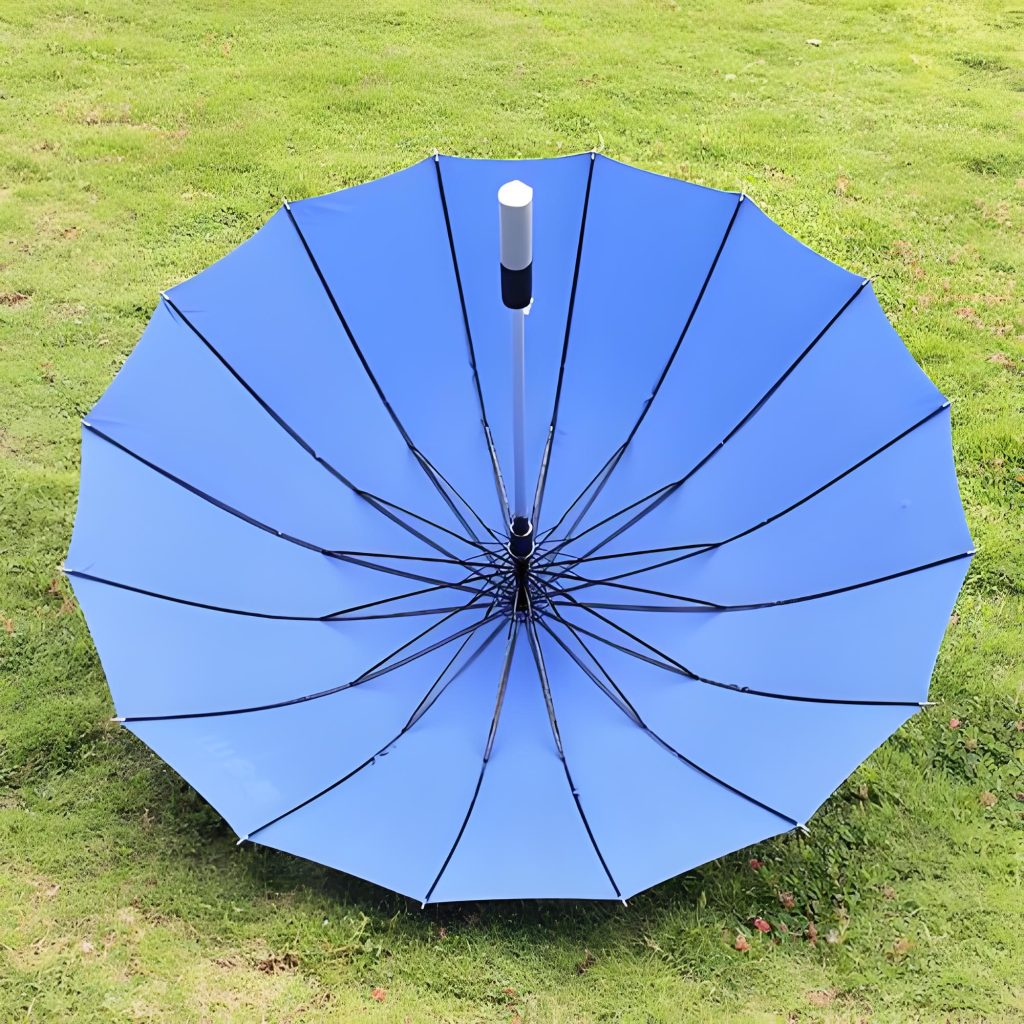
The canopy gets the attention, but the frame does the work. The ribs are the bones of the umbrella, and their material composition dictates whether the umbrella will invert (flip inside out) in a 20mph wind.
The Three Tiers of Rib Quality:
-
Steel Ribs (The Cheap Option): Most promotional umbrellas use electroplated steel ribs. They are heavy and prone to rust. The pivot points are usually crimped metal. After a few openings, the metal fatigues, and the rib snaps. We avoid steel unless the client specifically requests a “budget” unit.
-
Aluminum Ribs (The Standard): This is the workhorse. Aluminum is lightweight and corrosion-resistant. But here’s the supplier secret: not all aluminum is equal. Cheap suppliers use recycled aluminum alloy (Series 1000). It’s soft and bends easily. We use 6061-T6 aircraft-grade aluminum. It’s heat-treated for strength. You can step on a 6061-T6 rib, and it will spring back. A cheap one will stay bent.
-
Fiberglass Ribs (The Professional Choice): For high-end golf umbrellas or storm umbrellas, fiberglass is king. It’s flexible. It bends 180 degrees and returns to shape. The key is the resin content. Cheap fiberglass rods have a low resin-to-glass ratio, making them brittle. We use a high-modulus fiberglass with a matte finish to prevent splintering.
The Joint Test: Ask your supplier for the wind tunnel rating. We test our umbrellas in a custom rig that simulates wind speeds. A standard folding umbrella should withstand 25 mph. A golf umbrella should handle 35 mph. If they can’t give you a number, they haven’t tested it.
2. The Canopy: Fabric and Coatings
The fabric isn’t just for looks. It’s a technical barrier against water penetration and UV radiation.
-
Pongee vs. Polyester: Most people think Pongee is just a fancy word for polyester. It’s not. Pongee has a tighter weave and a softer hand feel. It drapes better and is more resistant to tearing. We use 190T or 210T Pongee for our mid-to-high-end models.
-
The Coating: This is where the magic happens. A standard umbrella has a PU (Polyurethane) coating. It’s fine for light rain. But in a downpour, the water pressure pushes through. For premium models, we use a black rubber coating or a silicone coating. Silicone-coated fabrics have a hydrostatic pressure resistance of over 1000mm. That means you could literally use the umbrella as a bucket, and it wouldn’t leak.
-
The Stitching: Look at the seams. Cheap umbrellas use a straight stitch. Under tension, the thread pulls through the fabric. We use a double-stitched lap seam with PTFE (Teflon) coated thread. It’s waterproof and rot-resistant. We also apply a heat-sealed seam tape on the inside of the canopy for our top-tier models. This is the same technology used in mountaineering gear.
3. The Shaft and Handle: Ergonomics and Safety
The shaft connects the user to the canopy. If it breaks, the umbrella is useless.
-
Shaft Materials: We use three types: Steel (strong but heavy), Aluminum (lightweight), and Fiberglass (flexible). For manual open umbrellas, a steel shaft is fine. For automatic umbrellas, the shaft must be aluminum to handle the spring tension.
-
The Runner: This is the plastic piece that slides up and down the shaft. Cheap runners are made of PP plastic. They crack under the stress of the spring. We use nylon-reinforced ABS plastic. It’s nearly unbreakable.
-
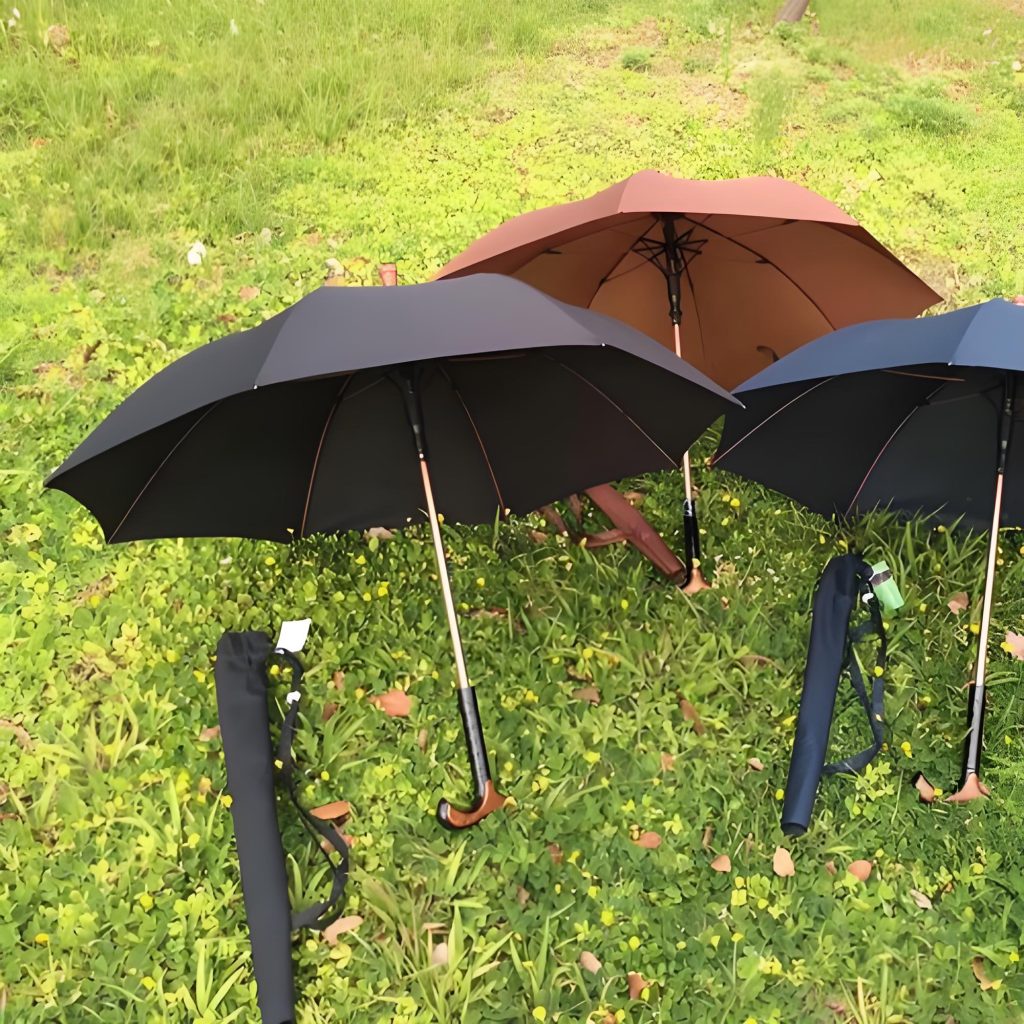
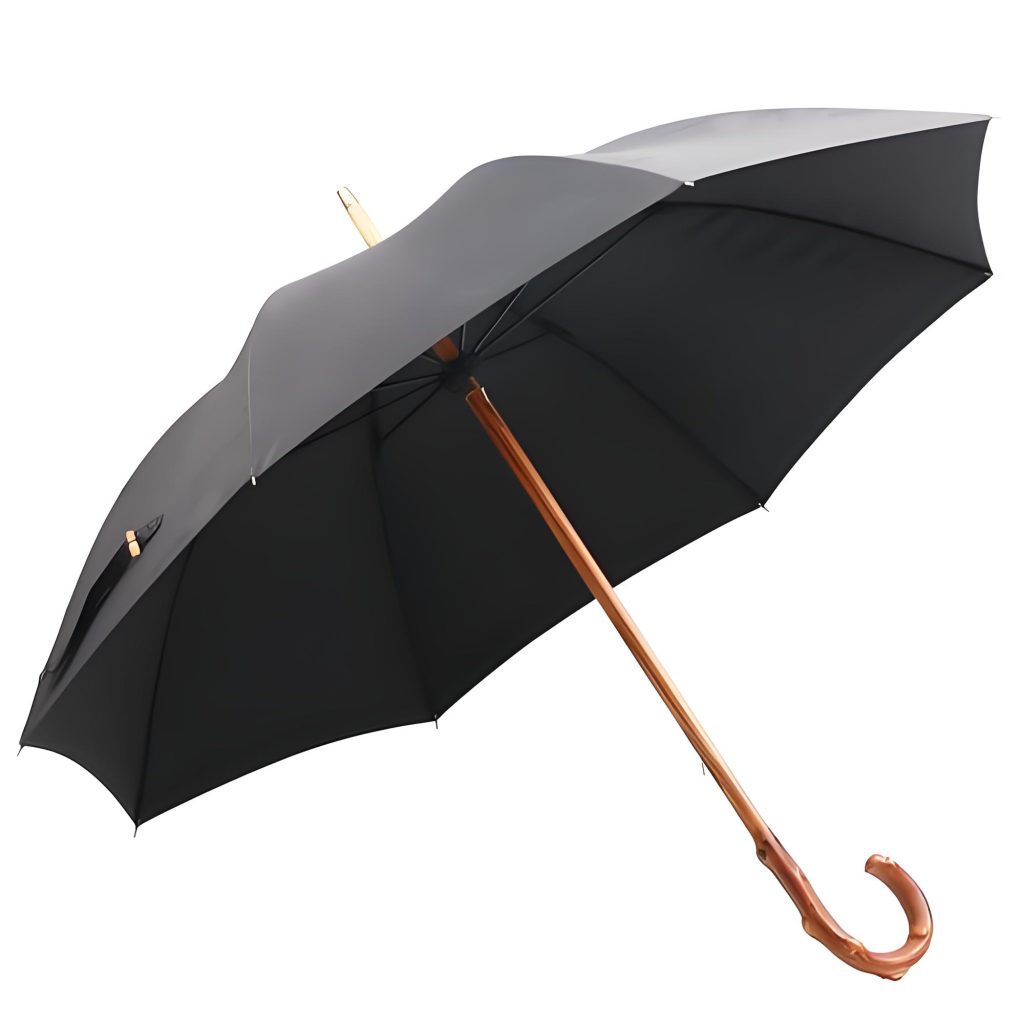
The Handle: Forget about fancy wooden handles unless you are selling luxury goods. They absorb water and crack. We use soft-touch rubberized TPR handles. They provide a non-slip grip, even when your hands are wet.
4. The Mechanics: Manual vs. Automatic
Automatic umbrellas are popular, but they are mechanically complex and prone to failure.
-
The Spring: The heart of an auto-open umbrella is the main spring. Cheap springs are made of music wire that rusts. We use stainless steel 304 springs. They are corrosion-resistant and maintain their tension for 10,000+ cycles.
-
The Button: The push-button is a common point of failure. We use a metal cam mechanism inside the button. Cheap umbrellas use a plastic catch. It wears down after 50 uses.
The Recommendation: If you need an umbrella for a mass giveaway where cost is the primary concern, stick to manual open. It removes 90% of the potential mechanical failures. If you need a premium gift, go with auto-open/manual close. Full auto-open/close mechanisms are convenient but add significant cost and complexity.
5. Quality Control: The “Pull Test”
Every umbrella we manufacture goes through a rigorous QC process that most suppliers skip.
-
The Opening/Closing Cycle Test: We machine-test 1 in every 100 umbrellas for 500 consecutive open/close cycles.
-
The Wind Resistance Test: We clamp the umbrella and blast it with high-velocity fans.
-
The Waterproofing Test: We spray the canopy with water at high pressure for 5 minutes.
-
The Pull Test: We hang a 10kg weight from the tip of the rib. If the rib deforms permanently, the batch is rejected.
6. Customization and Branding
If you are sourcing umbrellas for corporate gifting or retail, the printing quality matters.
-
Screen Printing: Good for simple logos with 1-2 colors. It’s cheap and durable.
-
Heat Transfer Printing: Allows for full-color, photographic images. However, cheap heat transfers will crack and peel after a few folds. We use a sublimation process that dyes the fabric itself, so it never peels.
-
Embroidery: The most premium option. We use high-density embroidery with 10,000+ stitches for logos. It looks professional and lasts forever.
7. The Logistics of Umbrellas
Umbrellas are awkward to ship. They are long and thin, which is inefficient for container packing.
-
Folding Umbrellas: These are easy. You can fit about 5,000 units in a 20ft container.
-
Straight Umbrellas (Golf Umbrellas): These are a nightmare. They cannot be folded, so they take up a lot of volume. We use specialized cartons that maximize the space, but you’ll only fit about 2,000 units in a 20ft container.
-
The HS Code: Make sure your supplier knows the correct Harmonized System (HS) code for umbrellas (usually 6601.10 or 6601.91). Misclassifying them can lead to massive customs delays and fines.
8. Who Is This For?
We are not the supplier for dollar-store umbrellas. We don’t make flimsy toys. We manufacture professional-grade umbrellas for brands, corporations, and retailers who understand that a quality umbrella is a walking billboard for their company.
If you are tired of receiving complaints about broken handles and inverted canopies, let’s talk. We provide:
-
Free Samples: Evaluate our build quality yourself.
-
Transparent Pricing: No hidden fees for mold setups or printing plates.
-
Engineering Support: We help you choose the right materials for your climate and budget.


No reply content