
China Custom Clothing Manufacturer
📈 Introduction: Beyond the Factory Stereotype
For decades, the label “Made in China” was synonymous with mass production, high-volume outputs, and standardized goods. However, a quiet revolution has been reshaping the landscape. Today, a sophisticated network of Chinese custom apparel suppliers is leading a paradigm shift, merging traditional craftsmanship with cutting-edge technology to offer personalized fashion on a global scale. They are no longer just manufacturers; they are solutions providers, enabling brands, designers, and even individual consumers to realize unique sartorial visions with unprecedented speed, efficiency, and quality. This article delves into the ecosystem of these suppliers, exploring their operational models, competitive advantages, and the trends propelling the future of customized fashion.
👔 The Evolution: From OEM to ODM and OBM
The journey of China’s apparel sector is marked by strategic evolution:
-
OEM (Original Equipment Manufacturing): The initial phase involved purely contract manufacturing based on foreign brands’ precise designs and specifications.
-
ODM (Original Design Manufacturing): Suppliers began offering design services alongside production, presenting clients with original sample collections to adapt and brand.
-
OBM (Original Brand Manufacturing): Some advanced manufacturers developed their own independent brands.
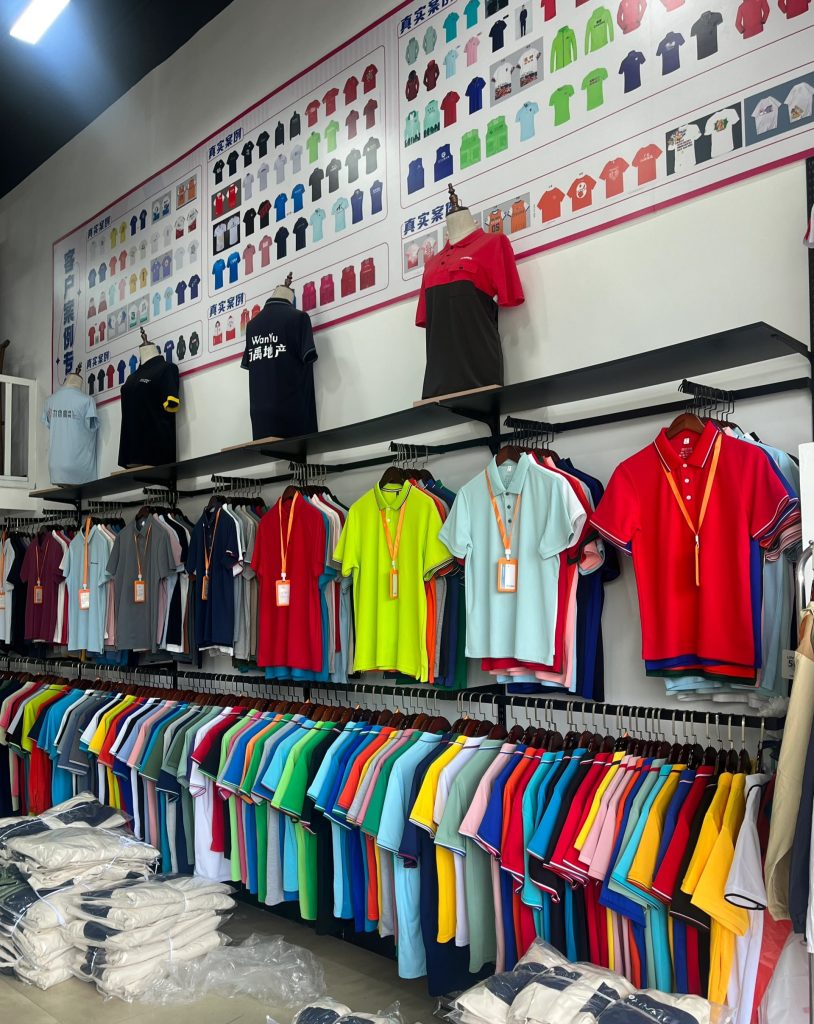
The emergence of the custom apparel supplier represents a new, hybrid model. It combines the manufacturing excellence of OEM with the design and development agility of ODM, but focuses on providing a platform for customization. This model is client-agnostic, serving a wide spectrum from luxury startups needing small-batch premium suits, to corporate clients seeking branded uniforms, to e-commerce platforms integrating “design-your-own” features.
🤖 Core Pillars of Success: The Customization Advantage
Several key pillars underpin the strength of modern Chinese custom apparel suppliers:
-
Advanced Digitalization and Tech Integration:
-
3D Design & Prototyping: Suppliers utilize 3D garment simulation software. Designers can visualize fit, drape, and fabric patterns digitally, drastically reducing the need for physical samples, saving time and cost 📈.
-
AI-Powered Pattern Making: Artificial Intelligence algorithms translate customer measurements (often input via user-friendly online forms) into precise, individualized patterns, minimizing human error and scaling personalization.
-
IoT in Production: Smart factories employ RFID tags and connected machinery, allowing real-time tracking of each custom order through every production stage—cutting, sewing, finishing.
-
-
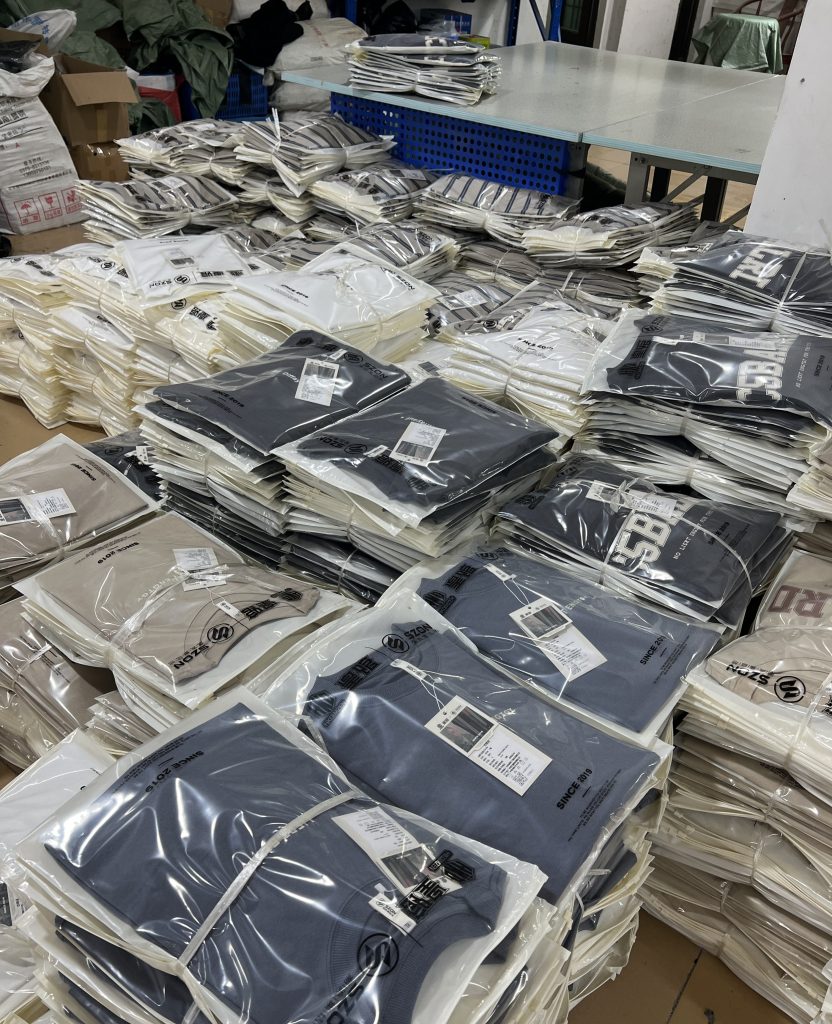
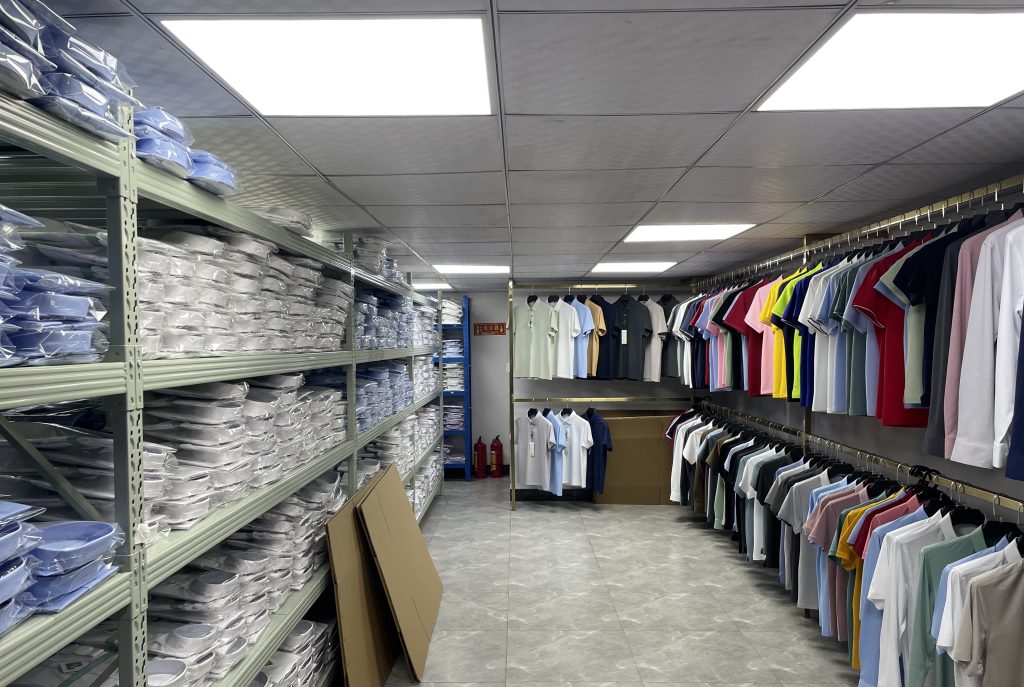
Agile and Integrated Supply Chains:The true magic lies in the condensed, responsive supply chain. A premium fabric warehouse, a digital printing facility, a cutting room with automated spreaders, and modular sewing stations often operate in proximity or under one coordinated ecosystem. This vertical integration enables Minimum Order Quantities (MOQs) as low as 1 piece and turnaround times measured in days, not months.
-
Unparalleled Flexibility and Service Scope:The service menu is comprehensive:
-
Product Range: From formal wear (suits, dresses, shirts) to casual wear, sportswear, and even technical garments.
-
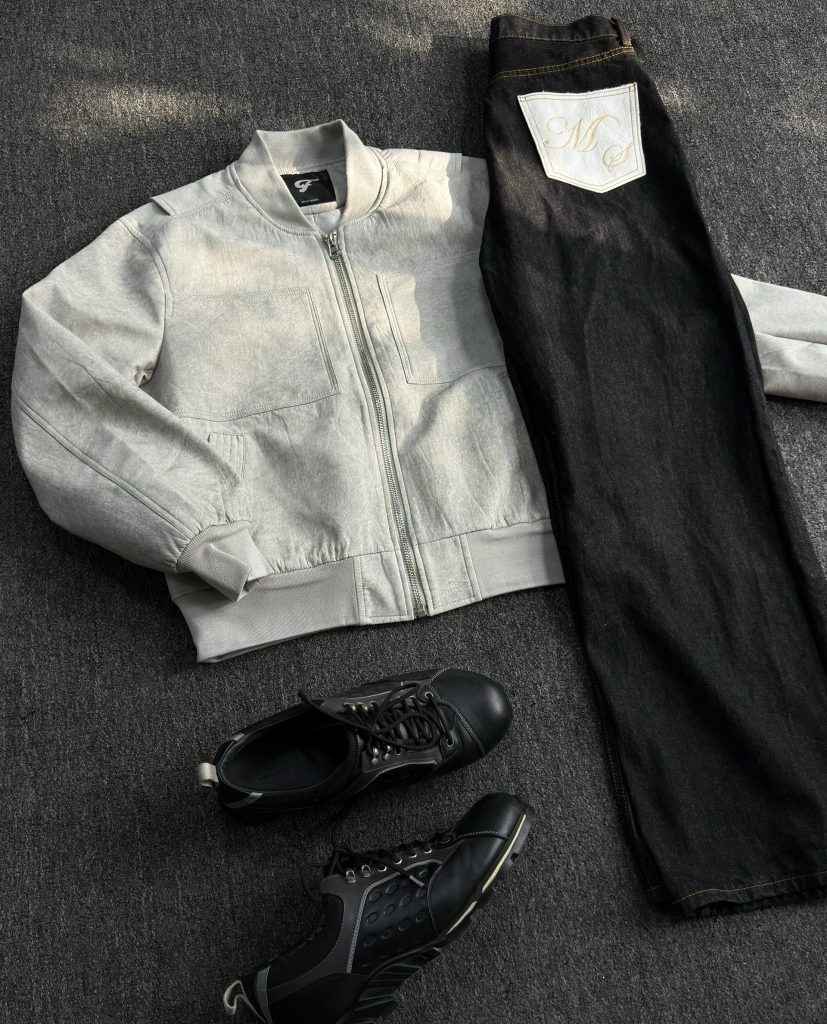
Customization Depth: Offers range from simple monogramming and logo application to full customization of fabric, cut, fit, linings, buttons, and hardware.
-
End-User Focus: They cater to B2B (brands, retailers, hotels) and increasingly, through partner platforms, to B2C (direct-to-consumer).
-
🌱 Focus on Quality and Sustainability
The narrative is shifting from cheap to value-driven. Leading suppliers are investing in:
-
Premium Materials: Offering curated libraries of fabrics, from high-grade Chinese silks and cottons to imported Italian wools and innovative eco-friendly textiles like recycled polyester and Tencel.
-
Craftsmanship: Many integrate skilled artisans for delicate hand-stitching, embroidery, and finishing touches, ensuring luxury-grade quality.
-
Sustainable Practices: The on-demand production model is inherently sustainable—it reduces overproduction and waste. This is enhanced by efforts in using digital sampling (cutting sample material waste), optimizing fabric utilization with AI nesting, and managing inventory more efficiently.
🔍 Navigating the Supplier Ecosystem
Prospective clients encounter different types of specialized suppliers:
-
Full-Service Tech-Forward Factories: They offer an end-to-end digital platform, from online configurator to doorstep delivery, ideal for tech brands and DTC startups.
-
High-Touch Craftsmanship Ateliers: Smaller workshops focusing on luxury, bespoke tailoring, often combining digital precision for pattern-making with meticulous hand-finishing.
-
Specialized Category Experts: Suppliers deeply focused on a niche, such as performance activewear, technical outerwear, or customized denim, possessing specialized equipment and fabric knowledge.
📊 The Future Stitched with Innovation
The trajectory points towards deeper technological immersion and experience enhancement:
-
AI-Driven Personal Styling: Algorithms will suggest designs, fits, and fabrics based on a customer’s body scan, style history, and occasion.
-
AR/VR Fitting Rooms: Augmented Reality will allow customers to “try on” their custom-designed garment virtually before production commences.
-
Blockchain for Provenience: Ensuring transparency, blockchain could be used to verify the origin of sustainable fabrics and document the entire ethical production journey of a garment.
-
Hyper-Personalization & On-Demand Micro-Factories: Production will move closer to end-markets in urban hubs, with fully automated micro-factories fulfilling local custom orders within hours.
💎 Conclusion: The New Benchmark for Global Fashion
China’s custom apparel suppliers have successfully dismantled the old trade-off between personalization and scale, between speed and quality. They have built a resilient, responsive, and innovative ecosystem that is empowering a new era of fashion—one that is more personal, less wasteful, and accessible. For brands worldwide, partnering with these suppliers is no longer merely a sourcing decision; it is a strategic move towards agility, sustainability, and direct engagement with the modern consumer who values individuality. The future of fashion is not just made in China; it is being custom-made, re-imagined, and democratized from the ground up in China’s next-generation ateliers.


No reply content