
China Umbrella Customization Factory

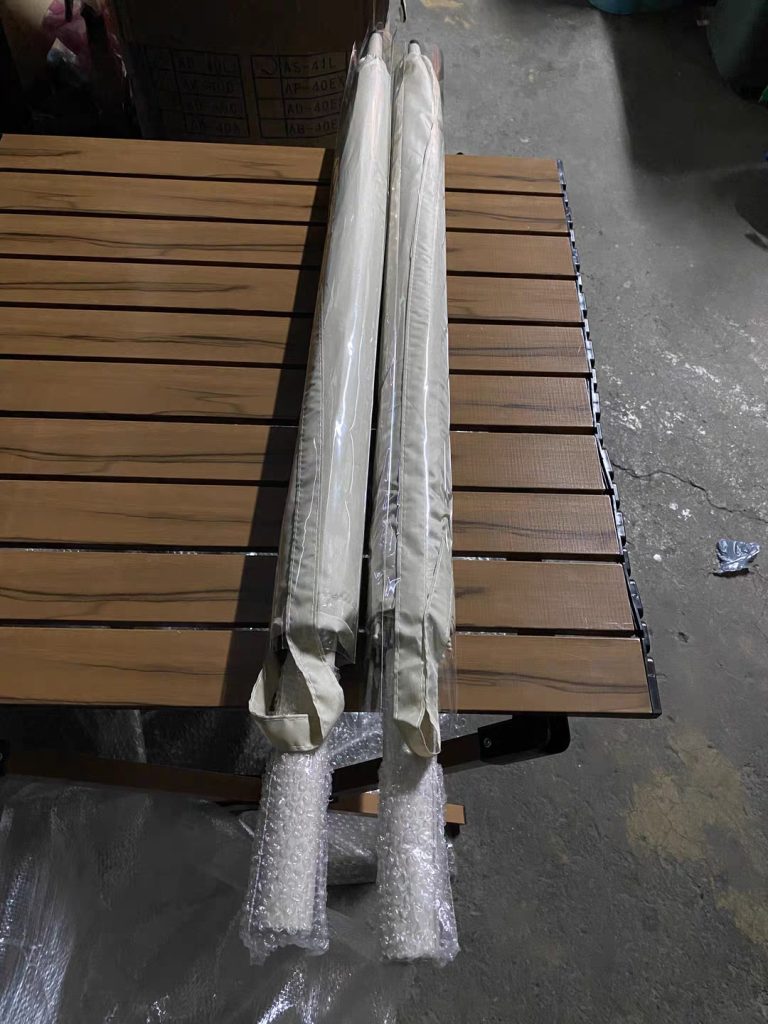
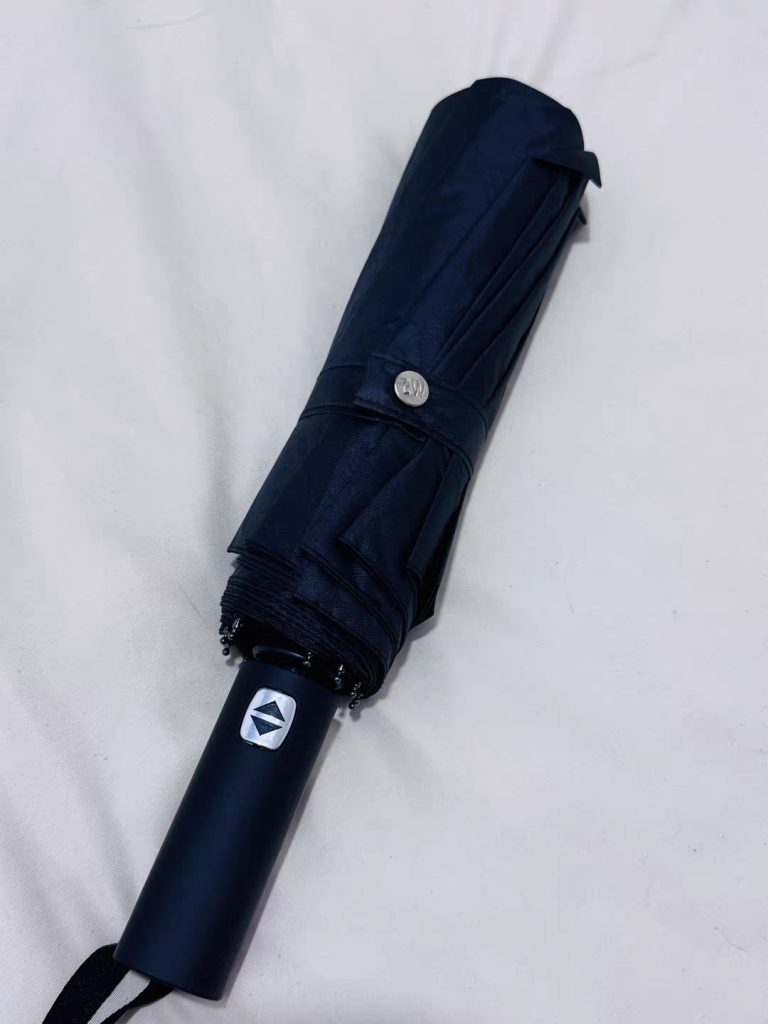
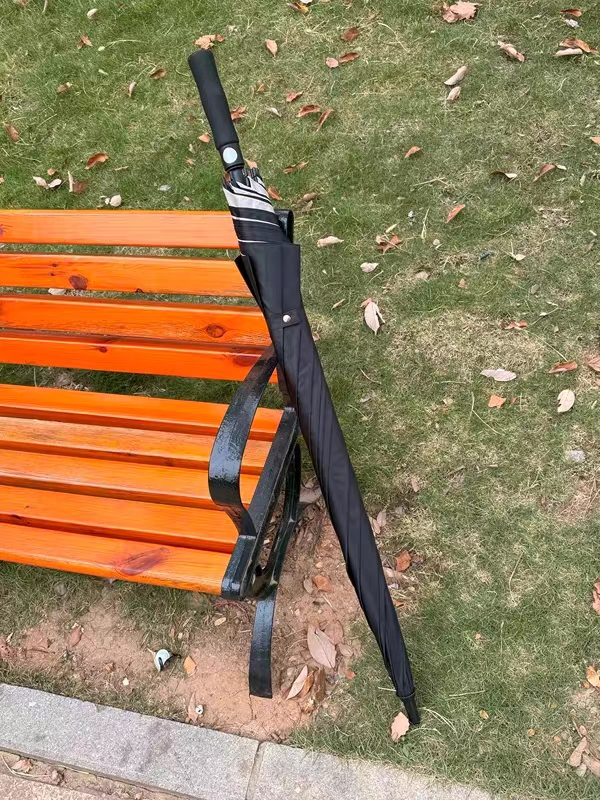
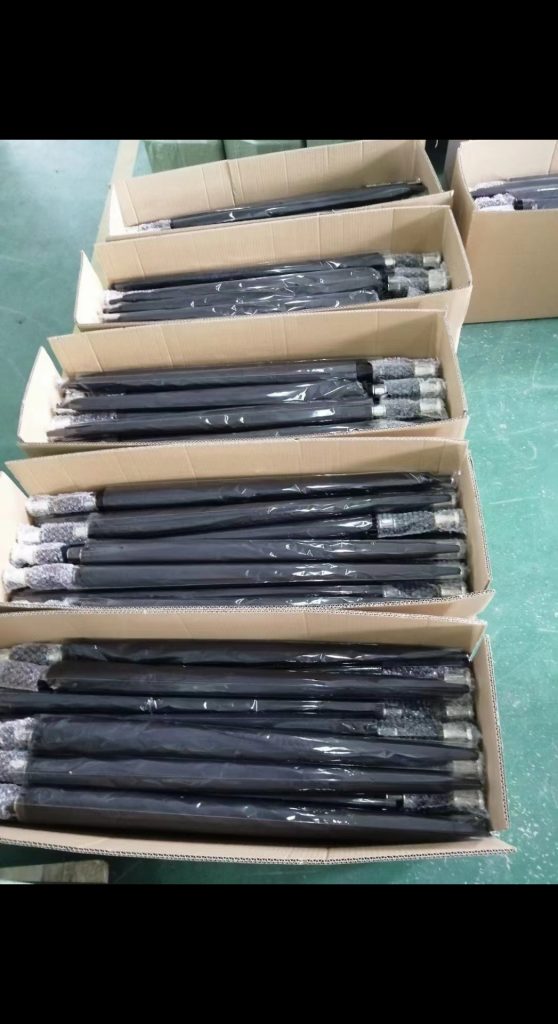
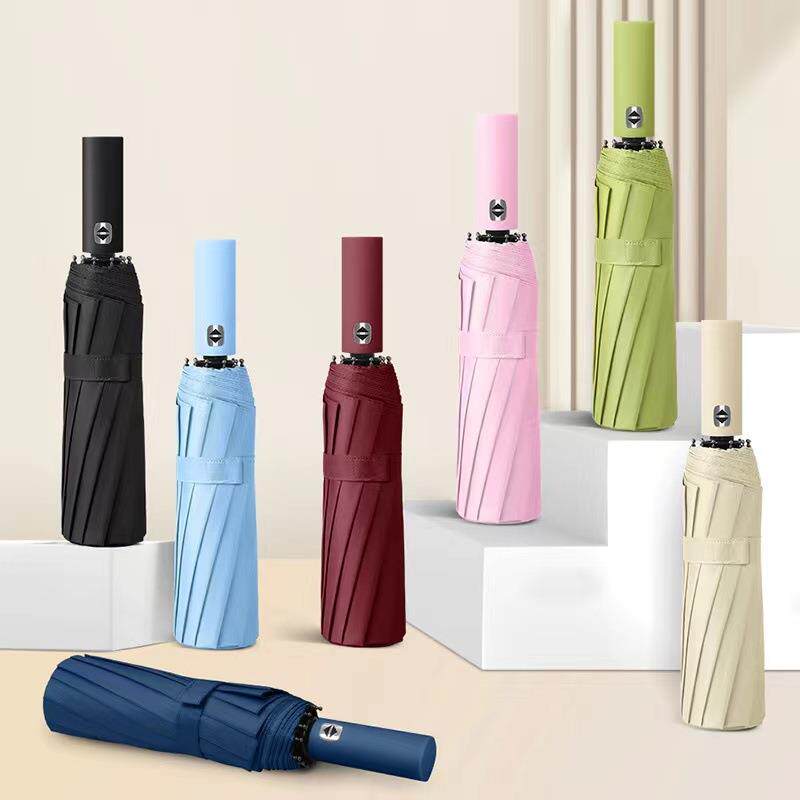
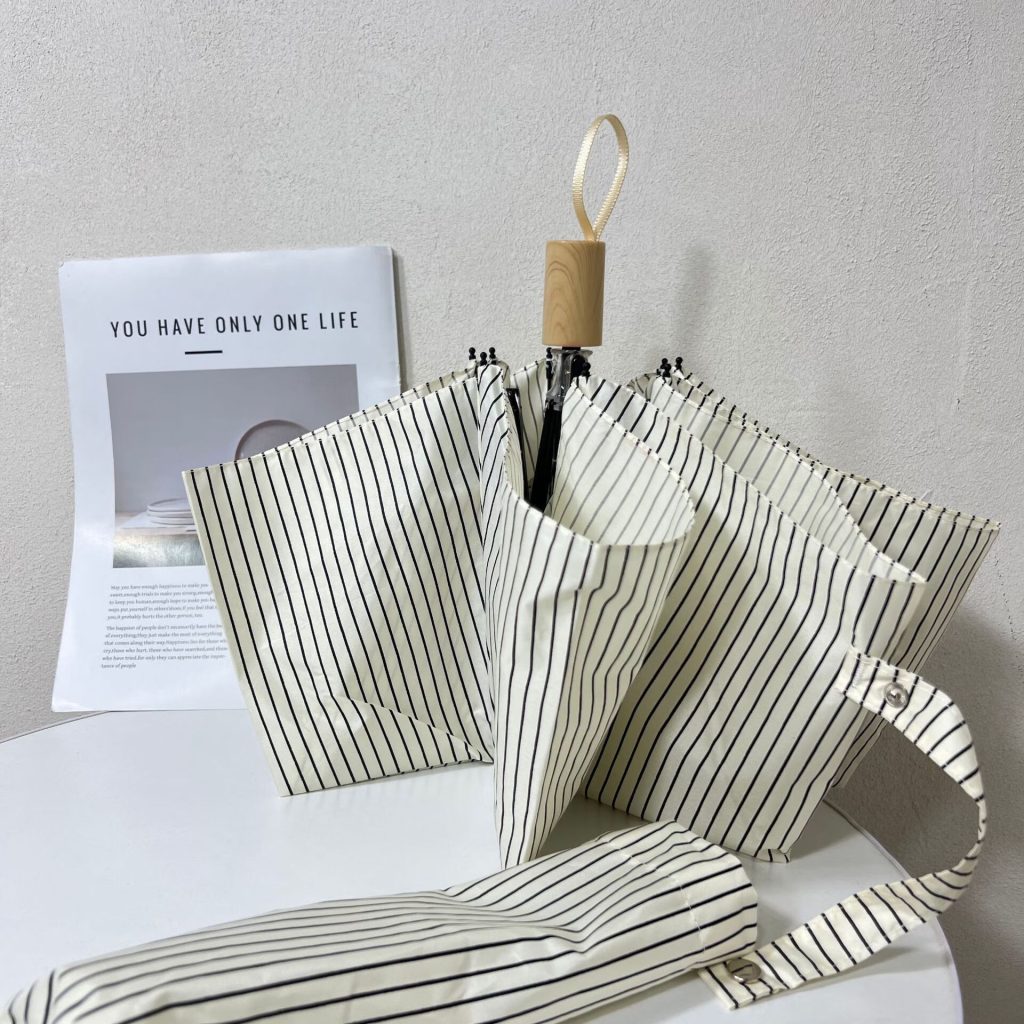
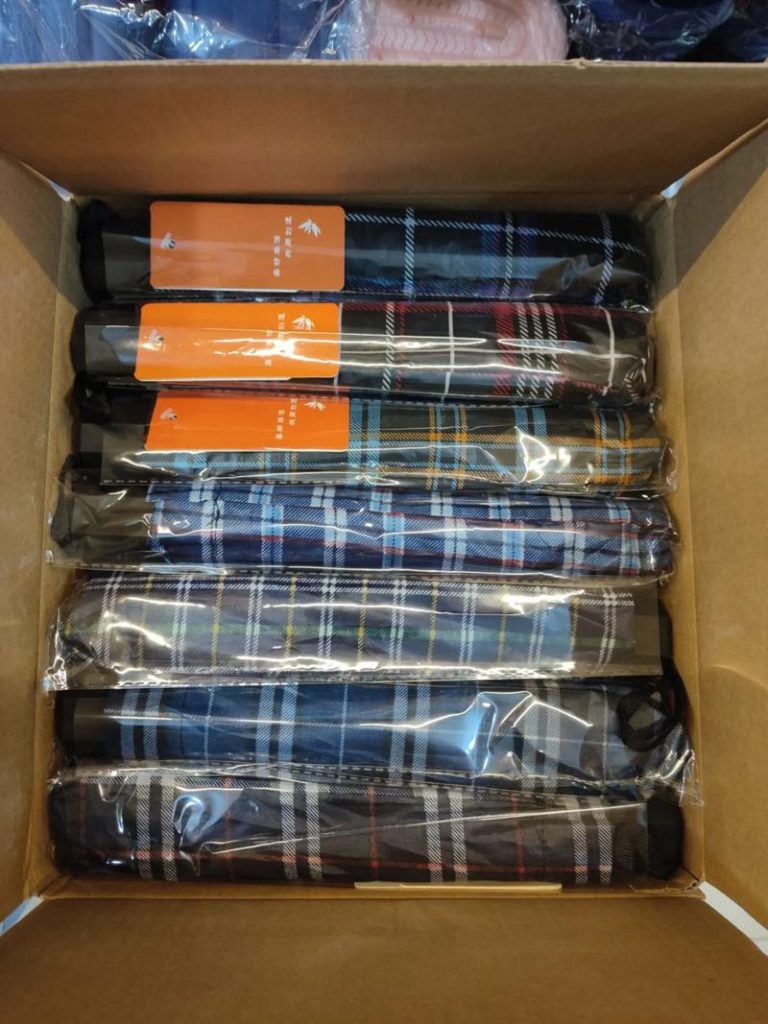
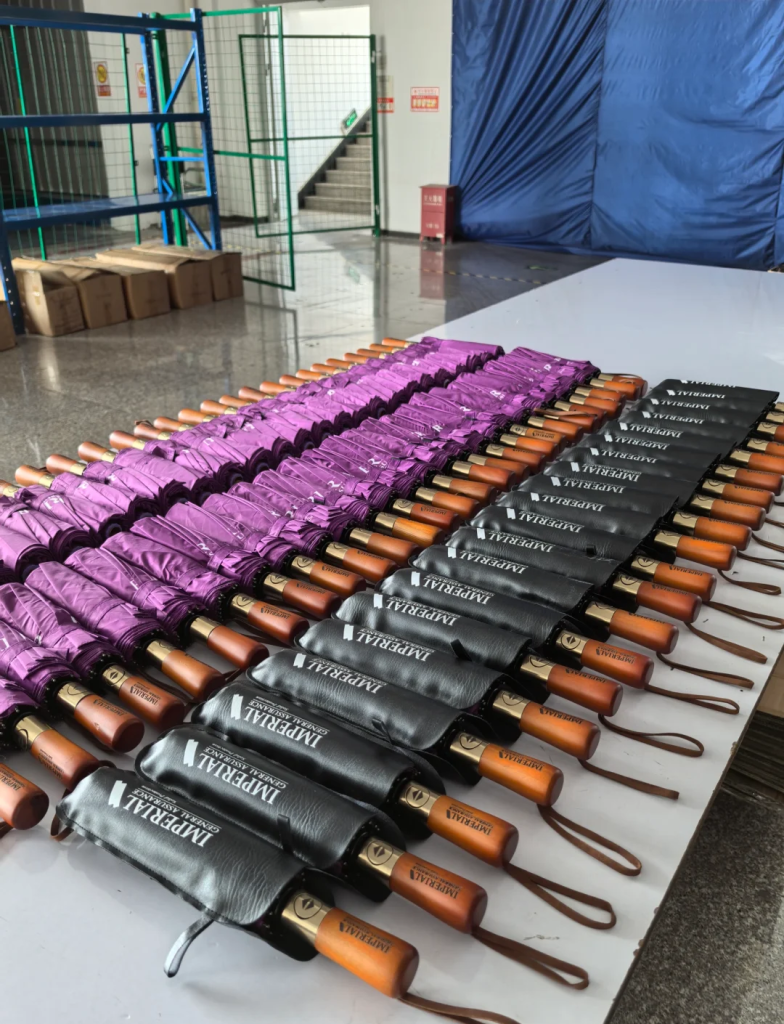
In the competitive landscape of global merchandise, customization has become a key differentiator. Among the quiet champions of this trend are China’s custom umbrella suppliers—nimble, tech-savvy manufacturers transforming a centuries-old product into a canvas for brand expression. These specialized factories blend traditional craftsmanship with digital innovation, offering end-to-end solutions from concept design to doorstep delivery. This article explores how China’s umbrella customization ecosystem operates, its technological edge, market strategies, and why it dominates the global niche of personalized umbrellas.
1. The Anatomy of a Custom Umbrella Supplier
Core Service Model
Unlike mass-market producers, custom umbrella suppliers function as strategic partners:
-
Design Collaboration: Clients submit sketches, Pantone colors, or mood boards; engineers refine concepts for manufacturability.
-
Material Sourcing: Access to 500+ fabric types (e.g., recycled PET, silk, Teflon-coated nylon) and frame alloys (carbon fiber, aircraft-grade aluminum).
-
Prototyping: 3D-printed samples delivered in 72 hours for fit-and-function validation.
-
Small-Batch Production: MOQs as low as 50–100 units, enabled by flexible assembly lines.
-
Value-Added Services: Logo embroidery, custom packaging, and drop-shipping integration.
Market Positioning
These suppliers target three client segments:
-
Corporate Clients: For branded giveaways (e.g., bank promotional umbrellas with logos).
-
Retail Brands: Fashion houses launching limited-edition collections (e.g., Gucci-style floral prints).
-
E-commerce Sellers: Dropshippers needing unique products to stand out on Amazon/Wayfair.
2. Technological Infrastructure: Enabling Mass Customization
Digital Design Platforms
Leading suppliers deploy cloud-based configurators:
-
Virtual Sampling: AR tools let clients visualize umbrellas in real-world settings (e.g., a golf umbrella at a resort).
-
Real-Time Quoting: Algorithms calculate costs based on material choices, complexity, and order volume.
-
Collaborative Portals: Shared workspaces for designers and engineers to annotate 3D models.
Case Study: A Shanghai supplier’s platform reduced design approval time from 14 days to 48 hours for a European fashion brand.
Automated Customization Systems
-
Laser-Cutting Stations: Precisely etch logos/text onto metal frames or wooden handles.
-
Digital Textile Printing: Print photorealistic designs (e.g., Van Gogh’s Starry Night) directly onto canopies with zero setup fees.
-
Modular Assembly Kits: Pre-fabricated components (ribs, shafts, handles) assembled per custom specs.
AI-Driven Quality Control
Computer vision scans every unit for:
-
Misaligned stitching (>2mm deviation triggers rejection).
-
Frame straightness (laser sensors detect bends).
-
Mechanism smoothness (force sensors test auto-open buttons).
3. Supply Chain Mastery: Speed and Flexibility
Vertical Integration
Top suppliers control critical stages:
| Stage | Capability | Advantage |
|---|---|---|
| Fabric Weaving | On-site mills producing custom-dyed textiles | Color consistency across batches |
| Frame Fabrication | CNC machines shaping alloy ribs | ±0.1mm tolerance |
| Component Molding | In-house plastic injection for handles/tips | Rapid design changes |
| Packaging | Custom-printed boxes, sleeves, and inserts | Brand-aligned unboxing experience |
Agile Logistics Network
-
Domestic Distribution: Regional warehouses in Yiwu, Shenzhen, Ningbo enable 24-hour dispatch.
-
Global Shipping: Partnered with DHL/FedEx for express delivery (5-day US/EU transit).
-
Dropshipping Integration: API connections to Shopify/Amazon automate order fulfillment.
4. Competitive Differentiation Strategies
Niche Specialization
Suppliers carve niches to avoid price wars:
-
Luxury Segment: Hand-stitched silk umbrellas with Swarovski crystals (€200+/unit).
-
Eco-Conscious: Canopies from recycled ocean plastics + bamboo handles (B Corp certified).
-
Tech-Enhanced: Solar-powered LED-lit umbrellas with USB charging ports.
Sustainability as a Selling Point
-
Carbon-Neutral Production: Factories offset emissions via reforestation projects.
-
Circular Design: Take-back programs recycling old umbrellas into new products.
-
Certifications: GOTS (textiles), FSC (wood), and ISO 14001 (environmental management).
Client Retention Tactics
-
Loyalty Programs: Volume discounts (5% off orders >5,000 units).
-
Co-Branding Opportunities: Joint marketing campaigns for successful launches.
-
Design Vault Access: Free use of 10,000+ pre-approved patterns.
5. Navigating Client Challenges
Intellectual Property Protection
-
NDAs and Patents: Legally binding contracts with IP clauses.
-
Secure Data Handling: Encrypted servers for design file storage.
-
Anti-Counterfeiting: Holographic labels and QR codes traceable to original orders.
Cost Management
-
Tiered Pricing:
-
Basic Customization (logo print): +15–20% over base model.
-
Mid-Tier (material change + design): +30–50%.
-
Premium (full R&D + tooling): +100–200%.
-
-
Hidden Cost Avoidance: All-inclusive quotes covering tooling, testing, and duties.
Communication Barriers
-
Bilingual Account Managers: Dedicated English-speaking liaisons.
-
Visual Briefings: 3D renderings replace ambiguous text descriptions.
-
Video Inspections: Real-time factory tours via Zoom.
6. Case Studies: Success Stories in Customization
Case 1: A US Boutique Hotel Chain
-
Challenge: Create branded umbrellas for guest amenities.
-
Solution:
-
Canopy: Watercolor map of the hotel’s city.
-
Handle: Engraved room number.
-
Packaging: Miniature suitcase box.
-
-
Result: 15% increase in positive online reviews mentioning “thoughtful details.”
Case 2: A UK Music Festival
-
Challenge: Sell 5,000 limited-edition souvenir umbrellas.
-
Solution:
-
Design: Festival lineup printed on translucent canopy.
-
Tech: LED lights synced to music beats.
-
Logistics: Dropshipped directly to attendee homes.
-
-
Result: Sold out in 72 hours; 92% attendee satisfaction.
Case 3: A German Outdoor Gear Brand
-
Challenge: Develop a windproof golf umbrella.
-
Solution:
-
Frame: 8-rib carbon fiber with vented double canopy.
-
Test: Wind tunnel validation at 120 km/h.
-
-
Result: 40% lower return rate vs. previous supplier.
7. Future Trends: Hyper-Personalization and AI
On-Demand Customization
-
AI Generative Design: Input brand colors/mood → AI suggests 10+ design variants.
-
Consumer Co-Creation: Brands offer “design your own umbrella” tools on websites.
Smart Umbrellas 2.0
-
Health Monitoring: Canopies with air quality sensors.
-
Augmented Reality: App overlays navigation directions on canopy view.
Blockchain Traceability
-
Provenance Tracking: Scan QR code to see material sources and carbon footprint.
Conclusion: The Strategic Value of China’s Custom Suppliers
China’s custom umbrella suppliers have evolved from low-cost assemblers to innovation accelerators. Their mastery of digital tools, supply chain agility, and client-centric models makes them indispensable partners for brands seeking differentiation. As personalization becomes non-negotiable in consumer goods, these factories are not just making umbrellas—they are engineering brand experiences. For global companies, the message is clear: to win in saturated markets, collaborate with the architects of bespoke brilliance.


No reply content