
Dongguan PremiumGift BoxPackaging
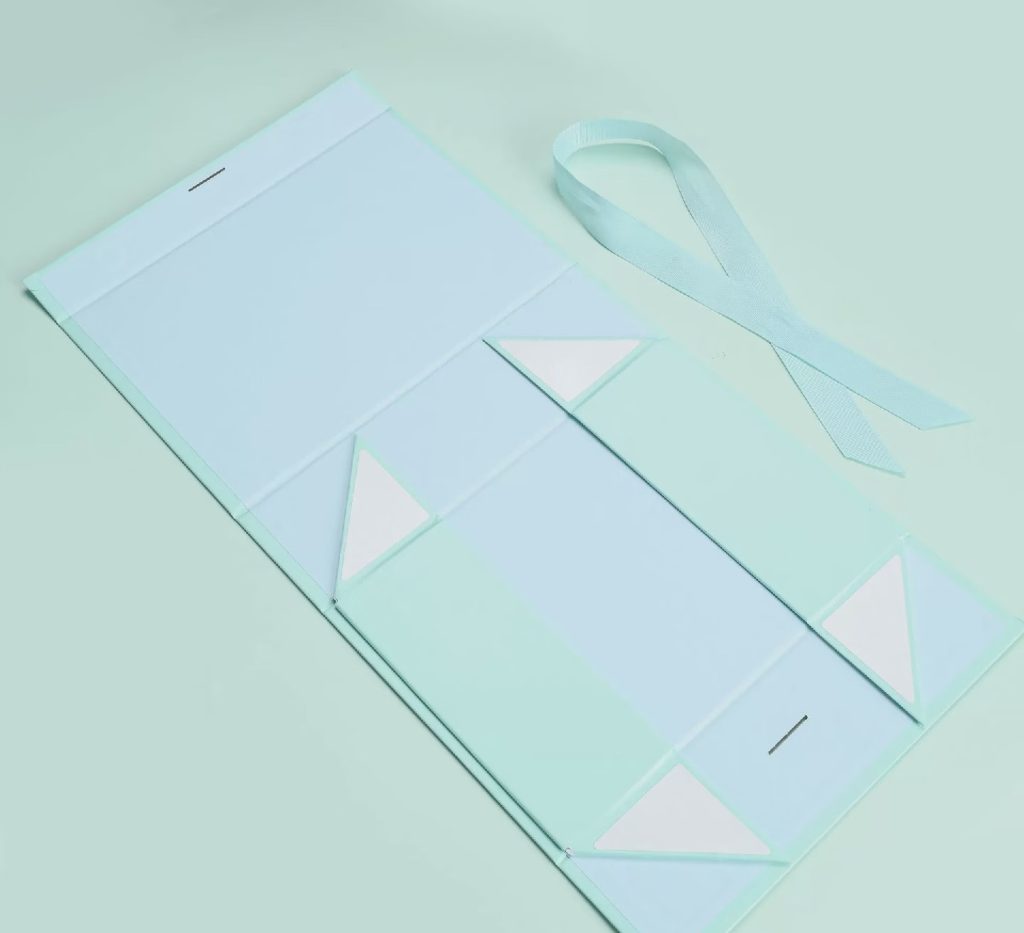
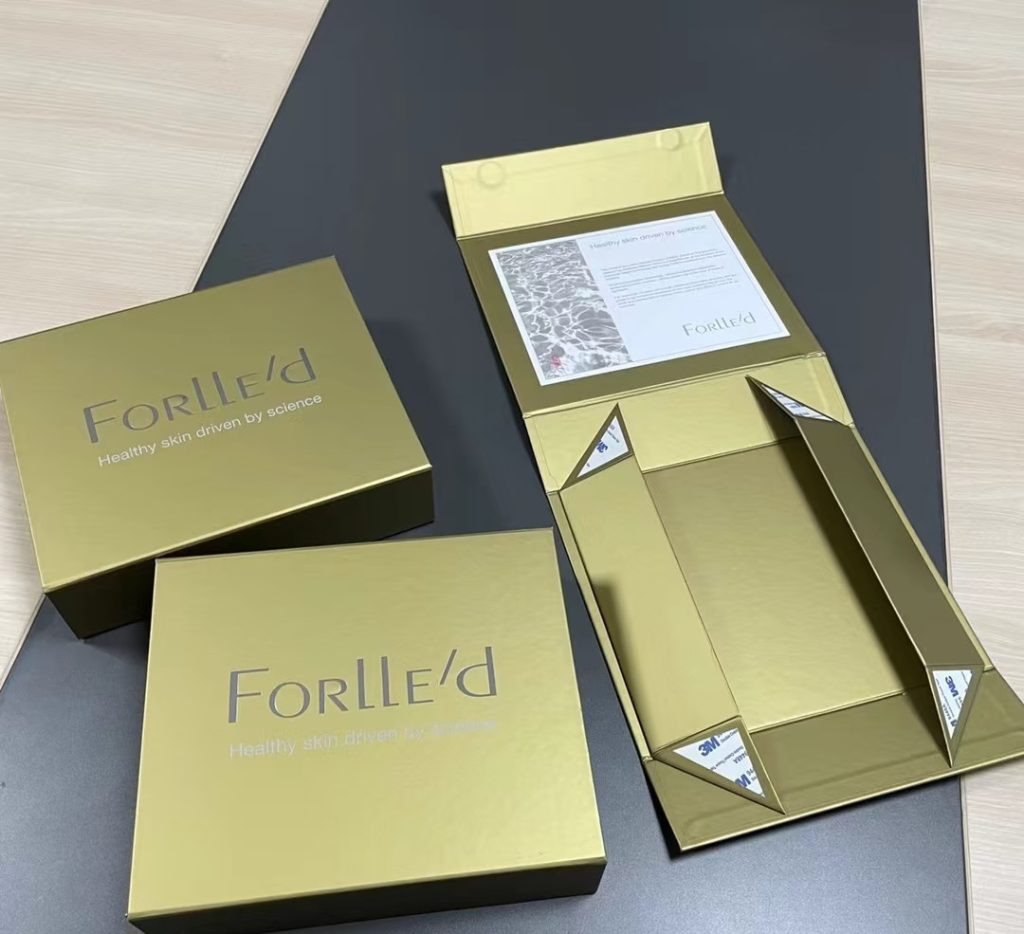
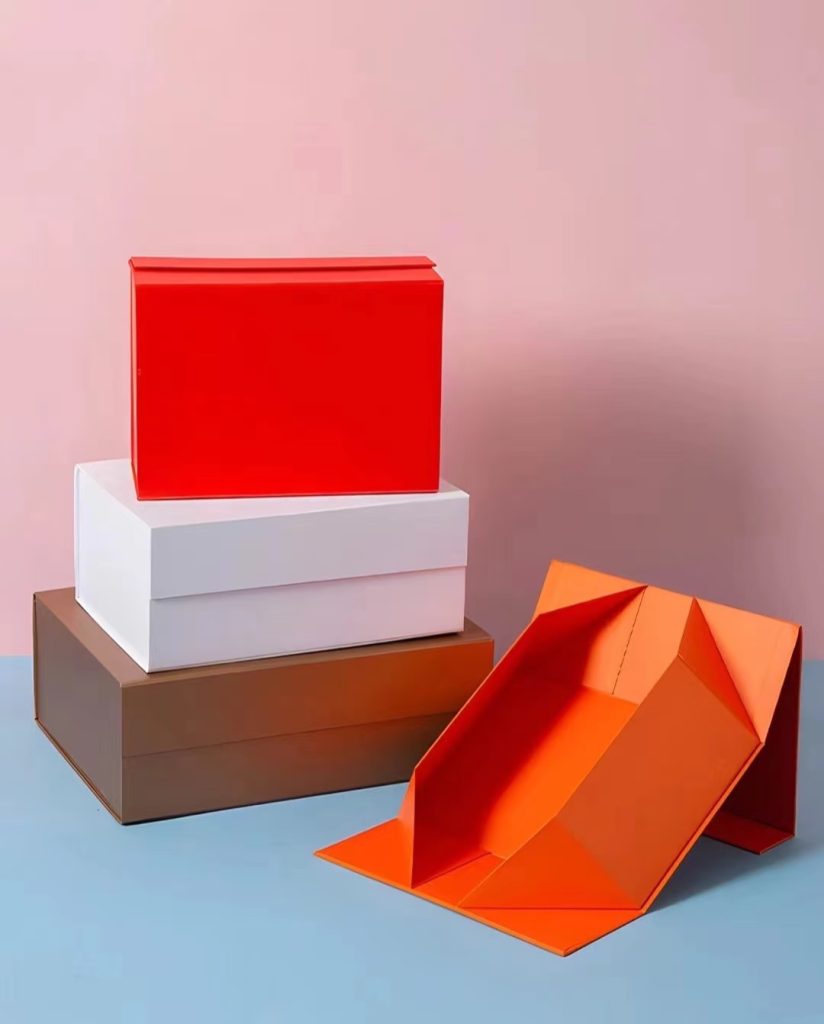
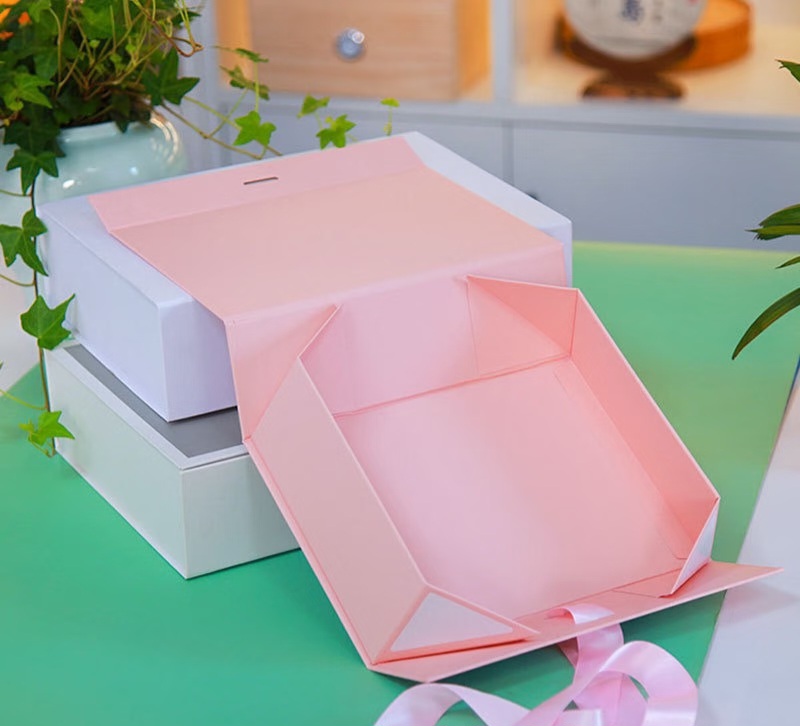
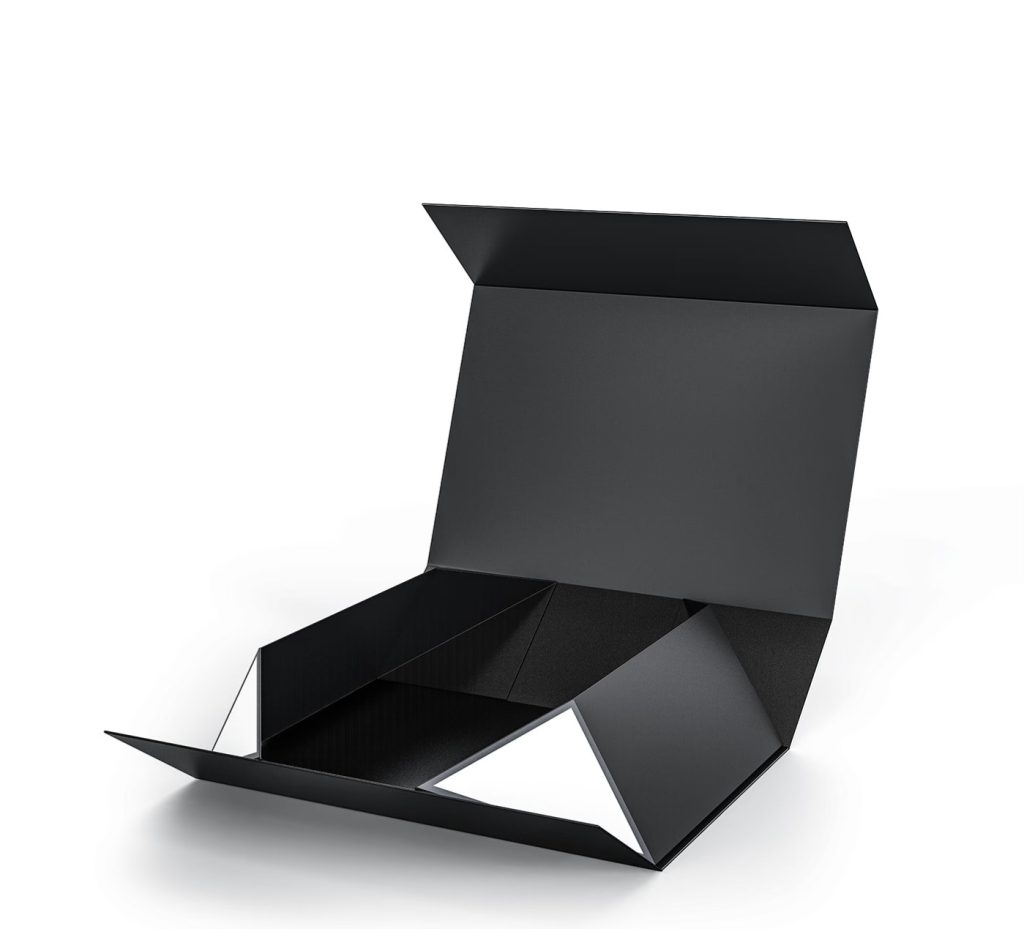
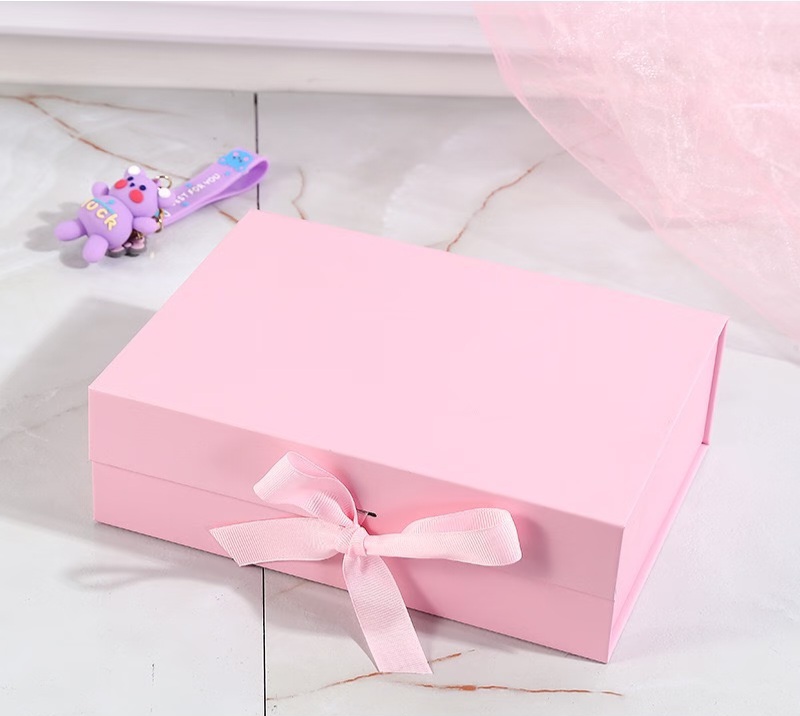
In an era where every purchase feels like a vote for the kind of world we want to live in, the humble gift box has evolved from a mere container into a statement of values. For decades, traditional gift boxes—often crafted from virgin paper, plastic-coated cardboard, or synthetic materials—have dominated shelves during holidays, birthdays, and corporate milestones. But as consumers grow increasingly aware of their environmental footprint, a quiet revolution is unfolding in the packaging industry: the rise of bamboo fiber gift boxes. These unassuming yet innovative creations are not just containers; they are tangible symbols of sustainability, blending ancient wisdom with modern design to meet the demands of eco-conscious shoppers worldwide.
The Urgency Behind Sustainable Packaging
To understand why bamboo fiber gift boxes matter, we must first confront the scale of the problem they aim to solve. Traditional packaging waste is a global crisis. According to the Ellen MacArthur Foundation, over 400 million tons of plastic are produced annually, with single-use plastics accounting for nearly half of that volume. In the United States alone, holiday shopping generates an estimated 25% more waste than average months, much of it from non-recyclable wrapping paper, ribbons, and boxes. Even when labeled “recyclable,” many conventional gift boxes contain laminates, dyes, or coatings that render them unrecyclable in practice.
This waste doesn’t just clutter landfills; it poisons ecosystems. Microplastics from degraded packaging seep into oceans, harming marine life, while toxic chemicals used in production contaminate soil and water sources. For environmentally aware consumers—particularly Gen Z and millennials, who prioritize brands aligned with their values—this reality has sparked a demand for alternatives that don’t compromise on aesthetics or functionality. Enter bamboo fiber: a material that checks every box for sustainability, durability, and style.
Why Bamboo? Nature’s Miracle Fiber
At first glance, bamboo might seem like an unlikely hero for packaging. But this fast-growing grass (yes, bamboo is technically a grass, not a tree) possesses extraordinary properties that make it uniquely suited for sustainable manufacturing.
1. Rapid Regeneration: A Carbon-Neutral Cycle
Bamboo is the fastest-growing plant on Earth. Some species can grow up to 35 inches per day, reaching maturity in just 3–5 years—compared to 20–50 years for hardwood trees. This rapid growth means bamboo can be harvested without killing the plant, as new shoots emerge from the same root system. Moreover, bamboo forests act as carbon sinks, absorbing 30% more CO₂ per unit area than most tree species. When used in packaging, bamboo fiber helps offset carbon emissions, making it a key player in the fight against climate change.
2. Biodegradability: Returning to the Earth
Unlike plastic, which takes centuries to decompose, bamboo fiber is fully biodegradable. When disposed of properly, it breaks down into organic matter within 6–12 months, enriching soil rather than polluting it. Even if accidentally discarded outdoors, bamboo decomposes naturally without releasing harmful toxins—a stark contrast to synthetic materials that persist in the environment indefinitely.
3. Strength Meets Flexibility
Bamboo fibers are renowned for their tensile strength, rivaling that of steel on a weight-for-weight basis. This makes bamboo-based packaging surprisingly durable, capable of protecting fragile items like glassware, cosmetics, or artisanal foods during transit. At the same time, bamboo retains enough flexibility to be molded into intricate designs, from minimalist geometric shapes to elaborate floral patterns.
4. Low Water and Chemical Footprint
Traditional paper production relies heavily on water and chemicals. It takes approximately 10 liters of water to produce a single sheet of A4 paper, and bleaching processes often involve chlorine or other harsh substances. Bamboo, by contrast, requires minimal irrigation (it thrives in diverse climates with natural rainfall) and can be processed using eco-friendly methods that avoid toxic chemicals. Many bamboo fiber manufacturers use closed-loop systems that recycle water and reuse byproducts, further reducing environmental impact.
From Harvest to Hand: The Journey of a Bamboo Fiber Gift Box
Creating a bamboo fiber gift box is a testament to sustainable innovation. The process begins in bamboo plantations, where farmers cultivate the grass using organic practices that avoid pesticides and fertilizers. Once mature, the bamboo culms (stems) are harvested and transported to processing facilities. Here, they undergo a series of steps to transform raw material into packaging:
-
Crushing and Soaking: The bamboo culms are crushed into small pieces and soaked in water to soften the fibers.
-
Fiber Extraction: Using mechanical or enzymatic methods (avoiding harsh chemicals), the cellulose fibers are separated from lignin and other components.
-
Sheet Formation: The extracted fibers are mixed with water to form a slurry, which is then spread onto screens to dry into thin sheets. These sheets can be pressed, cut, and folded into various box shapes.
-
Finishing Touches: To enhance durability and aesthetics, some boxes may be coated with a thin layer of plant-based resin (e.g., cornstarch) or left uncoated for a rustic look. Natural dyes derived from plants like indigo, turmeric, or beetroot can add color without introducing toxins.
Throughout this journey, manufacturers prioritize transparency and ethical labor practices. Many bamboo farms are certified by organizations like the Forest Stewardship Council (FSC) or the Programme for the Endorsement of Forest Certification (PEFC), ensuring responsible harvesting and fair treatment of workers.
Beyond Sustainability: The Design Philosophy of Bamboo Gift Boxes
What sets bamboo fiber gift boxes apart from other eco-friendly options is their ability to merge sustainability with sophisticated design. Unlike early green products, which were often criticized for being “crude” or “unattractive,” today’s bamboo packaging caters to discerning consumers who refuse to sacrifice style for ethics.
Minimalism with Meaning
Many designers embrace a minimalist aesthetic, allowing the natural texture of bamboo to take center stage. The warm, earthy tones of bamboo—ranging from light cream to golden brown—create a sense of calm and authenticity. Simple lines, unadorned surfaces, and subtle embellishments (like a hand-pressed leaf imprint) convey elegance without excess. This “less is more” approach resonates with modern consumers who view simplicity as a form of luxury.
Cultural Storytelling
Bamboo has deep cultural significance in many parts of the world. In Asia, it symbolizes resilience, flexibility, and harmony with nature. In Japan, bamboo is associated with purity and is used in traditional tea ceremonies. By incorporating these cultural narratives into packaging, brands can create a deeper connection with customers. For example, a gift box inspired by Japanese wabi-sabi (the beauty of imperfection) might feature asymmetrical edges or visible bamboo fibers, celebrating the material’s natural character.
Customization for Every Occasion
Bamboo’s versatility allows for endless customization. Whether it’s a sleek black box for a tech gadget, a pastel-hued box for a baby shower, or a rustic kraft-style box for artisanal coffee, bamboo can be adapted to fit any theme. Some manufacturers even offer modular designs, where customers can mix and match lids, inserts, and labels to create a one-of-a-kind package.
The Business Case: Why Brands Are Switching to Bamboo
For businesses, adopting bamboo fiber gift boxes isn’t just a moral choice—it’s a smart financial move. As consumer demand for sustainable products grows, companies that fail to adapt risk losing market share. A 2023 survey by Nielsen found that 66% of global consumers are willing to pay more for products from brands committed to positive social and environmental impact. Bamboo packaging helps brands tap into this trend, enhancing their reputation and building customer loyalty.
Additionally, bamboo fiber offers practical advantages for e-commerce. Its lightweight nature reduces shipping costs, while its durability minimizes damage during transit—lowering return rates and improving overall efficiency. For small businesses, bamboo boxes provide a cost-effective way to compete with larger corporations, as they can be produced in smaller batches without sacrificing quality.
Challenges and the Path Forward
Despite its many benefits, bamboo fiber packaging is not without challenges. One major hurdle is scalability. While bamboo is abundant in regions like Southeast Asia, establishing large-scale production facilities requires significant investment. Additionally, the cost of bamboo fiber is currently higher than that of traditional paper, though this gap is narrowing as technology advances.
Another challenge lies in consumer education. Many shoppers are still unaware of bamboo’s advantages or confuse it with other plant-based materials like hemp or jute. To address this, brands must invest in clear labeling and storytelling, explaining the journey of a bamboo box from farm to shelf.
Looking ahead, the future of bamboo fiber packaging is bright. Innovations like 3D-printed bamboo structures, self-healing coatings, and integration with smart technology (e.g., QR codes that track a product’s carbon footprint) are already in development. As more companies adopt circular economy principles—designing products for reuse, repair, and recycling—bamboo will play a central role in creating a truly sustainable packaging ecosystem.
Conclusion: A Small Box, A Big Impact
In a world grappling with environmental degradation, the choices we make as consumers and producers have never been more important. Bamboo fiber gift boxes are more than just containers; they are a bridge between tradition and progress, a reminder that sustainability and beauty can coexist. By choosing bamboo, we are not only giving a gift to our loved ones but also to the planet we call home.
As the sun sets on another year of excess, let us imagine a future where every gift box tells a story of hope—a story written in the language of nature, with bamboo as its pen. After all, the smallest changes often lead to the greatest transformations. And in the case of bamboo fiber packaging, that transformation starts with a simple box.


No reply content