
China computer manufacturers
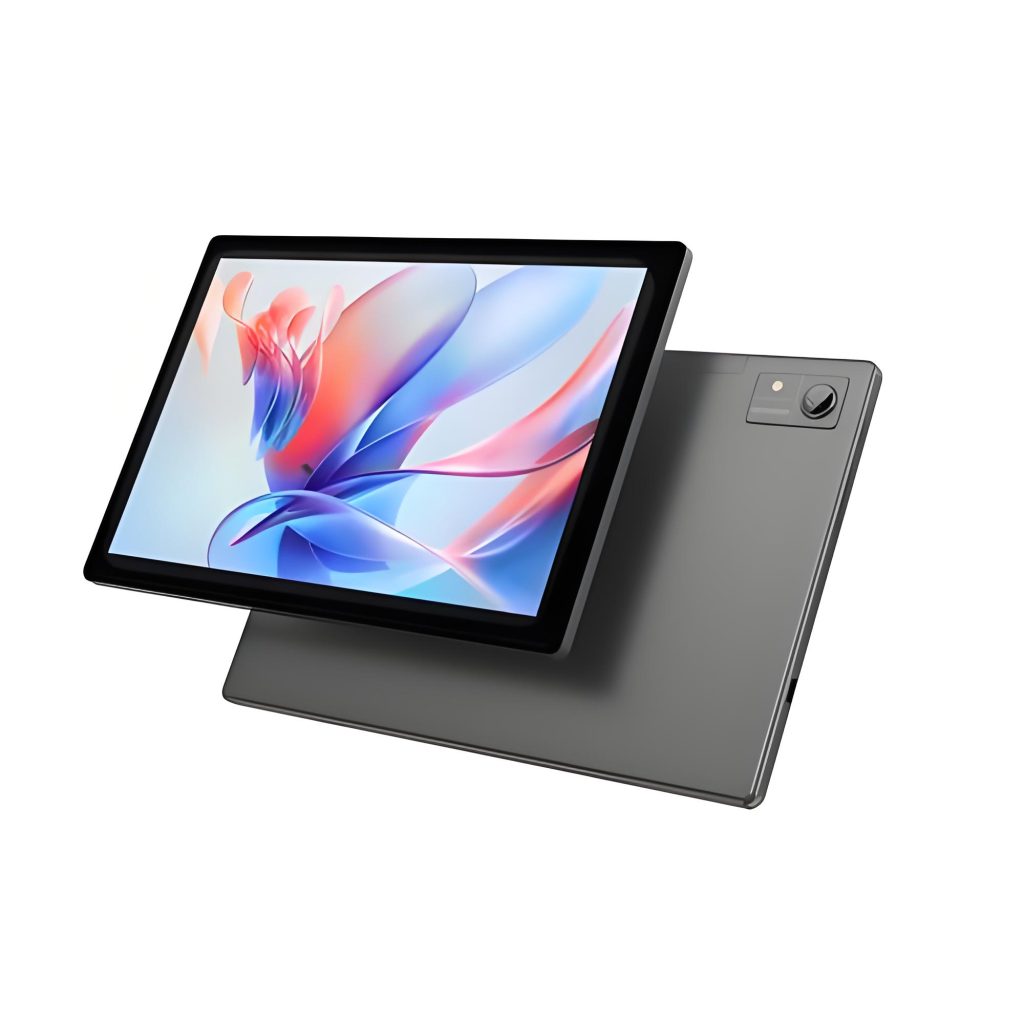


China is undeniably the global powerhouse for consumer electronics. Whether you are a startup launching a private-label brand or a retailer looking for bulk procurement, finding the right Chinese tablet supplier is the linchpin of your success. The ecosystem—especially in Shenzhen—is massive, spanning from ultra-low-cost white-label boxes to premium, Google-certified ODMs.
To help you navigate this complex landscape, we’ve compiled a no-nonsense Q&A guide addressing the real challenges international buyers face.
Q1: What is the difference between ODM, OEM, and White-Label suppliers?
Understanding the manufacturing tiers saves you a lot of money and headaches.
-
White-Label (Off-the-Shelf): These are generic, pre-designed tablets sitting in a warehouse. You just add your logo.
-
Best for: Dropshipping, quick turnover, or promotional giveaways.
-
Pros: Zero R&D cost, fast shipping. Cons: High competition, zero exclusivity.
-
-
OEM (Original Equipment Manufacturer): You provide the technical drawings and specs; the factory builds it exactly as designed.
-
Best for: Established brands with in-house R&D.
-
Pros: Total control over IP. Cons: Requires heavy engineering input and massive Minimum Order Quantities (MOQs, usually 3k-5k units).
-
-
ODM (Original Design Manufacturer): The factory designs the tablet, and you customize specific aspects (e.g., RAM/storage, camera specs, casing color, or UI interface).
-
Best for: Most SMEs and Amazon FBA sellers.
-
Pros: Lower MOQs (often 500-1000 units), professional industrial design, faster time-to-market.
-
Q2: How do I verify a supplier’s legitimacy beyond Alibaba?
The “Shenzhen electronics market” is plagued with trading companies posing as factories. Here is how to spot the real manufacturers:
-
The “BOM” Test: Ask for the Bill of Materials (BOM) list. A real factory can provide a detailed spreadsheet listing every component (screen controller, PMIC, WiFi module) and its exact cost. Traders will hesitate or provide vague estimates.
-
SMT Line Photos: Ask to see their Surface Mount Technology (SMT) lines where the motherboards are soldered. If they only show you assembly lines (workers screwing parts together), they are likely just an assembly workshop or a trading office.
-
R&D Headcount: A genuine tablet ODM will have at least 10-20 engineers dedicated to hardware, software (Android OS customization), and mechanical design (ID/MD). Ask how many engineers they have.
Q3: Which processor (SoC) should I choose for my target market?
The System on Chip (SoC) dictates the user experience and your profit margin. Chinese suppliers primarily work with three major chipset families:
-
MediaTek (MTK): The king of cost-performance. Chips like the MT8183 or Helio series offer excellent stability for mid-range tablets ($80-$150 wholesale). They are highly favored by brands like Lenovo and Amazon for their reliability.
-
Qualcomm Snapdragon: The premium choice. If you are building a flagship tablet ($200+ wholesale) requiring top-tier gaming performance and 5G connectivity, Snapdragon is the way to go. Note: Qualcomm charges high NRE (Non-Recurring Engineering) fees for custom boards.
-
Unisoc (Spreadtrum): The budget warrior. Great for ultra-low-cost educational tablets or entry-level devices ($50-$80 range), though optimization can be trickier.
Q4: What are the hidden costs in tablet manufacturing?
To protect your margins, look out for these commonly overlooked expenses:
-
GMS Certification (Google Mobile Services): If you want the Google Play Store, Gmail, and Maps on your tablet, you must pay for Google’s CTS (Compatibility Test Suite) and GTS certification. This can cost $10,000 to $30,000 upfront, depending on the chipset.
-
Custom UI/UX Development: Changing the default Android launcher, boot animation, and pre-installing specific apps requires software engineering hours. Factories usually charge a one-time NRE fee ($500 – $2,000) for this.
-
Tooling Fees (Molds): If you want a custom-shaped case (not a standard rectangular slab), you must pay for the CNC molds. Expect to pay $3,000 to $8,000 for a custom tablet mold.
Q5: How do I ensure the tablets won’t be returned due to battery or screen issues?
Quality control in China is strictly “you get what you inspect, not what you expect.”
-
Battery Conversion Rate: Many cheap suppliers advertise a 6000mAh battery, but the actual energy conversion rate might be 70%. Insist on using branded cells (like ATL, Sunwoda, or Coslight) and request a third-party inspection to verify actual capacity.
-
Screen Uniformity: Ask for the Aa grade panels (usually from BOE, Tianma, or AUO). Cheap “GX” or recycled screens have poor viewing angles and dead pixels. Specify in your contract that any dead pixels >0.01mm are grounds for rejection.
Q6: What certifications do I actually need for import?
Don’t let your shipment get stuck at customs. Match your certifications to your destination:
-
Basic Electronics: CE (Europe), FCC (USA), IC (Canada), and RCM (Australia) are mandatory for all electronic devices.
-
Children/Educational Tablets: If your tablet targets kids under 12, you absolutely need CPC (Children’s Product Certificate) for the US and EN71 for Europe. This requires heavy metal testing on the plastic casings and drop-test certifications.
-
Environmental: RoHS (Restriction of Hazardous Substances) and WEEE (Waste Electrical and Electronic Equipment) compliance are increasingly demanded by European retailers.
Need help drafting a Request for Quotation (RFQ) to send to Chinese suppliers, or do you need a breakdown of the current wholesale price ranges for specific tablet configurations (e.g., 10-inch, 4GB/64GB)? Let me know, and I can tailor the next steps for you!


No reply content