
Plastic Pallet Factory
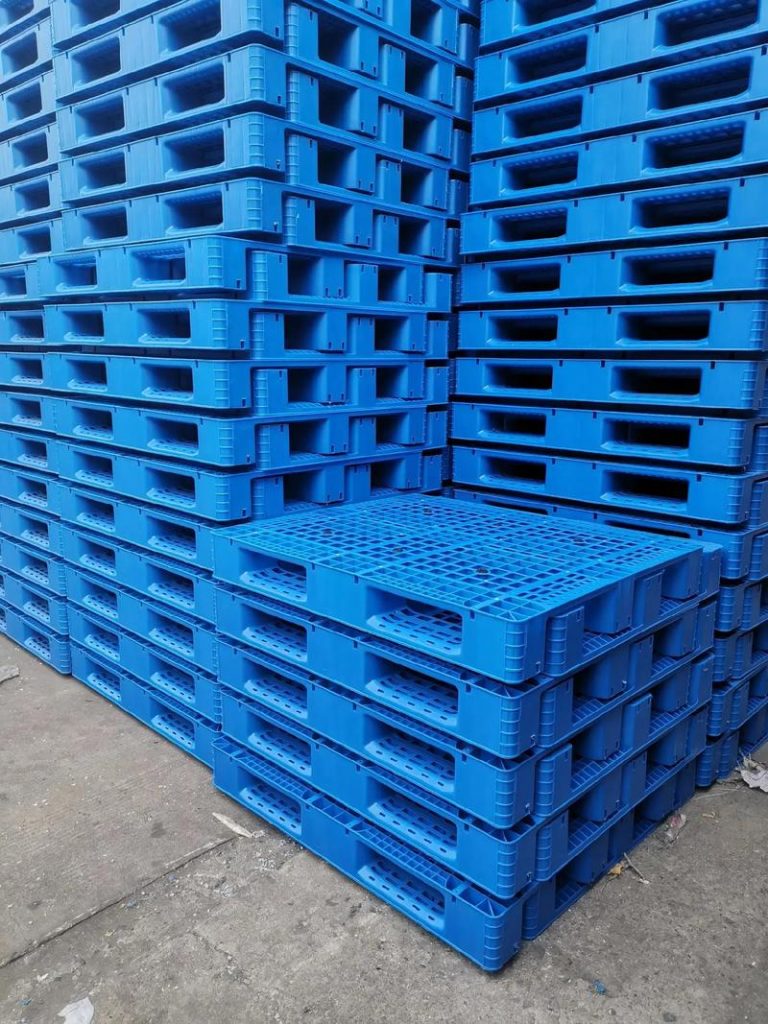
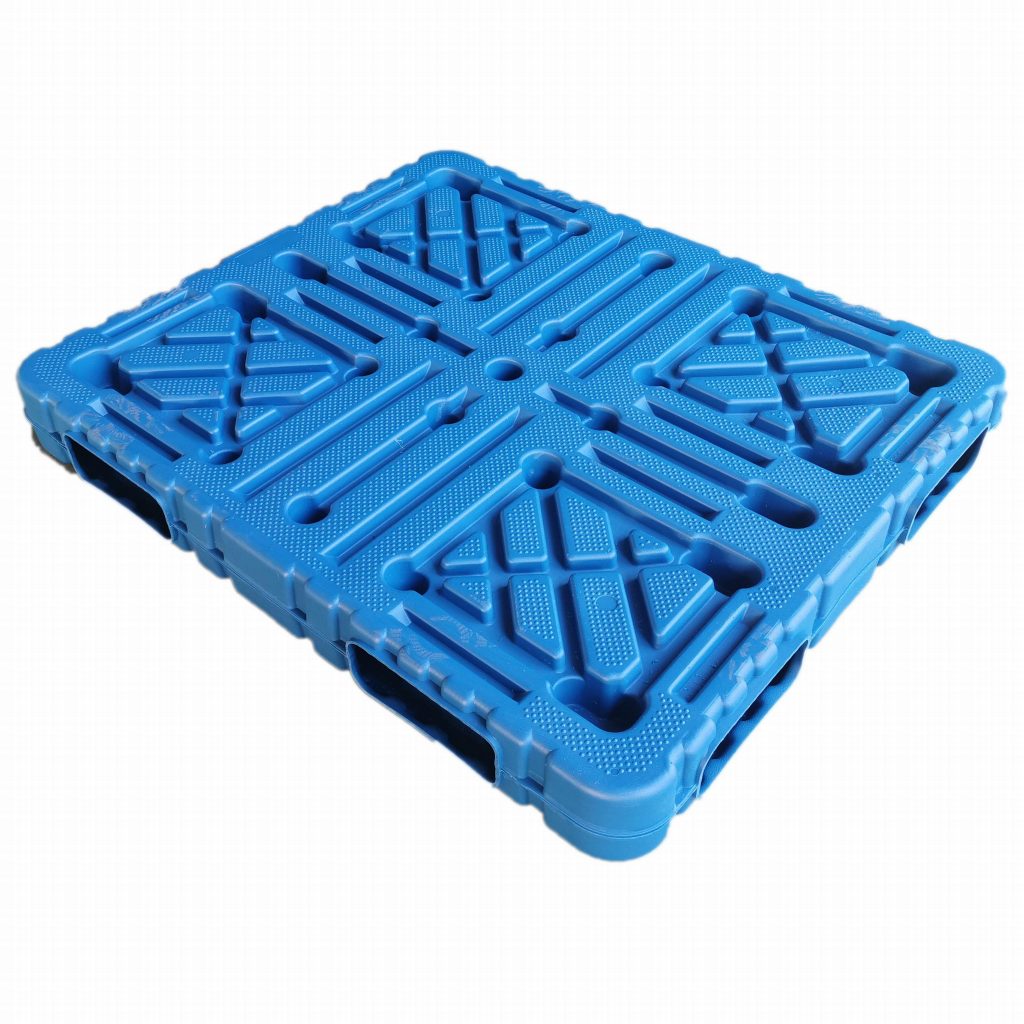
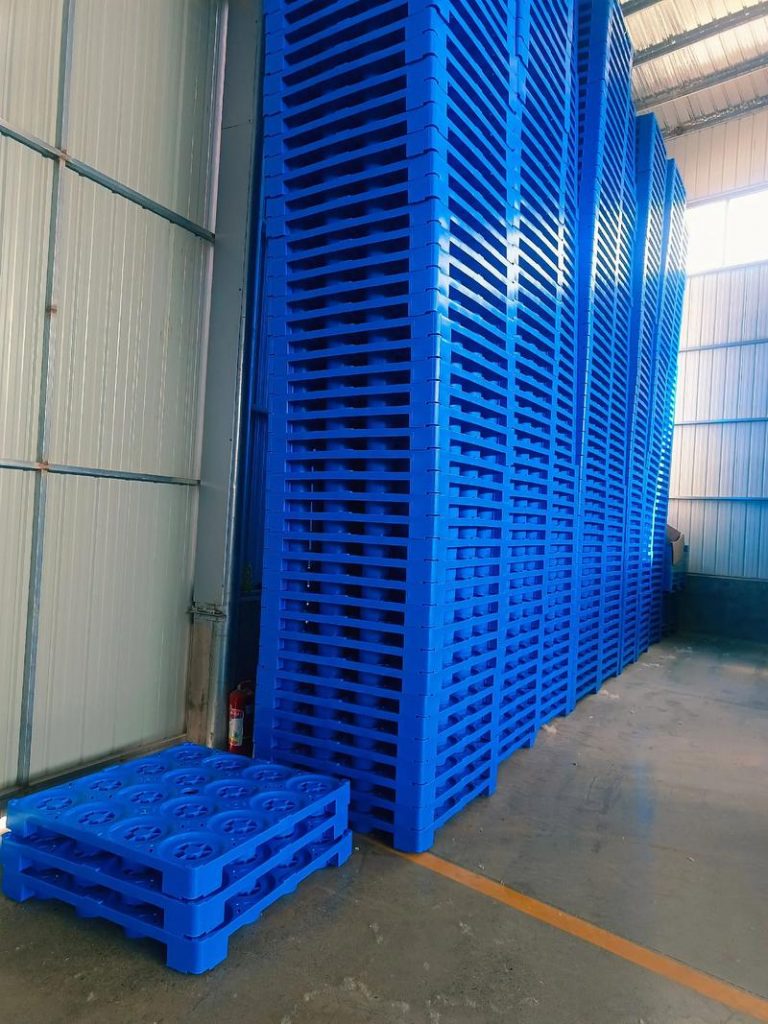
In the global logistics and material handling landscape, the plastic pallet has evolved from a niche alternative to a critical infrastructure component. While steel and wood maintain their presence, high-density polyethylene (HDPE) and polypropylene (PP) pallets have become the gold standard for hygiene, durability, and total cost of ownership. Chinese manufacturers have solidified their position as global leaders in this sector, not merely through competitive pricing but through advanced polymer engineering and sophisticated molding capabilities.
The core strength of Chinese plastic pallet suppliers lies in their mastery of large-scale injection molding and structural foam molding. These facilities utilize high-tonnage presses capable of producing heavy-duty pallets that support dynamic loads exceeding 6,000 kg. Beyond standard sizes like the 1200x800mm Euro pallet or the 48×40″ GMA pallet, suppliers excel in custom tooling. They integrate features such as anti-slip grommets, RFID cavities, and reinforced rims designed for specific automated warehouse systems.
Furthermore, the industry has pivoted towards sustainability and compliance. Leading suppliers now offer pallets made from 100% virgin material for food-grade applications (complying with FDA/EC1935 standards) as well as options using recycled post-consumer resin (PCR) for companies aiming to reduce their carbon footprint. This technical versatility ensures that whether a client needs a nestable pallet for air freight or a rackable pallet for cold storage, the supply chain is equipped to deliver.
FAQ: Procuring Plastic Pallets from China
1. What is the difference between virgin and recycled plastic pallets?
Virgin HDPE/PP pallets offer maximum structural integrity, consistent color, and compliance with strict food and pharmaceutical regulations. Recycled pallets are more economical and environmentally friendly but may have slight variations in color and a marginally lower load capacity. Reputable suppliers will clearly label the material composition.
2. How are plastic pallets shipped to save on freight costs?
Since pallets are bulky, suppliers often recommend “nestable” designs which stack tightly to maximize container space. A standard 40-foot high cube container can hold approximately 1,000 to 1,500 units depending on the design. Some suppliers also offer flat-packed, knock-down pallet options to further optimize shipping volume.
3. What is the typical lifespan of a Chinese-manufactured plastic pallet?
In a closed-loop logistics system, a high-quality injection-molded plastic pallet can last between 8 to 10 years. Factors affecting longevity include exposure to UV radiation, temperature extremes, and the frequency of overloading. Most suppliers provide a 3-year limited warranty against manufacturing defects.
4. How do I ensure the pallet dimensions are compatible with my racking system?
Before ordering, you must provide your supplier with the exact specifications of your racking system, including beam width and depth. Request a “rackable” pallet design with reinforced top decks and perimeter bases. It is highly recommended to send a physical sample of your existing pallet for dimensional verification.
5. Are anti-static or conductive pallets available for electronics manufacturing?
Yes, specialized suppliers can produce Electrostatic Discharge (ESD) safe pallets by adding carbon fiber or specific additives to the plastic compound. These are essential for cleanrooms and electronics assembly lines to prevent static damage to sensitive components.


No reply content