China Air Compressor Manufacturing Factory
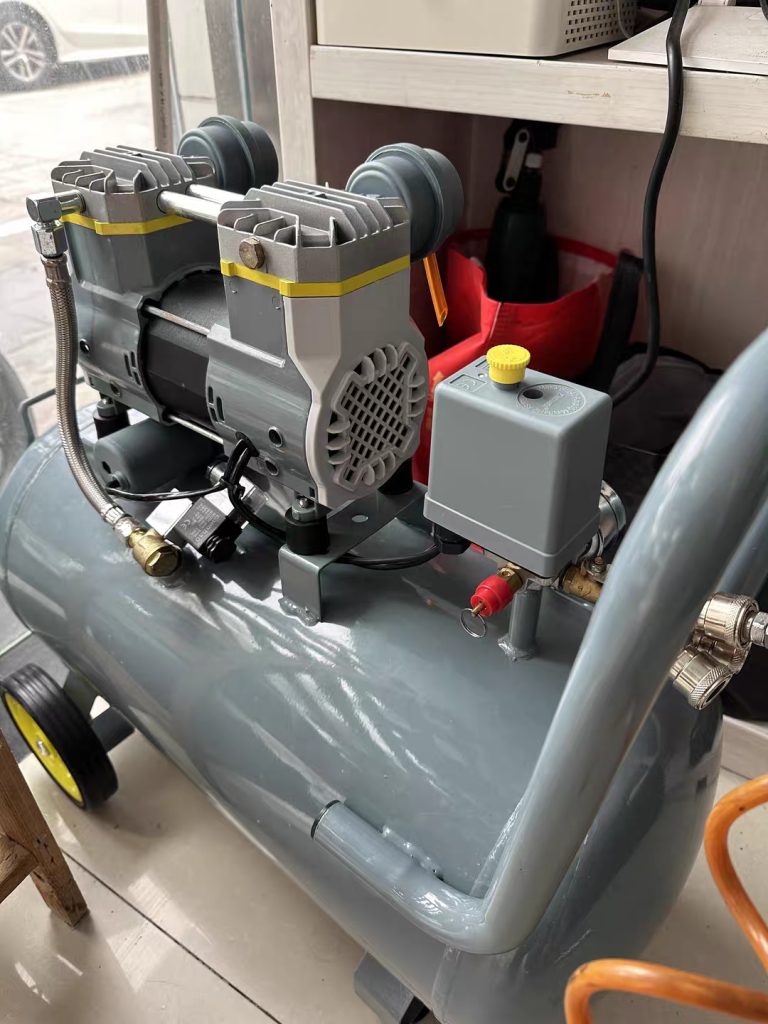
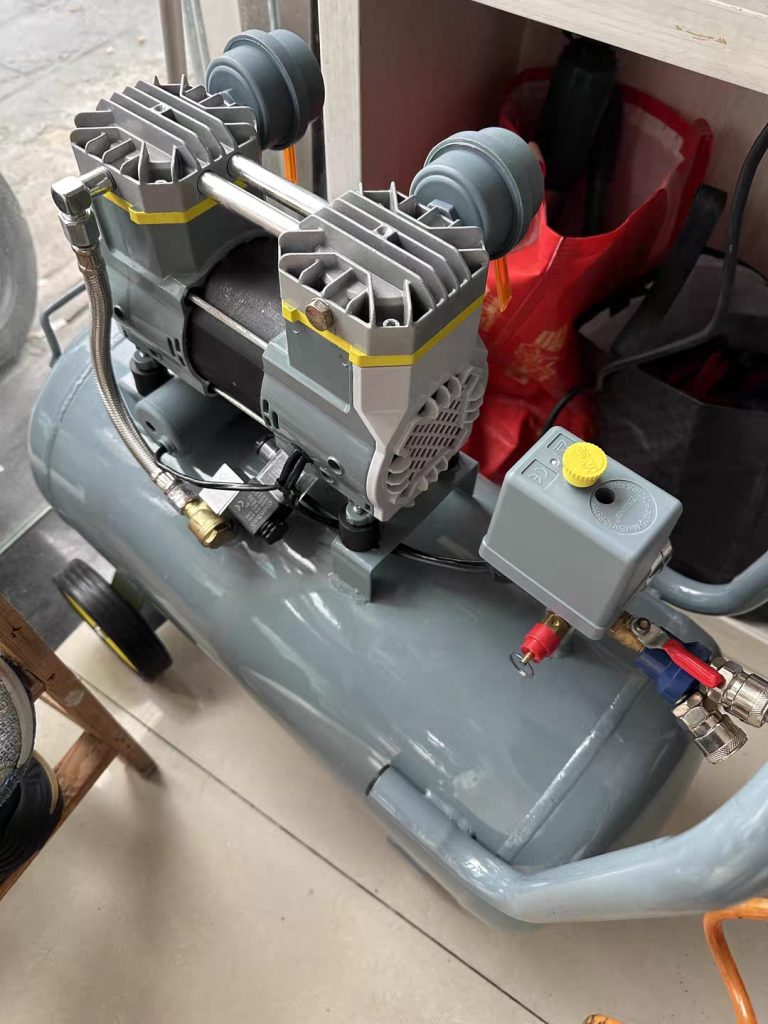
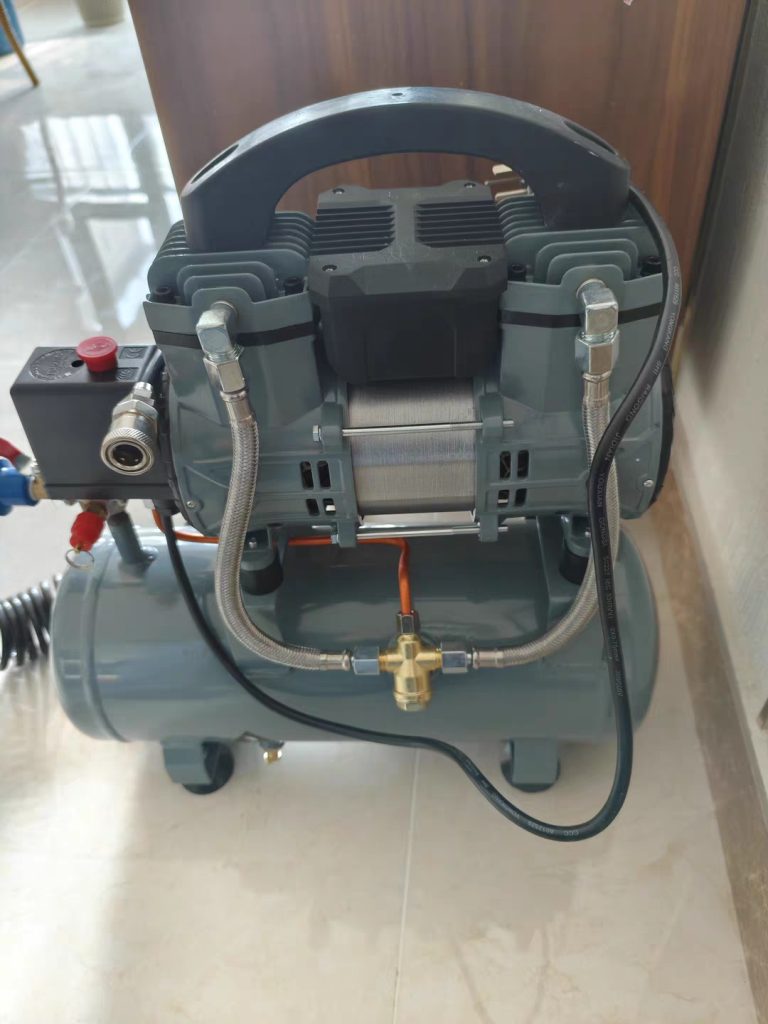
In the vast ecosystem of industrial manufacturing and operations, few pieces of equipment are as simultaneously ubiquitous and overlooked as the air compressor. For decades, plant managers and procurement officers have treated compressed air systems as commodities—standardized black boxes selected from a catalog based on little more than PSI and CFM requirements. However, as industries evolve towards greater automation, energy efficiency, and specialized applications, this one-size-fits-all mentality is proving to be a significant liability. The modern industrial landscape demands precision, and precision demands customization. This shift has elevated the role of the custom air compressor supplier from a mere vendor to a strategic partner in operational success.
The decision to move away from off-the-shelf solutions is rarely about the compressor itself; it is about the process it powers. Standard compressors are designed for average conditions. They operate within a predefined bandwidth of temperature, humidity, and duty cycles. But what happens when your facility operates in the frigid extremes of Northern Canada, or the corrosive, salt-laden air of a coastal chemical plant? What if your application requires oil-free air for pharmaceutical packaging, or ultra-high pressure for PET bottle blowing? In these scenarios, a standard machine is not just inefficient; it is a ticking time bomb for downtime, safety hazards, and excessive operational costs.
A true custom air compressor supplier understands that the journey begins long before a single component is fabricated. It starts with a deep dive into the client’s operational DNA. This involves a comprehensive audit of the existing system, a meticulous analysis of current and future air demand, and an evaluation of the physical environment. Unlike standard suppliers who ask, “Which model do you want?”, a custom supplier asks, “What problem are we solving?” This consultative approach is the hallmark of expertise. It requires engineers who can decipher complex pneumatic schematics and translate them into mechanical reality.
One of the most compelling arguments for customization lies in energy consumption. It is an often-cited industry statistic that the cost of electricity to run an air compressor over its lifetime far exceeds the initial purchase price—often by a factor of five or ten. Standard compressors frequently operate at fixed speeds, leading to massive energy waste during periods of low demand. A custom supplier can engineer variable speed drive (VSD) systems tailored specifically to your fluctuating load profile. By analyzing your usage patterns, they can design a system that ramps up and down seamlessly, potentially reducing energy consumption by 30% to 50%. When you calculate the ROI, the premium paid for a custom solution often disappears within the first year or two of operation.
Beyond energy, reliability is the cornerstone of industrial productivity. Every minute of unplanned downtime translates directly to lost revenue. Off-the-shelf compressors are built with general-purpose components that may not withstand the rigors of specific environments. For instance, a food processing plant requires stainless steel piping and specialized coatings to prevent contamination. A mining operation needs heavy-duty filtration to protect against silica dust. A custom supplier integrates these specific materials and protections into the design from day one. They don’t just sell you a machine; they provide a turnkey solution that includes specialized cooling systems for high ambient temperatures, enhanced intake filtration for dirty environments, or sound attenuation enclosures for noise-sensitive areas like hospitals or laboratories.
The technical depth required for such specialization cannot be overstated. Consider the nuances of rotary screw versus reciprocating technology, or the complexities of centrifugal compressors for high-volume applications. A custom supplier must possess a profound understanding of thermodynamics, fluid dynamics, and material science. They need to know how different alloys behave under specific pressures and temperatures. They must be adept at integrating advanced control systems that allow the compressor to communicate with the plant’s SCADA or IoT infrastructure. This level of engineering sophistication ensures that the final product is not merely assembled but engineered for purpose.
Furthermore, the relationship with a custom supplier extends far beyond the point of sale. The installation phase is critical. Custom systems often require specialized foundation work, unique electrical configurations, and precise piping layouts. A reputable supplier will manage this entire process, ensuring that the integration is seamless and that the system performs to spec upon commissioning. They provide training for your maintenance staff, ensuring that your team understands the intricacies of the new system. This partnership model provides a safety net that generic suppliers simply cannot match. When an issue arises—and in complex machinery, issues eventually do—you need a supplier who knows your system intimately and can provide rapid, expert support.
Selecting the right partner for this task is perhaps the most critical decision in the procurement process. It requires looking beyond the glossy brochures and aggressive pricing. Start by examining their engineering pedigree. Do they have a team of in-house mechanical and electrical engineers? Can they provide case studies of similar custom projects they have completed? A supplier who only talks about their products is a vendor; a supplier who talks about your processes is a partner.
Another key indicator of a quality custom supplier is their manufacturing transparency. Where are the components sourced? Are they using proprietary parts or readily available industry-standard components? While some proprietary technology is expected, a reliance on standard, interchangeable parts often indicates a more reliable and maintainable system. Ask about their quality control processes. Do they perform full-load factory testing before shipping? Seeing a unit tested under conditions that mimic your actual operating environment is a powerful testament to a supplier’s confidence in their work.
The financial aspect also requires careful consideration. Customization does typically carry a higher upfront cost. However, viewing this through a lifecycle cost lens changes the perspective entirely. A custom compressor that lasts longer, consumes less energy, and requires fewer repairs will almost always be cheaper in the long run than a bargain-priced standard unit. Smart procurement professionals calculate the Total Cost of Ownership (TCO) over a 10-year period. When you factor in energy savings, reduced maintenance, and eliminated downtime, the custom solution frequently emerges as the clear winner.
Moreover, sustainability goals are increasingly influencing purchasing decisions. Companies worldwide are under pressure to reduce their carbon footprint. An energy-optimized, custom-built air compressor is a direct and measurable step toward achieving those ESG (Environmental, Social, and Governance) targets. By minimizing energy waste and maximizing efficiency, you are not just saving money; you are contributing to a greener operation. Custom suppliers can also advise on heat recovery systems, where the waste heat generated by compression is captured and reused for space heating or water heating, further boosting your facility’s overall energy efficiency.
In conclusion, the era of treating air compressors as interchangeable commodities is drawing to a close. As industrial processes become more sophisticated and margins tighter, the advantages of a tailored approach become undeniable. Partnering with a custom air compressor supplier is an investment in reliability, efficiency, and peace of mind. It is a proactive strategy to mitigate risk, reduce long-term costs, and ensure that your most critical utility—compressed air—is delivered exactly when, where, and how you need it. Don’t settle for a machine that merely works; invest in a system that works perfectly for you. The right partner won’t just sell you a box of bolts and wires; they will deliver the very breath of life for your industrial operations, engineered with the precision your business deserves.


No reply content