
Dongguan PremiumGift BoxPackaging
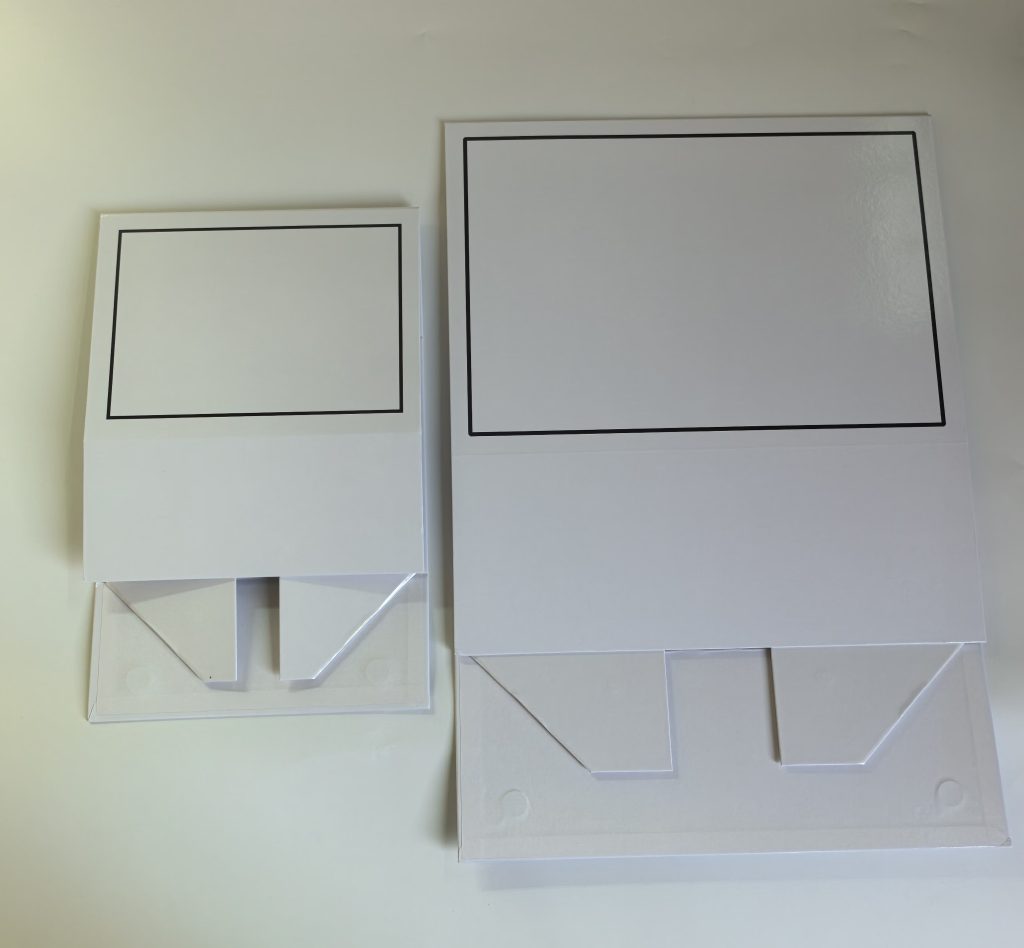
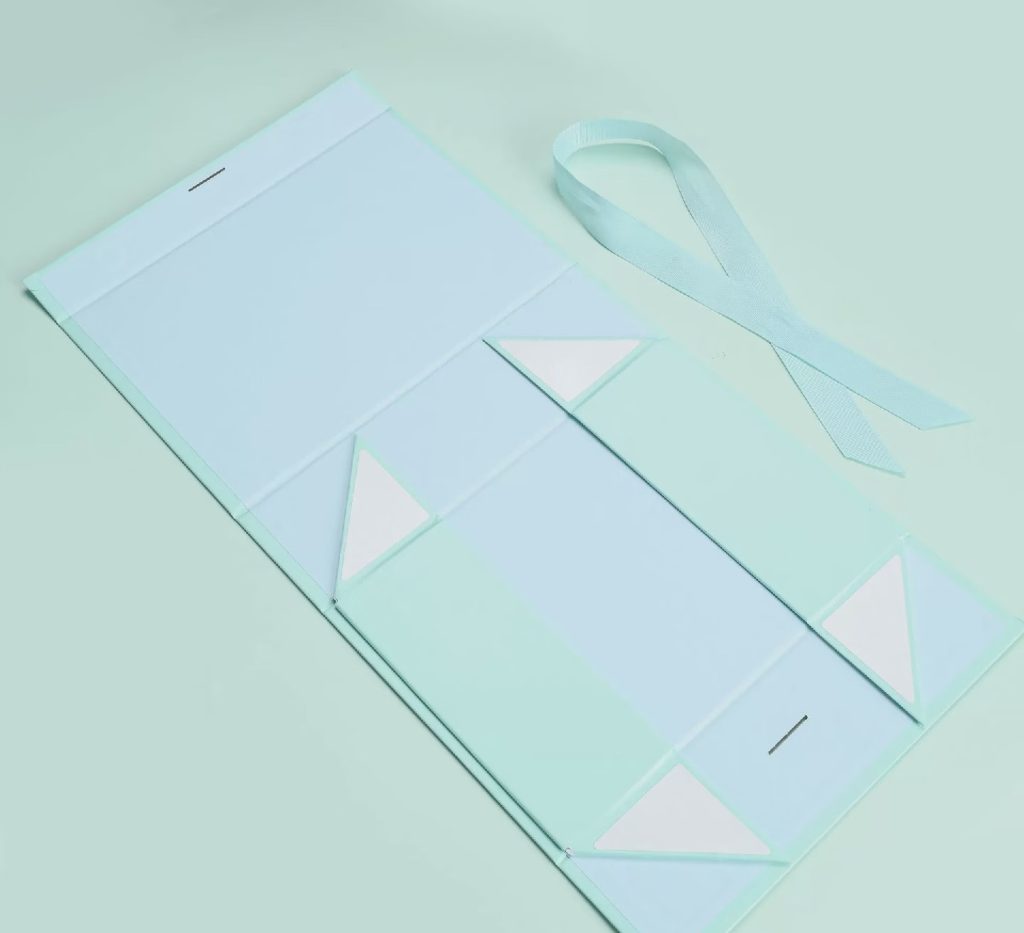
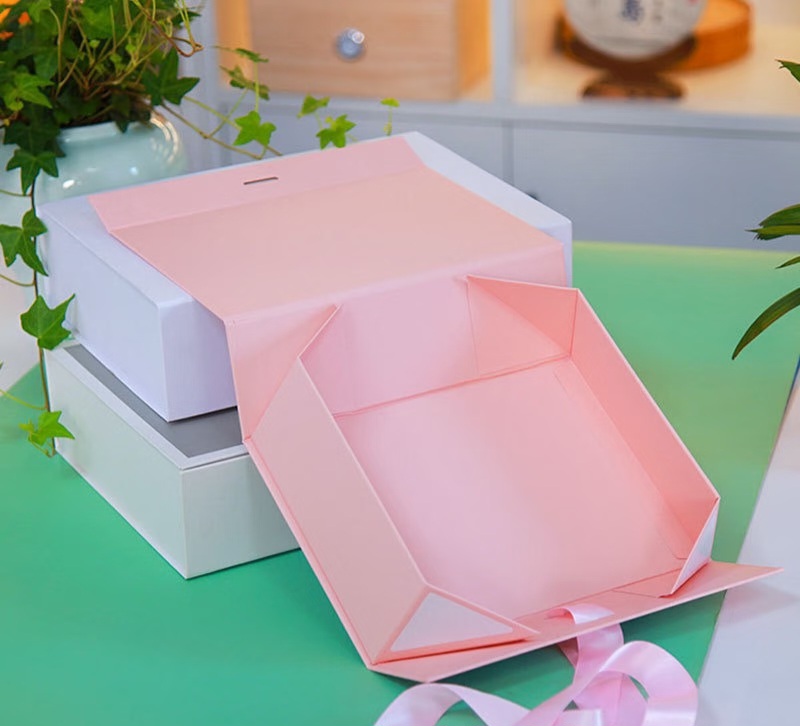
In the contemporary global marketplace, the journey of a product from concept to consumer is incomplete without its physical vessel: the packaging. For businesses worldwide, sourcing a reliable custom packaging box supplier in China is not merely a procurement task; it is a strategic decision that influences brand perception, logistics efficiency, and environmental impact. The ecosystem of Chinese suppliers is vast, ranging from small-scale artisanal workshops to sprawling industrial manufacturers equipped with cutting-edge automation. This article explores the multifaceted world of custom packaging, detailing the materials, processes, quality control measures, and collaborative dynamics that define a successful partnership with a Chinese supplier.
📦 The Evolution of Packaging: From Protection to Brand Storytelling
Gone are the days when packaging was solely about protecting contents during transit. Today, a custom box is a three-dimensional brand ambassador. The first touchpoint a customer has with a product is often the packaging, making it a critical component of the user experience. Suppliers in this sector have evolved from mere converters of paperboard into creative consultants. They now offer integrated solutions that encompass structural design, graphic printing, and even market analysis to ensure that the packaging resonates with the target demographic.
🏭 Material Science and Selection: The Foundation of Quality
The choice of material is the bedrock of any packaging project. A professional supplier provides a spectrum of options, each with distinct properties:
-
Paperboard Varieties: The most common material is paperboard. Within this category, Grey Chipboard serves as the rigid core for luxury rigid boxes, while Art Paper (Coated or Uncoated) provides the printable surface. Kraft paper, with its rustic, eco-friendly appeal, is favored by brands focusing on sustainability.
-
Corrugated Fiberboard: Essential for shipping and e-commerce, corrugated boxes are categorized by flute size (A, B, C, E, F). E-flute, for instance, offers a thinner profile suitable for retail packaging, whereas A-flute provides superior cushioning for heavy items.
-
Specialty Materials: For high-end segments, suppliers source specialty papers like textured linen, metallic foils, or vegan leather to create a tactile luxury experience.
🎨 Printing Technologies and Finishing Techniques
The visual and tactile allure of a package is achieved through sophisticated printing and finishing. A supplier’s technological arsenal is a key differentiator.
-
Offset Printing (Lithography): The gold standard for high-volume, high-quality reproduction. It allows for precise color matching using the Pantone system and produces sharp, detailed images.
-
Digital Printing: Ideal for short runs, prototyping, and personalization. It eliminates the need for costly plate-making, allowing brands to test market reactions with agility.
-
Finishing Touches: This is where a box transforms from ordinary to extraordinary. Techniques include:
-
Foil Stamping: Applying metallic or pigmented foil using heat and pressure.
-
Embossing/Debossing: Creating raised or recessed relief images.
-
Spot UV Varnish: Applying a glossy coating to specific areas to contrast with a matte background.
-
Soft-Touch Lamination: Providing a velvety, premium feel to the surface.
📐 Structural Engineering and Prototyping
Before mass production, structural integrity must be validated. This involves a meticulous prototyping phase. Suppliers utilize CAD (Computer-Aided Design) software to create dielines—the blueprint of the box. Advanced suppliers employ laser cutting machines to produce physical prototypes rapidly. This step is crucial for testing the “form factor”: Does the lid close snugly? Is the insert secure enough to hold the product? Does the box withstand drop tests? A robust supplier will iterate on these designs until perfection is achieved.
🔍 Quality Control: The Backbone of Reliability
Quality assurance in packaging manufacturing is a multi-stage process. It begins with raw material inspection upon arrival at the factory. During production, inline QC checks monitor color consistency, registration accuracy (ensuring layers align), and adhesive strength. Post-production, random sampling is conducted based on Acceptable Quality Limit (AQL) standards. A trustworthy supplier provides detailed QC reports, including photographs of the finished goods, before shipment. This transparency mitigates the risk of receiving substandard products.
🌱 Sustainability and Compliance: Navigating the Green Shift
Environmental consciousness is no longer optional. Regulatory frameworks like the EU’s Packaging and Packaging Waste Regulation (PPWR) and California’s Proposition 65 require strict compliance. Leading suppliers are proactive in offering sustainable alternatives:
-
Recycled Content: Using FSC-certified papers and post-consumer recycled (PCR) materials.
-
Plastic-Free Solutions: Developing water-based adhesives and compostable films.
-
Minimalist Design: Engineering boxes that use less material without compromising strength.
🤝 The Supplier-Buyer Relationship: Communication and Logistics
The operational aspect of working with a supplier involves seamless communication and logistics management. Time zone differences can be bridged through dedicated account managers who provide regular updates. On the logistics front, suppliers typically offer various Incoterms (FOB, EXW, DDP). Understanding these terms is vital for calculating total landed costs. A proficient supplier assists with customs documentation, ensuring smooth clearance and delivery to the final destination.
💡 Case Study: The Journey of a Custom Rigid Drawer Box
To illustrate the complexity, consider the production of a custom rigid drawer box for a high-end electronics accessory:
-
Design & Dieline: The client requests a telescoping box with a magnetic closure. The supplier drafts the dieline, accounting for the thickness of the greyboard.
-
Material Sourcing: The supplier procures 1200gsm greyboard and 157gsm art paper with a soft-touch lamination finish.
-
Printing & Finishing: The art paper is offset printed with CMYK colors and then spot UV varnish is applied to the logo.
-
Manufacturing: The greyboard is die-cut and grooved. The printed wrap is adhered to the board using automated laminating machines. The magnets are carefully positioned and glued into the inner tray.
-
QC & Packing: Each box is inspected for scratches or glue marks. They are then individually wrapped in polybags and packed into master cartons with protective corner guards.
🚀 Future Trends: Smart Packaging and Personalization
The industry is on the cusp of a technological revolution. Suppliers are beginning to integrate smart features such as QR codes, NFC tags, and AR (Augmented Reality) triggers directly into the packaging. This turns the box into a digital portal, offering consumers access to user manuals, authentication certificates, or immersive brand stories. Furthermore, the demand for hyper-personalization—where each box is unique to the recipient—is driving investments in digital printing technologies capable of variable data printing.
📊 Conclusion: Choosing the Right Partner
Selecting a custom packaging box supplier in China requires due diligence beyond comparing price quotes. It demands an evaluation of their technical capabilities, commitment to sustainability, quality control rigor, and communication efficacy. The ideal partner acts as an extension of your own team, providing expertise that elevates your product in a crowded market. In a world where unboxing experiences are shared globally on social media, investing in superior packaging is not an expense; it is a strategic investment in brand equity.
Text Box Introduction
| Topic |
The Art and Science of Custom Packaging in China |
| Focus |
An in-depth exploration of the manufacturing ecosystem, design philosophy, and logistical considerations involved in sourcing custom packaging boxes from China. |
| Key Themes |
Material selection, printing technologies, quality assurance, sustainability compliance, structural engineering, and future industry trends. |
| Target Audience |
Brand managers, product designers, e-commerce entrepreneurs, and procurement professionals seeking to understand the depth and complexity of the Chinese packaging supply chain. |
| Objective |
To provide a comprehensive guide that demystifies the production process and highlights the strategic value of a well-executed packaging partnership. |


No reply content