

📝 Introduction Box
Looking for high-quality shoes that combine style, comfort, and durability? Whether you are a retailer, wholesaler, or an online seller, this comprehensive guide will help you choose the perfect footwear to satisfy your customers and boost your business. From materials and production methods to popular trends and ordering tips, we cover everything you need to know.
The Ultimate Guide to Buying Shoes for Retailers and Wholesalers 👟🥿👠
In today’s competitive footwear market, finding the right shoes to sell or stock can make all the difference for your business. This guide will help you understand the latest trends, quality standards, sourcing strategies, and ways to attract more buyers online.
1. Understanding Different Types of Shoes 🏃♂️👞
Footwear comes in a wide variety, each designed for specific uses, customer preferences, and fashion styles. Here are the main categories:
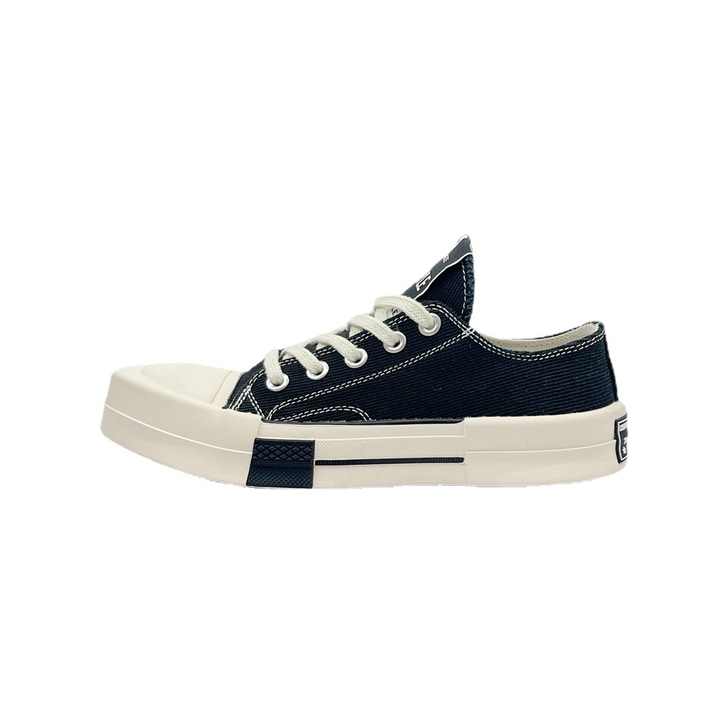
- Casual Shoes: Sneakers, loafers, and canvas shoes for everyday comfort.
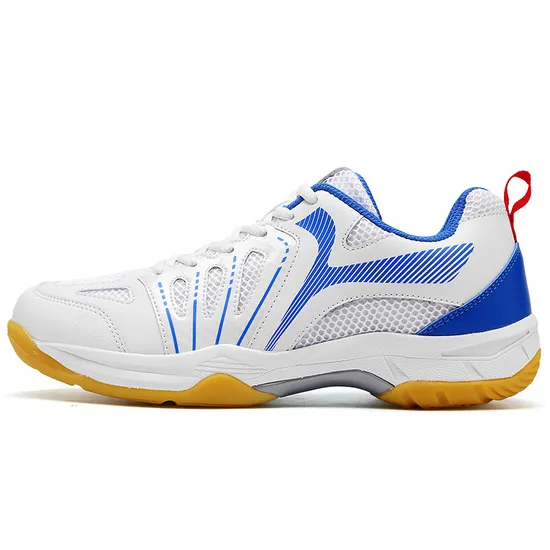
- Sports Shoes: Running shoes, training shoes, and specialized athletic footwear.
- Formal Shoes: Leather dress shoes, oxford shoes, and elegant pumps.
- Sandals and Slippers: Comfortable summer footwear for casual wear.
- Boots: Hiking boots, work boots, and winter boots for durability and protection.
- Specialty Shoes: Orthopedic shoes, dance shoes, and eco-friendly designs.
Each category has unique selling points, materials, and production standards. Understanding your target audience is crucial to selecting the right shoe type.
2. Key Materials Used in Shoes 🪶👢
Choosing shoes with high-quality materials ensures comfort, longevity, and customer satisfaction:
- Leather: Genuine, full-grain leather offers durability, flexibility, and a premium look.
- Synthetic Leather: Cost-effective alternative, easier to maintain, suitable for mass production.
- Canvas & Fabric: Lightweight, breathable, perfect for casual and sports shoes.
- Rubber & EVA Soles: Shock absorption, flexibility, and wear resistance.
- Memory Foam & Gel Inserts: Enhance comfort, particularly for athletic and orthopedic shoes.
💡 Tip: Always check material certifications and durability tests when sourcing footwear.
3. Shoe Manufacturing Process Overview 🏭
Understanding how shoes are made can help you assess quality and negotiate with suppliers:
- Design & Pattern Making: Styles are drafted and patterns are created for cutting materials.
- Cutting & Stitching: Upper materials are cut and sewn together.
- Lasting: The shoe is shaped on a mold (last) to ensure proper form.
- Sole Attachment: Soles are glued, stitched, or molded to the upper.
- Finishing: Quality inspection, polishing, and packaging.
Retailers benefit from knowing whether a supplier uses automated or handcraft techniques, as it affects price and quality.
4. Sizing and Fit Considerations 📏👣
A good fit is essential for customer satisfaction:
- Check regional sizing charts: US, EU, UK, and Asian sizes differ.
- Consider width options: Some customers need narrow, standard, or wide widths.
- Review arch support and cushioning: Important for athletic or orthopedic shoes.
📌 Pro Tip: Offer a size conversion chart in your store to reduce returns.
5. Trending Shoe Styles and Designs 🎨
Keeping up with trends helps attract more buyers:
- Sustainable Footwear: Eco-friendly materials and vegan options.
- Minimalist Sneakers: Sleek, versatile designs for casual wear.
- Chunky Soles: Retro-inspired platforms continue to be popular.
- Customizable Shoes: Personalized colors, patterns, and prints for a unique appeal.
Integrating trending styles with classic best-sellers ensures a balanced inventory.
6. How to Source Shoes for Your Business 🌐✈️
Finding the right supplier is key for profitability:
- Local Manufacturers: Faster shipping, easier communication, and smaller MOQ.
- Overseas Suppliers: Lower prices, large variety, but longer lead times.
- Trade Shows & Online Marketplaces: Ideal for discovering new styles and negotiating deals.
- OEM & ODM Options: Custom brand shoes tailored for your store or brand.
💡 Tip: Always request samples before bulk orders to verify quality and fit.
7. Quality Inspection Checklist ✅
Before accepting a shoe shipment, check:
- Stitching consistency and strength
- Soles’ flexibility and adhesion
- Color uniformity and finishing
- Material authenticity (leather vs. synthetic)
- Comfort and support
Ensuring quality prevents returns, negative reviews, and lost sales.
8. Marketing Shoes Online 💻📱
To generate inquiries and sales:
- Use high-quality images showing multiple angles.
- Highlight material, size, and comfort features in descriptions.
- Include trending keywords in product titles for SEO.
- Leverage customer reviews and ratings to build trust.
- Offer bulk discounts for B2B buyers.
📌 Tip: Incorporate icons like 👟 🥿 👠 in online listings to catch attention.
9. Pricing Strategy 💰
Factors influencing pricing:
- Material and craftsmanship
- Shipping and customs fees
- Brand perception and demand
- Seasonal trends
Always balance profit margin with competitive pricing to attract both retail and wholesale buyers.
10. Frequently Asked Questions (FAQ) ❓
Q1: How can I verify a supplier’s credibility?
A1: Check business licenses, customer reviews, and request references.
Q2: What is the minimum order quantity (MOQ) for shoes?
A2: MOQs vary by supplier; typically 50–500 pairs per style for wholesale.
Q3: How long does shipping take for international orders?
A3: Depending on shipping method, it may take 10–45 days. Express options are faster.
Q4: Can I customize shoes with my logo?
A4: Yes, many suppliers offer OEM/ODM services for branding.
Q5: How do I prevent sizing issues for customers?
A5: Provide detailed sizing charts, product descriptions, and offer exchange options.
11. Conclusion 🎯
Sourcing the right shoes for your business involves understanding materials, trends, supplier reliability, and customer needs. By following this guide, retailers and wholesalers can make informed decisions, reduce risks, and attract more inquiries for their shoe business.
🛒 Ready to Stock the Perfect Shoes?
Start exploring suppliers, request samples, and ensure quality to meet your customers’ expectations and boost your sales today!


No reply content