
China electric fireplace manufacturer
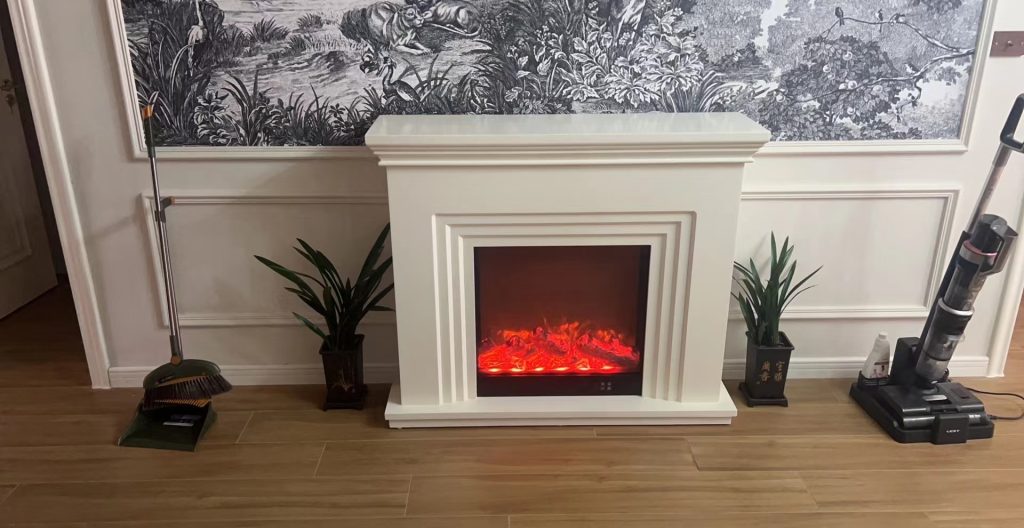
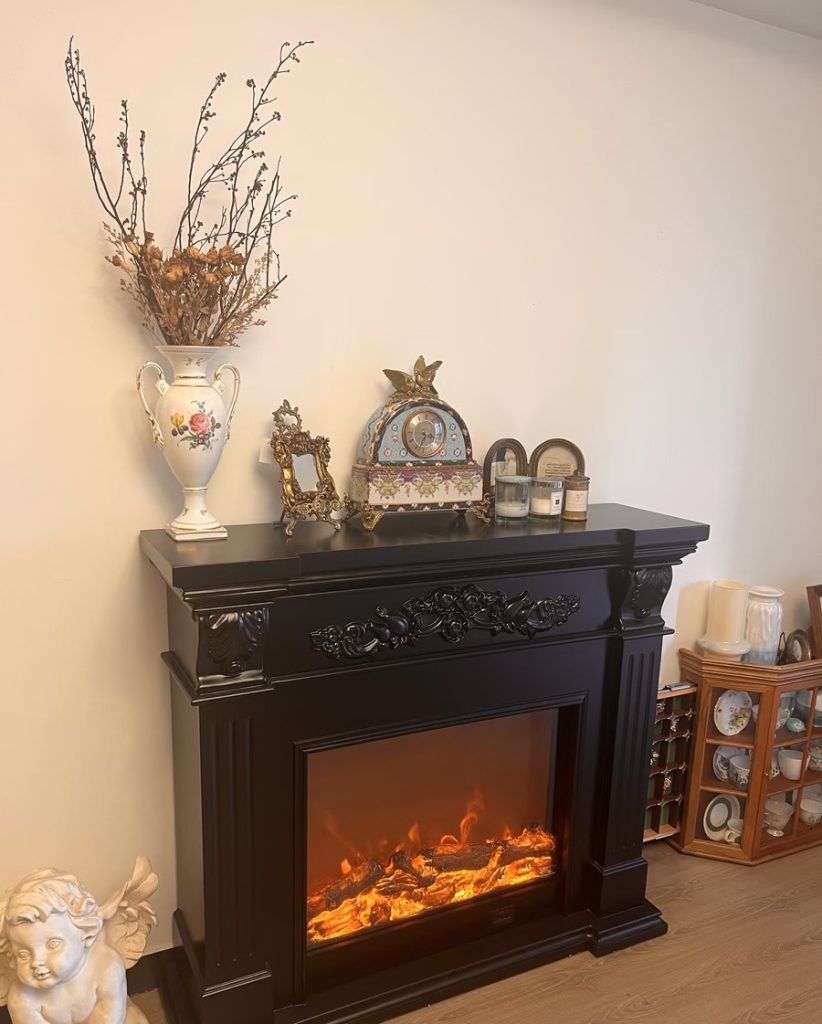
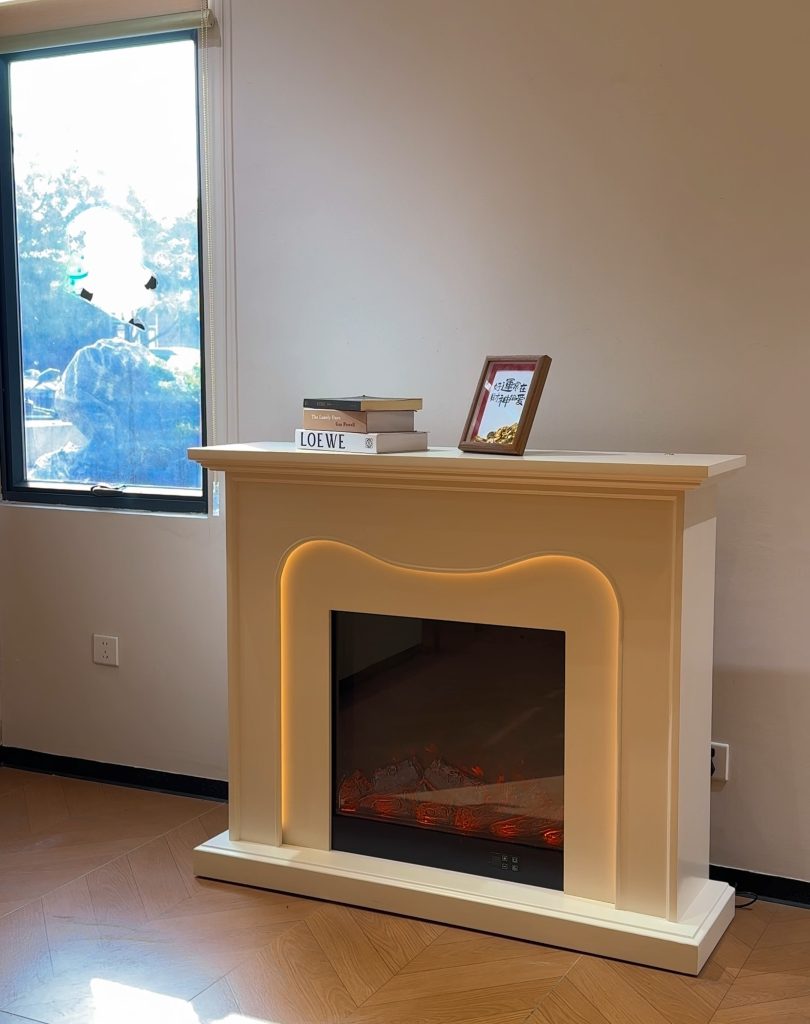
The global demand for electric fireplaces is experiencing unprecedented growth. Homeowners and commercial developers alike are shifting away from traditional wood-burning and gas units toward cleaner, safer, and more design-flexible electric alternatives. At the heart of this booming industry is China—the world’s largest manufacturing hub for electric fireplace technology.
If you are a retailer, distributor, or procurement manager considering expanding your heating and decor portfolio, importing directly from China offers massive potential. However, navigating international sourcing requires strategy. This guide outlines everything you need to know to import electric fireplaces from China successfully and safely.
Why Source Electric Fireplaces from China?
Before diving into the “how,” it is important to understand the “why.” China currently dominates the global electric fireplace supply chain for three primary reasons:
-
Supply Chain Integration: Manufacturing clusters in cities like Cixi (Zhejiang) and Foshan (Guangdong) host thousands of component suppliers. This means motors, LED lighting systems, glass panels, and heating elements are all sourced locally, drastically reducing production costs and lead times.
-
Rapid Technological Adoption: Gone are the days of unrealistic, flickering orange lights. Chinese R&D teams are now pioneering 3D holographic flames, water-vapor technology, and smart-home integration (Wi-Fi, Alexa, and Google Home compatibility) at a pace Western manufacturers struggle to match.
-
Competitive Pricing & Scalability: Due to economies of scale, Chinese factories can offer highly competitive pricing while maintaining the capacity to scale up production quickly to meet large wholesale orders.
Step 1: Define Your Product Specifications
Before reaching out to suppliers, clarify exactly what you want to sell. The electric fireplace market is highly segmented:
-
Installation Type: Linear recessed, wall-mounted, freestanding, or corner units.
-
Heating Capacity: Do your target customers need supplemental zone heating (typically 4,600–5,200 BTUs)?
-
Aesthetics: Flame media options (crystals, driftwood, pebbles) and trim finishes (matte black, stainless steel).
Having clear specifications will help suppliers provide accurate quotations and prevent costly miscommunications.
Step 2: Vetting Suppliers and Requesting Samples
Finding a factory is easy; finding a reliable partner is the challenge. You can identify suppliers via B2B platforms (Alibaba, Global Sources) or by attending trade fairs like the Canton Fair.
Once you have a shortlist, always request pre-production samples. Evaluate the sample for:
-
Flame Realism: Is the effect convincing both up close and from across the room?
-
Build Quality: Are the materials durable? Does the unit feel solid?
-
Heat Output: Does the heater operate quietly and effectively?
Step 3: Navigating Compliance and Certifications (Non-Negotiable)
This is the most critical step in the import process. If your products do not meet the safety standards of your destination country, they will be held at customs or, worse, expose you to legal liability.
-
For the North American Market: Ensure the units are certified to UL 127 or ANSI Z21.88 standards, or carry an ETL Mark. Electrical components must comply with FCC regulations.
-
For the European Market: Look for the CE Mark, along with LVD (Low Voltage Directive) and EMC (Electromagnetic Compatibility) compliance. RoHS certification is also essential to prove the product is free from hazardous substances.
Reputable Chinese exporters will readily provide test reports from third-party agencies like SGS, TÜV Rheinland, or Intertek.
Step 4: Negotiating Terms and Managing Production
Once you’ve selected a supplier, you will negotiate the Purchase Order (PO). Pay close attention to:
-
MOQ (Minimum Order Quantity): Standard MOQs usually range from 50 to 300 units, depending on the level of customization.
-
Payment Terms: Common terms include a 30% T/T deposit upfront, with the remaining 70% paid against the Bill of Lading (B/L) copy before shipment.
-
Production Timelines: Typically, sampling takes 7–15 days, while mass production requires 30–45 days.
We highly recommend hiring a third-party inspection company to conduct a Pre-Shipment Inspection (PSI). They will verify product quality, quantity, and functionality before the container leaves the factory.
Step 5: Logistics and Customs Clearance
Finally, arrange for shipping. Most importers use Sea Freight (FCL – Full Container Load) for cost efficiency. Your supplier or a freight forwarder will handle documentation, including the Commercial Invoice, Packing List, and Certificate of Origin.
Understanding Incoterms is vital here. Common terms include:
-
FOB (Free on Board): The supplier pays for transport to the Chinese port; you pay for the ocean freight and insurance.
-
DDP (Delivered Duty Paid): The supplier handles everything, including international shipping and customs duties, delivering the goods directly to your warehouse.


No reply content