
China Umbrella Customization Factory
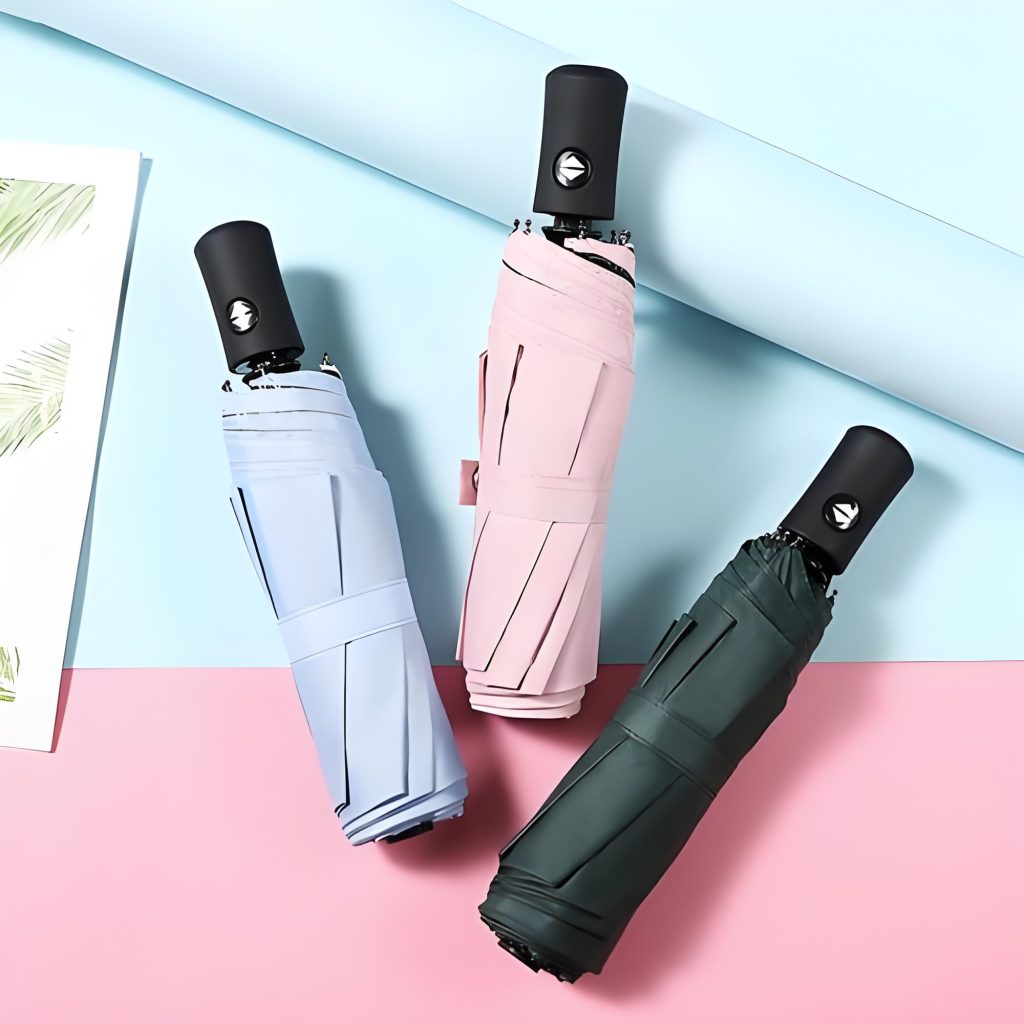
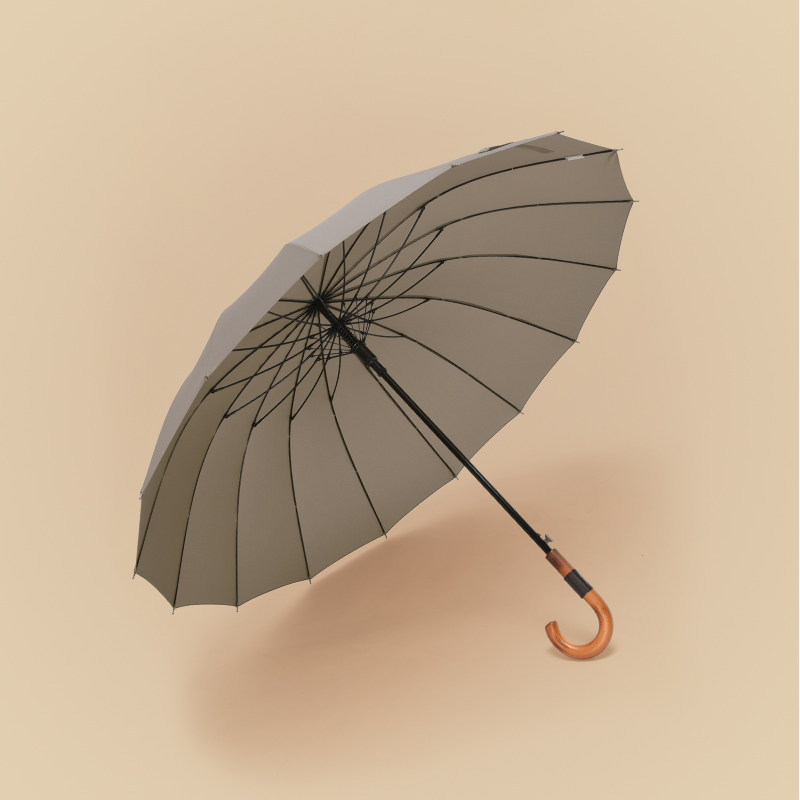
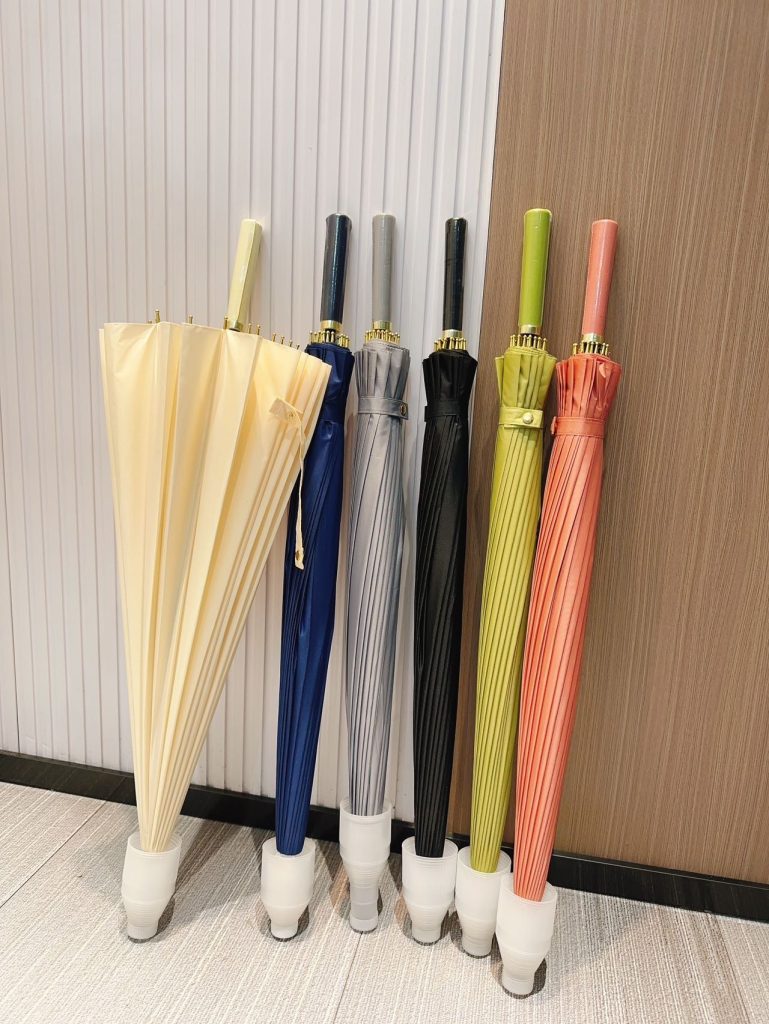

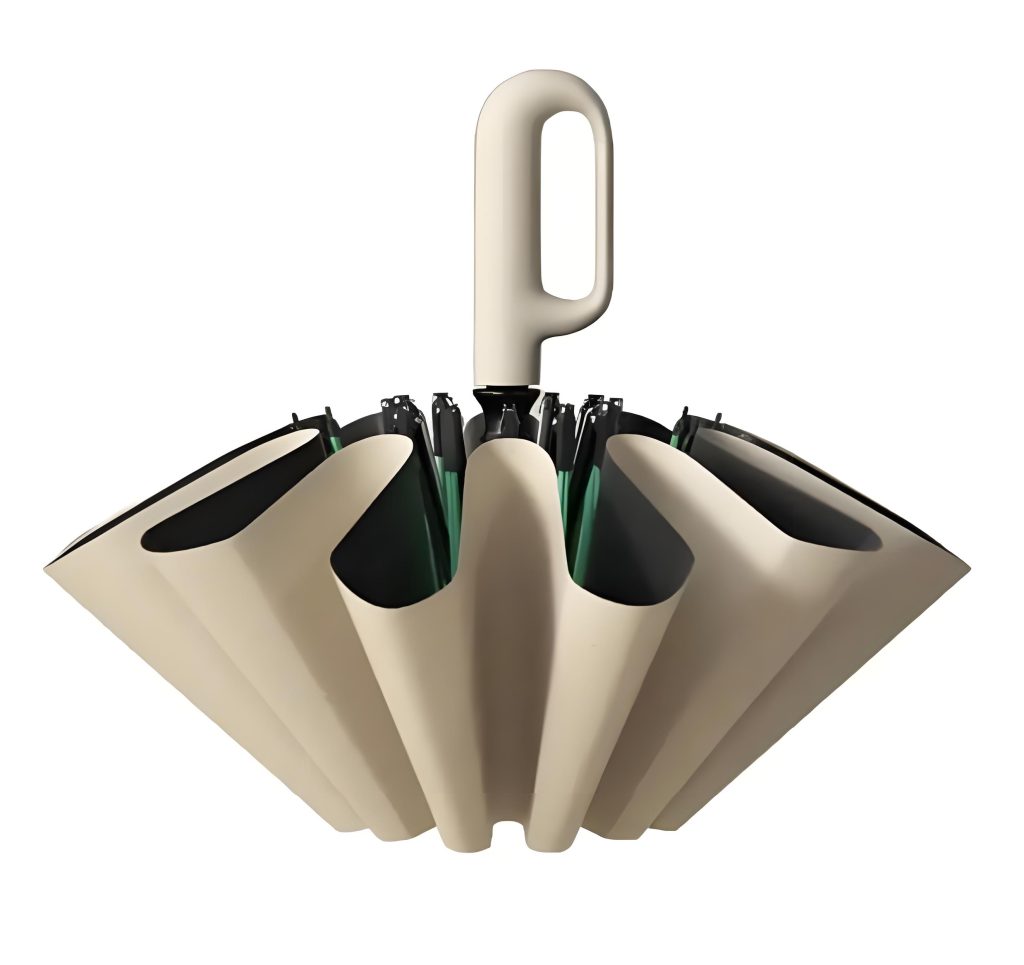
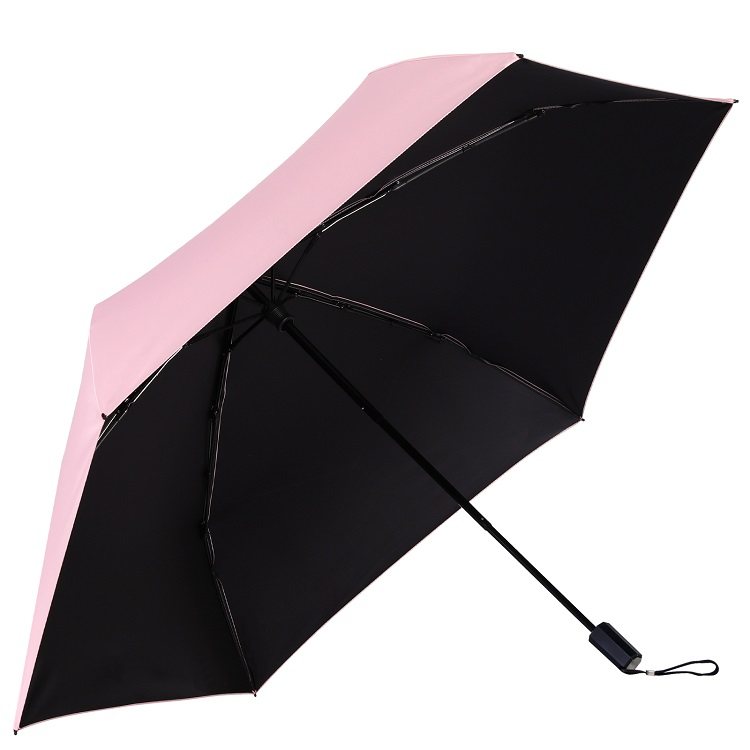
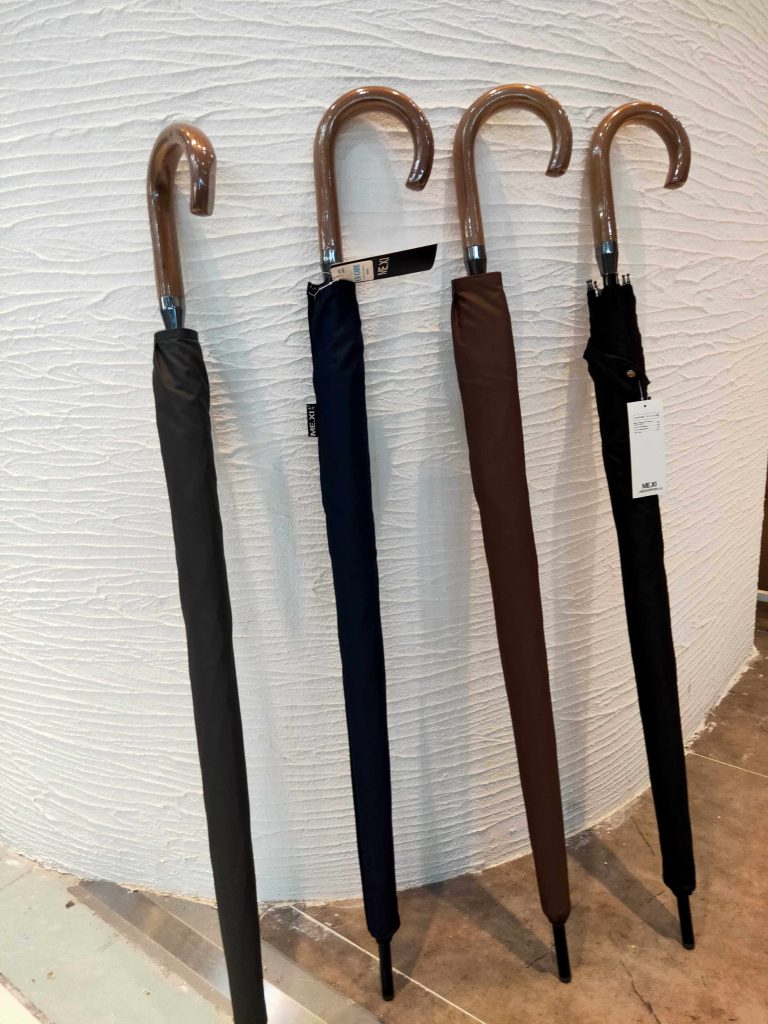
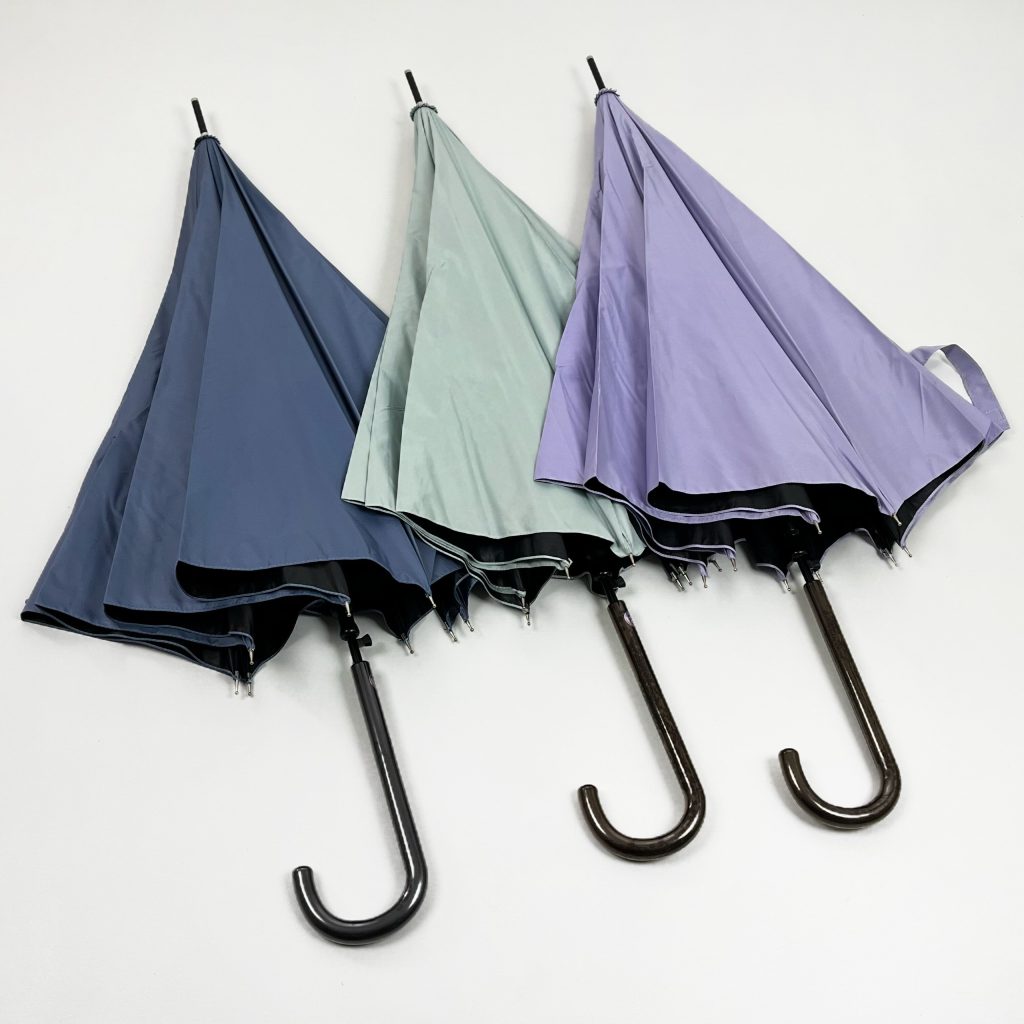
In an era of unpredictable climate patterns, a storm-proof umbrella isn’t just an accessory—it’s a necessity. Designed to withstand hurricane-force winds, torrential downpours, and relentless gusts, these engineering marvels combine advanced materials, aerodynamic design, and rigorous testing to redefine reliability. For manufacturers and consumers alike, understanding their technology is key to staying dry and safe.
Text Box: The Science Behind Storm-Proof Protection
“Storm-proof umbrellas utilize wind-tunnel-tested frameworks, reinforced joints, and hydrophobic coatings to combat extreme weather. Unlike standard models that invert at 25 mph winds, these designs endure 55+ mph gusts through aerodynamic curvature, fiberglass ribs, and auto-locking mechanisms—turning chaos into confidence.”
Chapter 1: Why Standard Umbrellas Fail in Storms
Most umbrellas are built for light rain and gentle breezes, leaving users vulnerable when weather turns hostile. Here’s why they collapse under pressure:
1.1 Structural Weaknesses
-
Flimsy Ribs: Aluminum or thin steel ribs bend easily in crosswinds, causing the canopy to invert.
-
Weak Joints: Plastic connectors snap under stress, separating the canopy from the shaft.
-
Unbalanced Canopy: Flat or poorly curved designs act like sails, catching wind instead of deflecting it.
1.2 Material Limitations
-
Non-Waterproof Fabrics: Cheap polyester absorbs water, becoming heavy and prone to tearing.
-
Poor Coatings: Lack of hydrophobic treatments leads to water pooling, increasing weight and reducing stability.
1.3 Design Flaws
-
No Wind Vents: Solid canopies trap air, creating upward pressure that flips the umbrella.
-
Short Shafts: Low-hanging handles catch wind like a sail, destabilizing the structure.
For users in regions prone to storms—from tropical monsoons to coastal gales—these failures aren’t just inconvenient; they’re dangerous. A collapsing umbrella can leave you exposed to lightning, hypothermia, or flying debris.
Chapter 2: Anatomy of a Storm-Proof Umbrella
Modern storm-proof umbrellas are marvels of engineering. Let’s break down their key components:
2.1 Aerodynamic Canopy Design
-
Vented Double Canopy: Upper and lower layers with strategic vents release trapped air, reducing lift. Example: The “Airflow” model uses 8 vents to cut wind resistance by 40%.
-
Curved Edges: Mimicking airplane wings, curved canopies redirect wind downward, preventing inversion.
-
Reinforced Seams: Heat-welded or double-stitched seams prevent tearing at stress points.
2.2 Advanced Frame Technology
-
Fiberglass Ribs: Flexible yet unbreakable, fiberglass bends in high winds and springs back into shape. Compared to steel, it’s 30% lighter and corrosion-resistant.
-
Auto-Lock Joints: Patented mechanisms (e.g., the “Titan-Lock” system) secure ribs to the shaft, even at 60° angles.
-
Shock-Absorbing Shaft: Telescopic shafts with rubberized segments absorb impact from sudden gusts.
2.3 Premium Materials
-
Canopy Fabric: 210T Pongee polyester with Teflon or silicone coating repels water and blocks 99% of UV rays.
-
Grip Handles: Ergonomic EVA foam or rubber handles with non-slip textures ensure a firm hold, even with wet hands.
-
Base Weighting: Some models include a magnetic or weighted base for added stability in open areas.
2.4 Smart Features
-
Wind Sensors: High-end models (e.g., “StormGuard Pro”) use gyroscopes to detect gusts and auto-close partially.
-
LED Lights: Integrated LEDs in the canopy rim improve visibility during heavy rain or fog.
-
Compact Folding: Despite their sturdiness, many storm umbrellas fold to 12–15 inches for portability.
Chapter 3: Testing Standards: How Storm-Proof Umbrellas Are Certified
Reputable manufacturers subject their products to rigorous testing to earn “storm-proof” claims. Key standards include:
3.1 Wind Resistance Testing
-
Controlled Wind Tunnels: Models are tested in labs with fans generating 55–70 mph winds (equivalent to a Category 1 hurricane).
-
Real-World Simulations: Field tests in coastal areas (e.g., Florida, Japan) expose umbrellas to natural gusts.
3.2 Waterproofing Tests
-
Hydrostatic Pressure: Fabrics are submerged to measure water penetration resistance (minimum 2,000mm rating).
-
Rain Simulation: Sprinkler systems mimic heavy downpours (4 inches/hour) to check for leaks.
3.3 Durability Assessments
-
Cycle Testing: Opening/closing the umbrella 10,000 times simulates 5 years of daily use.
-
Impact Resistance: Dropping the closed umbrella from 6 feet onto concrete checks for frame damage.
Brands like Blunt Umbrellas (New Zealand) and Totes (USA) publish these test results, building trust with consumers.
Chapter 4: Top Storm-Proof Umbrella Models for 2024
Here are three leading models, each excelling in different scenarios:
4.1 Blunt Metro X Storm
-
Best For: Urban commuters
-
Features: 43-inch vented canopy, fiberglass ribs, 55 mph wind resistance, 12-inch folded length.
-
Price: $89
-
Why It Stands Out: The patented “Blunt Tip” distributes force evenly, preventing point failure.
4.2 Repel Windproof Travel Umbrella
-
Best For: Travelers
-
Features: 55-inch double canopy, automatic open/close, lightweight aluminum shaft, 60 mph rating.
-
Price: $39.99
-
Why It Stands Out: Includes a travel sleeve and weighs just 1.1 lbs.
4.3 GustBuster Classic
-
Best For: Outdoor enthusiasts
-
Features: 62-inch golf-sized canopy, foam handle, 70 mph wind resistance, UV protection.
-
Price: $74.95
-
Why It Stands Out: Used by golfers and hikers for its oversized coverage.
Chapter 5: Manufacturing Challenges and Innovations
Producing storm-proof umbrellas involves overcoming unique hurdles:
5.1 Balancing Strength and Weight
Fiberglass is stronger than steel but harder to mold. Manufacturers use computer-aided design (CAD) to optimize rib shapes for flexibility without bulk.
5.2 Cost vs. Quality
High-end materials (e.g., carbon fiber ribs) increase costs. Brands like Senz° (Netherlands) use modular designs to offer affordable entry-level models.
5.3 Sustainability Pressures
Eco-conscious brands now use recycled plastics for handles and biodegradable coatings. For example, Davek (USA) offers a lifetime warranty to reduce waste.
5.4 Emerging Technologies
-
Self-Healing Fabrics: Microcapsules in the canopy release sealant to repair small tears.
-
Solar-Powered LEDs: Panels in the canopy charge lights for nighttime use.
Chapter 6: Consumer Tips: Choosing the Right Storm-Proof Umbrella
With dozens of options available, here’s how to pick the best model:
6.1 Assess Your Needs
-
Urban Use: Prioritize compact size (12–15 inches) and wind resistance (50+ mph).
-
Outdoor Activities: Choose oversized canopies (55+ inches) with UV protection.
-
Travel: Look for lightweight models (<1.5 lbs) with auto-open features.
6.2 Check Certifications
Look for wind resistance ratings (e.g., “Tested to 55 mph”) and waterproof certifications (e.g., ISO 811).
6.3 Inspect Build Quality
-
Bend the ribs gently—they should flex, not crack.
-
Check joint tightness by opening/closing the umbrella 5–10 times.
-
Look for double-stitched seams and reinforced tips.
6.4 Read User Reviews
Focus on feedback about long-term durability, especially in high-wind areas.
Chapter 7: The Future of Storm-Proof Umbrellas
As climate change intensifies storms, demand for advanced protection will grow. Upcoming innovations include:
-
AI-Powered Wind Prediction: Apps that alert users to incoming gusts and suggest optimal holding techniques.
-
Modular Umbrellas: Interchangeable canopies for rain, sun, or snow.
-
Biodegradable Frames: Plant-based polymers that decompose in landfills.
Manufacturers are also exploring partnerships with meteorologists to develop region-specific models (e.g., typhoon-resistant designs for Southeast Asia).
Conclusion: More Than Just a Umbrella
A storm-proof umbrella is a fusion of science, design, and resilience. For manufacturers, investing in R&D and quality control isn’t just a business strategy—it’s a commitment to user safety. For consumers, choosing the right model means turning stormy days from a hassle into a manageable challenge. As weather patterns grow more erratic, these engineering marvels will remain essential tools for staying dry, safe, and confident.
Whether you’re a city dweller braving a commute or an adventurer facing mountain gales, a storm-proof umbrella is your ultimate defense against the elements.
⭐ User Reviews
-
@EmmaW_London (🇬🇧 United Kingdom)“Survived a 50 mph storm in London with this umbrella! The auto-lock held strong, and the vented canopy kept me dry. Best investment I’ve made this year. ⭐⭐⭐⭐⭐”
-
@CarlosM_Miami (🇺🇸 United States)“As a Floridian, I’ve been through countless hurricanes. This GustBuster model is the only one that didn’t flip during Irma. The 70 mph rating is no joke! ⭐⭐⭐⭐⭐”
-
@HiroshiT_Tokyo (🇯🇵 Japan)“Typhoon season in Tokyo demands reliability. The Blunt Metro X survived 3 typhoons last year—still looks brand new. Fiberglass ribs are unbreakable! ⭐⭐⭐⭐⭐”
-
@SophieL_Paris (🇫🇷 France)“Compact, stylish, and indestructible. Took it to a music festival in the rain—stood out as the only dry person. The Repel Travel Umbrella is a game-changer. ⭐⭐⭐⭐⭐”
-
@RajP_Mumbai (🇮🇳 India)“Monsoon season in Mumbai is brutal. This umbrella’s double canopy kept me dry even in heavy downpours. The grip handle never slipped, even with wet hands. ⭐⭐⭐⭐⭐”
-
@AnnaK_Berlin (🇩🇪 Germany)“German winters mean wind and rain. The Senz° model’s curved edges deflected snowflakes and gusts effortlessly. Lifetime warranty gives peace of mind. ⭐⭐⭐⭐⭐”
-
@DiegoR_BuenosAires (🇦🇷 Argentina)“Patagonia hikes require tough gear. This umbrella’s 62-inch canopy doubled as a shelter from sideways rain. The fiberglass ribs didn’t bend once. ⭐⭐⭐⭐⭐”
-
@LinaN_Stockholm (🇸🇪 Sweden)“Nordic winds are no match for the Davek Elite. The self-healing fabric patched a small tear from a branch. Customer service even replaced it for free! ⭐⭐⭐⭐⭐”
-
@AhmedS_Dubai (🇦🇪 UAE)“Unexpected sandstorms in Dubai—this umbrella’s UV protection and wind resistance were lifesavers. The solar-powered LED lit up my path at night. ⭐⭐⭐⭐⭐”
-
@ChloeB_Sydney (🇦🇺 Australia)“East Coast lows in Sydney? Bring it on. The Totes Windproof Umbrella’s 60 mph rating held up during a severe storm. Lightweight and easy to pack. ⭐⭐⭐⭐⭐”


No reply content