
China Custom Furniture Factory
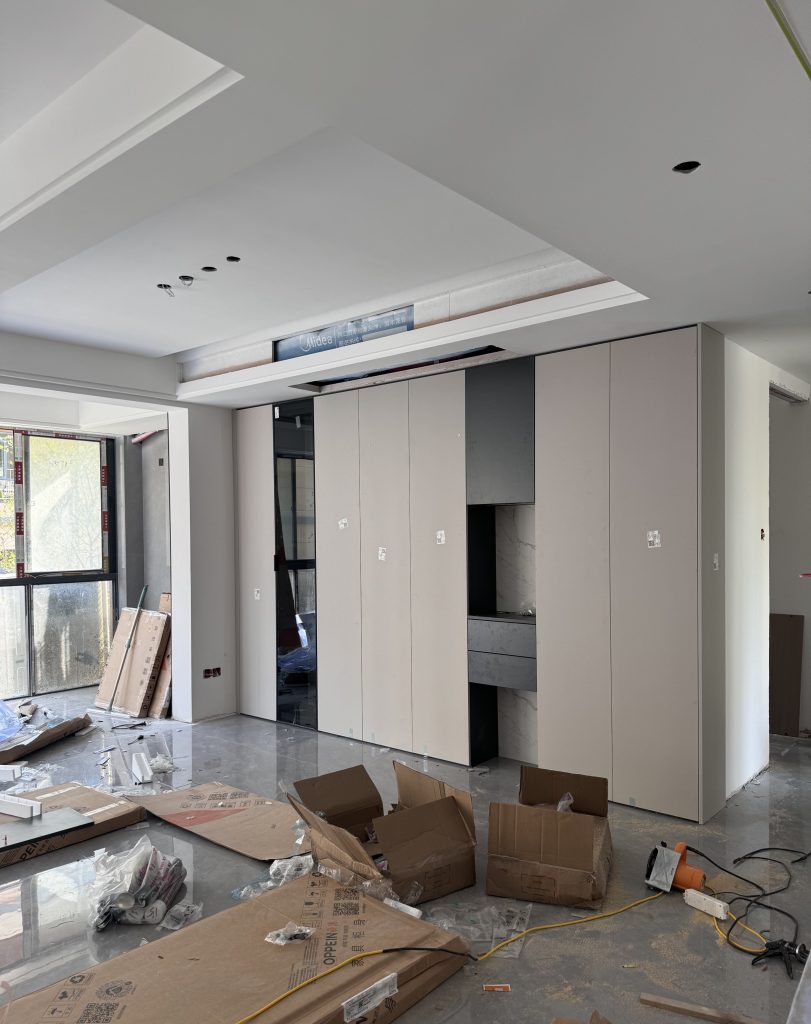
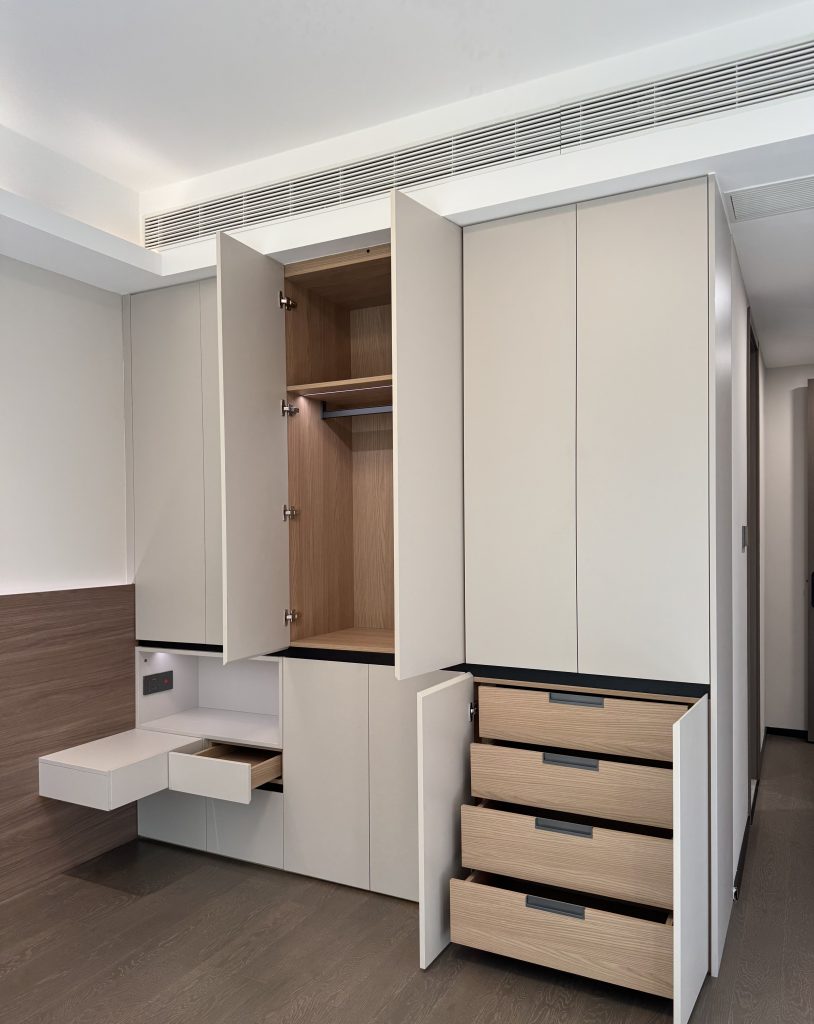
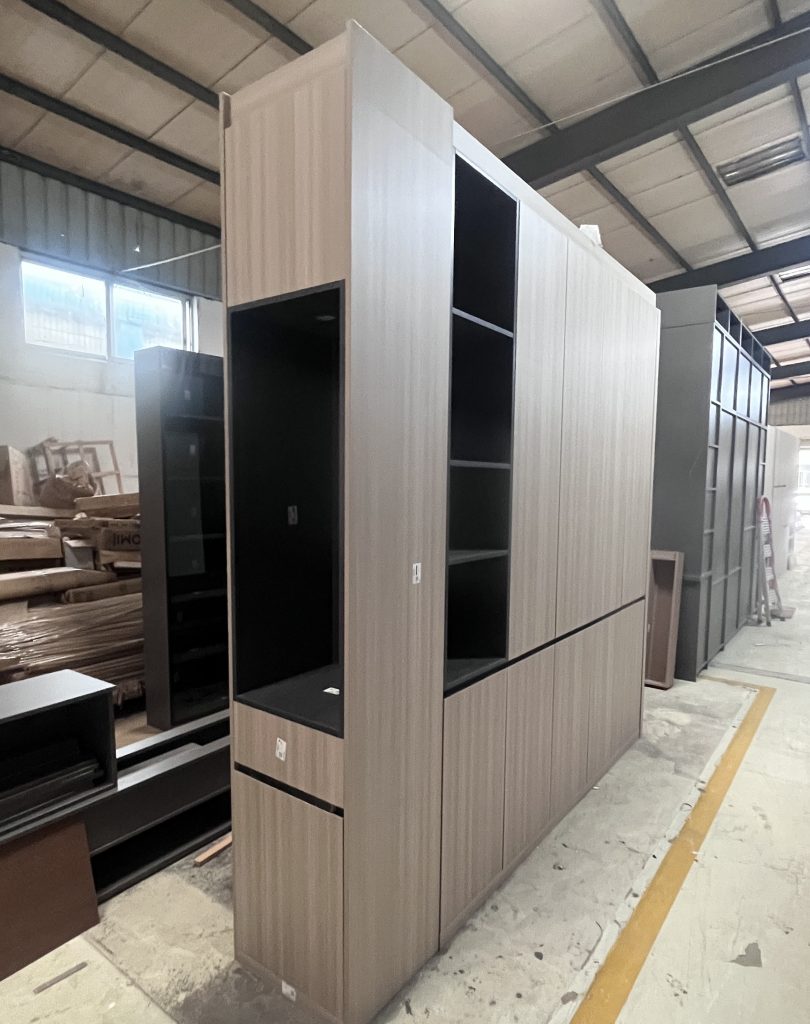
Choosing a home cabinet supplier is one of the most significant decisions in any residential renovation or development project. Cabinets are not just storage solutions; they define the aesthetic, functionality, and resale value of a home. With so many options ranging from mass-market manufacturers to bespoke artisans, how do you find a partner who delivers quality without compromising your budget or timeline?
Below, we answer the most critical questions professionals and homeowners ask when vetting potential cabinetry partners.
Q1: What is the difference between a stock, semi-custom, and fully custom cabinet supplier?
Understanding the manufacturing tier is the first step in aligning with your project goals.
-
Stock Suppliers: These providers offer pre-manufactured sizes and limited styles. They are the most affordable and fastest to deliver, but offer zero flexibility in dimensions or unique design features.
-
Semi-Custom Suppliers: These are often the “sweet spot” for many renovations. They offer standard cabinet sizes but allow modifications—such as extended stiles, specialized drawer boxes, or specific finish colors.
-
Fully Custom Suppliers: These manufacturers build cabinets from scratch based on your exact specifications. If you have angled walls, specific height requirements, or unique architectural details, a custom supplier is necessary. They offer the highest quality materials but come with a longer lead time and higher price point.
Q2: Which materials indicate a high-quality cabinet supplier?
The longevity of a cabinet depends heavily on the core materials used.
-
Plywood vs. Particleboard: High-end suppliers typically use furniture-grade plywood for cabinet boxes because it holds screws better and resists moisture. Budget suppliers often use particleboard (MDF), which can swell if exposed to water leaks.
-
Solid Wood Construction: For doors and face frames, solid hardwood (like maple, oak, or cherry) is the gold standard. Be wary of suppliers using “thermofoil” or laminates over inferior substrates if durability is your priority.
-
Hardware: A professional supplier will disclose the brands of hinges and slides they use. Look for names like Blum, Hettich, or Grass, which offer soft-close mechanisms and lifetime warranties.
Q3: How important are certifications when selecting a supplier?
Certifications are crucial for both environmental responsibility and indoor air quality.
-
CARB2 / EPA TSCA Title VI Compliance: This ensures that the composite wood products (like plywood or MDF) used in the cabinets meet strict formaldehyde emission standards. This is non-negotiable for modern homes.
-
FSC Certification: If sustainability is a priority, look for the Forest Stewardship Council (FSC) logo, which proves the wood was sourced from responsibly managed forests.
-
KKFA Certification: In some regions, this indicates that the cabinets have been tested for structural integrity and finish durability.
Q4: What should I ask about the finishing process?
The finish is what you see every day, and it protects the wood underneath.
-
Multi-Step Finishing: Ask if the supplier uses a multi-step process (sanding, sealing, staining, and top-coating). A cheap supplier might skip the sealer coat, leading to blotchy finishes later.
-
Baked-On Finishes: Industrial suppliers often use UV-cured or baked-on lacquers which are far more durable than air-dried finishes, resisting chips and scratches better in high-traffic kitchens.
Q5: How do I evaluate a supplier’s logistics and lead times?
Timeliness can make or break a construction schedule.
-
Lead Time Transparency: A reliable supplier will give you a realistic production window (e.g., 6–8 weeks) and stick to it. Be cautious of suppliers who promise “too good to be true” turnaround times.
-
Packaging Standards: Cabinets are heavy and prone to transit damage. Ask about their packaging protocols. Do they use reinforced corners and foam padding? A supplier who invests in packaging cares about the product arriving intact.
Q6: What does “White Glove” service entail?
Installation support varies wildly.
-
Design Support: Does the supplier employ in-house designers to help with measurements and 3D renderings?
-
Warranty Claims: How easy is it to get a replacement door or drawer front if it arrives damaged? Top-tier suppliers maintain a “replacement inventory” specifically for warranty claims, ensuring you don’t have to wait months for a new batch.


No reply content