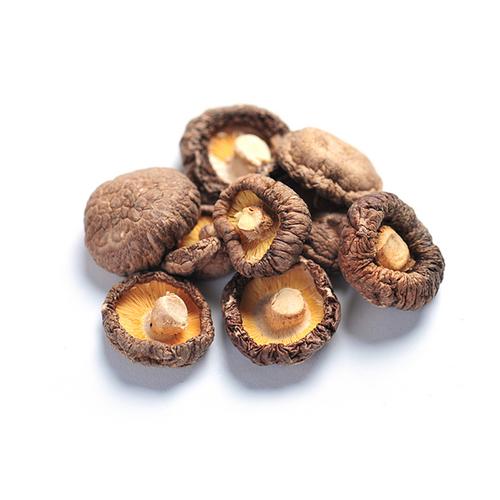
China agricultural product suppliers

The Unsung Backbone of Global Cuisines: The World of China’s Garlic Suppliers
🌍 The Global Giant: An Agricultural Powerhouse
In the vast tapestry of global agriculture, few commodities tell a story of scale, tradition, and market dominance as compelling as garlic from China. Accounting for over 75% of the world’s supply, China’s position is not merely a statistic; it is the result of a deeply integrated ecosystem where ancient farming knowledge converges with modern supply chain logistics. Chinese garlic suppliers are far more than just exporters of a raw bulb; they are the central node in a complex network that feeds food processors, wholesalers, and retailers across every continent. This industry, centered in iconic regions like Jinxiang in Shandong (often called the “Garlic Capital”), Yunnan, and Henan, has evolved from localized farming into a sophisticated, technology-aware sector that sets the global standard for volume, variety, and increasingly, for quality and reliability.
The foundation of this dominance is a perfect synergy of nature and nurture. The fertile alluvial plains, distinct seasonal shifts, and ideal climatic conditions in core regions create the perfect terroir for cultivating garlic with robust flavor, high allicin content (the compound responsible for its health benefits and pungency), and excellent storage properties. For generations, farming families have perfected cultivation techniques, passing down knowledge of planting cycles, soil health, and irrigation. Today, this deep-rooted agricultural heritage is supported by a vast and efficient industrial framework, making Chinese suppliers the indispensable partners for global food security and flavor.
🌱 From Local Plots to Global Plates: The Supply Chain Engine
The journey of a garlic bulb from a Chinese field to a supermarket shelf overseas is a marvel of logistical coordination, managed seamlessly by experienced suppliers. This engine consists of several critical gears:
-
The Agricultural Base: It begins with millions of smallholder farmers and large-scale cooperative farms. Suppliers often work closely with these growers through contract farming or cooperative models, providing high-yield seed varieties, technical guidance on organic or Good Agricultural Practices (GAP), and guaranteeing purchase. This ensures consistency and quality at the very source.
-
Consolidation & Primary Processing: After harvest, garlic is transported to local collection centers and large-scale processing facilities. Here, the first steps of cleaning, drying, and sorting occur. Modern facilities use air classifiers, optical sorters, and conveyor belts to separate bulbs by size, remove debris, and eliminate defective cloves with minimal manual handling. This stage is crucial for standardizing the raw product.
-
Value-Added Processing: This is where suppliers differentiate themselves. Beyond raw bulbs, the industry offers a vast array of value-added products to meet global demand. Processing lines are dedicated to:
-
Peeled Garlic: Fresh, vacuum-packed cloves.
-
Sliced, Minced, and Chopped Garlic: For the food service industry.
-
Garlic Powder and Granules: Dehydrated and ground for seasoning blends.
-
Black Garlic: Fermented through controlled processes for a sweet, umami flavor.
-
Garlic Oil and Extracts: For the health supplement and pharmaceutical industries.
-
-
Quality Control & Certification: Reputable suppliers operate in-house laboratories to test for moisture content, allicin levels, pesticide residues, and microbial contamination. They actively pursue international certifications (like BRC, IFS, ISO, HACCP, and organic certifications for specific markets) to meet the stringent requirements of Western and Japanese importers, building essential trust.
-
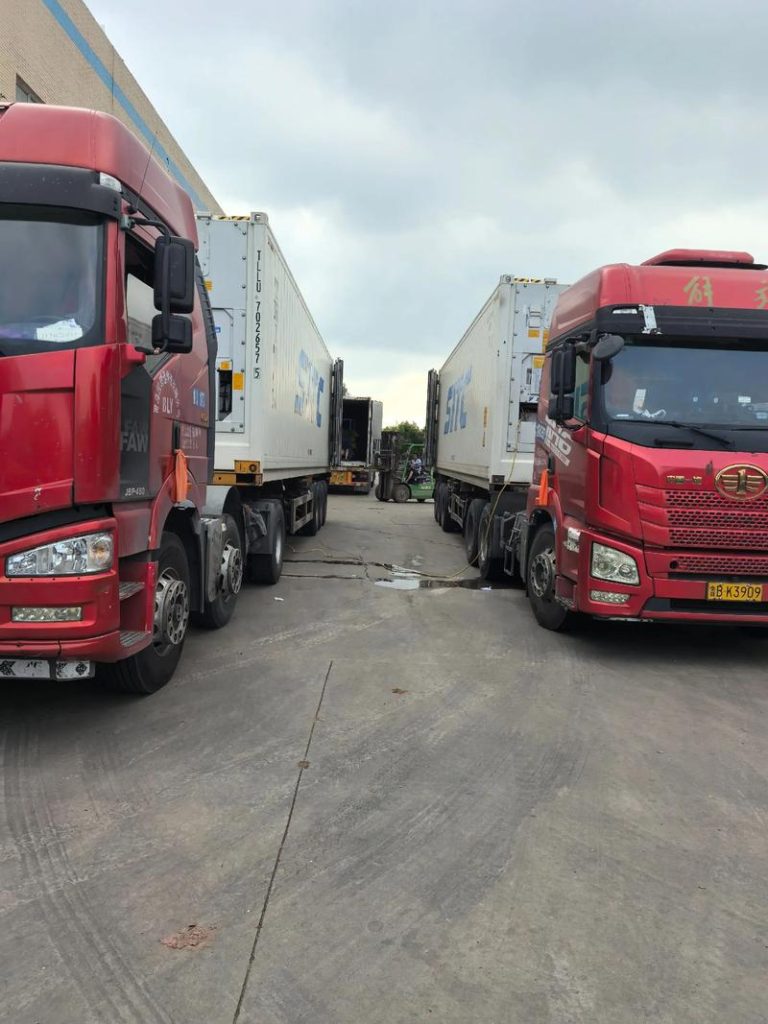
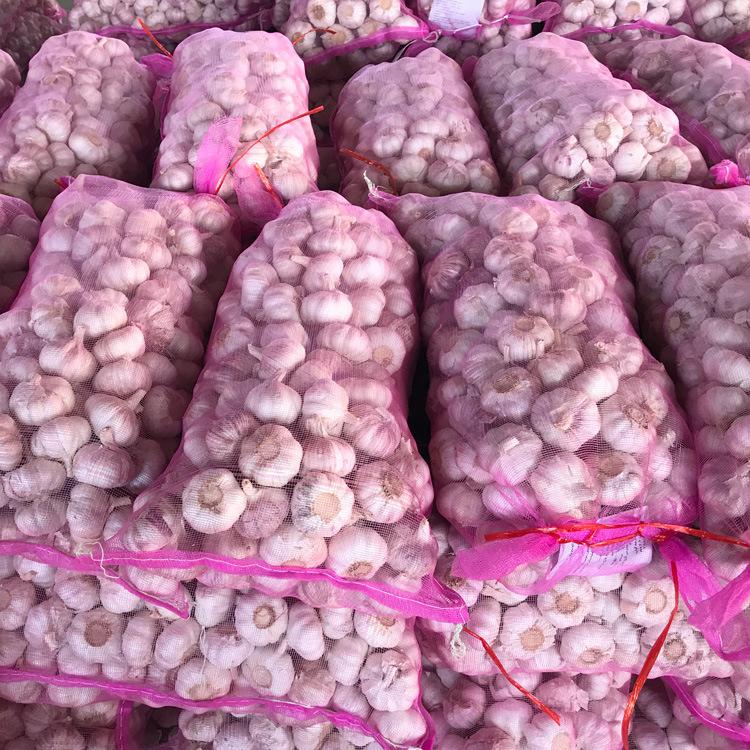
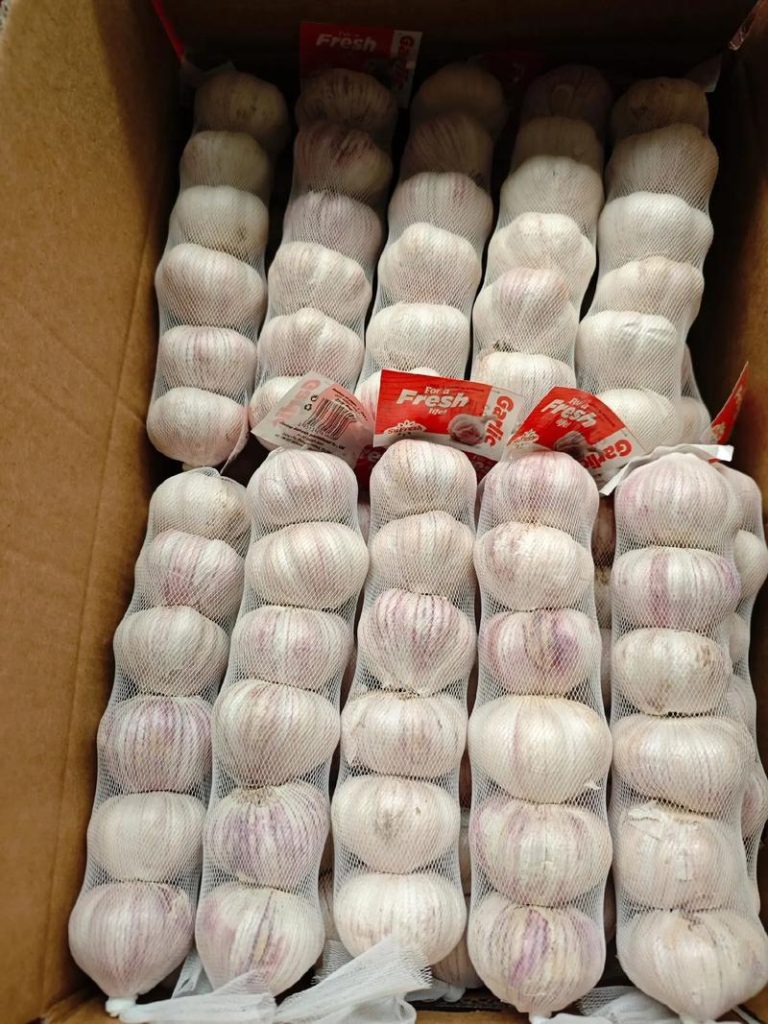
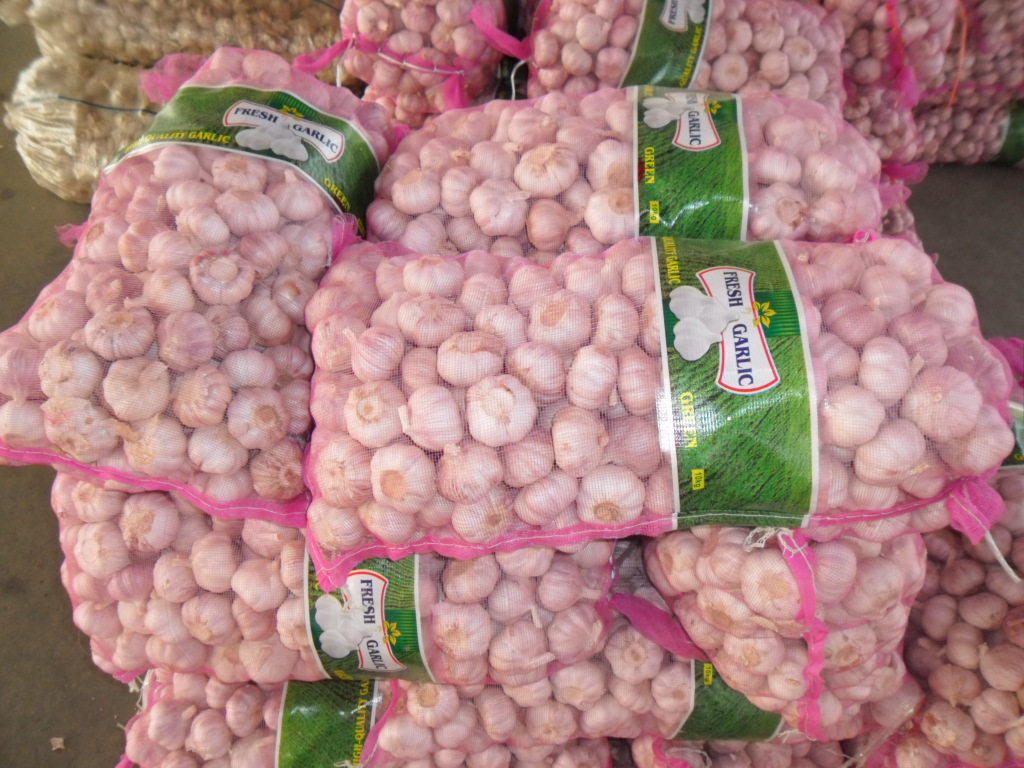
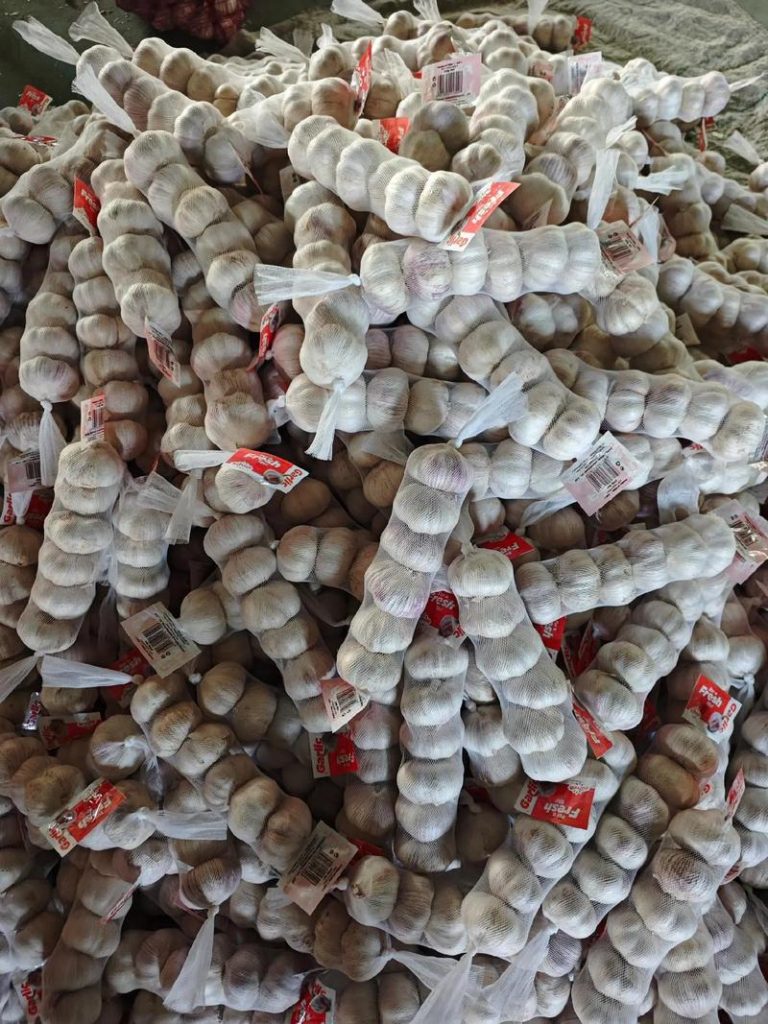
Packaging and Logistics: Garlic is packaged for its destination: mesh bags for wholesale, consumer-ready retail boxes, or sterile bulk bags for industrial users. Suppliers manage cold chain logistics for fresh garlic and coordinate complex shipping schedules to ensure timely delivery, navigating international trade regulations with expertise.
⚙️ The Competitive Edge: Scale, Diversity, and Adaptability
The strength of China’s garlic suppliers lies in a multifaceted value proposition that is difficult for competitors to match.
-
Unmatched Scale and Consistency: The sheer volume of production allows suppliers to fulfill enormous, consistent orders year-round, stabilized by sophisticated storage in temperature-controlled warehouses that can hold millions of tons, smoothing out seasonal supply fluctuations.
-
Product Diversity: A buyer can source virtually any garlic form. From the prized, juicy white bulbs of Jinxiang to the purple-streaked, potent varieties from Yunnan, and every processed derivative in between, Chinese suppliers act as a one-stop shop. This allows global clients to streamline their sourcing.
-
Supply Chain Control and Flexibility: Leading suppliers have vertically integrated operations, overseeing or directly managing stages from seed selection to final shipping. This control enhances quality oversight, reduces costs, and provides the flexibility to react swiftly to changing market demands or specific client requests.
-
Cost-Effectiveness: The efficient, large-scale farming model, coupled with a mature and competitive processing infrastructure, results in a highly cost-effective product without necessarily compromising on quality, offering exceptional value to global markets.
🔬 Innovation and Sustainability: Sowing Seeds for the Future
The industry is not resting on its laurels. Forward-thinking suppliers are investing in key areas to ensure long-term viability and meet evolving consumer expectations.
-
Agricultural Technology: Precision farming techniques, including soil sensors and data analytics, are being adopted to optimize water and fertilizer use, increase yields, and enhance traceability. Research into disease-resistant seed varieties is ongoing to ensure crop health.
-
Waste Reduction and By-Product Innovation: The industry is tackling sustainability by finding uses for by-products. Garlic peel and stems are researched for use in animal feed, organic fertilizer, or even bioactive compound extraction, moving towards a circular economy model.
-
Food Safety as a Priority: Investment in state-of-the-art testing equipment and blockchain-based traceability systems is increasing. This allows a retailer or consumer to scan a code and trace a clove of garlic back to the specific field and harvest batch, a powerful tool for building transparency and trust.
-
Brand Building and Direct Engagement: While historically a bulk commodity business, there is a growing movement among suppliers to develop their own branded products for export, telling the story of their region’s superior quality and heritage directly to the end consumer.
📈 Navigating Challenges and Future Trends
The path forward involves navigating challenges such as international trade policies, fluctuations in freight costs, and the need for continuous adherence to evolving global food safety standards. Furthermore, climate change presents a long-term consideration for agricultural planning.
The successful suppliers of the future will be those who deepen their commitment to sustainable farming, fully digitize their supply chains for ultimate transparency, and continue to innovate in value-added products that cater to health and wellness trends. The relationship is evolving from a transactional buyer-seller dynamic to a strategic partnership where Chinese suppliers act as expert advisors and reliable extensions of their clients’ supply chains.
💎 Conclusion: More Than a Commodity
China’s garlic suppliers represent a remarkable synergy of agricultural tradition, industrial scale, and market adaptability. They are custodians of a flavor that is fundamental to culinary traditions worldwide. By mastering the entire chain—from cultivating the perfect bulb in native soil to delivering a precisely processed ingredient to a factory on another continent—they have become the steady, indispensable pillar of the global food industry. Their story is one of resilience, innovation, and an unwavering focus on meeting the world’s demand for this essential, potent, and beloved ingredient. As the global palate continues to evolve, China’s garlic suppliers are poised not just to supply, but to lead and shape the future of this ancient yet ever-modern commodity.


No reply content