
Dongguan PremiumGift BoxPackaging


The jingle of holiday music fills the air, but a new rhythm is emerging in homes worldwide—the gentle rustle of fabric as families reach for reusable gift bags instead of reaching for scissors and tape. The reusable Christmas gift bag set, once a niche concept, has become a cultural phenomenon reshaping how we approach one of the most wasteful times of the year. This exploration delves into the evolution, psychology, and global impact of this simple yet transformative innovation, revealing how 50+ festive patterns are making zero-waste holiday wrapping not just possible, but desirable.
I. The Problem: A Season of Excess
A. The Hidden Cost of Paper
Every December, households generate 25% more waste than any other month, with gift wrap accounting for nearly 4 million tons of trash annually in the U.S. alone. Most commercial wrapping paper contains non-recyclable elements like metallic foils, glitter, and plastic coatings. The average American family uses 15-20 feet of wrapping paper per person during the holidays—enough to encircle the Eiffel Tower twice.
B. The Time Crunch
Modern life has eroded the leisurely art of gift wrapping. A 2025 survey revealed that 68% of respondents find holiday wrapping stressful, citing time constraints, messy adhesives, and the annual search for tape and scissors. The pressure to create “Instagram-worthy” presentations adds another layer of anxiety.
C. The Disposability Dilemma
Gifts are meant to be cherished, yet their packaging is often treated as single-use ephemera. The cycle of ripping, discarding, and regretting feels increasingly dissonant with growing environmental awareness.
II. The Solution: Birth of a Movement
A. Early Adopters and Innovators
The concept emerged from Scandinavian minimalist movements in the early 2010s, where “hygge” (coziness) met sustainability. Initial designs were simple canvas totes with basic holiday motifs. The breakthrough came with the introduction of:
-
Reinforced Handles: Sturdy cotton webbing replaced flimsy ribbons
-
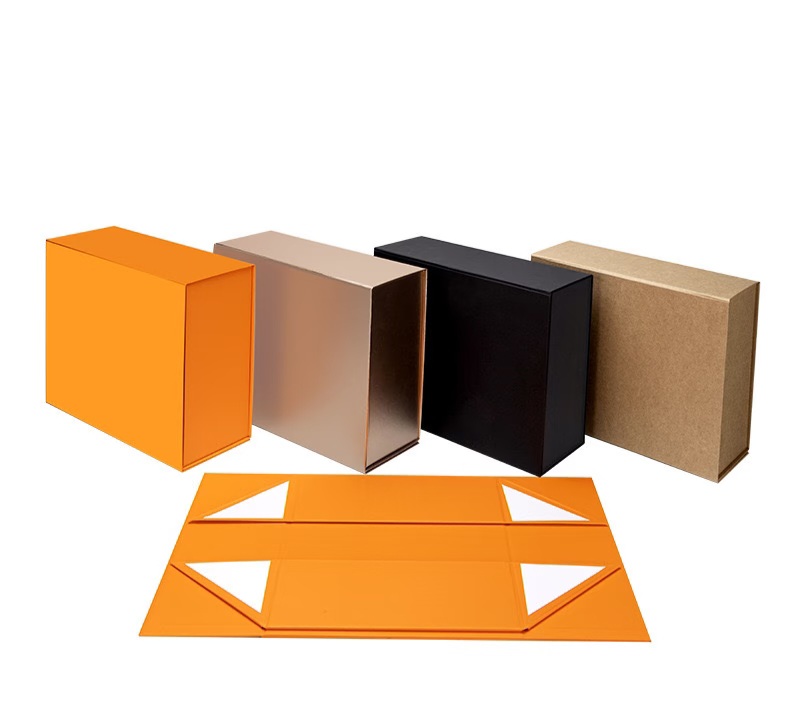
Magnetic Closures: Eliminating the need for tape
-
Expandable Bottoms: Accommodating oddly shaped gifts
B. The 50-Pattern Phenomenon
The magic number proved to be variety. Sets featuring 50+ distinct designs address diverse tastes and occasions:
-
Cultural Celebrations: Diwali-inspired rangoli patterns, Lunar New Year dragons, Kwanzaa colors
-
Regional Preferences: Nordic snowflakes for Scandinavia, cacti motifs for Southwest U.S., cherry blossoms for Japan
-
Thematic Collections: “Winter Wonderland,” “Santa’s Workshop,” “Nutcracker Suite”
Design Insight: Successful patterns balance familiarity with novelty—classic red-and-green plaid sits alongside contemporary geometric interpretations of candy canes.
III. Psychological Impact: Changing Rituals, Deepening Connections
A. The Gift-Giving Experience
Unwrapping becomes a deliberate ritual rather than destructive tearing:
-
Preservation Instinct: Recipients hesitate to damage beautiful bags, sometimes saving them for reuse
-
Interactive Element: Children enjoy “discovering” gifts hidden beneath decorative flaps
-
Emotional Resonance: Personalized bags become part of the gift memory
B. Family Dynamics
Sets facilitate inclusive participation:
-
Kids’ Craft Corner: Younger members decorate plain bags with fabric markers
-
Grandparent Wisdom: Elders share stories behind vintage-inspired patterns
-
Couples’ Collaboration: Partners coordinate color schemes across gift exchanges
C. Mindful Consumption
The reusable nature encourages intentional purchasing:
-
Buy fewer, better-quality gifts
-
Focus on experiential presents (concert tickets, workshop vouchers)
-
Include handwritten notes explaining the eco-philosophy
IV. Design Innovation: Engineering Joy
A. Material Science
Modern sets utilize advanced textiles:
-
Organic Cotton: GOTS-certified fabrics grown without pesticides
-
Water-Resistant Coatings: Protecting contents from winter weather
-
Antimicrobial Treatments: Preventing mildew during storage
B. Structural Breakthroughs
Engineers have solved common frustrations:
-
Self-Healing Seams: Reinforced stitching prevents accidental tears
-
Adjustable Straps: Converting bags from handheld to shoulder-carry mode
-
Nested Storage: Compression sleeves allow compact off-season storage
C. Visual Storytelling
Patterns convey narratives:
-
Historical Scenes: Victorian Christmas markets, pioneer log cabins
-
Literary References: Illustrations from “A Christmas Carol,” “The Nutcracker”
-
Scientific Whimsy: Periodic table ornaments, constellations guiding wise men
V. Environmental Impact: Measuring Success
A. Waste Reduction Metrics
Lifecycle analyses demonstrate significant benefits:
-
Each reusable bag replaces approximately 15 rolls of disposable wrap over its lifespan
-
Production requires 70% less energy than manufacturing equivalent paper products
-
End-of-life options include composting or textile recycling programs
B. Carbon Footprint Comparison
Transportation efficiency enhances eco-credentials:
-
Flat-packed sets ship 85% more efficiently than bulky rolls of wrapping paper
-
Local production hubs minimize international freight emissions
C. Behavioral Change Indicators
Surveys reveal cascading effects:
-
62% of users report adopting other reusable habits (produce bags, coffee cups)
-
41% initiate conversations about sustainability during gift exchanges
VI. Cultural Adaptation: Global Appeal
A. Religious Syncretism
Sets accommodate diverse celebrations:
-
Hanukkah: Blue-and-white patterns with menorah illustrations
-
Eid: Crescent moons combined with paisley motifs
-
Diwali: Marigold garlands digitally printed onto fabric
B. Regional Customization
Local artisans reinterpret designs:
-
Mexican markets feature Day of the Dead sugar skull variations
-
Australian versions incorporate native flora like eucalyptus leaves
-
German producers add intricate filigree patterns inspired by Black Forest crafts
C. Language Accessibility
Multilingual greetings expand usability:
-
French “Joyeux Noël,” Spanish “Feliz Navidad,” Mandarin “圣诞快乐”
-
Braille inscriptions for visually impaired recipients
VII. Economic Model: Scaling Sustainability
A. Circular Business Practices
Leading producers implement closed-loop systems:
-
Take-back programs refurbishing worn bags
-
Repair workshops teaching maintenance skills
-
Upcycling initiatives transforming damaged bags into smaller accessories
B. Fair Labor Standards
Ethical manufacturing differentiates brands:
-
Living wage certifications for factory workers
-
Cooperative ownership models empowering artisan groups
-
Transparent supply chain mapping
C. Pricing Strategies
Accessible pricing drives adoption:
-
Tiered systems offering basic ($15), premium ($35), and luxury ($75+) sets
-
Subscription models delivering seasonal updates
-
Bulk discounts encouraging group purchases
VIII. Challenges and Solutions
A. Storage Solutions
Innovative organizers address space constraints:
-
Vacuum-seal compression cubes
-
Wall-mounted display racks doubling as decoration
-
Convertible ottomans hiding bag collections
B. Damage Prevention
Users employ creative safeguards:
-
Acid-free tissue paper protecting delicate contents
-
Silica gel packets controlling humidity
-
Individual cloth sleeves preventing color transfer
C. Educational Campaigns
Awareness initiatives overcome skepticism:
-
YouTube tutorials demonstrating wrapping techniques
-
School programs teaching lifecycle assessment
-
Retail partnerships offering trade-in credits
IX. Future Frontiers
A. Technological Integration
Smart features enhance functionality:
-
RFID tags tracking usage cycles
-
QR codes linking to wrapping tutorials
-
Temperature-sensitive dyes indicating optimal storage conditions
B. Material Evolution
Next-generation textiles promise breakthroughs:
-
Algae-based polymers with self-cleaning properties
-
Solar-activated luminescent patterns
-
Biodegradable metallic threads
C. Social Expansion
Platforms foster community engagement:
-
User-generated design contests
-
Virtual gift wrapping parties
-
Carbon footprint calculators comparing scenarios
Conclusion: The Gift That Keeps On Giving
The reusable Christmas gift bag set represents more than an alternative to paper—it embodies a paradigm shift in how we conceptualize celebration. By transforming packaging from disposable commodity to cherished companion, these sets extend the joy of giving long after December 25th. They teach children resourcefulness, help adults practice mindfulness, and remind all of us that true generosity considers future generations. As we hang our stockings and trim our trees, perhaps the greatest gift we can give is the wisdom to unwrap our traditions gently, preserving their beauty for years to come. In the quiet rustle of fabric against hands, we hear the sound of progress—not just for one holiday season, but for the planet we share.


No reply content