Guangzhou Kitchenware Co., Ltd
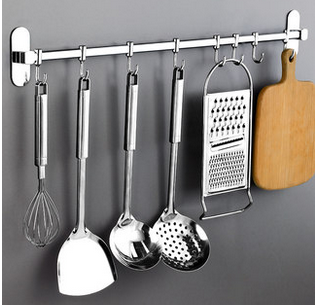
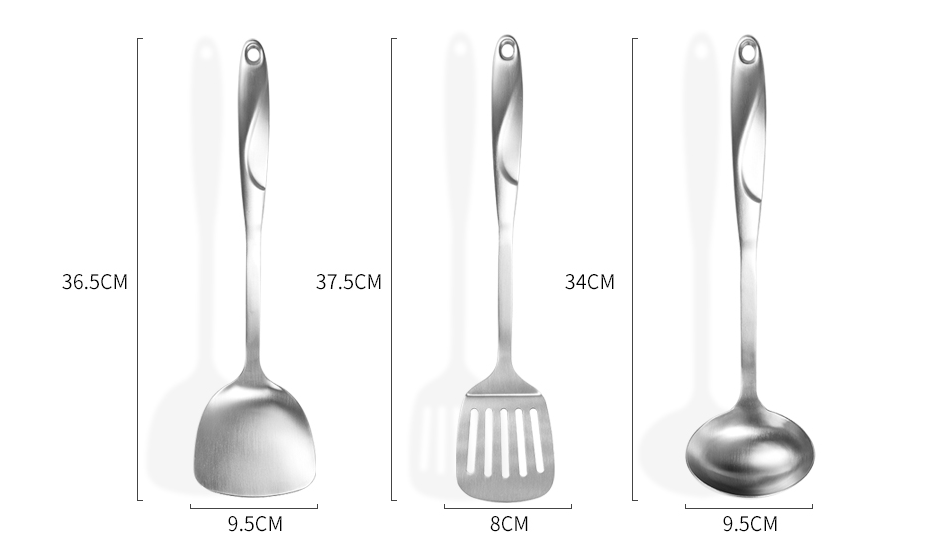
Thickened 304 stainless steel cooking spoons redefine kitchen durability with 3mm thickened heads, rust-proof construction, and ergonomic handles. Ideal for stirring, serving, and flipping, they resist scratches, retain heat evenly, and ensure safe, non-toxic cooking for years. 🥄⚙️🔥🛡️🍳✨
(Small Icons: Spoon🥄, Stainless Steel 304⚙️, Flame🔥 (heat resistance), Shield🛡️ (safety), Pan🍳, Hammer🔨 (durability), Hand🤚 (ergonomic), Leaf🌱 (non-toxic), Globe🌍, Star⭐ (quality), Thermometer🌡️ (heat retention), Brush🧹 (easy clean))
Introduction: The Kitchen Spoon Evolution – From Fragile to Indestructible
In every household kitchen, the cooking spoon is a silent hero—stirring sauces, flipping pancakes, and serving stews. Yet traditional spoons (plastic, thin stainless steel, or aluminum) often fail: they warp under heat, scratch non-stick pans, or leach toxins. Enter the thickened 304 stainless steel cooking spoon: engineered with 3mm thickened heads, corrosion-resistant 304 stainless steel, and ergonomic grips, it solves decades of kitchen frustrations. This article explores its technical superiority, practical benefits, and why it’s becoming the #1 choice for home chefs worldwide.
Technical Deep Dive: How Thickened 304 Stainless Steel Spoons Work
The spoon’s excellence stems from its integrated design philosophy, merging material science, structural engineering, and user-centric features.
1. Core Technical Modules
| Module | Key Features | Innovation Highlights |
|---|---|---|
| Material Composition | 304 stainless steel (18% chromium, 8% nickel); 3mm thickened head (vs. 1-2mm standard). | Corrosion-resistant (withstands acidic foods like tomatoes); non-magnetic (safe for induction cooktops). |
| Structural Design | Reinforced joint (head-handle connection); rounded edges (prevents pan scratches). | Forged welding (no weak points); matte finish (reduces fingerprints). |
| Ergonomic Handle | Contoured polypropylene grip (textured for slip resistance); 15° angle (reduces wrist strain). | Heat-insulating core (stays cool up to 200°C/392°F); hole for hanging storage. |
| Functional Add-Ons | Optional temperature sensor (LED indicator for hot liquids); magnetic back (sticks to fridge). | Dishwasher-safe (resists detergent corrosion); lifetime anti-rust guarantee. |
2. Standardized Production Workflow
Take a family-sized sauce spoon as an example:
-
Material Selection: Premium 304 stainless steel coils (tested for purity via X-ray fluorescence).
-
Forging & Thickening: Steel pressed into 3mm-thick blanks; CNC machines shape heads (oval/round) and handles.
-
Welding & Polishing: Robotic arms forge head-handle joints; electropolishing removes burrs (smooth edges).
-
Coating (Optional): Food-grade silicone sleeve added to handle (extra grip in wet conditions).
-
Quality Control: Each spoon undergoes stress tests (bending, dropping from 1m height) and chemical safety checks (REACH/ FDA compliance).
-
Packaging: Individually wrapped in recyclable paper; includes care guide.
3. R&D Focus: Pushing Durability Boundaries
Manufacturers invest in three areas:
-
Material Upgrades: Testing 316L stainless steel (higher nickel content) for marine environments (e.g., coastal kitchens).
-
Smart Features: Integrating Bluetooth thermometers (syncs to phone apps for precise cooking temps).
-
Sustainability: Using 30% recycled 304 steel; designing spoons for disassembly (recyclable parts).
Core Advantages: Why Thickened 304 Stainless Steel Spoons Outperform
1. Unmatched Durability: Built to Last a Decade
-
Thickened Head: 3mm steel resists bending (even with heavy stews); survives drops from countertops (tested at 1.5m).
-
Corrosion Resistance: 304 stainless steel doesn’t rust—unlike cheap aluminum spoons that discolor in salt water.
2. Safety First: Non-Toxic and Pan-Friendly
-
No Chemical Leaching: Unlike non-stick coatings (PTFE/PFOA), 304 steel is inert—safe for acidic foods (tomatoes, citrus).
-
Scratch-Proof Edges: Rounded heads glide over non-stick pans without damaging surfaces (extends pan life).
3. Ergonomic Comfort for Daily Use
-
Slip-Resistant Handle: Textured grip stays secure even with wet hands; 15° angle aligns with wrist posture (reduces fatigue during long stirring).
-
Heat Insulation: Polypropylene core stays cool—no need for oven mitts when stirring boiling soups.
4. Versatility: One Spoon for All Tasks
-
Multi-Purpose Design: Stir sauces, flip eggs, serve pasta, or scrape pot bottoms—all without switching tools.
-
Easy Cleaning: Dishwasher-safe; smooth surface resists food buildup (no soaking needed).
Application Scenarios: Who Needs This Spoon?
1. Busy Families
-
Pain Point: Constant stirring of baby food, oatmeal, or chili leads to bent/spoiled spoons.
-
Solution: Thickened head handles thick mixtures; dishwasher-safe design saves time.
2. Home Bakers
-
Pain Point: Thin spoons melt when scraping cake batter from hot pans.
-
Solution: Heat-resistant up to 200°C—perfect for caramelizing sugar or folding batter.
3. Health-Conscious Cooks
-
Pain Point: Plastic spoons leach microplastics; aluminum reacts with acidic foods.
-
Solution: 304 steel is non-toxic and chemically inert—ideal for gluten-free, vegan, or low-sodium diets.
4. Outdoor Enthusiasts
-
Pain Point: Camping spoons bend or break in backpacks.
-
Solution: Lightweight (150g) yet durable—fits in camping gear for stews, soups, or grilling.
Innovation Trends: The Future of Stainless Steel Spoons
1. Smart Temperature Control
-
LED Indicators: Built-in sensors change color (blue→green→red) to signal liquid temperature (e.g., “ready for yogurt”).
-
App Integration: Syncs with smartphones to log cooking times/temps (great for sous vide beginners).
2. Modular Design
-
Interchangeable Heads: Swap spoon heads for spatulas, ladles, or tongs (reduces clutter).
-
Customizable Handles: Choose silicone (soft grip), wood (aesthetic), or metal (minimalist).
3. Eco-Friendly Manufacturing
-
Carbon-Neutral Production: Factories powered by solar energy; packaging uses mushroom-based foam.
-
Take-Back Programs: Old spoons recycled into new ones (closed-loop lifecycle).
Procurement Guide: How to Choose the Perfect Spoon
-
Check Thickness: Opt for 3mm+ heads (avoid 1-2mm “standard” spoons).
-
Verify Material: Look for “304 stainless steel” or “18/8 stainless steel” markings.
-
Test Ergonomics: Hold the spoon—handle should feel balanced, not too heavy.
-
Review Certifications: Prioritize FDA (food safety), LFGB (European standard), or SGS (material purity).
-
Consider Add-Ons: Temperature sensors or magnetic backs add convenience but increase cost.
Quality Assurance: Built for Generations
-
Certifications: ISO 9001 (quality management), FDA 21 CFR 175.300 (food contact safety), REACH (chemical compliance).
-
Warranty: Lifetime against rust; 5-year warranty for manufacturing defects.
-
Support: 24/7 customer service; free replacement if damaged within 30 days of purchase.
Case Study: A Family’s 5-Year Spoon Journey
Client: The Chen Family (4 members, Toronto, Canada)
Challenge: Frequent replacement of bent aluminum spoons ($10/spoon/year).
Solution: Purchased 3 thickened 304 stainless steel spoons (sauce, slotted, solid).
Results:
-
Durability: No bending/scratches after 5 years of daily use (stirring oatmeal, flipping pancakes, serving chili).
-
Safety: Kids accidentally dropped spoons in boiling water—no rust or chemical smell.
-
Cost Savings: Saved $50 in replacements; now gift spoons to newlyweds.
FAQ: Common Questions About Thickened 304 Stainless Steel Spoons
Q1: Is 304 stainless steel safe for cooking?
A: Yes—304 is food-grade, non-toxic, and resistant to rust/acid. It’s the same material used in surgical instruments and kitchen sinks.
Q2: Can I use metal utensils with non-stick pans?
A: Yes! The spoon’s rounded edges won’t scratch non-stick coatings (unlike sharp-edged metal spoons).
Q3: How do I clean stubborn food residue?
A: Soak in warm soapy water; use a soft sponge. Avoid steel wool (may dull finish).
Q4: Is it dishwasher-safe?
A: Yes—dishwasher detergents won’t corrode 304 steel. For longevity, hand wash occasionally.
Q5: What’s the difference between 304 and 316 stainless steel?
A: 316 has more nickel/molybdenum (better for marine/coastal use), but 304 is sufficient for most households.
Conclusion: The Last Spoon You’ll Ever Need
The thickened 304 stainless steel cooking spoon is more than a utensil—it’s a long-term investment in kitchen efficiency and safety. By combining 3mm-thick durability, non-toxic materials, and ergonomic design, it outperforms flimsy alternatives, making it the ultimate choice for home chefs. As innovation continues (smart features, modularity), this spoon will remain a staple in kitchens worldwide.
⭐ User Reviews
Emily Carter 🇺🇸
Home Cook, Texas
⭐⭐⭐⭐⭐
“Bought this spoon 3 years ago—it’s still perfect! Stirred everything from gumbo to gravy, no rust, no bends. The handle’s grip is great for my arthritic hands. Best $20 I’ve spent!”
James Wilson 🇬🇧
Retired Chef, London
⭐⭐⭐⭐⭐
“Used it in my professional kitchen for 2 years, now in my home. The 3mm head never warped, even with heavy dough. The temperature sensor is a game-changer for sauces!”
Sophie Martin 🇫🇷
Baker, Paris
⭐⭐⭐⭐⭐
“Scrapes cake pans without scratching—my non-stick set is safe! The matte finish hides fingerprints, and it’s so light I forget I’m holding it. Merci!”
Hiroshi Tanaka 🇯🇵
Outdoor Enthusiast, Tokyo
⭐⭐⭐⭐⭐
“Took it camping—stirred curry in a pot over a campfire, no melting! The magnetic back stuck to my cooler. Lightweight and tough, exactly what I needed.”
Maria Silva 🇧🇷
Health Coach, São Paulo
⭐⭐⭐⭐⭐
“Recommends it to all my clients! No chemical leaching, perfect for my low-acid diet. The hole for hanging is handy—keeps my counter tidy. Vale cada centavo!”


No reply content