
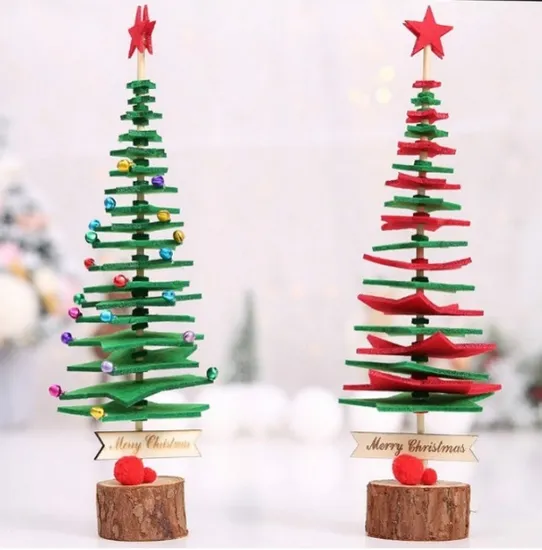
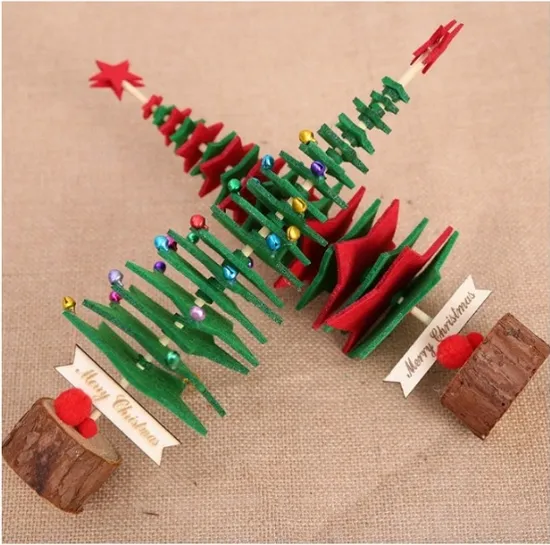
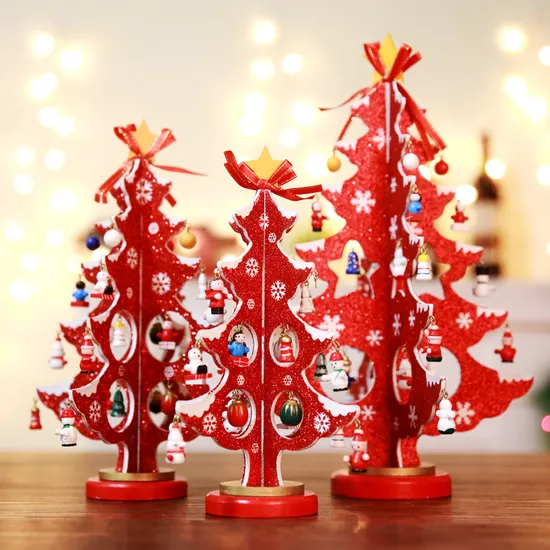

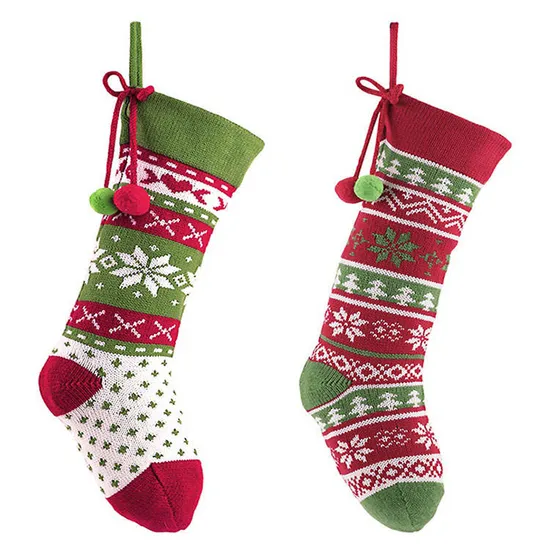

China’s craft manufacturing industry stands at a remarkable crossroads. Once rooted in centuries-old handcraft traditions, it has now evolved into a globally influential sector driven by innovation, technology, and a deep understanding of worldwide consumer trends. The factories behind Christmas decorations, resin figurines, artificial trees, home ornaments, and seasonal giftware are no longer simple workshops—they are modern production ecosystems where artistry and engineering coexist with extraordinary harmony.
This transformation did not happen overnight. It is the result of cultural inheritance, manufacturing maturity, and an ambition to serve an international market that values both creativity and consistency. Today, Chinese craft factories have become the quiet backbone of global holiday celebrations, supplying everything from elegant white Christmas trees to complex resin scenes found in homes, malls, and commercial displays around the world.
This article explores the depth, process, philosophy, and global value of China’s craft manufacturing industry, revealing why their artistry remains timeless even in an age of automation.
1. The Cultural DNA Behind Chinese Craftsmanship
China’s manufacturing strengths are often associated with scale and speed. Yet in the craft industry, its true power comes from something far more subtle—its cultural DNA, built on generations of handcraft excellence.
1.1 Craftsmanship Handed Down Over Generations
In many factories, especially those specializing in festive décor or artistic household items, traditional skills remain essential.
For example:
- The shaping of branches on artificial Christmas trees
- The layering of colors on resin figurines
- The hand-assembly of miniature ornaments
- The texturing and flocking techniques used in winter-themed decorations
These require years of experience, a practiced eye, and a level of finesse that machines cannot fully replicate. Behind each product lies the accumulated wisdom of artisans who have dedicated their lives to a single craft.
1.2 Industrial Clusters Built Over Decades
Regions such as Guangdong, Fujian, Zhejiang, and Hebei have evolved into specialized industrial clusters.
Within these clusters:
- Raw material suppliers
- Mold-making workshops
- Injection and blow molding factories
- Packaging suppliers
- OEM/ODM design teams
…work together seamlessly.
This ecosystem greatly reduces production friction, ensures reliable supply chains, and empowers factories to scale quickly during peak global seasons.
1.3 A Culture That Values Precision
Whether carving resin molds or adjusting the shade of artificial snow, Chinese craftsmen hold a quality philosophy rooted in precise, incremental improvement.
The belief is simple:
A product must feel right before it leaves the factory.
This cultural mindset is a quiet but powerful driver behind the global competitiveness of Chinese craft products.
2. The Modern Evolution: From Traditional Hands to Smart Manufacturing
While craftsmanship remains the soul, technology is now the engine. The past decade has witnessed a rapid modernization of craft manufacturing.
2.1 Smart Production Lines Improve Efficiency
Factories now adopt:
- Automated flocking machines for Christmas trees
- High-precision injection molding for resin parts
- Intelligent material-mixing systems
- UV and LED curing technologies
- Digital spraying machines
These tools significantly reduce production time while ensuring uniform quality.
2.2 Digital Prototyping and Rapid Mold Development
In the past, developing a new resin figurine or ornament mold could take months.
Today, with 3D scanning and digital modeling, OEM clients can receive:
- 3D previews
- Structural simulations
- Rapid printed prototype samples
…within days.
This dramatically accelerates product development cycles for global brands.
2.3 Quality Control Reinvented
Smart QC systems enable:
- Real-time defect detection
- Material composition tracking
- Durability and temperature-resistance testing
- Color deviation monitoring
This ensures that even handmade-influenced products meet strict international standards.
3. How Chinese Craft Factories Understand Global Trends
The success of Chinese craft manufacturers isn’t based on production alone.
It comes from an ability to read global markets and translate insights into commercially successful products.
3.1 Responding to Seasonal Cycles
Factories plan inventory and production schedules according to international holidays:
- Christmas
- Easter
- Halloween
- Mother’s Day
- Thanksgiving
- Home décor renewal seasons
This helps them maintain stable capacity, avoid shortages, and deliver on time even during global shipping congestion.
3.2 Customization as a Core Competency
Most factories now operate with OEM + ODM dual capability, offering:
- Custom colors
- Private label packaging
- New mold development
- Brand-exclusive series
- Trend-based collection design
Their ability to adapt quickly makes them reliable partners for brands, wholesalers, and retailers worldwide.
3.3 Sustainability Trends
As eco-conscious consumers rise, factories are shifting toward:
- Recycled plastics for artificial trees
- Sustainable packaging
- Water-based paints
- Biodegradable fillers
Sustainability is no longer optional; it is becoming a competitive advantage.
4. Inside the Production of a Modern Christmas Tree
While simple at first glance, a high-quality artificial Christmas tree involves dozens of intricate steps.
4.1 Material Engineering
PVC or PE blends must achieve:
- Realistic texture
- Fire resistance
- Color stability
- Long-term durability
The “snowy white” tree, for example, needs special coating materials that maintain brightness without yellowing.
4.2 Structural Design
Branches are designed according to:
- Density
- Layer height
- Radial balance
- Folding mechanisms
This determines whether the tree looks luxurious or cheap.
4.3 Manual Flocking and Styling
Even with machines, the final styling—shaping, separating branches, adjusting silhouette—is often completed by hand.
This gives each tree the lush, layered effect consumers expect.
4.4 Final Quality Inspection
A finished tree undergoes:
- Shape uniformity testing
- Flocking adhesion checks
- Stability testing
- Packaging durability tests
Only products passing all tests are exported.
5. The Global Impact of Chinese Craft Factories
From European Christmas markets to American department stores, from Middle Eastern shopping malls to online retailers—Chinese-crafted products are everywhere.
5.1 An Invisible Support System for Global Retail
Many global brands rely entirely on Chinese OEMs to produce:
- Seasonal décor
- Giftware sets
- Home ornaments
- Holiday figurines
- DIY craft kits
Factories serve as the silent force behind these product lines.
5.2 Enabling Creativity at Global Scale
Since factories can rapidly scale output, brands can confidently launch large holiday collections without risking inventory gaps.
5.3 Reliable Supply Chain Partners
With decades of export experience, factories offer:
- Flexible MOQs
- Fast prototyping
- Stable pricing
- Strict QC
- Global shipping support
These qualities make Chinese suppliers essential to importers and retailers.
6. Why This Industry Continues to Thrive
6.1 A Blend of Art + Technology
The fusion of handcraft tradition and manufacturing modernization is the industry’s greatest strength.
6.2 An Unmatched Supply Ecosystem
No other country offers such a complete chain—from materials to molds to packaging to logistics—with such speed.
6.3 Continuous Innovation
Factories innovate not only products, but also processes, business models, and global partnerships.
6.4 Cultural Passion for Craftsmanship
Craft is not merely a business—it is a cultural continuation of Chinese artistry.
Conclusion: A Future Built on Creativity, Heritage, and Global Vision
The artistry of Chinese craft factories is timeless not because it refuses to change, but because it evolves without losing its cultural roots.
From traditional handcraft skills to cutting-edge manufacturing, from small workshops to large-scale OEM/ODM bases, the industry continues to redefine what “craftsmanship” means in the modern world.
As global demand for personalized, aesthetic, and seasonal products continues to grow, Chinese craft factories are poised to remain at the center of this expansion—quietly shaping the way the world celebrates holidays, expresses emotion, and decorates the spaces we live in.
This is the story of a deeply rooted craft industry that has transformed itself while honoring its history—an industry where tradition meets innovation, and where creativity finds its way into millions of homes across the world.


No reply content