
Introduction: The Everyday Problem No One Talks About
Rainy days are supposed to be refreshing. Yet for many urban commuters, drivers, and daily travelers, rain often brings a frustrating and overlooked problem: what to do with a dripping wet umbrella.
Traditional umbrellas fold outward, trapping rainwater on the outer surface. When you step into a car, bus, or building, that water has nowhere to go—except onto your clothes, seats, floors, and hands. Over time, this leads to damp car interiors, unpleasant odors, water stains, and even mold.
After years of dealing with soaked car upholstery and awkward umbrella storage, a new solution quietly changed everything: the reverse umbrella.
This article explores how modern reverse umbrella design—combined with advanced materials, engineered structures, and factory-level manufacturing upgrades—has fundamentally redefined umbrella usability.
What Makes a Reverse Umbrella Different?
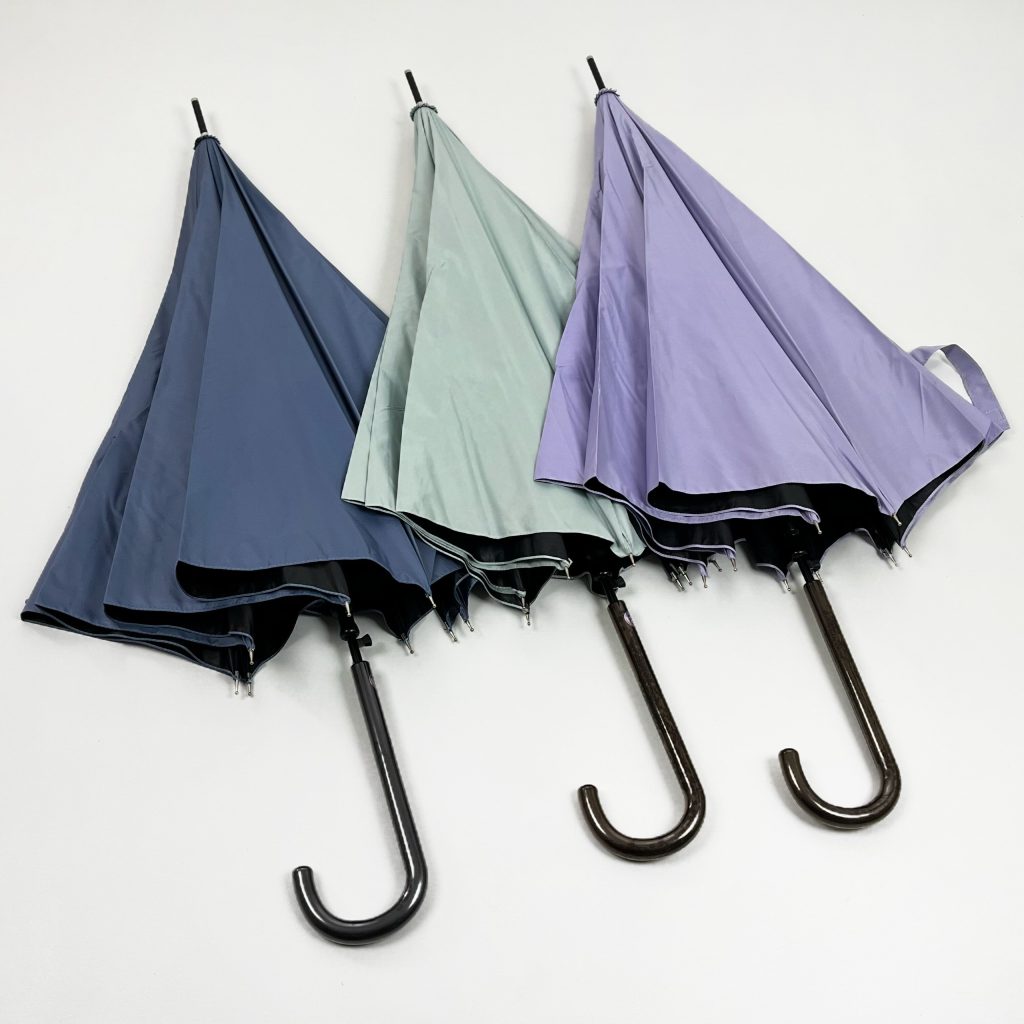
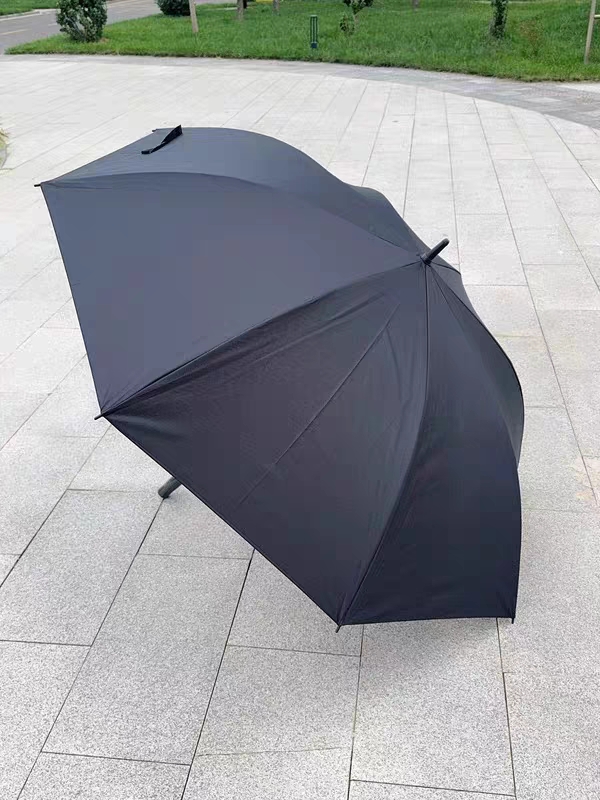
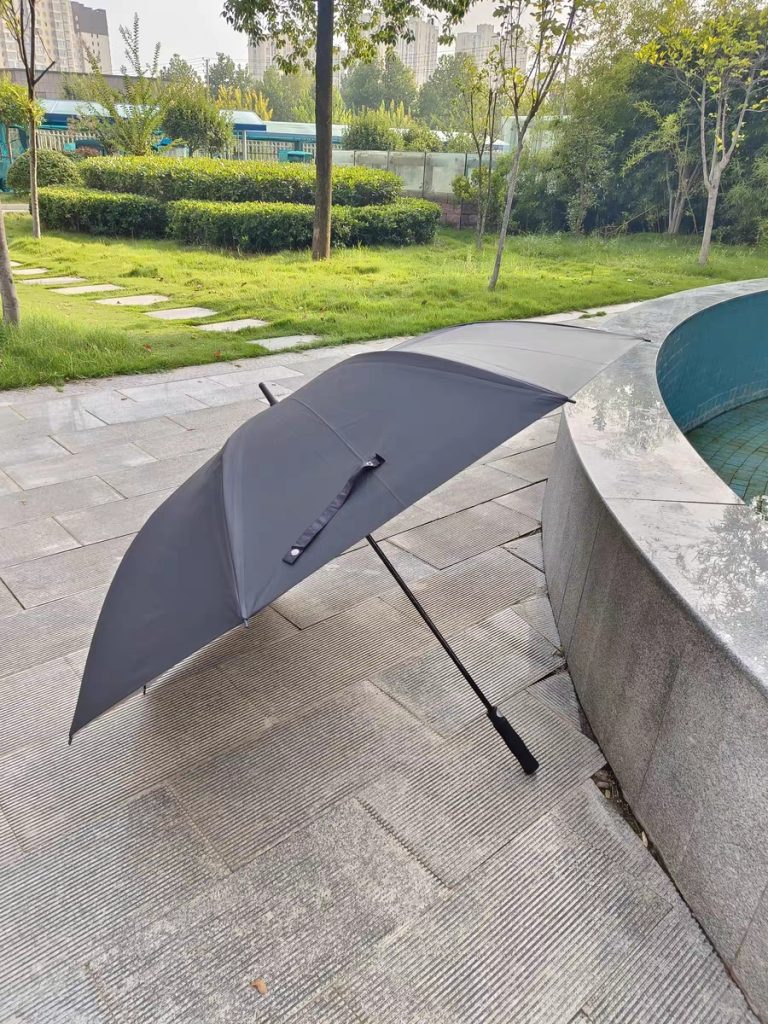
Unlike traditional umbrellas, a reverse umbrella folds inward, keeping the wet surface trapped inside and the dry surface facing outward.
This simple structural reversal delivers major real-world benefits:
- Keeps rainwater contained
- Prevents dripping on car seats and floors
- Allows cleaner storage in bags or vehicles
- Improves safety and comfort in tight spaces
But the real magic lies beneath the surface—in the materials, frame engineering, and production quality.
The Fabric That Changed Everything: 300T High-Density Pongee
At the core of any umbrella’s performance is its canopy fabric. For modern reverse umbrellas, 300T high-density pongee fabric has become a key differentiator.
Why 300T Matters
300T refers to a 300-thread-per-inch weave density, significantly higher than standard umbrella fabrics.
Technical Advantages:
- Extremely tight weave structure
- Superior water repellency
- Faster surface runoff
- Reduced water penetration under pressure
- Smoother, more durable surface texture
Rainwater beads instantly and rolls off instead of soaking in. Even after repeated exposure, the fabric maintains its performance without stiffness or cracking.
Leak Prevention at the Fabric Level
Many umbrella leaks originate not from seams, but from fabric fatigue and micro-gaps. By using high-density pongee combined with calibrated coating processes, water penetration is dramatically reduced—even during prolonged heavy rain.
Black Coating Technology: Shade Meets Protection
A modern umbrella must perform in both rain and sun.
That’s where black coating technology comes in.
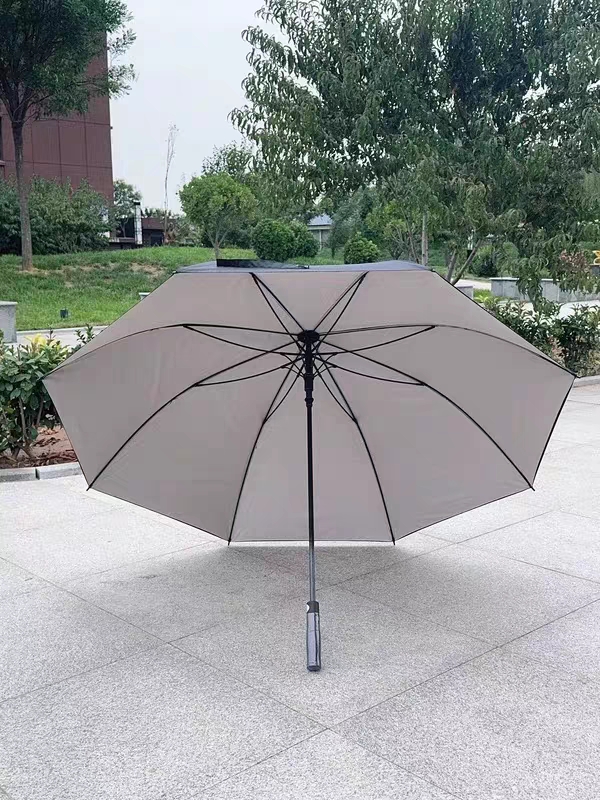
What Black Coating Does
Applied to the inner layer of the canopy, black coating serves multiple purposes:
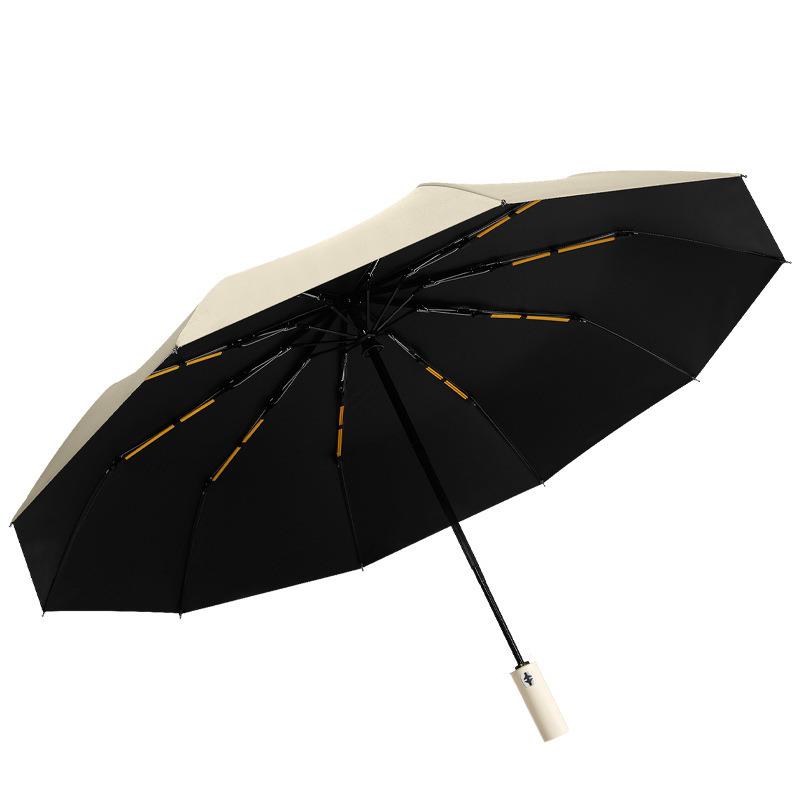
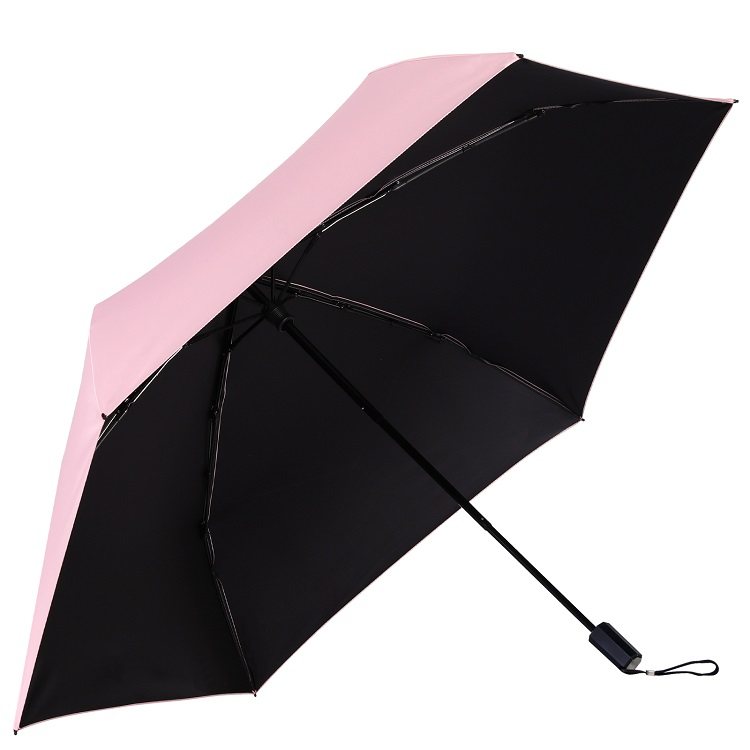
- Blocks ultraviolet radiation
- Reduces heat transmission
- Enhances overall fabric durability
UV Protection Performance:
- UV blocking rate: ≥ 99%
- Equivalent UPF rating: 50+
- Noticeable temperature reduction under direct sunlight
This makes reverse umbrellas suitable for all-weather, all-season use, not just rainy days.
The Skeleton Matters: Fiberglass Frame Engineering
One of the most common umbrella complaints worldwide is simple:
“The ribs break too easily.”
Traditional metal frames often fail because they are rigid but brittle. Once bent, they rarely recover.
Why Fiberglass Changes the Game
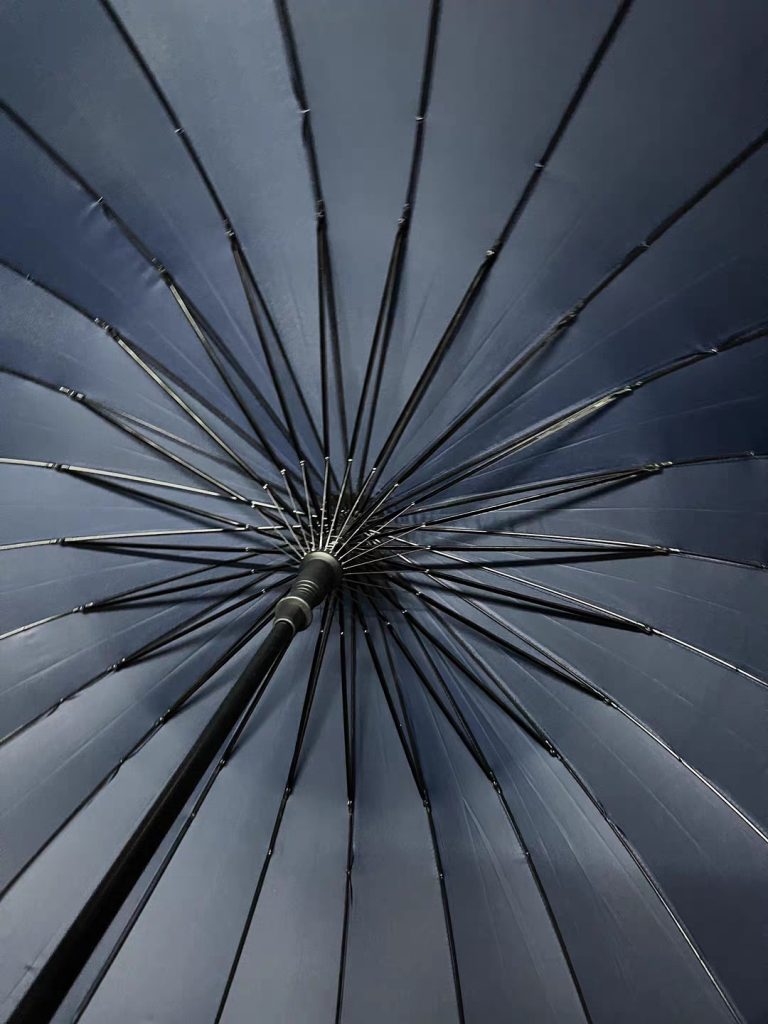
Modern reverse umbrellas rely on fiberglass rib structures, offering a fundamentally different mechanical behavior.
Fiberglass Frame Advantages:
- High flexibility under wind pressure
- Ability to bend and return to original shape
- Lightweight yet structurally strong
- Resistant to corrosion and fatigue
Rather than fighting the wind, fiberglass ribs work with it, flexing under stress instead of snapping.
Solving the Wind Problem: Structural Optimization
Wind damage doesn’t happen randomly—it concentrates at specific stress points.
To address this, modern reverse umbrellas incorporate:
- Reinforced rib joints
- Balanced tension distribution across the canopy
- Optimized rib curvature geometry
- Strengthened central shaft connections
Each structural component is tested to simulate real-world gust conditions, ensuring durability where it matters most.
No More Leaks: From Seams to Tips
Water leakage is one of the most underestimated umbrella problems.
Where Leaks Typically Occur
- Stitching lines
- Canopy-to-rib attachment points
- Tip caps
- Fabric overlap zones
Process Improvements That Stop Leaks
- Precision automated stitching for consistent seam spacing
- Controlled fabric tension during assembly
- Reinforced seam sealing at high-stress areas
- Enhanced waterproof treatments after sewing
Leak prevention is not a single step—it’s a systematic manufacturing approach.
Reverse Folding = Dry Car Interiors
The defining benefit of a reverse umbrella is what happens after you close it.
Why It Works So Well in Cars
- Wet surface folds inward
- Dry surface faces outward
- Water is contained inside the canopy
- No dripping onto seats or carpets
This design is especially valuable for:
- Drivers and daily commuters
- Ride-share vehicles
- Family cars with fabric interiors
- Business travelers
For many users, this single improvement justifies switching to a reverse umbrella permanently.
Handle Design: Comfort Meets Practicality
An umbrella handle is more than a grip—it’s a control interface.
Ergonomic Considerations
Modern reverse umbrellas focus on:
- Natural hand positioning
- Anti-slip textures for wet conditions
- Balanced weight distribution
- Reinforced internal handle cores
The result is better comfort during long walks and safer handling in crowded environments.
Inside the Factory: Where Quality Is Built
Advanced design only succeeds when supported by strong manufacturing capability.
High Automation Production Lines
Modern umbrella production relies heavily on automation:
- Computer-controlled fabric cutting
- Automated rib assembly
- Precision stitching equipment
- Standardized final assembly stations
Automation ensures consistency, efficiency, and repeatable quality across every unit.
Daily Production Capacity
With multi-line setups and automated workflows, production facilities are capable of:
- High-volume daily output
- Stable lead times for large orders
- Flexible configurations for different designs
Scalability ensures both retail and bulk demand can be met without compromising quality.
Quality Control (QC): Built into Every Stage
Quality assurance does not happen at the end—it starts at the beginning.
QC Process Breakdown
-
Incoming Material Inspection
- Fabric density verification
- Frame material testing
- Coating consistency checks
-
In-Process QC
- Stitching accuracy monitoring
- Frame alignment checks
- Opening/closing smoothness tests
-
Final Inspection
- Wind resistance testing
- Water repellency evaluation
- Structural integrity verification
Every umbrella must pass multiple checkpoints before packaging.
Real-World Experience Builds Trust
Trust is not built through claims—it’s built through performance over time.
Reverse umbrellas using advanced materials and controlled manufacturing processes demonstrate:
- Longer service life
- Fewer returns
- Better user satisfaction
- Reduced failure complaints
This real-world reliability forms the foundation of long-term brand trust.
Why Reverse Umbrellas Are Not a Trend—but a Shift
Some products fade as novelties. Reverse umbrellas do not.
They solve a persistent, everyday problem that traditional designs never addressed properly.
By combining:
- Smart structural logic
- High-density fabric technology
- Flexible fiberglass engineering
- Factory-level process control
Reverse umbrellas represent a meaningful evolution in personal weather protection.
Conclusion: One Small Change, A Huge Difference
Rain will always be part of life. But frustration doesn’t have to be.
By rethinking how an umbrella closes, improving what it’s made of, and controlling how it’s produced, modern reverse umbrellas have quietly transformed a daily inconvenience into a practical, reliable experience.
For anyone tired of wet clothes, soaked car interiors, broken ribs, or leaking canopies, the answer isn’t a new habit—it’s a better design.
And sometimes, that better design simply folds the other way.


No reply content