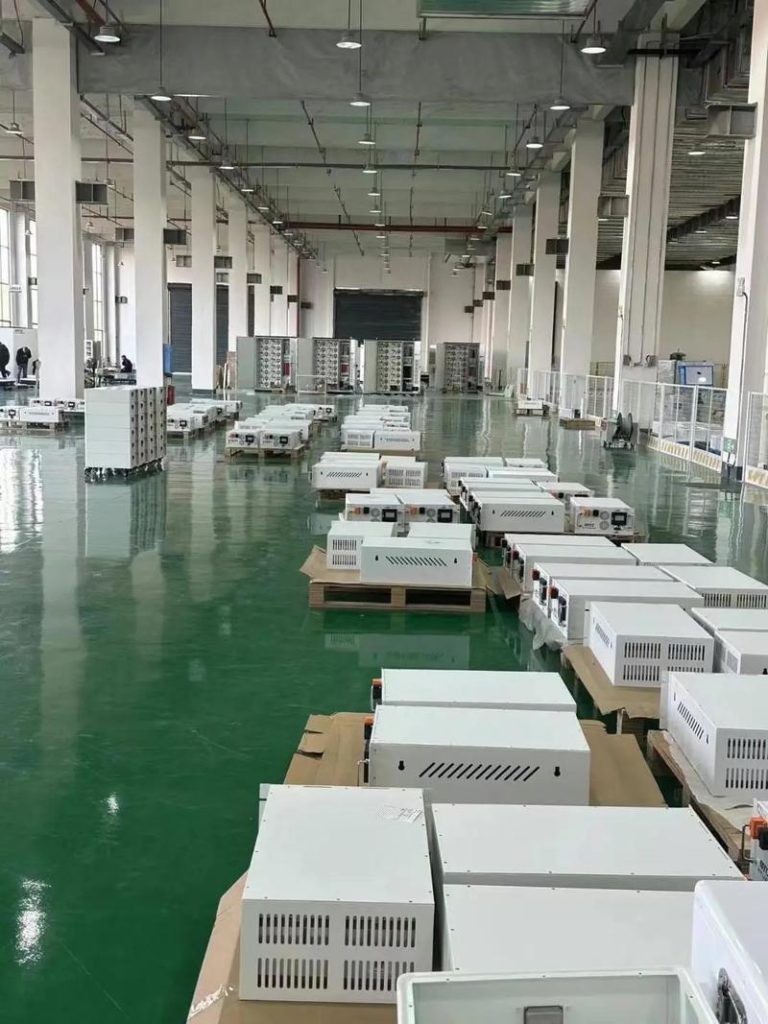
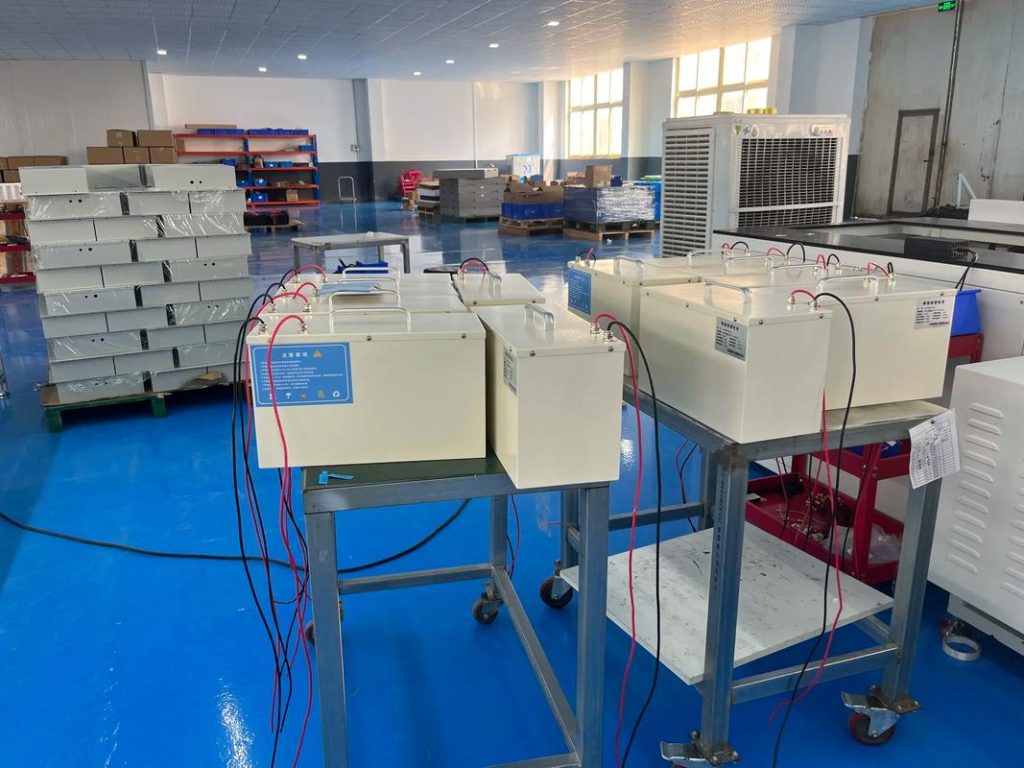
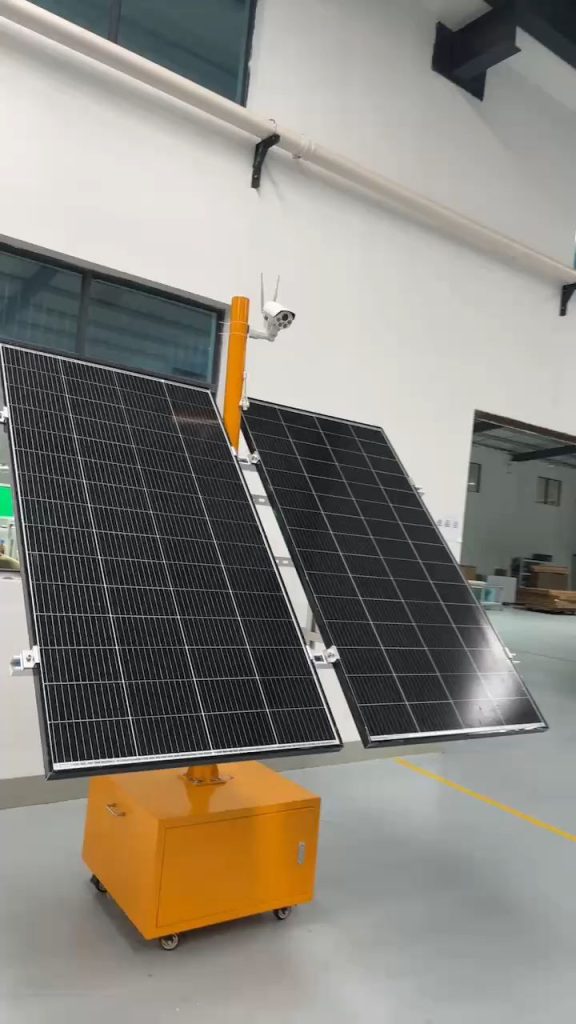
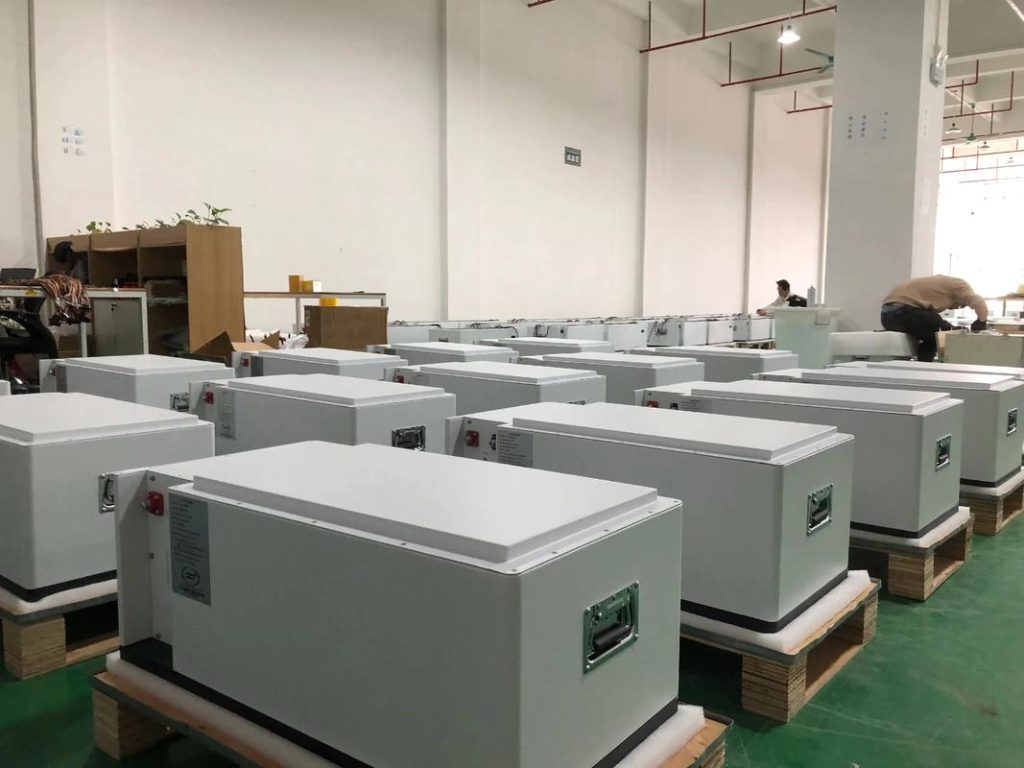
Selecting the right solar energy storage system can be challenging, especially with many options available on the market. Whether you are a homeowner, a commercial operator, or a project developer, knowing which features matter most helps you make a smart investment.
This guide explains the top features to look for in a solar energy storage system, including battery technology, safety, capacity, inverter compatibility, monitoring, and other critical considerations.
1. Battery Type and Technology
The battery is the core of any solar energy storage system. The most common types are:
- LFP (LiFePO₄): Excellent safety, long cycle life, deep discharge capability
- Lithium-ion (NMC/NCA): High energy density, compact size
Why it matters:
Battery type affects system safety, lifespan, and total cost of ownership. LFP batteries are generally preferred for residential, commercial, and off-grid solar storage systems due to stability and durability.
2. Battery Capacity (kWh)
Battery capacity determines how much energy can be stored and used.
- Residential systems: 5–20 kWh
- Commercial systems: 20–500 kWh+
- Industrial/off-grid: 500 kWh+
Tip: Choose capacity based on daily energy usage, backup needs, and peak consumption.
3. Inverter Compatibility
The inverter converts stored DC energy into usable AC electricity.
- Hybrid inverter: Works with both solar panels and grid
- Off-grid inverter: Independent operation for remote areas
- Rated power: 3 kW – 500 kW+ depending on application
Why it matters: Proper inverter sizing ensures efficient energy conversion and supports peak loads.
4. Depth of Discharge (DoD)
Depth of Discharge indicates the percentage of battery capacity that can be safely used.
- LFP batteries: up to 95%
- NMC batteries: typically 80–90%
Why it matters: Higher DoD allows more usable energy and longer battery life.
5. Cycle Life
Cycle life refers to the number of full charge/discharge cycles the battery can handle before capacity drops significantly.
- LFP: ≥6,000 cycles
- Lithium-ion: 3,000–4,000 cycles
Why it matters: Longer cycle life reduces replacement costs and increases ROI.
6. Safety Features
A high-quality solar energy storage system should include:
- Overcharge and over-discharge protection
- Short-circuit protection
- Thermal management
- Fire-resistant enclosure
Why it matters: Safety is crucial for indoor installation and long-term reliability.
7. Monitoring and Management
Advanced systems include BMS (Battery Management System) and EMS (Energy Management System).
- Real-time monitoring via app or web
- Battery health and energy usage tracking
- Automated alerts for system issues
Why it matters: Smart monitoring prevents failures and optimizes energy usage.
8. Expandability and Modularity
Modular systems allow additional batteries or inverters to be added as energy demand grows.
Why it matters: Flexibility for future expansion reduces upfront costs and adapts to changing needs.
9. Installation and Design
Consider installation type:
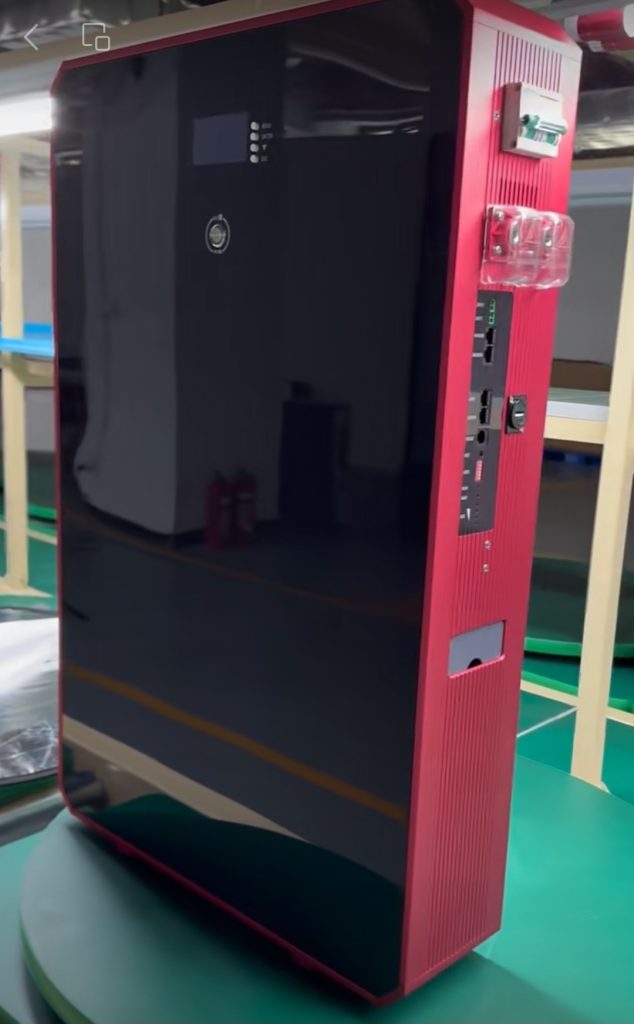
- Wall-mounted or floor-standing cabinets
- Indoor vs outdoor enclosures
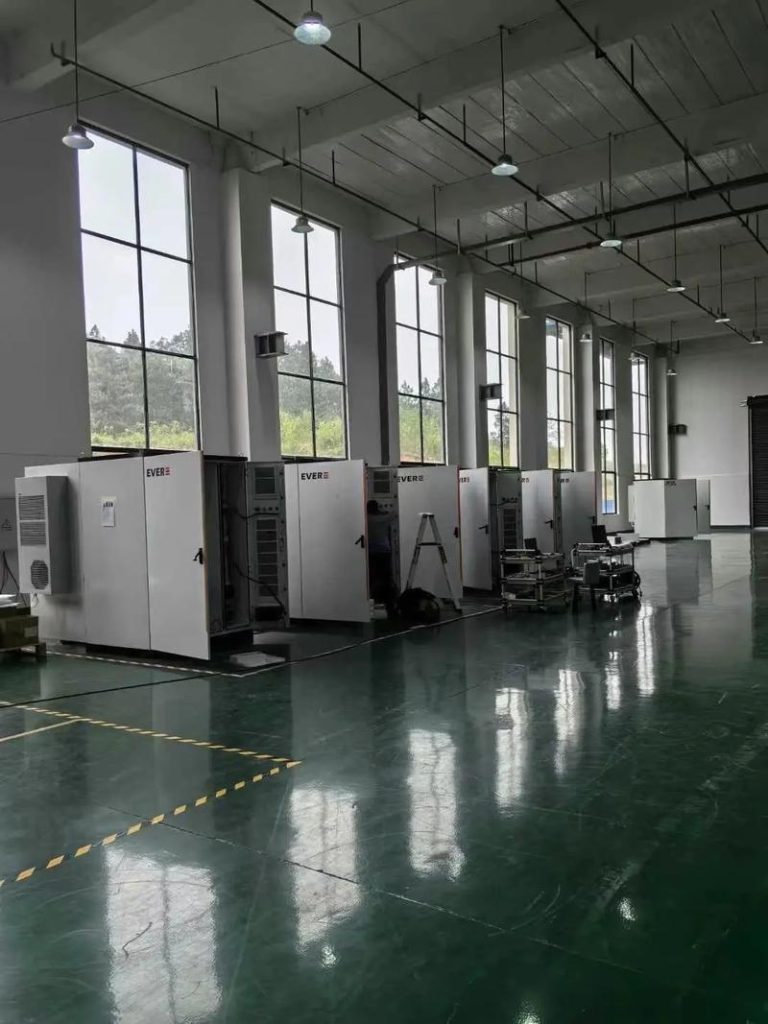
- Containerized solutions for commercial or industrial sites
Why it matters: Proper design ensures safety, accessibility, and longevity.
10. Certifications and Compliance
Look for internationally recognized certifications:
- CE, UN38.3, MSDS, ROHS, IEC standards
Why it matters: Ensures safety, legal compliance, and easier market entry for OEM or export projects.
Typical Product Specifications to Check
| Component | Example Specification |
|---|---|
| Battery Type | LFP (LiFePO₄) |
| Nominal Voltage | 48V / 51.2V / High-voltage options |
| Capacity Range | 5 kWh – 500 kWh+ |
| Cycle Life | ≥6,000 cycles |
| Inverter Type | Hybrid / Off-grid |
| Rated Power | 3 kW – 500 kW+ |
| Efficiency | ≥95% |
Frequently Asked Questions (FAQ)
Q1: Which battery type is safest for home use?
LFP (LiFePO₄) batteries are considered the safest due to thermal stability and fire resistance.
Q2: How do I know the right capacity?
Check daily energy usage and desired backup hours. OEM manufacturers can provide custom sizing guidance.
Q3: Can I expand my system later?
Yes. Modular designs allow adding extra batteries or inverters to increase capacity.
Q4: Is monitoring really necessary?
Yes. Real-time monitoring helps prevent failures, optimize performance, and extend battery life.
Q5: Do certifications affect performance?
While certifications don’t change technical specs, they guarantee compliance, safety, and reliability, especially for export markets.
Final Thoughts
Choosing the right solar energy storage system goes beyond price. Focusing on battery type, capacity, safety, monitoring, expandability, and certified quality ensures reliable, long-lasting, and cost-effective energy storage.
A well-selected system improves energy independence, reduces electricity bills, and maximizes return on investment for residential, commercial, and industrial applications.


No reply content